Simchat Torah: Stuffed Honeynut Squash

Honeynut Squash for Simchat Torah

It is common to eat food that are stuffed and resemble Torah scrolls for Simchat Torah, which marks the completion of the reading of the Torah. At my shul in Los Angeles, I loved that during the day, the Torah would be unscroll as much as possible across the room so that we could see it in its entirety and walk alongside it. Another cycle that I’m completing with this blog post is 10 years of Neesh Noosh. Thank you to everyone who has read from the beginning, joined at some point in the past ten years or is a new reader. Continue reading

Kabocha Squash and Lentils Sukkot Stew

Kabocha Squash and Lentil Stew

Suddenly, like a light switch turned off, summer is gone. The humidity, mosquitoes, long daylight are a memory that I still long to experience because I am not a cold weather person. But, amidst the increasing darkness and cold that is ushering in Sukkot, I seek warm, nourishing foods. Sukkot is one of my favorite holidays because it’s celebrated outside, deepens our connection with nature and celebrates fall produce. This stew that I created uses some of my favorite ingredients, including kabocha squash and carrots. It’s hearty and can be a full meal on its own. Or, serve it over quinoa or rice. Scroll to the bottom for more of my other Sukkot recipes. Continue reading

Rosh Hashana: Mangold Patties

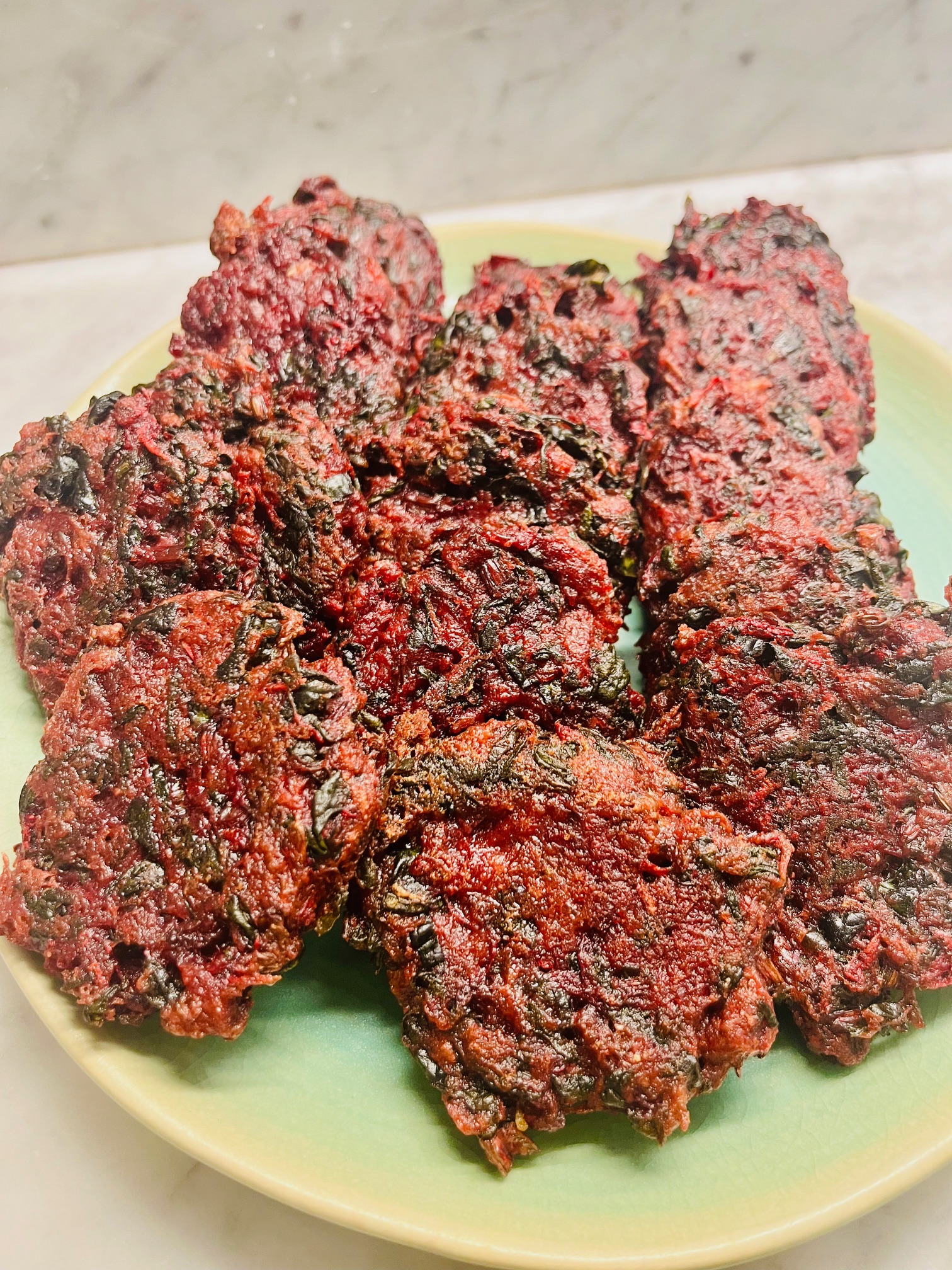
Mangold patties

These mangold patties are vegan variation on a traditional Sephardic Rosh Hashana recipe. Mangold is beets in Arabic. The main ingredient is beets-both the greens and the root, mixed with a bit of potato, kale, onion and spiced with baharat. It’s a very versatile dish that can be an appetizer or a main side. Beets are commonly eaten on Rosh Hashana because in Hebrew they are called “selek” which means to remove with the intention that our enemies will be removed in the new year. Scroll below for more of my Rosh Hashana recipes with other symbolic ingredients including apple cake, beet carpaccio, apple galette and black eyed peas. Shana Tova u’Metukah! Continue reading