Ki Teitzei: Living Compassionately and Righteously

Ki Teitzei Nest

Ki Teitzei Nest

This week’s Torah portion, Ki Teitzei, contains several teachings about the treatment of animals. It includes the prohibition against taking eggs or baby chicks from a nest while the mother is there, which has become the basis for the prohibition of cruelty against animals (tzaar baalei chayim). Indeed, for the person who does this, it is written it should be good for you, and you should lengthen your days.”

Indeed, the notion of preventing cruelty to animals was, until recently, unheard of, except in Torah. “‘Until the nineteenth century,’ wrote historian Cecil Roth, ‘cruelty to animals was nowhere illegal, except in Jewish law'”. (The Jewish Contribution to Civilization, pp. 343f). Rabbi Gershon Winkler, in commenting about the mother hen and baby chicks passage, argues, “The Torah is not interested in teaching you to feel compassion, but rather how to live compassionately.”

Rabbi Jill Jacobs writes,Beyond simply prohibiting cruelty to animals, Jewish tradition associates care for animals with righteousness.”  She cites (Proverbs 12:10): “A righteous person knows the needs of his beast, but the compassion of the wicked is cruelty.”  
Continue reading

Devarim: Towards the Promised Land

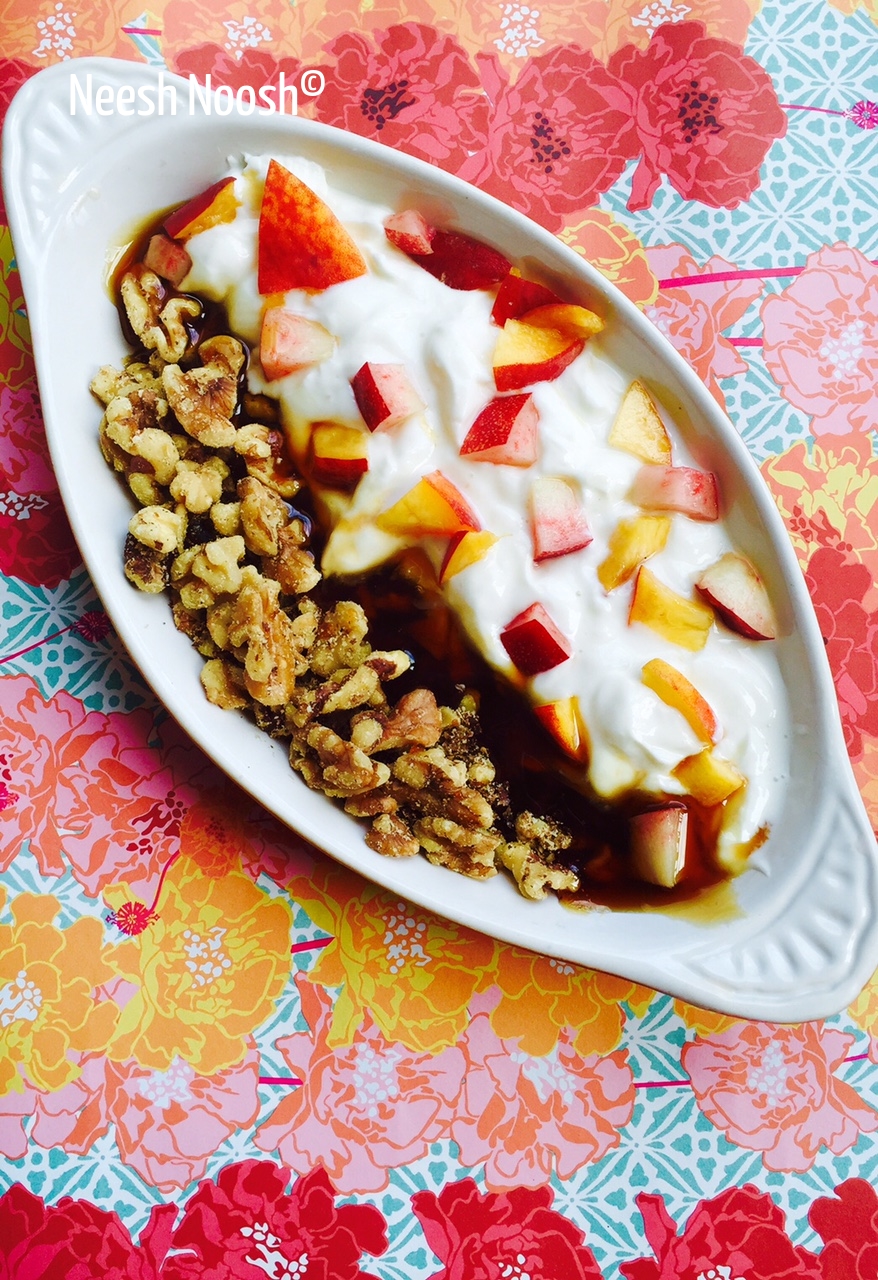
Devarim: walnuts, fruit and honey

Devarim: walnuts, fruit and honey

We enter the fifth and final book of the Torah, Devarim (Deuteronomy).  In this week’s Torah portion, also called Devarim, the Israelites are on the precipice of entering the Promised Land. Moses begins to recount the laws, teachings and events of the Israelites 40 years in the wilderness.

We are–individually and collectively–on journeys to the Promised Land. It’s our spiritual journeys. And, it’s about our responsibilities to our world by pursuing tzedek (justice) and tikkun olam (repairing the world).  And though, like Moses, we won’t necessarily reach the Promised Land, we are obligated to act for ourselves and future generations. It is taught, “It is not your responsibility to finish the work [of perfecting the world], but you are not free to desist from it either” (Ethics of the Fathers 2:16).

Continue reading

Matot-Massei: Concentric Circles

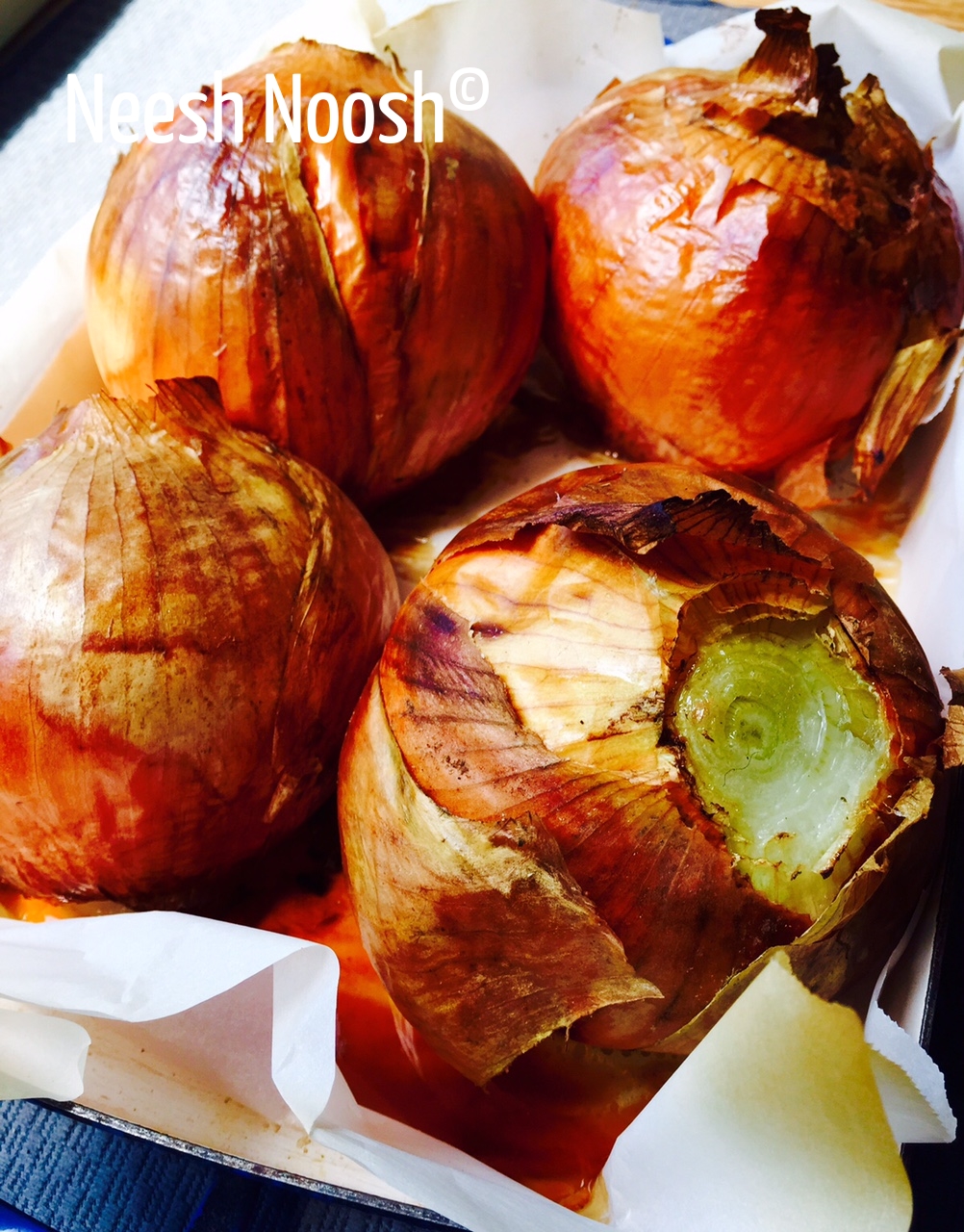
Matot-Massei: Roasted onions

Matot-Massei: Roasted onions

I received a basket of enormous, homegrown onions from a family friend. Layers of thick dirt muted the rich golden tones of the onions. Each one had just been picked and a mass of dried out, dusty stalks, like wild hair, was sprouting from the bulbs.  I wasn’t sure what to do with so many onions until I read this week’s parsha, Matot-Massei.  I prepared a simple roasted onions side dish. These concentric circles of onion are delicate, rich in flavor and easy to prepare. This week I offer many different thoughts about the onions and how the dish relates to themes in the parsha. Continue reading

Emor: Not Cutting Corners

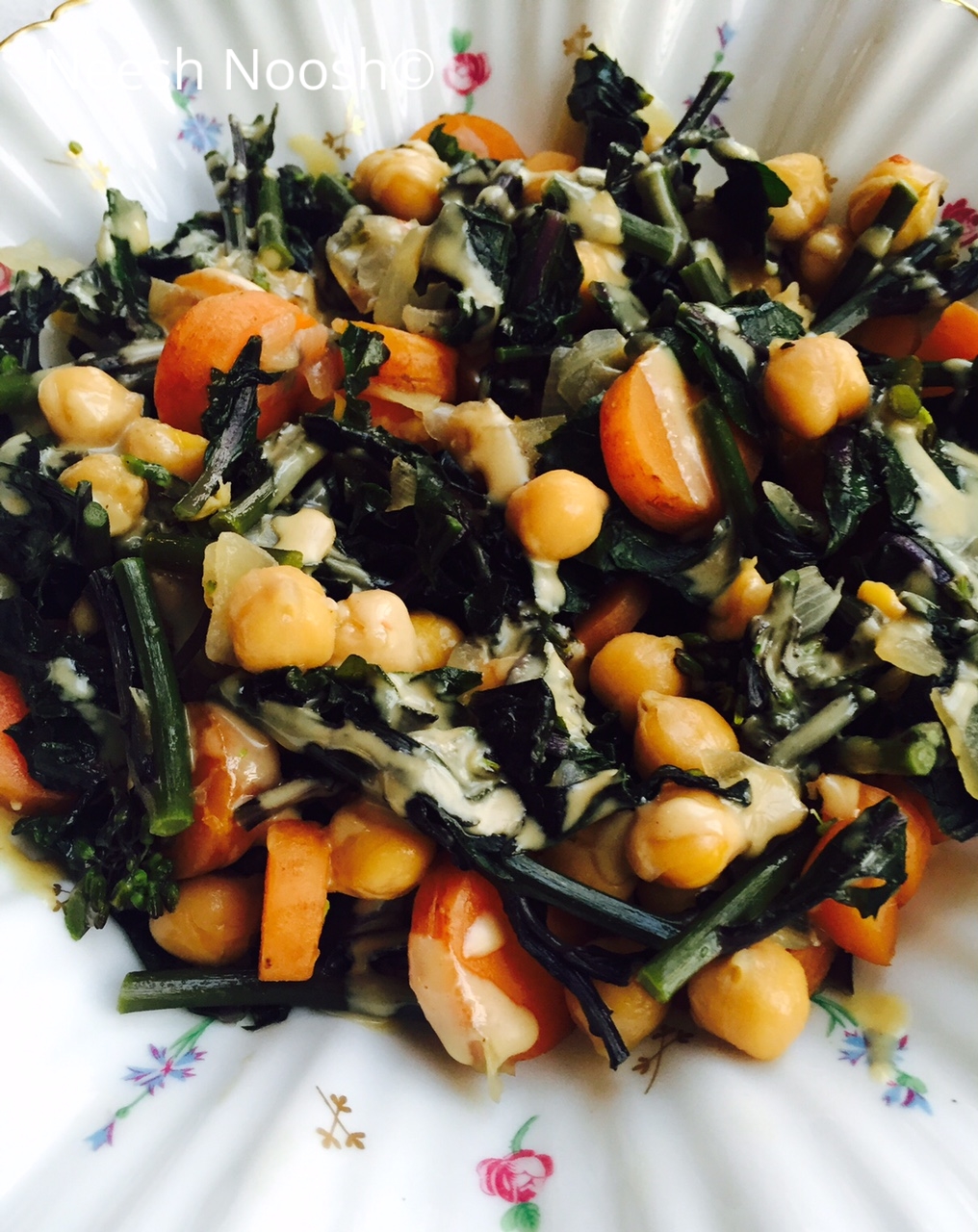
Emor: Kaleidescope scapes, carrots, garbanzo beans

Emor: Kaleidescope scapes, carrots, garbanzo beans

At the beginning of Emor it is written, They shall not make bald patches on their heads, nor shall they shave the edge of their beard, nor shall they make cuts in their flesh” (21:5).

And, in the middle of a description about the holiday of Shavuot, comes the following: When you reap the harvest of your Land, you shall not completely remove the corner of your field during your harvesting, and you shall not gather up the gleanings of your harvest. [Rather,] you shall leave these for the poor person and for the stranger. I am the Lord, your God.” (23:22).

Both of the facial beard and field corners are called payot.

Continue reading

Terumah: Tzedakah and Transformation

Terumah

Terumah

Terumah describes the construction of the Tabernacle, a holy place where God dwells. Initially, the parsha seems rather dry: tiny details for lengths, colors of fabrics, types of materials and so forth. But a deeper read illuminates so much about the Israelites, their relationship to each other and to God through the construction of the Tabernacle.

God says Moses to “bring me gifts; you shall accept gifts for Me from every person whose heart so moves him” (25:3). Rabbi Abraham Isaac Kook asks: “Why did God command Moses to take the donations? The

Blueberries. La Cienega Farmers Market, Los Angeles

Blueberries. La Cienega Farmers Market, Los Angeles

verse should read that they must give an offering!” He continues, “So why did God command that these gifts for the Tabernacle, the first act of tzedakah (charity) on a national level, be donated solely out of sincere generosity?”

He explains that God asked for donations instead of offerings because, “By donating our time and money, we express our inner qualities of chessed and kindness in a concrete and tangible manner. The act of tzedakah actualizes our traits of generosity and contributes toward our own spiritual growth.” The Israelites acts of tzedekah were spiritually transformative. Continue reading

Shmot: Righteousness

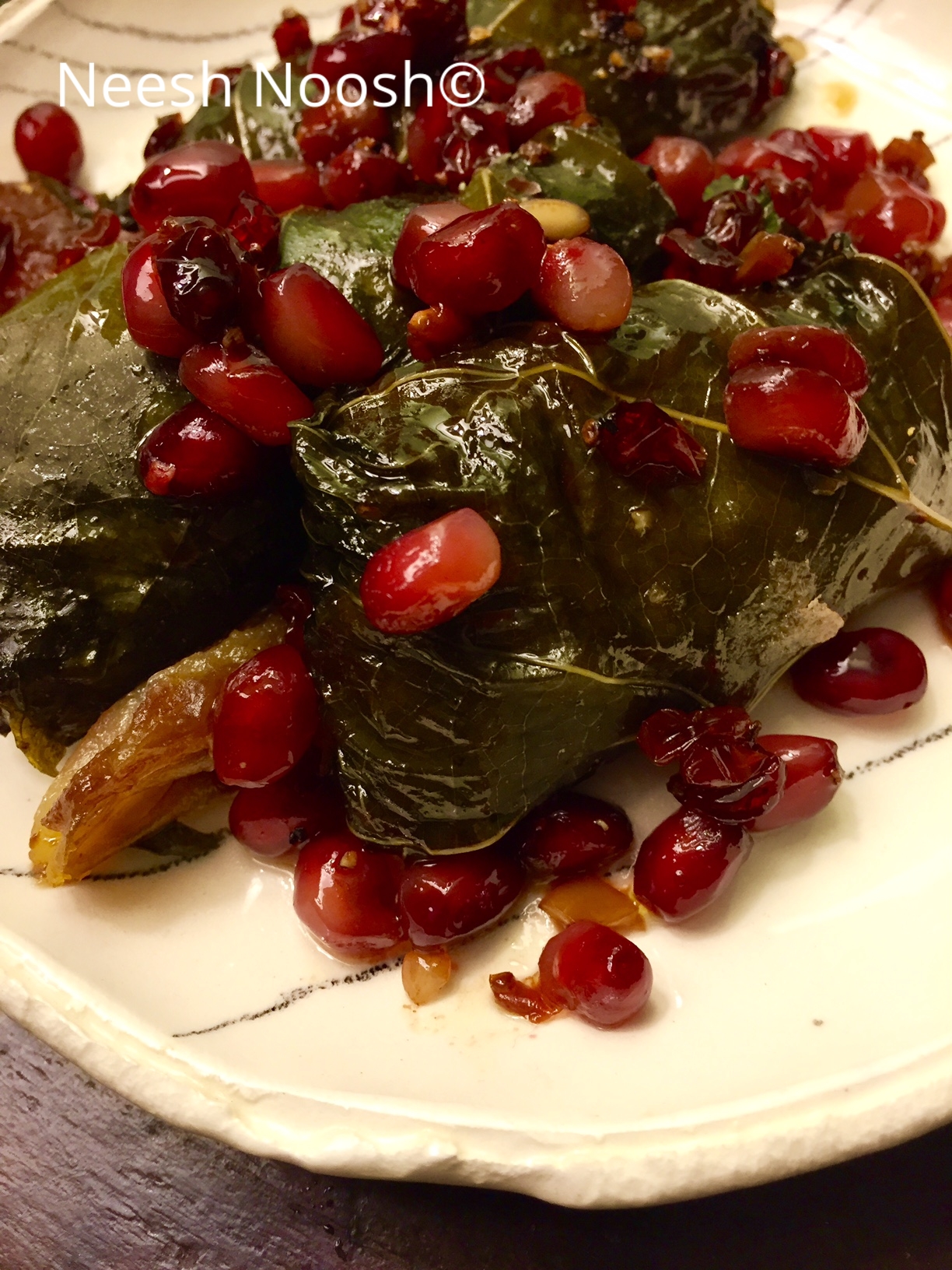
Shmot: stuffed grape leaves with pomegranates

Shmot: stuffed grape leaves with pomegranates

The beginning of Shmot includes a listing of Jacob’s sons and a description that the “Israelites were fertile and prolific; they multiplied and increased very greatly, so that the land was filled with them.”  Pharaoh, frustrated by the Israelites fertility commanded to the midwives that newborn boys be killed. But, “the midwives [Puah and Shifrah], fearing God, did not do as the king of Egypt had told them; they let the boys live.”

A midrash says, “Not only did they not do what Pharaoh told them, they even dared to do deeds of kindness for the children they saved. In behalf of poor mothers, the midwives would go to the houses of rich others and collect water and food, which they gave to the poor mothers and thus kept their children alive” (Sefer Ha-aggadah, p. 60).

Like many stories in the Book of Exodus (Shmot), the story of the midwives is one that exemplifies our responsibility to do justice in the face of oppression and protect disadvantaged people in our communities, nation and world. Continue reading