Tu B’Shevat: Pear and Pomegranate Galette

Pear and Pomegranate Galette

This recipe for Tu B’Shevat–the Jewish New Year of Trees–includes lots of edibles from trees including pears, pomegranate, cinnamon, cardamom and cloves. All of these tree fruits and spices plus only a small amount of sugar make for a delicate though very flavorful dessert that is perfect for a Tu B’Shevat seder. I used a mix of pears which I recommend for a variation in colors and tastes. You could also use mix in other fruits like persimmons and apples. I also cut down the preparation time significantly by using a pre-made vegan pie dough. Scroll below the recipe for more of my Tu B’Shevat recipes.
Continue reading

Vegan Kubaneh

Vegan Kubaneh

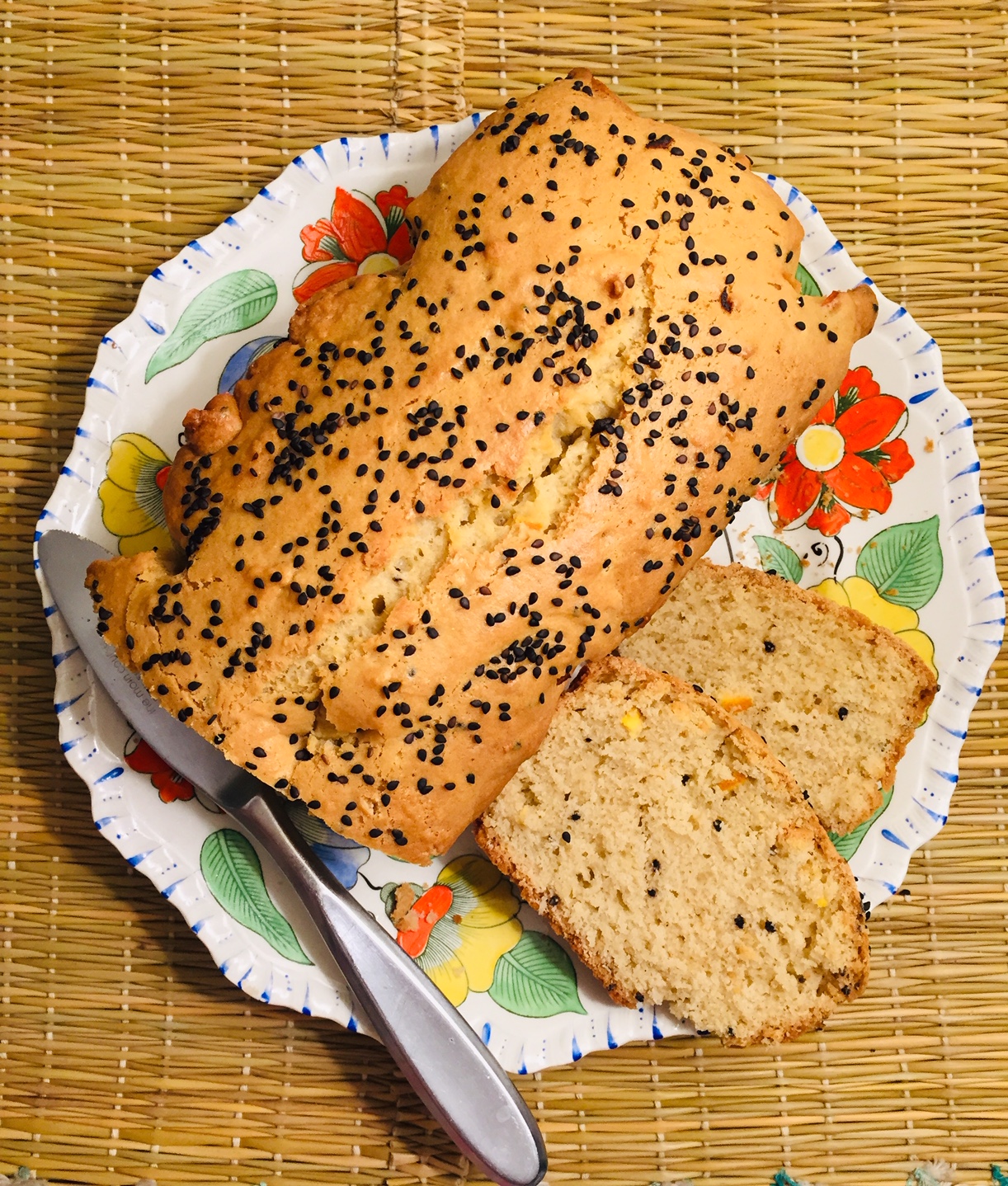
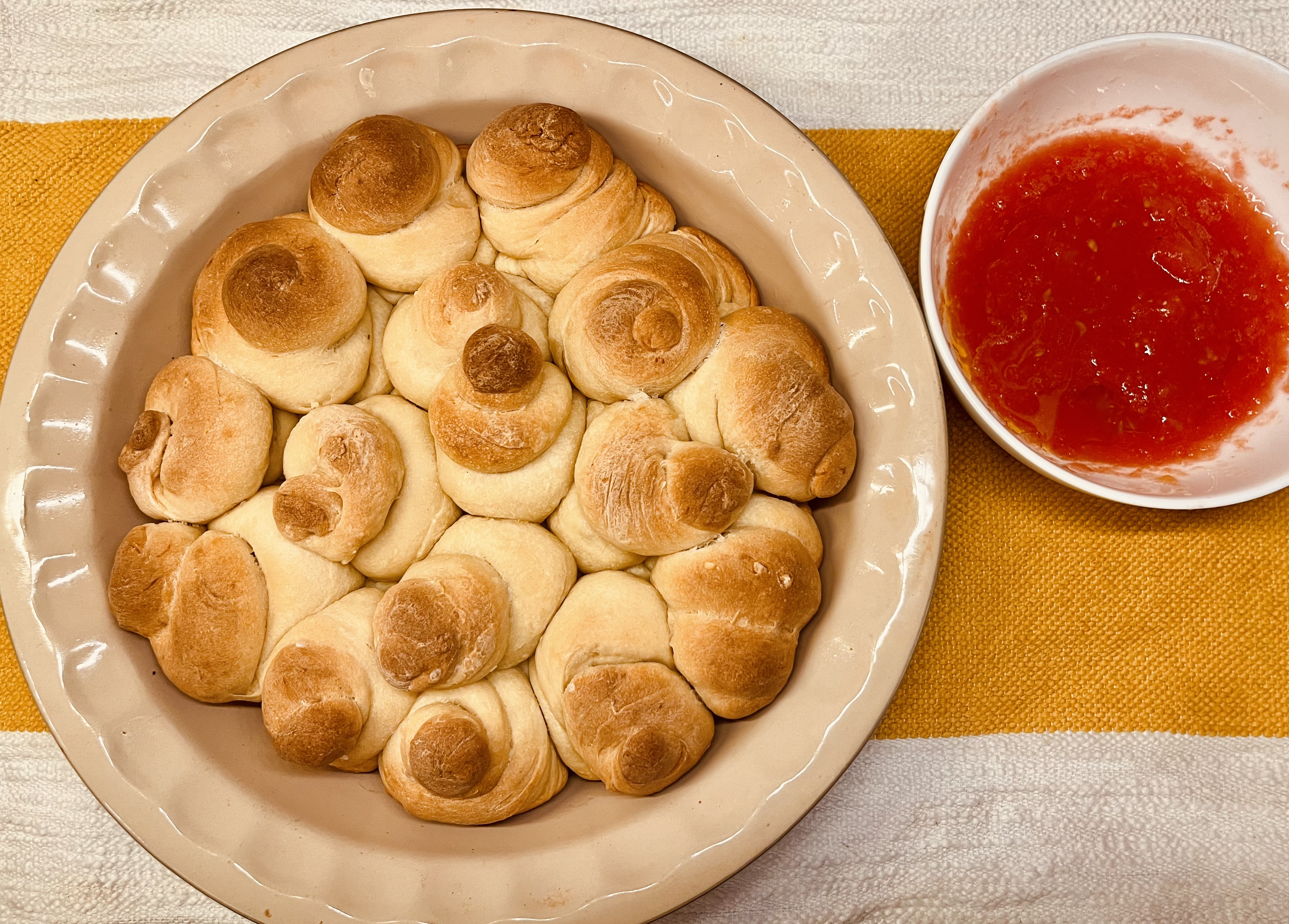
Kubaneh is Jewish Yemeni bread that is eaten both on weekdays and on Shabbat. I humbly veganized this kubaneh recipe by famed Israeli chef Meir Adoni in the New York Times. This recipe speeds up the whole preparation and baking time process (which is to let it rise overnight and/or slow bake over night). And, it worked well. Adapting baked goods with vegan ingredients is usually easy because you mostly you need to swap a binder, fat, and/or liquid and there are plenty of vegan options. For this, I used olive oil instead of butter and carbonated water instead of eggs (yes, this works). The rest of it follows the recipe. It is often served with a side of schug or grated tomatoes and I included the New York Times tomato recipe too. Continue reading

Purim: Queen Esther’s Salad

Queen Esther’s Salad

You might be wondering where the hamantaschen recipe is (scroll to the bottom) or why I’m sharing a bean recipe for Purim. The Queen Esther salad that I created is for a Purim seudah (meal) and is made with many symbolic ingredients. First, according to Gil Marks in Olives and Honey Trees, chickpeas are a traditional Ashkenazi food eaten at Purim (amongst other celebrations). Olives are a symbol of mourning and also commonly eaten in Purim dishes that symbolized Haman (along with eggs and other ingredients like noodles), as explained in Claudia Roden’s, The Book of Jewish Food. Last, there’s a Talmudic teaching that Queen Esther became a vegan, eating just legumes and seeds while she lived in King Achashaverus palace, to ensure she did not eat non kosher foods (another bonus of being vegan :)). I generally sprinkle seeds on my salad, because I like the crunchy texture and contrasting flavors they provide. And, if you’re looking for more delicious (and sweet) Purim recipes, they are at the bottom of the post (including two types of hamantaschen)!  Continue reading

Purim Treat: Vegan Orange, Tahini, Olive Oil Cake

Orange, tahini, olive oil vegan cake

The best thing I bought during the pandemic was a bright yellow Le Creuset loaf pan. The pan is so versatile and I’ve used it to make bread, cakes, truffles and polenta. I love giving people loaves of cake and bread as Covid gifts. And, with Purim starting in a few days, I think that in addition to hamantaschen, loaf cakes would be a delicious addition to mishloach manot this year. Loaf cakes are a simple, unassuming and easy. I also love using tahini and will find any opportunity to use it in a recipe. I adapted this recipe to make this light, moist, not overly sweet cake. Below the recipe I also included links to my other Purim recipes. Continue reading

Nina’s Apple Cake

Nina’s apple cake

This is the story of an apple cake. But not the ingredients or how to make it. It’s the story of its maker—someone who brought warmth and joy to my family’s home for Shabbat meals and holidays and who selflessly cared for so many people (including painstakingly preparing a beloved cake for voracious eaters!) despite a past that was far from sweet.

The baker of the famous apple cake is Nina Merrick, an 89-year-old resident of Silver Spring, Maryland. She and her husband, Leon, have been friends of my family’s ever since I first began to study with her to prepare for my bat mitzvah, a connection that came about thanks to her lifelong commitment to teaching Judaism. Continue reading