Baked Sweet Potato Latkes

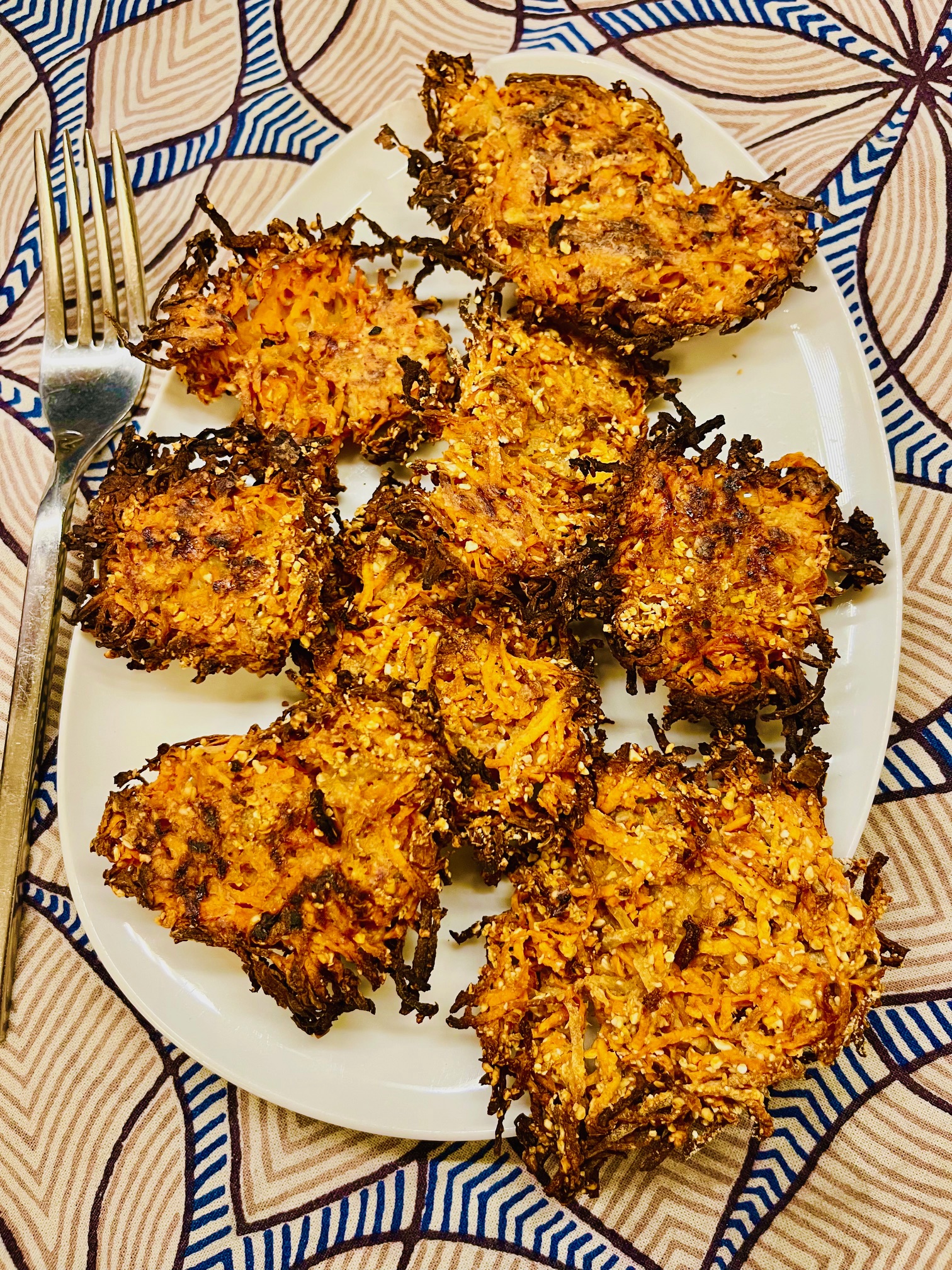
Baked sweet potato latkes

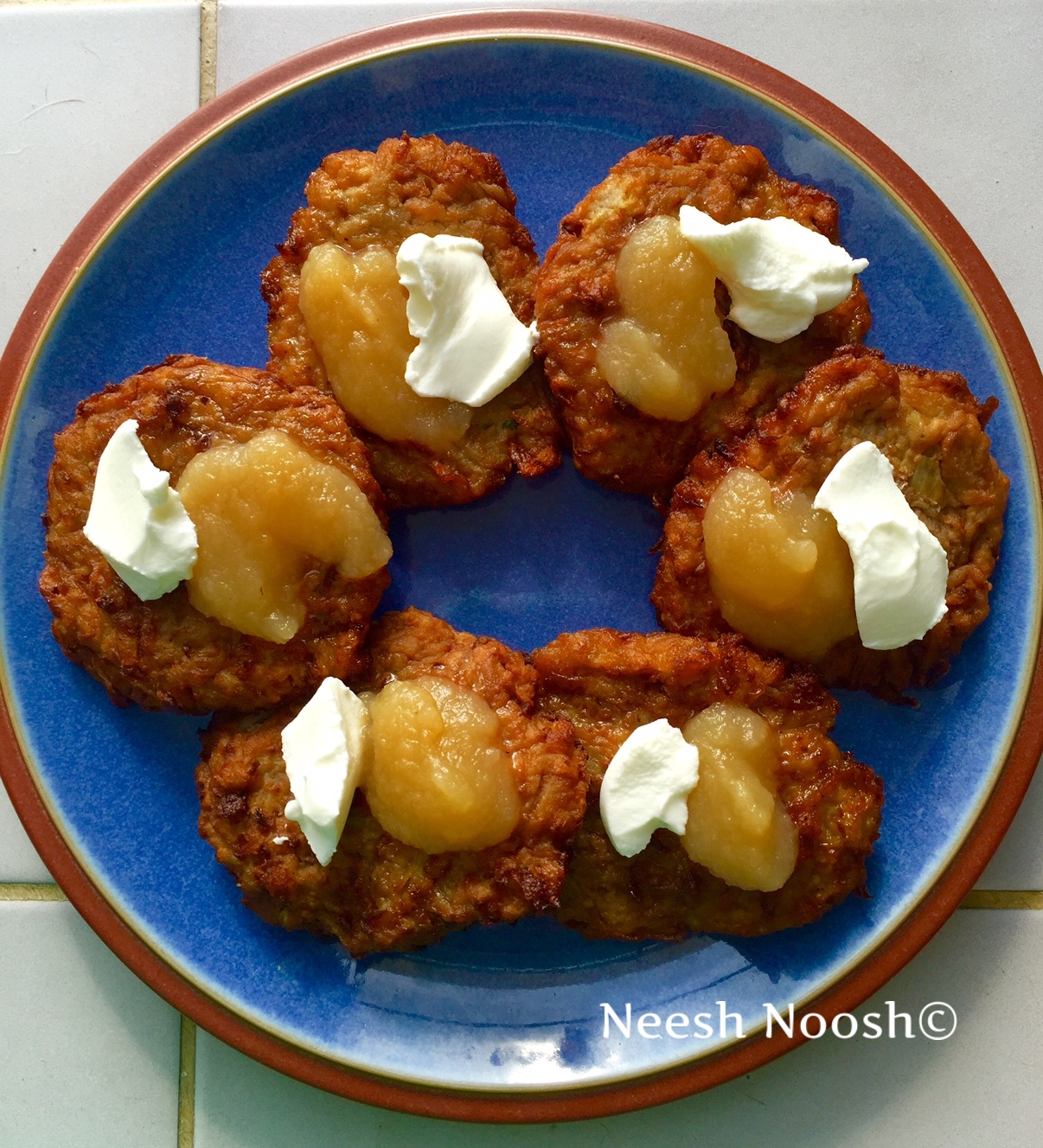
These vegan baked sweet potato latkes look a bit like sea urchins, vibrantly colored with spiky extensions. But, they are gentle to the tongue and delicious. The key to making these vegan was using aquafaba instead of eggs. Aquafaba is simply the leftover juice from chickpeas and is a versatile binder in baking and cooking. The sweet potatoes don’t have as much starch as regular potatoes, so I added a bit of one along with some matzah meal. In comparison to these baked ones, I made a few that I fried in a skillet filled with canola oil. They didn’t hold their form as well and were soggy with oil. I also appreciate that the baked latkes were all ready at once, as opposed to when fried, there are slowly batches of them that are ready to eat (and someone always left in the kitchen cooking more!). Add a dollop of vegan sour cream or applesauce (try my chai tea spiced apple sauce), as a delicious topping to these latkes. Continue reading

Chanukah: Lemon Olive Oil Cake

Lemon Olive Oil Cake

I know that cake is not an obvious Chanukah recipe, but I believe that anything with a generous use of olive oil is appropriate for the holiday. This vegan recipe that I found makes a fluffy, delicate cake. I significantly reduced the amount of sugar it called for, so it’s a mild, almost savory cake because of the lemon and olive oil. If you like strong olive oil flavor, I suggest using a strong olive oil in the batter and/or serving it with a drizzle of flavorful olive oil on top (though I know this is not for everyone). If you prefer a more muted olive oil flavor, add more sugar and use a mild flavored olive oil in the batter. Scroll below for more of my previous Chanukah recipes including awame, chai spiced apple sauce, and infused olive oils for dipping.

Continue reading

Awame

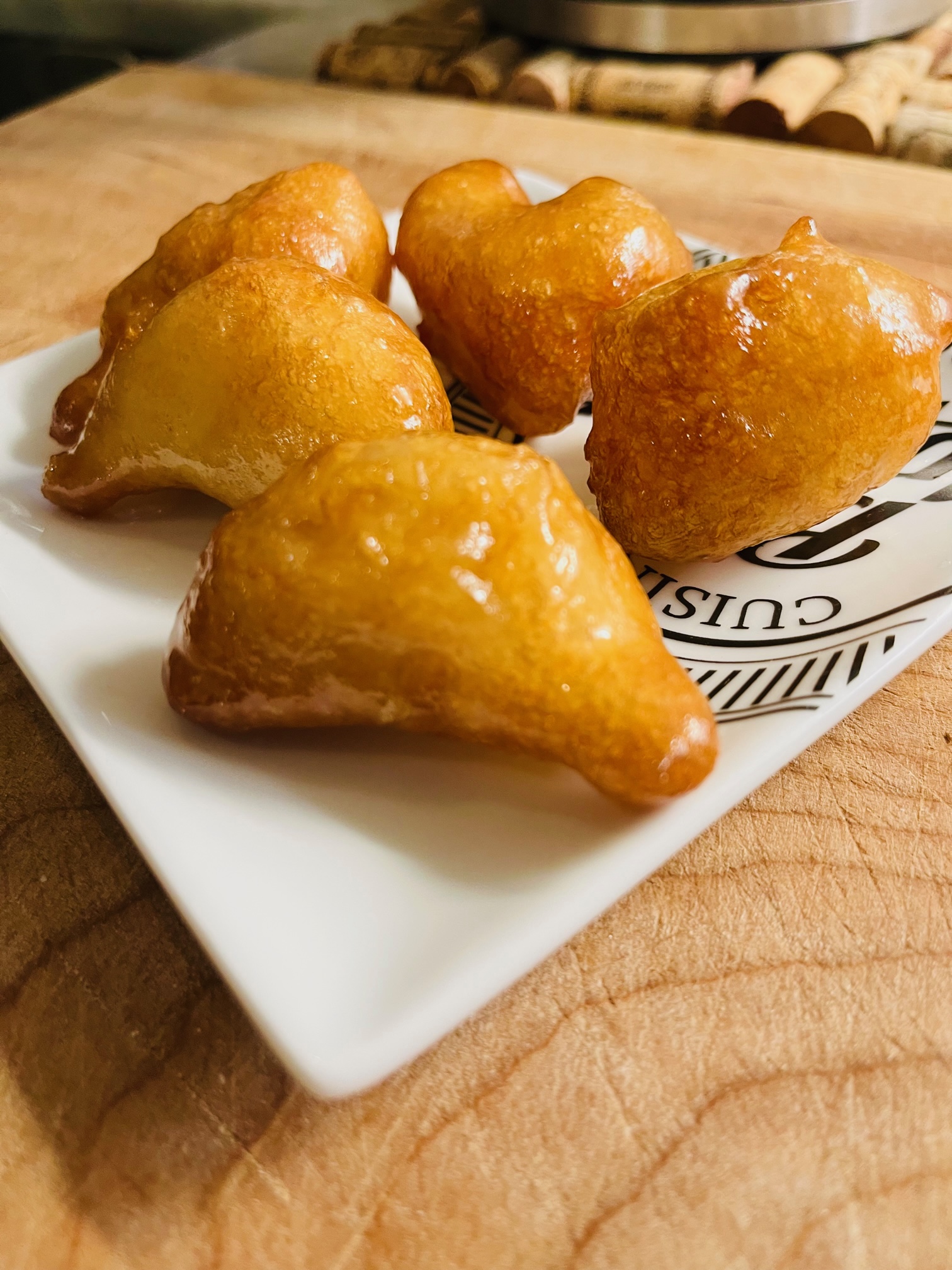
Awame

Awame (also called awamat) is a Syrian and Lebanese dessert that is often eaten during Chanukah. It’s akin to a Chanukah sufganiyot (donuts) but instead of stuffed with jam, they are lightly fried in oil and soaked in orange blossom water infused syrup. Though they are fried in oil, they’re light and not dripping in oil. They leave a delicious sweet stickiness on your fingers. For more of my Chanukah recipes, scroll to the bottom of the post. Chanukah Sameach! Continue reading

Chai Tea Spiced Apple Sauce

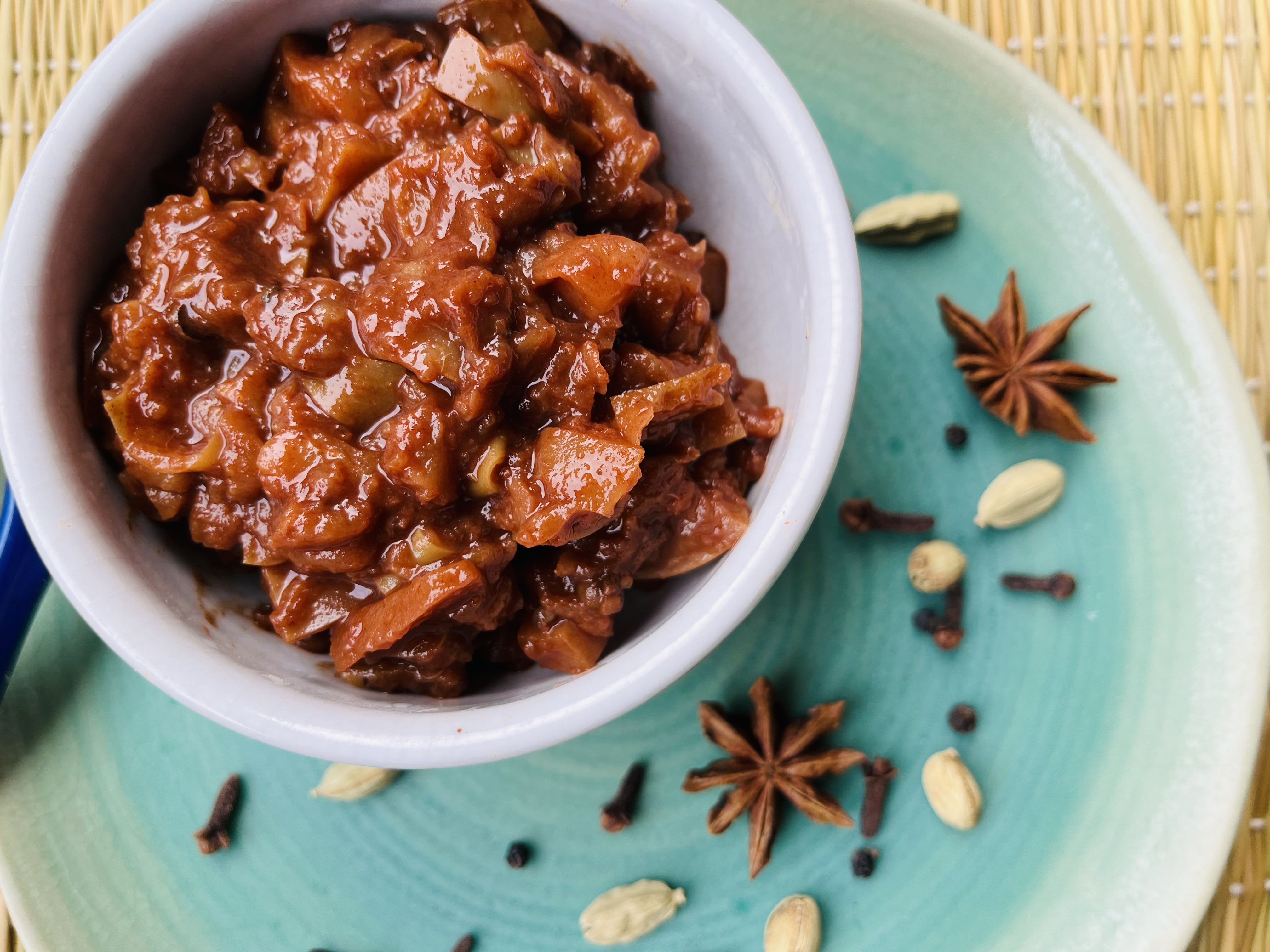
I love grabbing a latke the moment it is taken from a pan, the oil dripping, the crackling sound of the fried potato, and to pour a large dollop of cold apple sauce on top. I love the hot/cold, sweet/savory combination of the two. I decided to make an applesauce this year that would be a bit more complex in flavors than my usual basic sauce. I think it complements rather than overwhelm or contrast with latkes. Apple sauce is so simple to make and since it’s apple season, it’s fun to make it with a range of different ones. The variation in texture and tartness makes a seemingly basic dish more interesting. The spices I used are the same as those in chai tea. If you’re not familiar with chai tea it’s actually a redundant name for tea and is just called “chai” in India. While the English spelling seemingly is a nice double entrendre to the word for life in Hebrew, the ch is not pronounced gutturally but as “ch-eye” and simply means tea. It’s a milky black tea infused with lots of spices and is and drunk by everyone everywhere (often on the go in little clay cups).  Continue reading

Tevet: Eyes

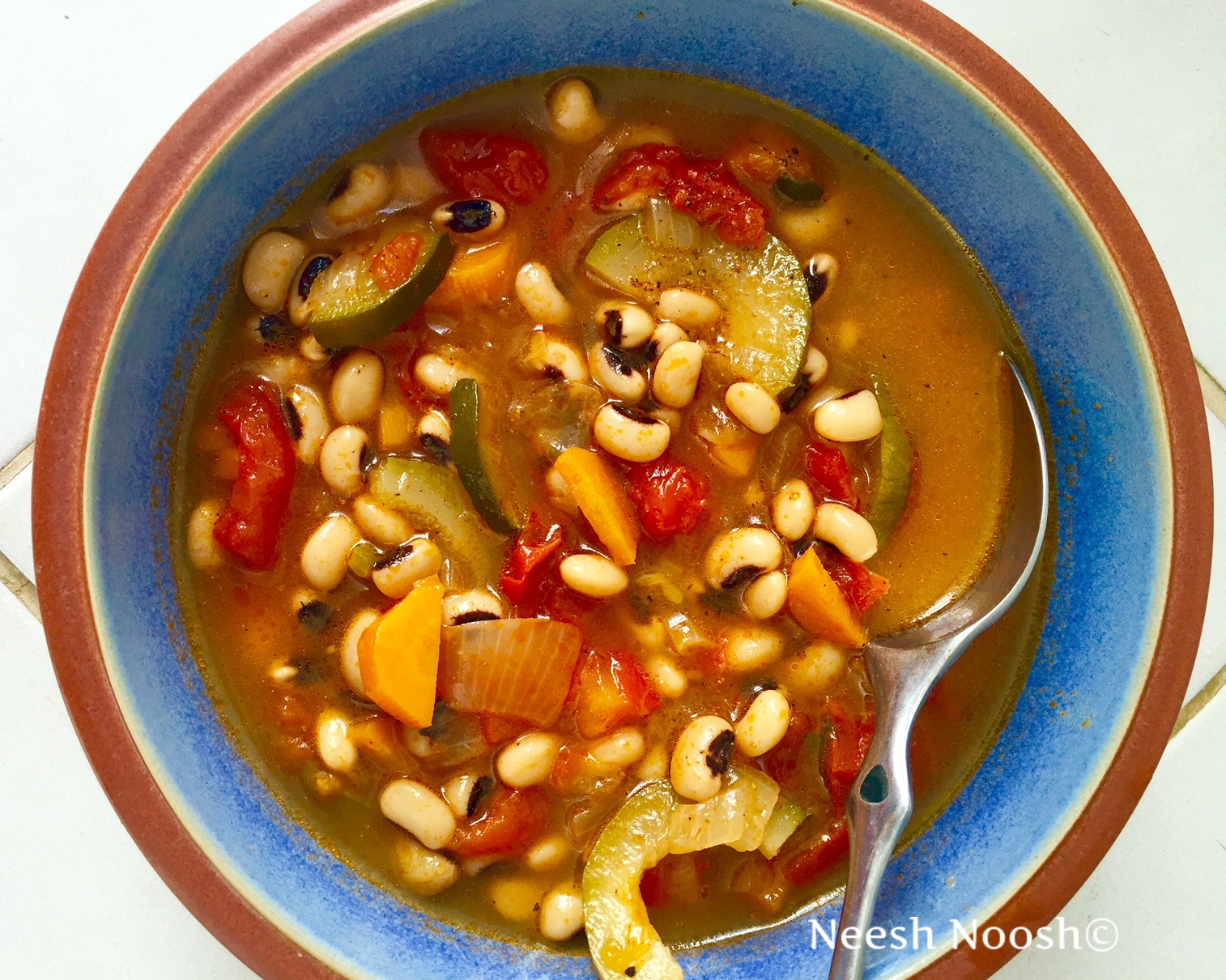
Tevet: Black Eyed Pea Soup

Tevet: Black Eyed Pea Soup

The letter of Tevet is “ayin” which also means eye. “The month of Tevet is the month of the rectification and nullification of the ‘evil eye.’ The word Tevet itself comes from tov, “good,” referring to tov ayin, ‘the goodly eye.'” Indeed, celebrating the remaining days of Chanukah during the beginning of Tevet is an opportunity to see good in the world, as revealed in the burning of the holiday’s candles. “We need the power of the light of Chanukah, especially the light of the last day of Chanukah. . . to help us rectify the “Evil Eye” and to reveal the good (Tov – Tevet) in whatever exists.”

Continue reading

Chanukah Round Up

FullSizeRender(228)(1)Chanukah Sameach! I hope you enjoy 8 nights of lighting candles, munching on latkes, spinning dreidels, and more. I want to share with you some new and old Chanukah posts:

8 Easy Tips for an Environmentally Friendly Hanukkah (Haaretz)

Latkes and Chanukah for London’s Borough Market

8 Infused Olive Oils (Jewish Journal)

8 Ways to Make Your Chanukah More Sustainable

Oily, Salty Salad for the Month of Kislev

Soup for Tevet

Kislev: Rainbows, Oil and Salt

Kislev: Oil and Salt Rainbow Salad

Kislev: Oil and Salt Rainbow Salad

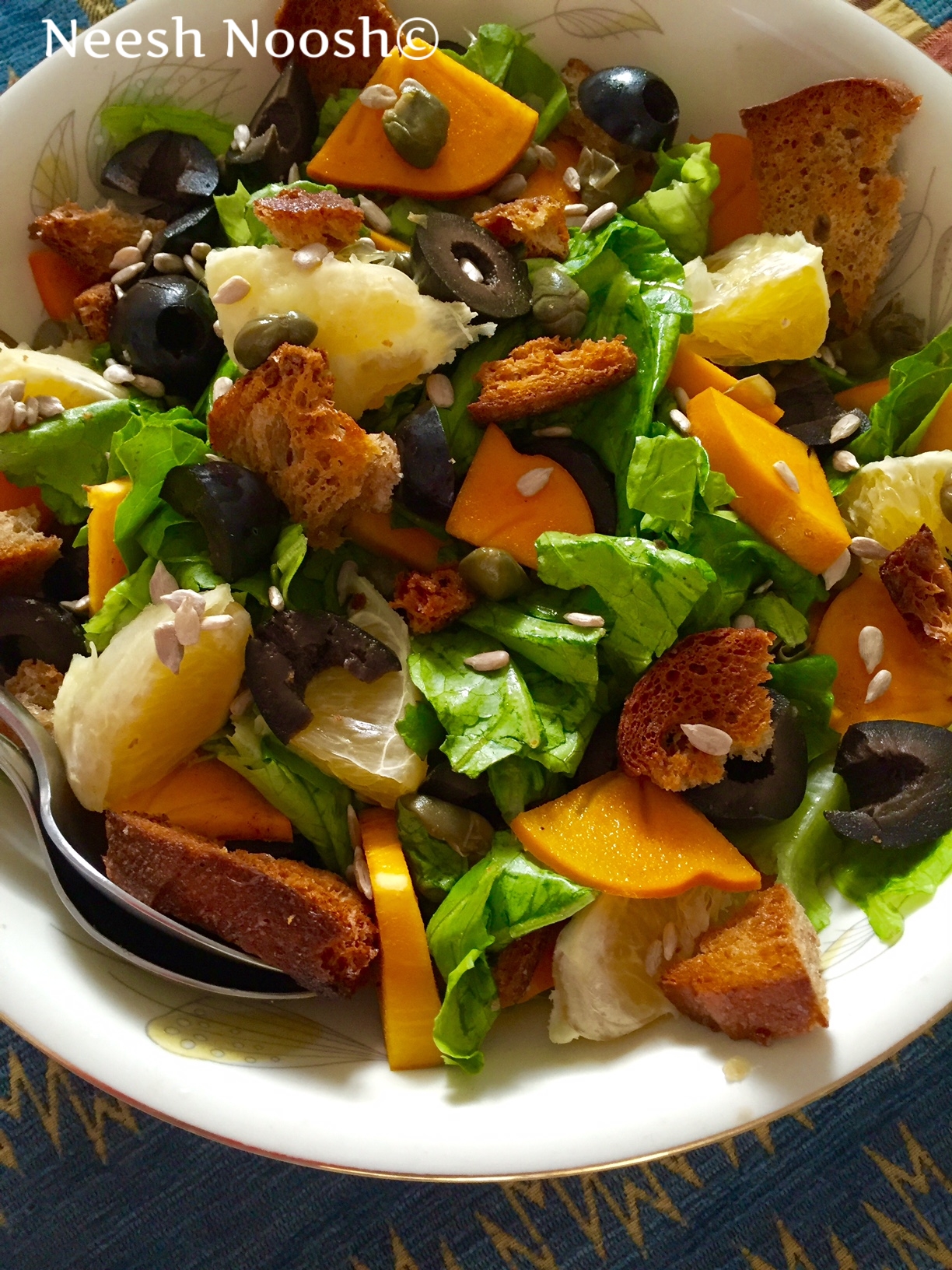
During the month of Kislev, which begins later this week, we celebrate Chanukah. The most obvious food of this holiday and month is oil, the miracle ingredient.  During Chanukah, some women recite the story of Judith, a heroine who used salt as a weapon. “Legend has it that Judith fed the enemy general Holofernes salty foods to make him thirsty for wine. As he lay in a drunken stupor she was able to slay him, thus saving Jerusalem from siege.”

A symbol of Kislev is keshet (rainbow). During Kislev, when the flood waters receded, a rainbow appeared in the sky and God told Noah, “I will keep my covenant with you and your descendants…and never again will a flood destroy all life. . . . I have put my rainbow in the clouds, and it will be the sign of the covenant between Myself and the world. “

Continue reading

Chanukah: Oil, the bad and the sweet-smelling good of it

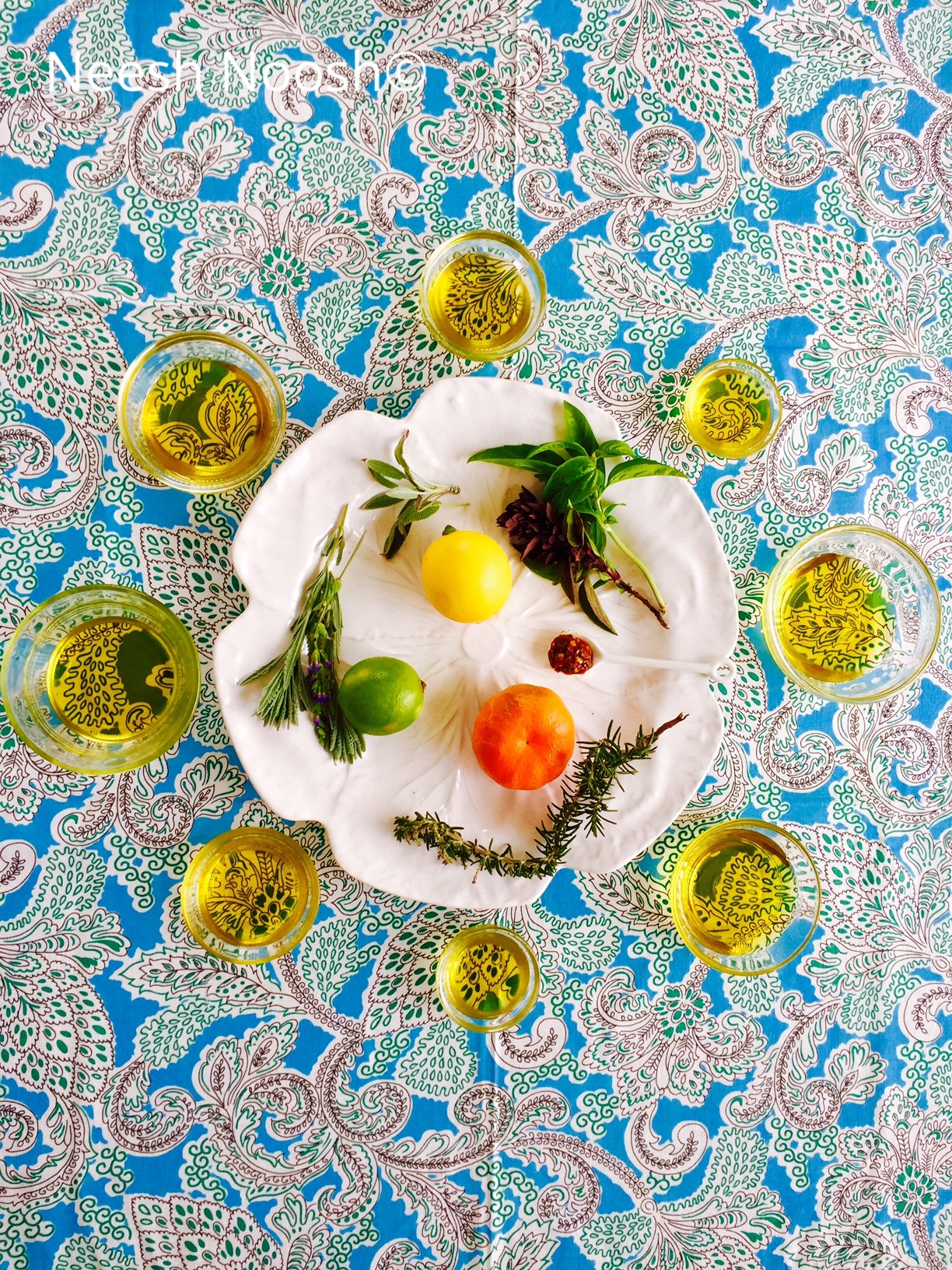
Chanukah infused oil ingredients

Chanukah infused oils’ ingredients

This was originally printed in the Jewish Journal.

Chanukah is a holiday where we consume lots of oil-drenched foods. But beyond these dishes, what is the connection between oil? Actually, a lot, and it has to do with our agricultural system.

We till the same soils through which God breathed Adam into existence. Our water is a finite source that operates in cycles; we drink much of the water that was consumed by the Maccabees. Protecting these precious soils and water sources is integral to our stewardship of our agricultural lands and our existence.

In the 12,000 years of agriculture, the most significant changes have occurred in the past century. We live in an era of agricultural assimilation, which pushes for uniformity in growing practices and types of crops grown. And, at the heart of much of these “big ag” forces is “big oil.” Unlike the sacred olive oil used at Chanukah, there’s nothing sacred about fossil fuels in agriculture. Continue reading

8 Ways to Make Your Chanukah More Sustainable

From foods to gifts, there’s many ways to add sustainable practices to your Chanukah celebrations. Please share your ideas in the comments section at the bottom!

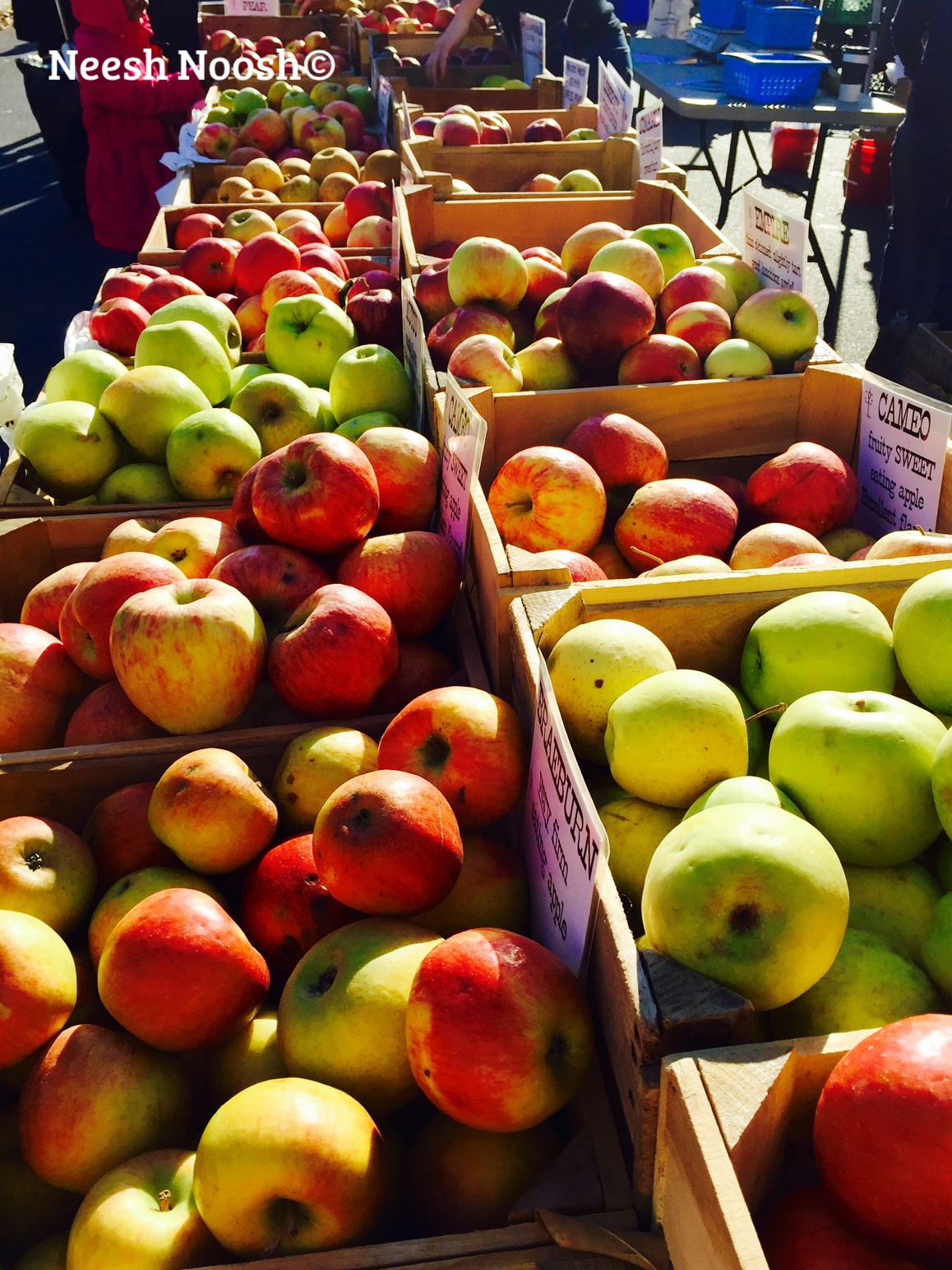
Black Rock Orchard. DuPont Circle Farmers Market. Washington, DC

Black Rock Orchard. DuPont Circle Farmers Market. Washington, DC

1. Organic apples and potatoes
Apples and potatoes are ranked #1 and #12, respectively, on Environmental Working Group’s “Dirty Dozen” list of produce with the highest levels of pesticide residue. Take pesticides out of Chanukah and prepare your latkes and applesauce with safer, healthier and tastier organic apples and potatoes.

2. Wooden dreidels
Plastic is forever and we are literally drowning in it. The Great Pacific Garbage Patch is a massive floating vortex, comprised mostly of plastic, that stretches from the West Coast of the US to Japan.  It doesn’t need more spinning plastic dreidles!

3. Fair Trade gelt
More than half the world’s cocoa is grown in the Ivory Coast where children are forced to work on farms without pay or safe conditions. Go guilt-free gelt, instead! Choose kosher certified gelt, produced only by adults at a democratically-run fair trade cooperative in Ghana. Continue reading