Charleston Speckled Lima Bean Coconut Soup


Coconut Speckled Lima Bean Soup

Coconut Speckled Lima Bean Soup

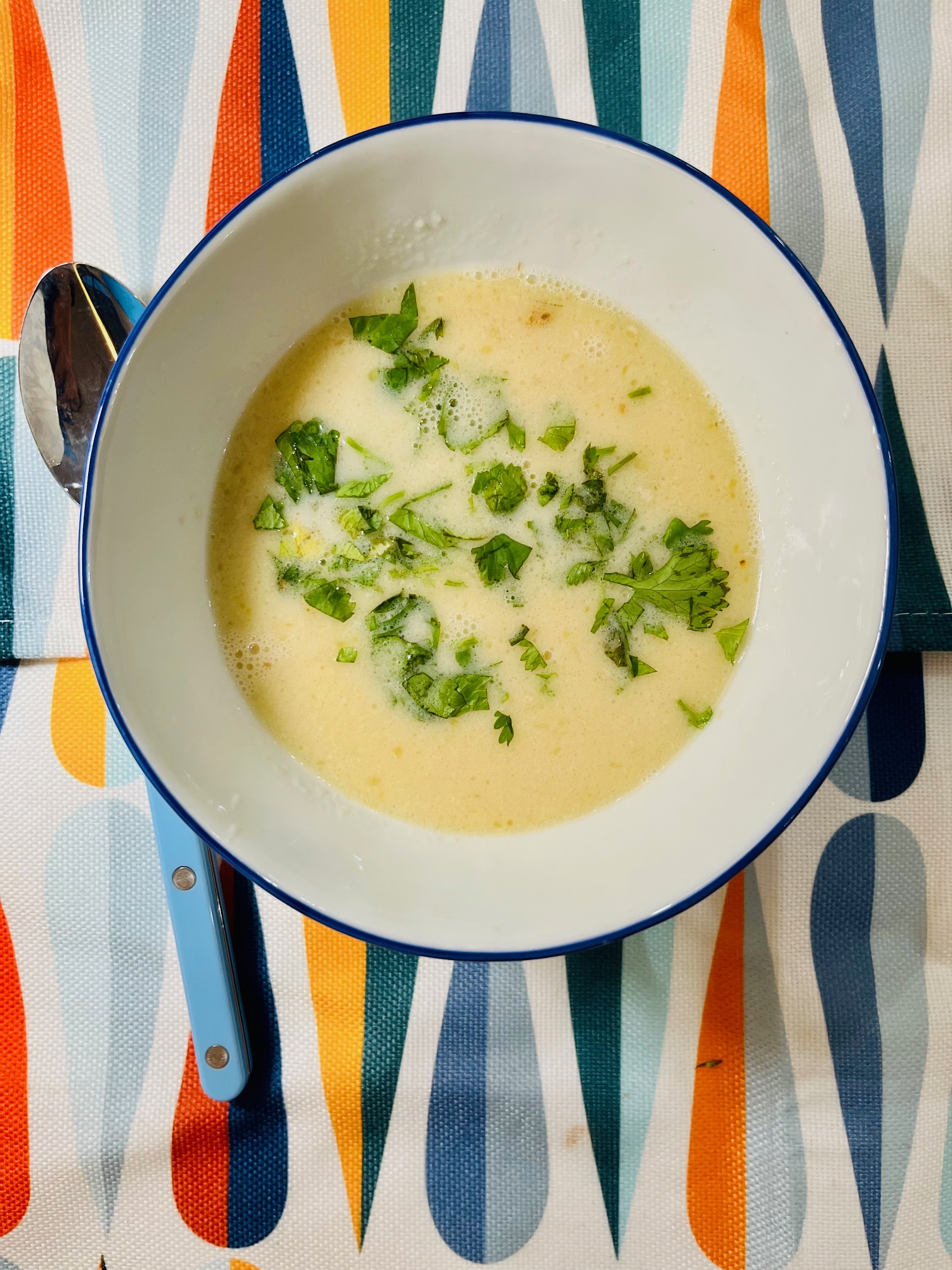
I spent time recently in Charleston, a small coastal city that happens to have the oldest synagogue in continuous use in the US. It’s called Kahal Kadosh Beth Elohim and it was founded in1749.  It has a grand, columned exterior and the interior’s high ceilings, stained glass windows and rounded wooden ark make it all feel very formal and prominent. While much of Charleston’s foodie scene wasn’t for me (lots of non vegan food), I did visit a local farmers market and met someone selling beans. I grabbed a bag of speckled lima beans and created this recipe. The weather has been a mix of warmth (hence the coconut and spices) but also several cold snaps (thus a soup). Continue reading
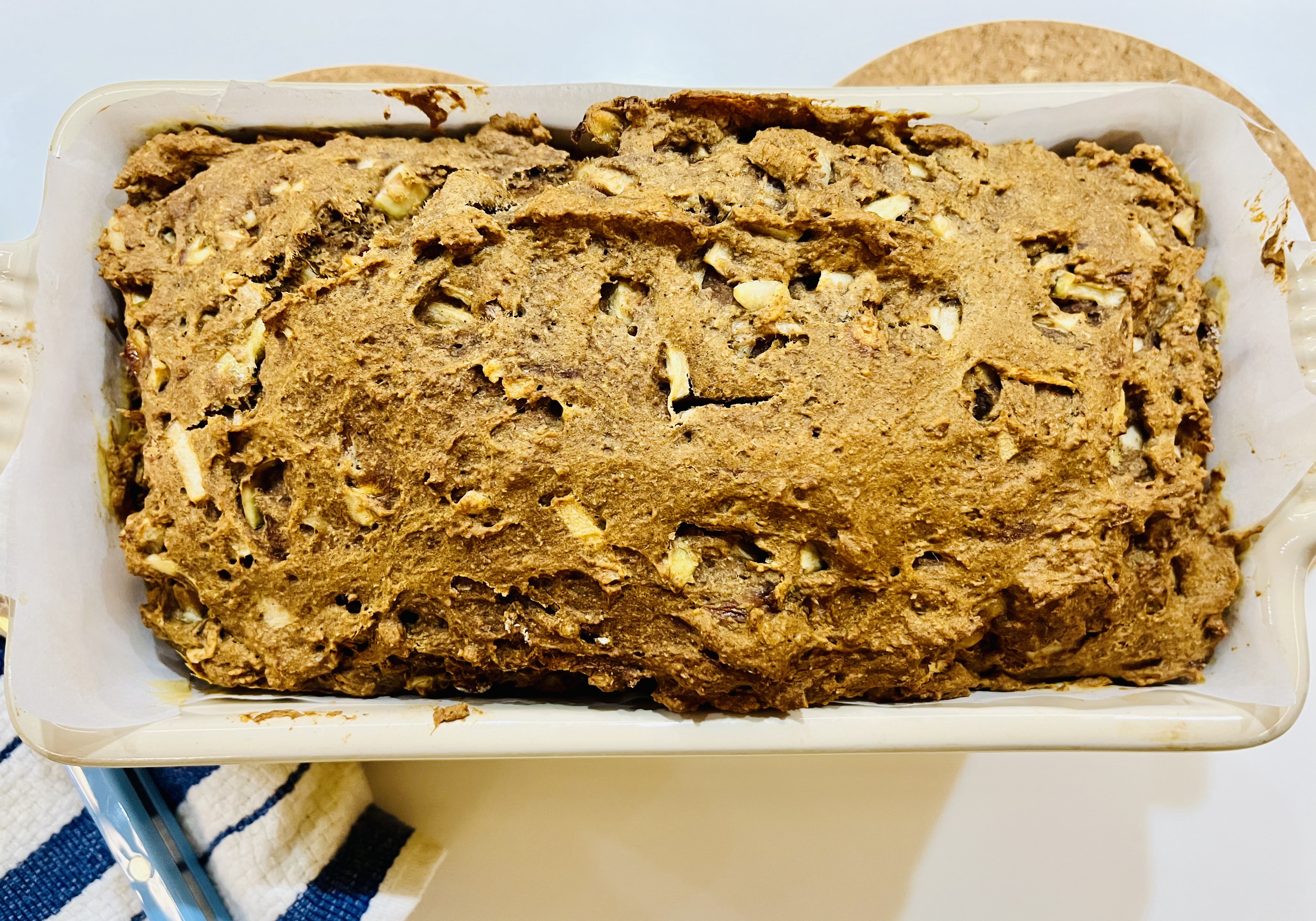
Sukkot: Apple, Pear, Banana (no sugar) Vegan Loaf

Pear, Apple, Banana Loaf

I wanted to make something for Sukkot that incorporated Fall fruits without being complicated or unhealthy but is still delicious. While the description might make it sound really bland and dull, this sugar-free, mostly whole wheat fruit loaf hits the mark. Without any sugar, it’s pretty mild but is naturally sweetened by all of the fruit. And, the whole wheat gives it a slightly heartier, denser consistency. And, there’s a sprinkling of pine nuts which add a nice bite. If you are looking for a bit more sweetness, then add some maple syrup to the batter. At the bottom you can access my other Sukkot recipes including a stew, stuffed eggplants, and stuffed spaghetti squash. Continue reading

Passover Treat: Charoset Deconstructed

Charoset Deconstructed

Charoset Deconstructed is a great Passover treat for breakfast, snack or dessert. I have been making this a lot lately and is a delicious way to pile on charoset ingredients that makes for a delicious and beautiful presentation.  Outside of Passover, this is also called Apple Nachos and are eaten as such–your hands might get a bit sticky and it might be a bit messy. You could definitely try eating the mix with pieces of matzah for a heartier dish. I used many common charoset ingredients but if you want to venture further from Passover ingredients, try adding other ingredients such as strawberry slices, raspberries, pistachios or coconut, Scroll to the bottom to see an “alternative” non-holiday recipe. Continue reading

Tu B’Shevat: Pear and Pomegranate Galette

Pear and Pomegranate Galette

This recipe for Tu B’Shevat–the Jewish New Year of Trees–includes lots of edibles from trees including pears, pomegranate, cinnamon, cardamom and cloves. All of these tree fruits and spices plus only a small amount of sugar make for a delicate though very flavorful dessert that is perfect for a Tu B’Shevat seder. I used a mix of pears which I recommend for a variation in colors and tastes. You could also use mix in other fruits like persimmons and apples. I also cut down the preparation time significantly by using a pre-made vegan pie dough. Scroll below the recipe for more of my Tu B’Shevat recipes.

Continue reading

Vegan Kubaneh

Vegan Kubaneh

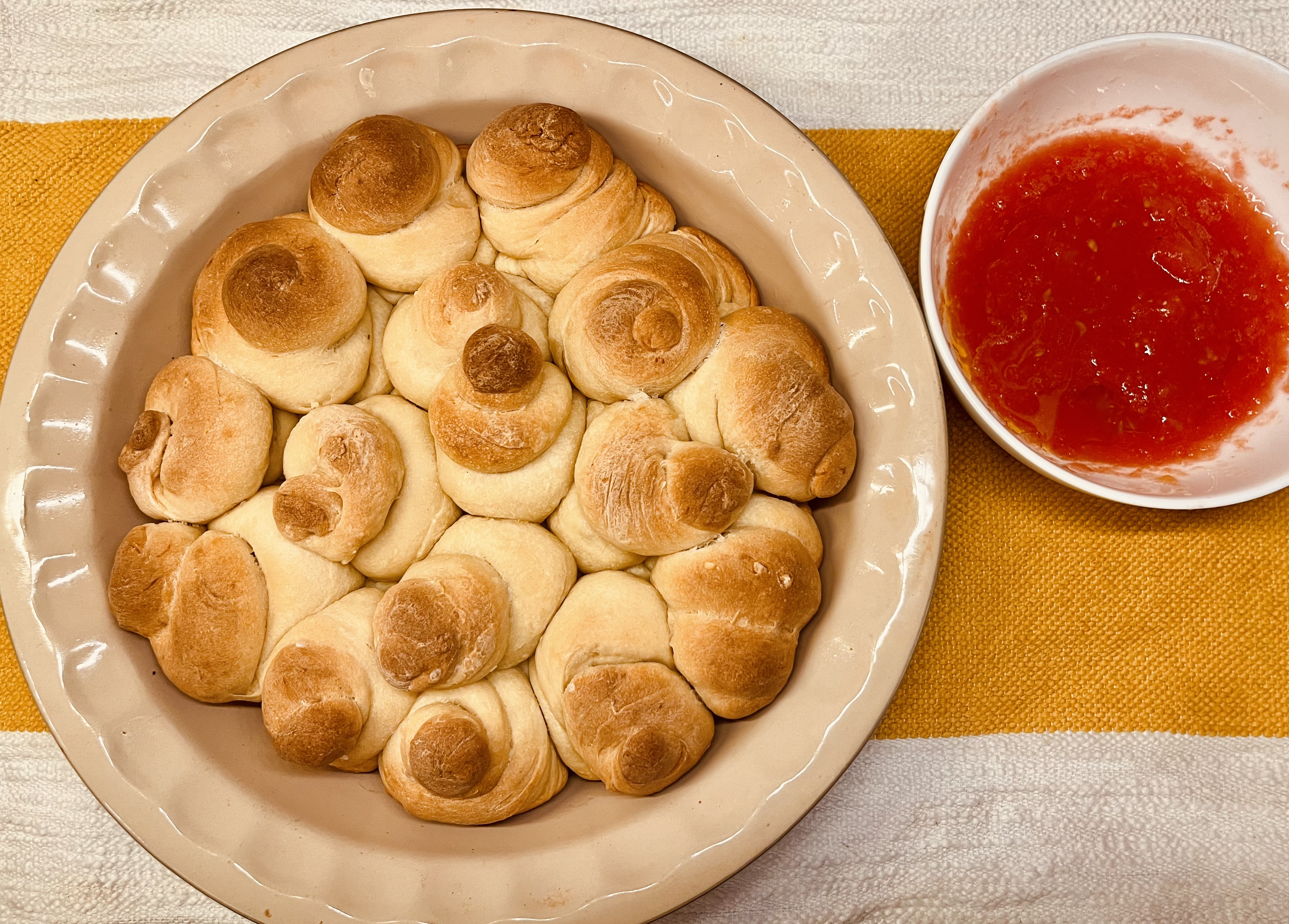
Kubaneh is Jewish Yemeni bread that is eaten both on weekdays and on Shabbat. I humbly veganized this kubaneh recipe by famed Israeli chef Meir Adoni in the New York Times. This recipe speeds up the whole preparation and baking time process (which is to let it rise overnight and/or slow bake over night). And, it worked well. Adapting baked goods with vegan ingredients is usually easy because you mostly you need to swap a binder, fat, and/or liquid and there are plenty of vegan options. For this, I used olive oil instead of butter and carbonated water instead of eggs (yes, this works). The rest of it follows the recipe. It is often served with a side of schug or grated tomatoes and I included the New York Times tomato recipe too. Continue reading

Baked Sweet Potato Latkes

Baked sweet potato latkes

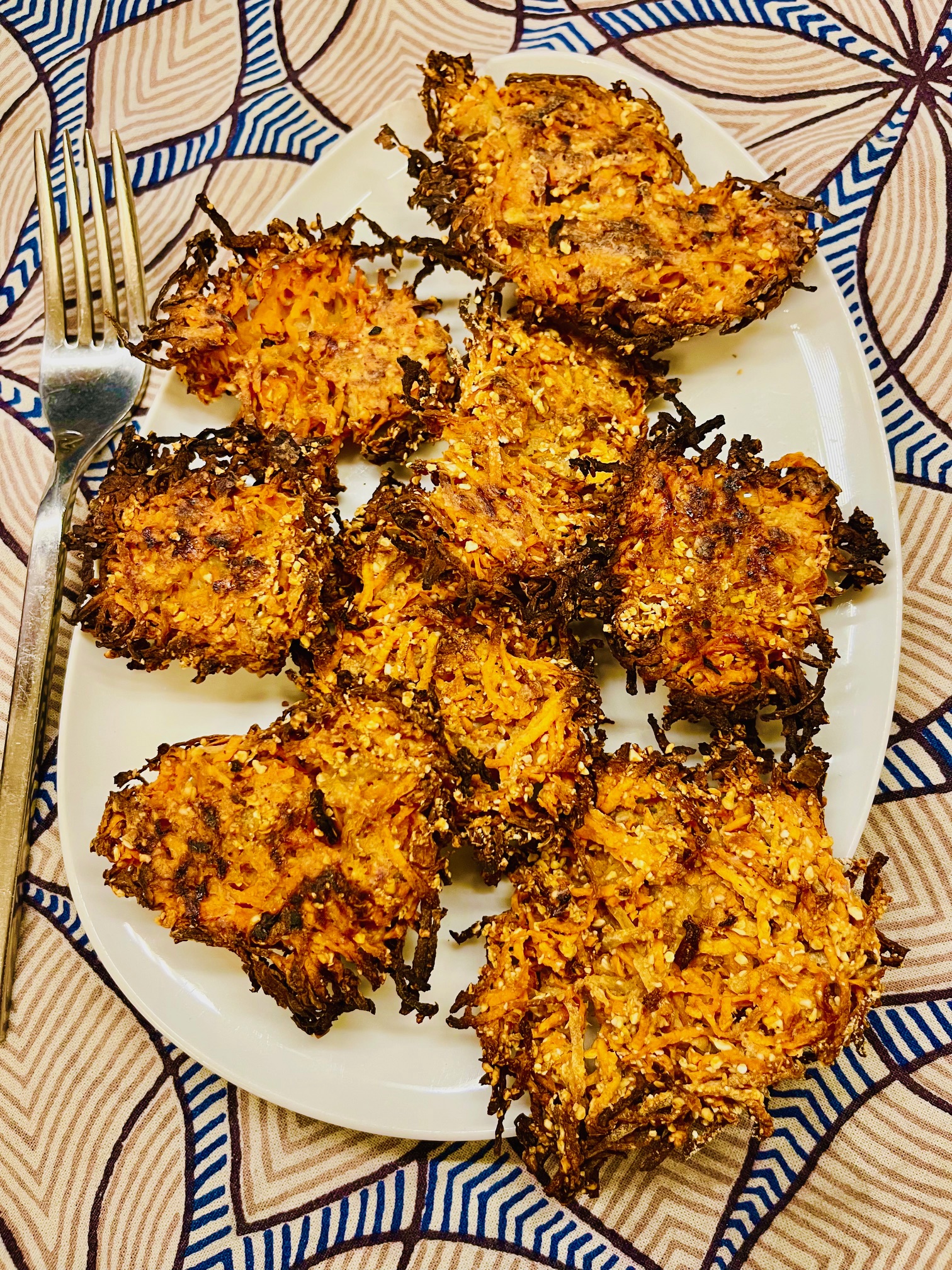
These vegan baked sweet potato latkes look a bit like sea urchins, vibrantly colored with spiky extensions. But, they are gentle to the tongue and delicious. The key to making these vegan was using aquafaba instead of eggs. Aquafaba is simply the leftover juice from chickpeas and is a versatile binder in baking and cooking. The sweet potatoes don’t have as much starch as regular potatoes, so I added a bit of one along with some matzah meal. In comparison to these baked ones, I made a few that I fried in a skillet filled with canola oil. They didn’t hold their form as well and were soggy with oil. I also appreciate that the baked latkes were all ready at once, as opposed to when fried, there are slowly batches of them that are ready to eat (and someone always left in the kitchen cooking more!). Add a dollop of vegan sour cream or applesauce (try my chai tea spiced apple sauce), as a delicious topping to these latkes. Continue reading

Chanukah: Lemon Olive Oil Cake

Lemon Olive Oil Cake

I know that cake is not an obvious Chanukah recipe, but I believe that anything with a generous use of olive oil is appropriate for the holiday. This vegan recipe that I found makes a fluffy, delicate cake. I significantly reduced the amount of sugar it called for, so it’s a mild, almost savory cake because of the lemon and olive oil. If you like strong olive oil flavor, I suggest using a strong olive oil in the batter and/or serving it with a drizzle of flavorful olive oil on top (though I know this is not for everyone). If you prefer a more muted olive oil flavor, add more sugar and use a mild flavored olive oil in the batter. Scroll below for more of my previous Chanukah recipes including awame, chai spiced apple sauce, and infused olive oils for dipping.

Continue reading

Kabocha Squash and Lentils Sukkot Stew

Kabocha Squash and Lentil Stew

Suddenly, like a light switch turned off, summer is gone. The humidity, mosquitoes, long daylight are a memory that I still long to experience because I am not a cold weather person. But, amidst the increasing darkness and cold that is ushering in Sukkot, I seek warm, nourishing foods. Sukkot is one of my favorite holidays because it’s celebrated outside, deepens our connection with nature and celebrates fall produce. This stew that I created uses some of my favorite ingredients, including kabocha squash and carrots. It’s hearty and can be a full meal on its own. Or, serve it over quinoa or rice. Scroll to the bottom for more of my other Sukkot recipes. Continue reading

Rosh Hashana: Mangold Patties

Mangold patties

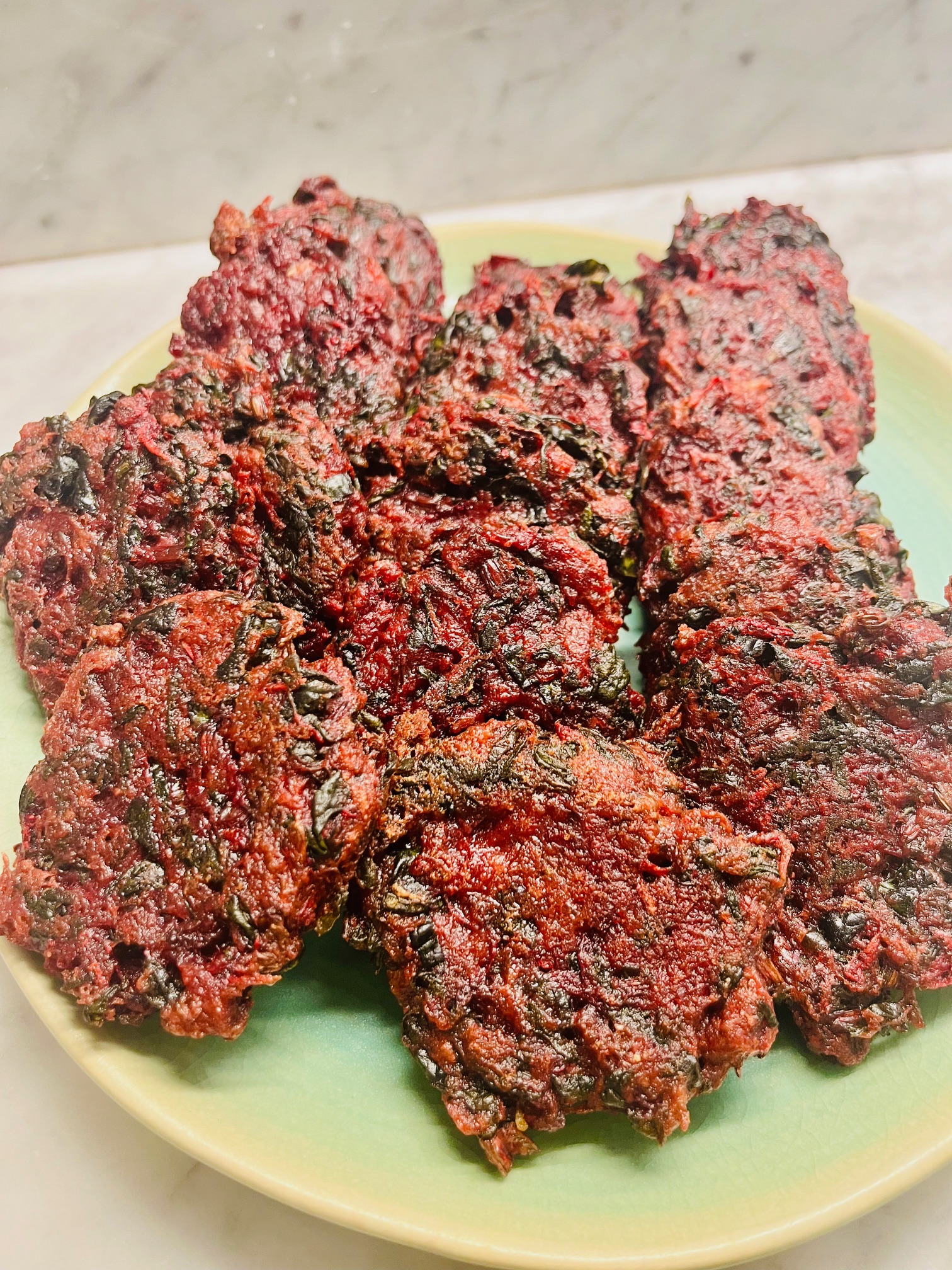
These mangold patties are vegan variation on a traditional Sephardic Rosh Hashana recipe. Mangold is beets in Arabic. The main ingredient is beets-both the greens and the root, mixed with a bit of potato, kale, onion and spiced with baharat. It’s a very versatile dish that can be an appetizer or a main side. Beets are commonly eaten on Rosh Hashana because in Hebrew they are called “selek” which means to remove with the intention that our enemies will be removed in the new year. Scroll below for more of my Rosh Hashana recipes with other symbolic ingredients including apple cake, beet carpaccio, apple galette and black eyed peas. Shana Tova u’Metukah! Continue reading

Pesach: Roasted Beets and Beet Tahini

Roasted beets and beet tahini

Instead of a shank bone, many people now replace it with a roasted beet on their seder plate (z’roa) as a representation of the pascal lamb, for a veg based meal. Inspired by this custom, I decided to prepare a roasted beet dish. I used red beets but you could use golden or an assortment. I love the versatility of beets-raw, roasted, liquified, and more.   This one is a combination of roasted beets as well as tahini with roasted beets. Added bonus are the chives I clipped from my sister’s garden to sprinkle on top. Scroll below for the recipe plus my other previous Pesach recipes including karpras salad and olive oil chocolate cake. And, click here to learn about leaving an empty seat at your seder table for a hostage. Continue reading