Chanukah: Lemon Olive Oil Cake

Lemon Olive Oil Cake

I know that cake is not an obvious Chanukah recipe, but I believe that anything with a generous use of olive oil is appropriate for the holiday. This vegan recipe that I found makes a fluffy, delicate cake. I significantly reduced the amount of sugar it called for, so it’s a mild, almost savory cake because of the lemon and olive oil. If you like strong olive oil flavor, I suggest using a strong olive oil in the batter and/or serving it with a drizzle of flavorful olive oil on top (though I know this is not for everyone). If you prefer a more muted olive oil flavor, add more sugar and use a mild flavored olive oil in the batter. Scroll below for more of my previous Chanukah recipes including awame, chai spiced apple sauce, and infused olive oils for dipping.

Continue reading

Kabocha Squash and Lentils Sukkot Stew

Kabocha Squash and Lentil Stew

Suddenly, like a light switch turned off, summer is gone. The humidity, mosquitoes, long daylight are a memory that I still long to experience because I am not a cold weather person. But, amidst the increasing darkness and cold that is ushering in Sukkot, I seek warm, nourishing foods. Sukkot is one of my favorite holidays because it’s celebrated outside, deepens our connection with nature and celebrates fall produce. This stew that I created uses some of my favorite ingredients, including kabocha squash and carrots. It’s hearty and can be a full meal on its own. Or, serve it over quinoa or rice. Scroll to the bottom for more of my other Sukkot recipes. Continue reading

Shavuot: Vegan Chia Pudding

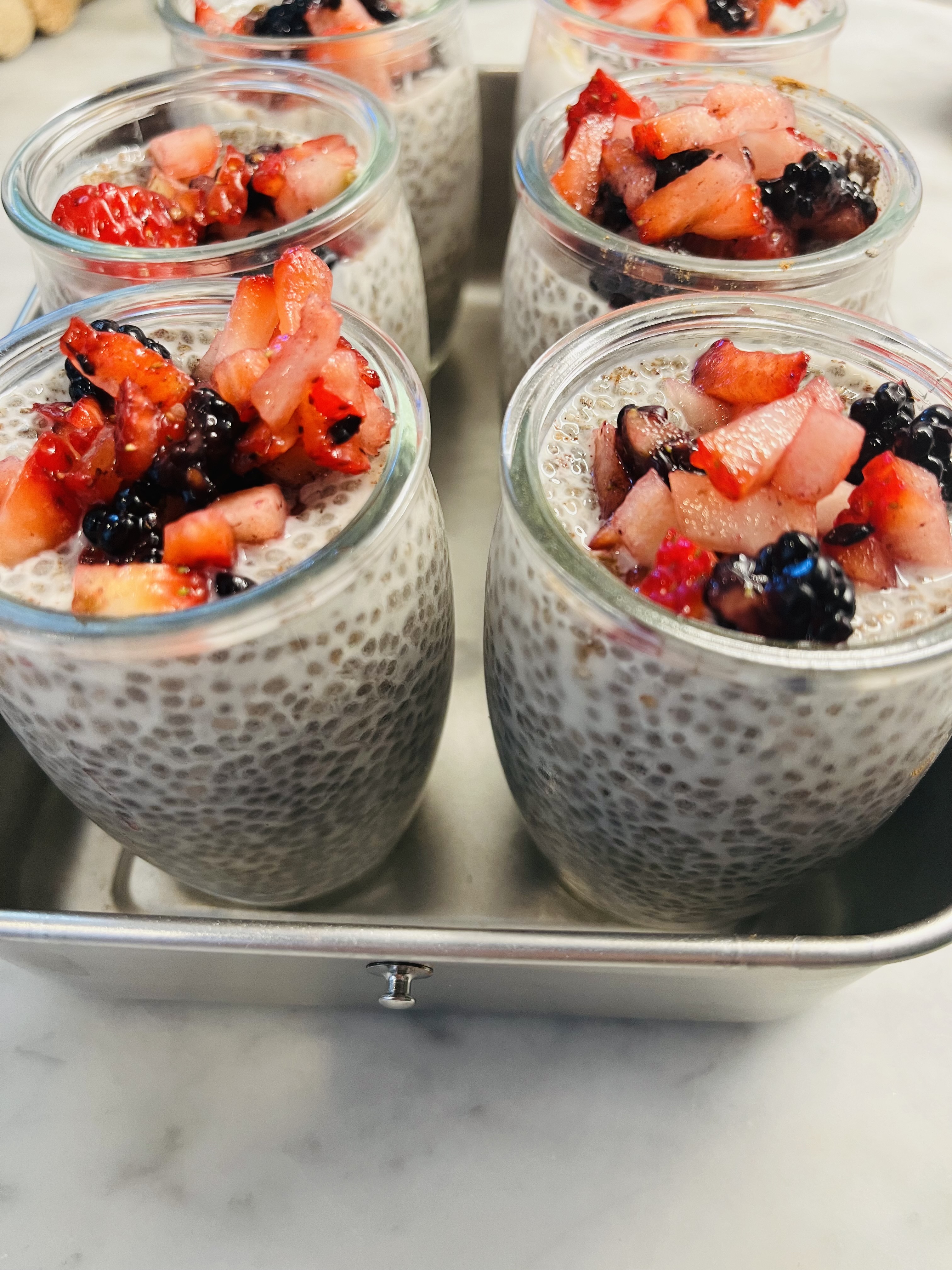
Opting out of Shavuot recipes made with milks from animals, doesn’t mean you’re missing out on delicious, creamy desserts. As Jews, a group of people that are disproportionately lactose intolerant, along with a plethora of Jewish teachings about supporting animal welfare, it makes sense to me to opt for delicious, healthy, and humane Shavuot recipes that are dairy-free (added bonus: they’re easy!). As the holiday that celebrates the giving of the Torah, it is befitting that it begins in Genesis 1:29 with the ultimate declaration for way of eating deeply connected with the land. “And God said: ‘Behold, I have given you every herb yielding seed which is on the face of all the earth, and every tree, in which is the fruit of a tree yielding seed – to you it shall be for food.'”

Ironically, the dairy humans eat is from cows, goats, who are plant-based animals. We can have enough nutritional sustenance through a plant-based diet while also enabling these animals to not spend their lives solely producing milk for our benefit. There’s lots of easy ways to insert plant-based dairy into recipes (e.g. swap out cow milk for almond milk in a cake recipe, try vegan yogurt in your smoothie, or use olive oil instead of butter for your pancakes).

I prepared a delicious but simple chia pudding recipe for Shavuot that can be prepared with a range of flavors and toppings to the neutral chia based. At the bottom, find previous Shavuot recipes including vegan ice cream, vegan blintzes and bourekas! Continue reading

Rosa’s Syrian Charoset

Rosa’s Syrian Charoset

This is a delicious charoset recipe passed down from an Israeli family’s Syrian matriarch, Rosa, through generations. Though it is made with few ingredients, it has bold flavors. And, the use of lots of date paste creates a thick texture that is perfect to top the charoset onto more than just matzah (something I love to do :)). And, below the recipe are links to lots of my previous Passover posts. Chag Sameach! Continue reading

Very berry charoset

Very Berry Charoset

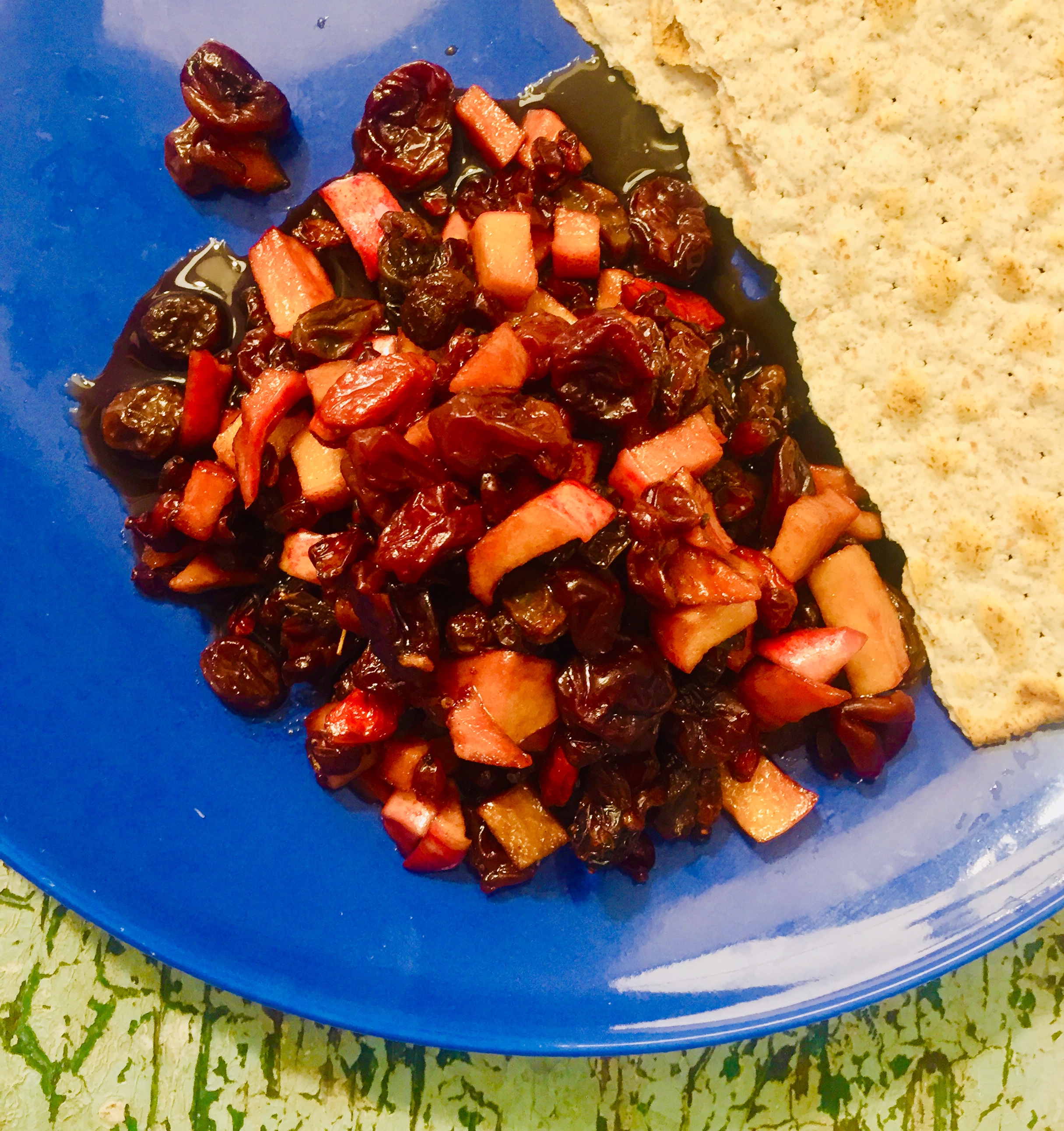
I created this charoset recipe to use one of my favorite flavor combinations, along with many of the dried berries and fruits I love, such as goji berries, barberries, cherries, elderberries and raisins. But, you could really use any combination of  your favorite dried fruits. If you can make this in advance and let it soak overnight, the flavors become more pronounced and the berries plump. Continue reading

Sukkot: Roasted Apples and Yams with Barberries

Roasted apple and yam with barberries

Like everything else, this is an unusual Sukkot. But due to my COVID routine, I have had the privilege for a deeper physical and sensory connection to the holiday’s harvest themes. It includes more time to tend to edible plants on my balcony and long hikes in woods filled with mushrooms and other edibles. And while the holiday celebrates an agricultural harvest, I like to more broadly think of it as a way to celebrate all of our food sources, whether foraged or grown on a farm. Last weekend, I went on a guided foraging trip just a few miles from my house. In a mere mile long walk, we found more than a dozen edibles, including black walnuts, shiso, sorrel, burr cucumbers, American persimmon, and turkey tail mushrooms. We nibbled little bits of each plant along the way but left everything there for birds and other creatures to enjoy. Continue reading

Roasted Carrots for Rosh Hashana

Rosh Hashana roasted carrots

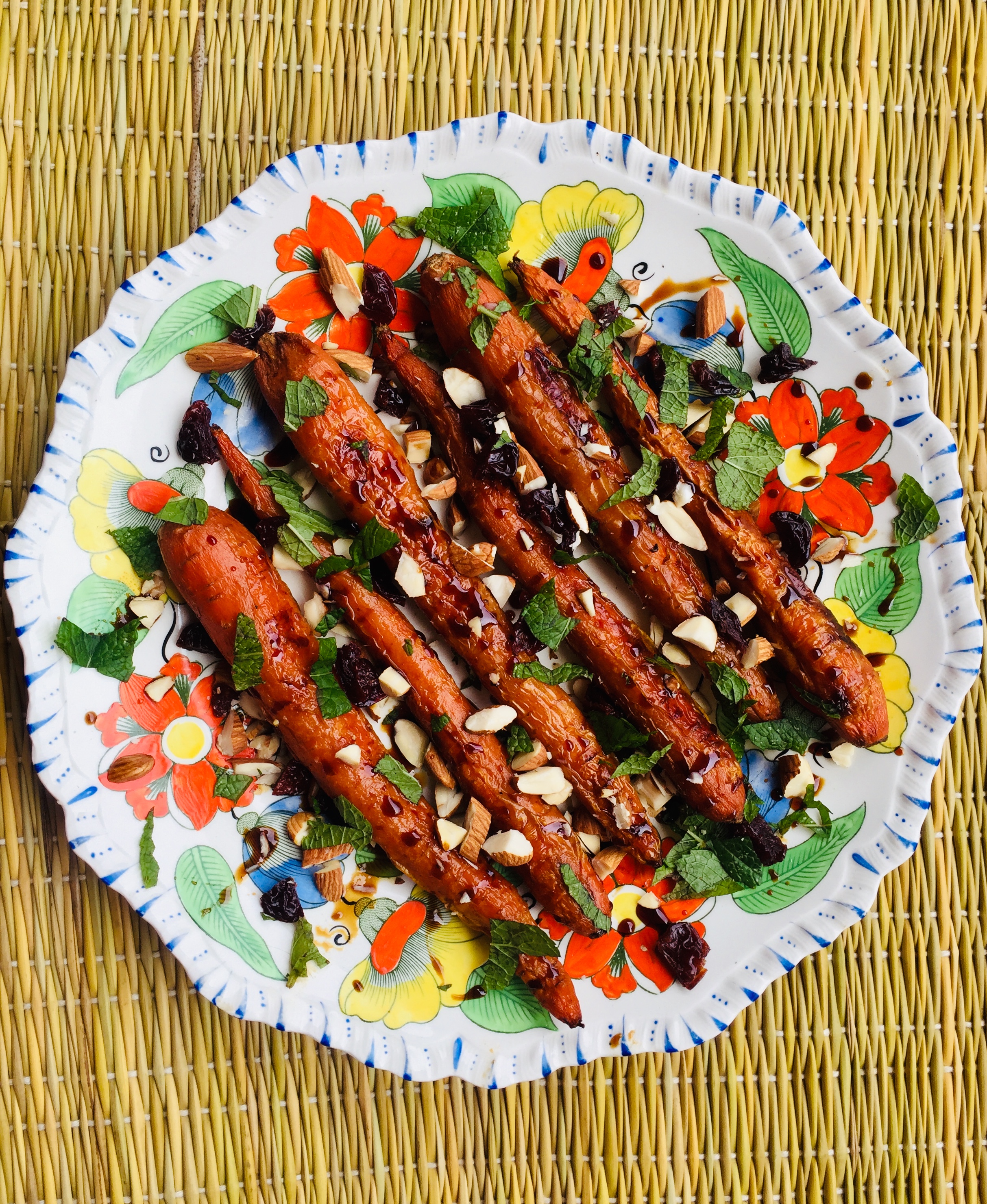
As we prepare to celebrate Rosh Hashana to mark the birth of the world, it’s hard not to be confused and/or overwhelmed at times by the surreal world we are now living in. From COVID to wildfires to flooding to addressing systemic racism, our physical reality is forever altered.

The past six months have brought to the forefront of our daily lives both the devastating consequences of human actions that are the most un-God-like, but also the incredible, resilient, responses by humans to these crises.  When we wish people a healthy, good new year, I cannot think of a time when this has ever meant more than now, for all beings.

Continue reading

Animals, Pandemics, & Shavuot

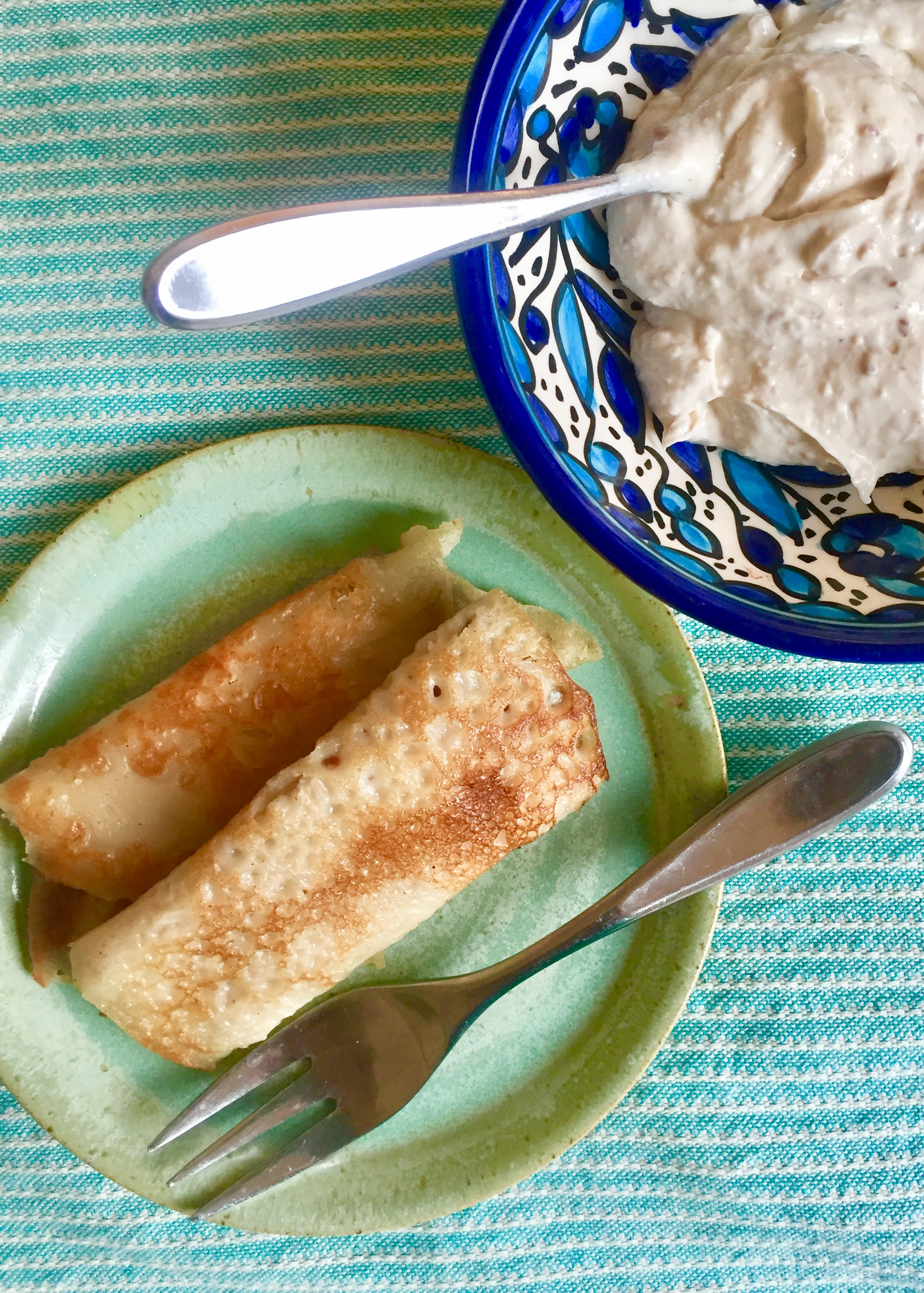
vegan blintzes with extra filling.

Living through a pandemic has become the ultimate opportunity to look at our food sources and the interconnectedness between what we eat and a host of global issues.

More than 70 billion land animals are raised and killed each year for food and other products around the world, including nine billion in the US alone. Animal agriculture is the main cause of an array of global crises, including climate change, pandemics, water pollution, poverty and hunger.

Zoonosis, the transmission of diseases from animals to humans is, according to the CDC, the source of 75% of all new viruses facing humans. It is happening at a rapid pace because of how animals are raised and slaughtered, primarily in industrial animal agriculture factories and live “wet” markets. From the origination of COVID-19 at an animal market in China to swine flu at an industrial farm in the US to mad cow disease in the UK, the raising and killing of wild and domesticated animals is causing pandemics. Continue reading

Finding Order in Disorder & Chocolate Olive Oil Passover Cake

Chocolate Olive Oil Passover Cake

I’m still the same as when I last wrote-focused on COVID19 most of the day and trying, like everyone else, to function as best possible. Beyond the obvious irony of living in a pandemic during Passover, how I will celebrate it this year has been hard (beyond simply finding holiday foods).

I know that many of you, like me, struggle to find grounding and order in this surreal moment. For me, the idea of the order of a seder and all of the holiday’s beautiful rituals that take us out of our normal daily routines is confounding and challenging now. If Passover already turns my regular routine upside down by changing what I eat, and completely transforms my kitchen, already creating a disruption, how do I create a semblance of the “normalcy” of the holiday routine when nothing is normal now? And, how to celebrate the idea of freedom and liberation when there’s so much sadness, stress, and darkness in our lives? How are we not consumed by these emotions and recognize the potential to survive and embrace the beautiful things in the world?

Continue reading

Vegan Tahini Hamantaschen

Vegan tahini hamantaschen

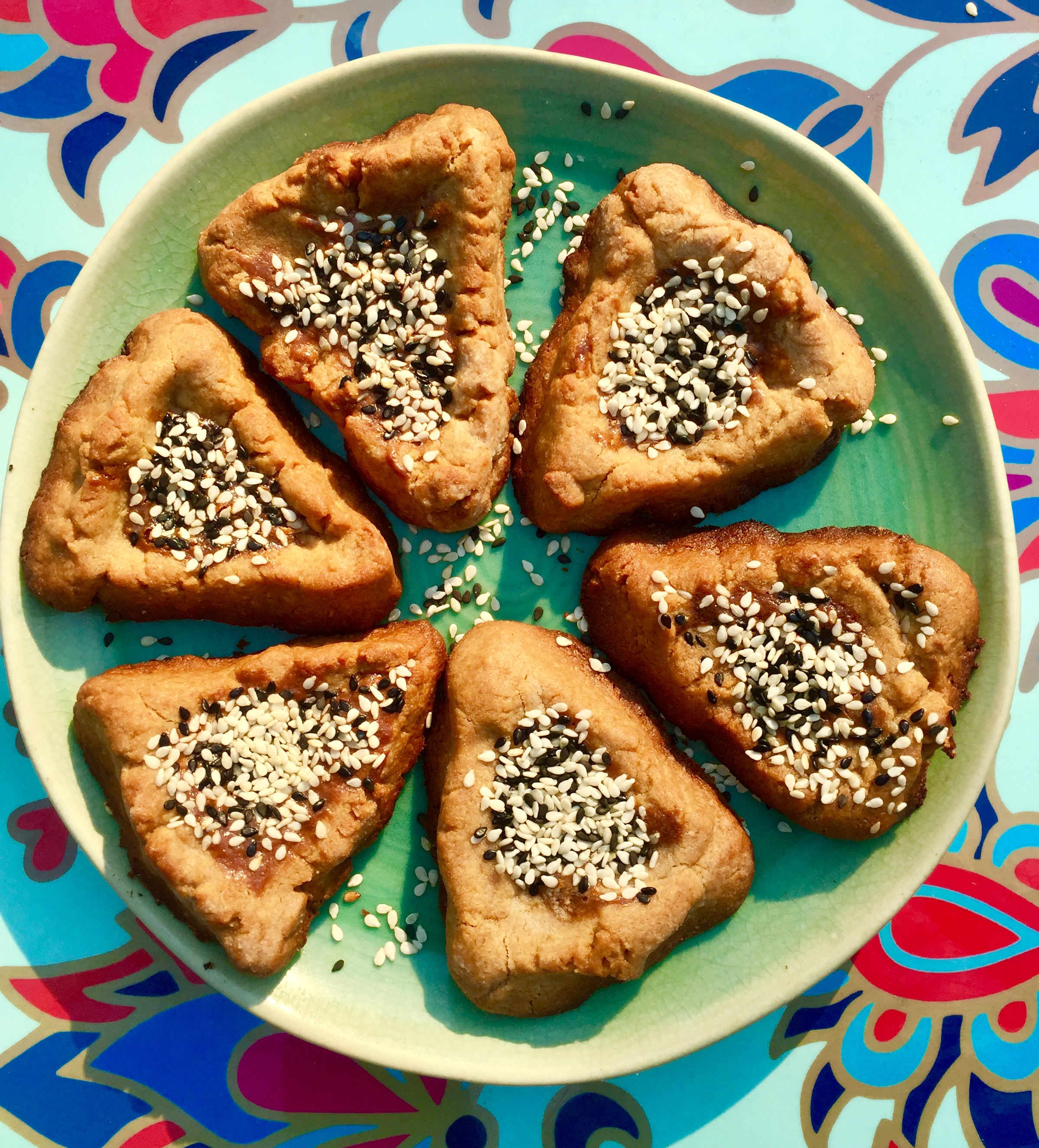
Purim Sameach! A quick post to share with you my new hamantaschen recipe-vegan tahini dough filled with pomegranate molasses-tahini-maple syrup-sesame seed mix. These are definitely not overly sweet and almost savory.

Continue reading