Lech Lecha: From Dark to Light

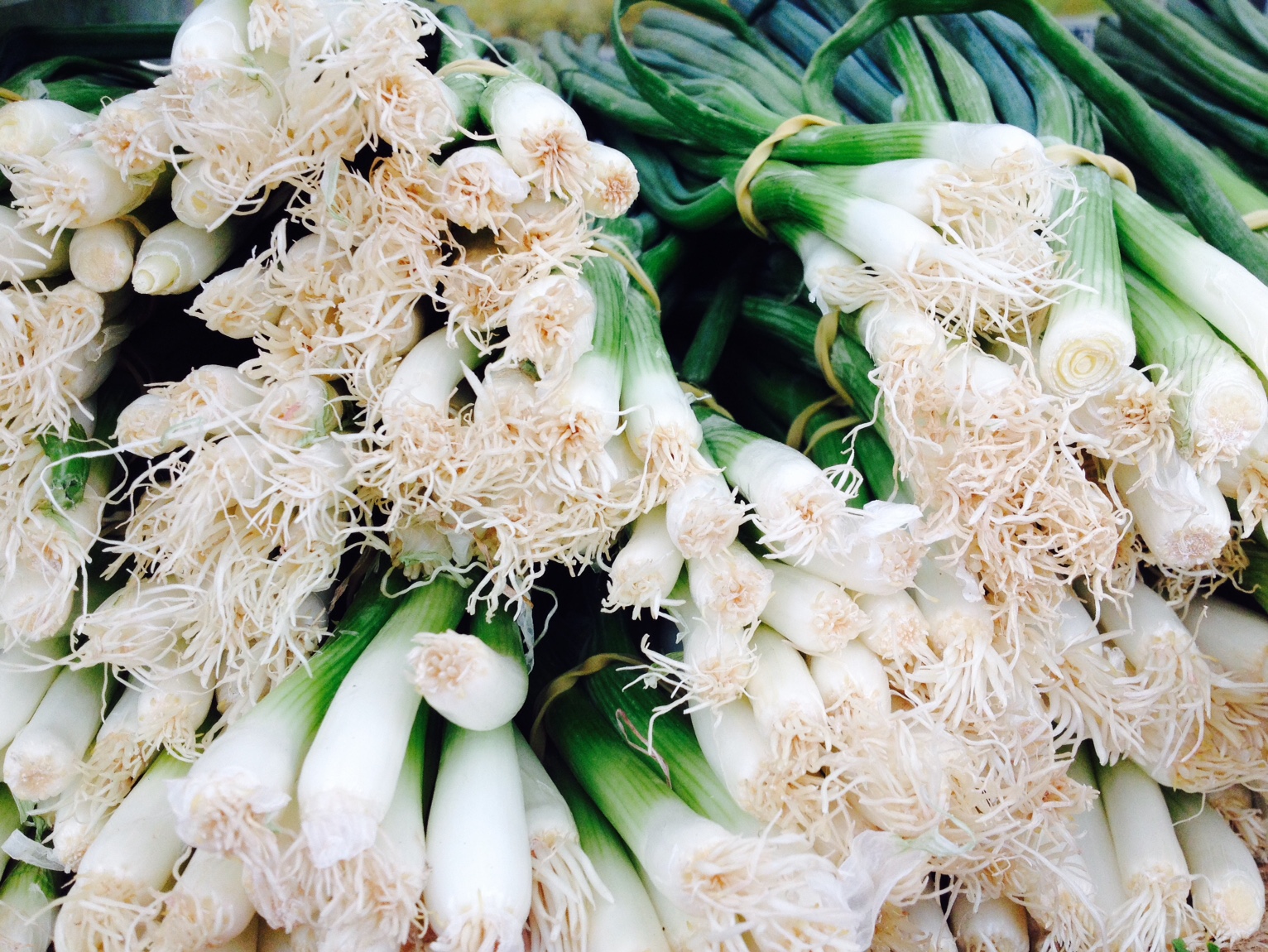
Scallions. La Cienega farmers market

Scallions. La Cienega farmers market

Lech Lecha tells the story of the birth of the Jewish people through Avraham’s prophecy.  God tells Avram, “I will bless you and make you a great nation.”  As Diane Bloomfield taught this week about Lech Lecha, “God is bringing in a radical new creation with different qualities of what it means to be a human being and the potential becoming of a Jewish nation that brings blessings into the world.”

In the parsha, Avraham is sent on a challenging journey to unknown land, despite God’s promise to protect him and Sarah. It is fraught with dangers, famine, and personal challenges. As Yael Shy wrote, the unknowingness of journeys can create unease and fear in oneself, as is true for Avraham. But, as she continued, “God is telling Abraham to stop trying to predict or figure out or gain control of what that which he is not in control.”

His journey is not about where he has been or his previous actions but where he is going and the potential for the future.  He’s a baal teshvua: someone who lives in the process of what he can become, not what he did, according to Diane Bloomfield.

Continue reading

Noah: Ark of Taste

Campo de Fiori market, Rome

Campo de Fiori market, Rome

Was Noah the first seed saver? The first protector of biodiversity? This week we read that humans’ lawlessness and corruption incensed God enough to cause him to flood and destroy all creatures on the planet. “I am about to bring the Flood — waters upon the earth — to destroy all flesh under the sky in which there is breath of life; everything on earth shall perish.”  Noah was tasked by God with saving pairs of every species on his ark and repopulating the planet once the flood waters receded.

After the flood ended, a rainbow in the sky became a covenant between God and man. It “shall be the sign of the covenant that I have established between Me and all flesh that is on earth.”  We are challenged every day to live by this covenant, especially when we look at the impacts of climate change–including rising sea levels–on our planet. Modern agriculture today is contributing to climate change, from water usage for livestock to fertilizers to land management. And, climate change is, and will continue to be, a major factor in future food production due to flooding and droughts, desertification and habitat loss.

Mercato di Campagna Amica del Circo Massimo, Rome

Mercato di Campagna Amica del Circo Massimo, Rome

The Slow Food movement’s biannual gathering begins this evening in Turin, Italy with tens of thousands of people from more than 120 countries in attendance. One part of the conference is Salone del Gusto-the largest food and wine conference in the world. The other part, Terra Madre, is a gathering to give a voice, resources and organizing to small-scale agricultural producers worldwide. Indeed, there are 500 million family farmers worldwide who are each growing food on less than two hectares of land. Terra Madre advocates that “eating is an agricultural act and producing is a gastronomic act.” This is the antithesis of Coca-Cola, McDonalds, ConAgra and Monsanto.  Continue reading

Simchat Torah: 7 Rounds

Simchat Torah eggplant rounds

Simchat Torah rounds

We end and we begin. With the ending of the holiday of Shmini Atzeret, we begin Simchat Torah (Rejoicing of the Torah) which celebrates the completion of the year-long reading of the Torah. And, then we begin anew with a celebration of life in the story of creation in Bereshit (Genesis). The holiday is an extraordinary community celebration of dancing and singing with Torah scrolls for seven Hakafot (circles).

Simchat Torah symbolizes the cycles of our lives. As the Earth rotates, our lives rotate throughout the year; Torahs scroll cycle along their wooden spines each week; our food grows in cycles; on Simchat Torah while holding the Torah, we circle as a community; and we cycle together throughout the Jewish calendar.


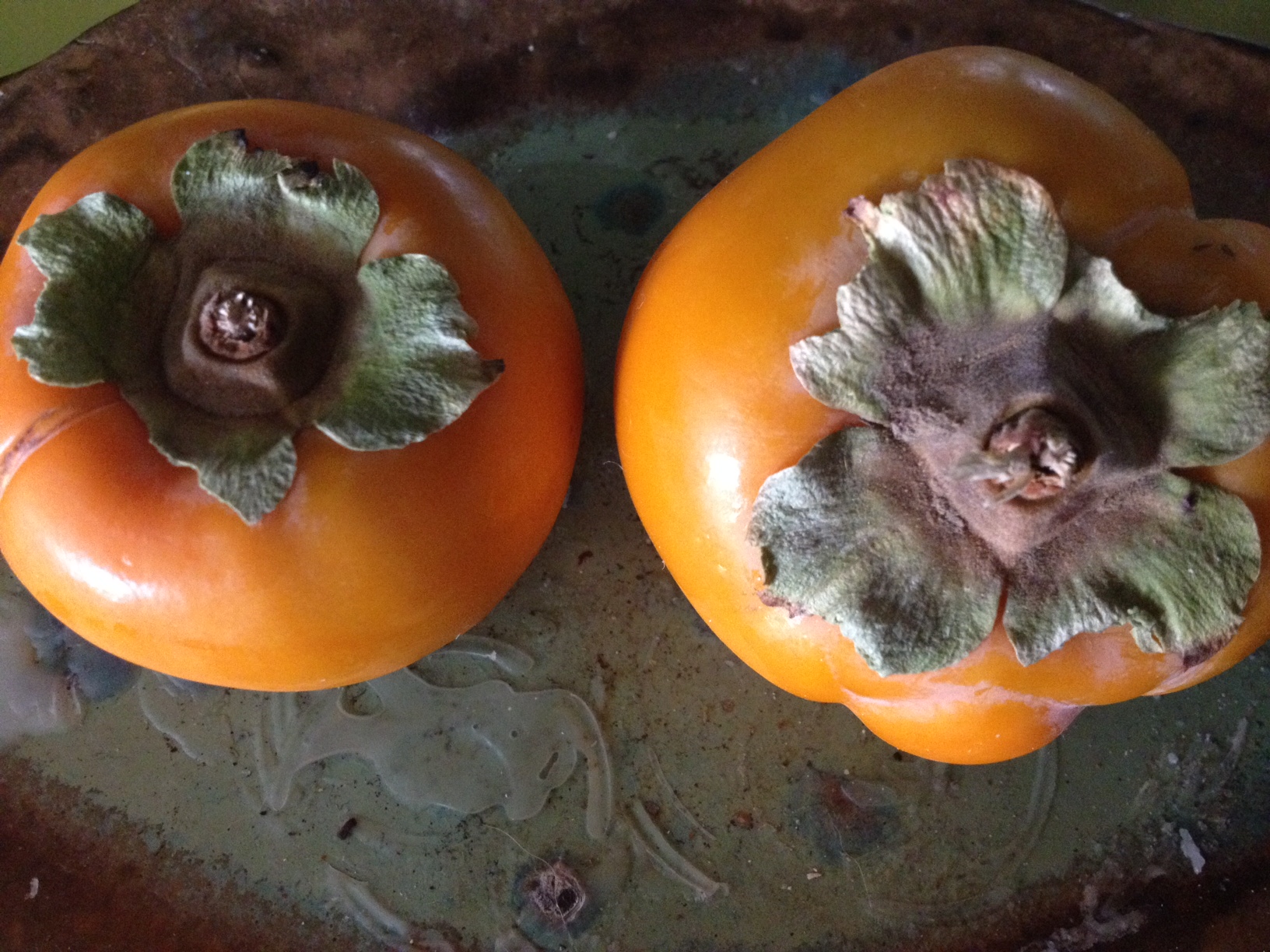
Fuyu persimmons. Plummer Park farmers market

Fuyu persimmons. Plummer Park farmers market

In the spirit of the seven Hakafot, I created a Simchat Torah recipe reflecting the cyclical nature and joy of the holiday. It’s common to eat foods that are rolled like scrolls and I would suggest that there is this option for this dish, too.  Continue reading

Sukkot, Shmita & Perennials Roast

Pomegranates. La Cienega farmers market.

Pomegranates. La Cienega farmers market.

As apples dangle from trees, pears turn to a burnt orange and pomegranates burst at their seams with plump tiny fruits, it’s a reminder that we are in Fall harvest season. After the dramatic, solemn day of Yom Kippur, we suddenly jump into the celebratory, abundant harvest festival of Sukkot.  This is the ultimate farm-to-table holiday that pre-dated the Slow Food movement by a few thousand years.

Sukkot is yet another reminder of the beautiful cyclical nature of Jewish life. From weekly cycles marked by Shabbat to agricultural cycles (the agricultural holidays of Sukkot, Pesach and Shavuot, plus the counting of the Omer), to year cycles that begin each Fall to the seven year cycles of Shmita, Jewish life is communal and circular: always expanding, growing and evolving with each cycle. Continue reading