I’m still the same as when I last wrote-focused on COVID19 most of the day and trying, like everyone else, to function as best possible. Beyond the obvious irony of living in a pandemic during Passover, how I will celebrate it this year has been hard (beyond simply finding holiday foods).
Category Archives: Holiday
Vegan Tahini Hamantaschen
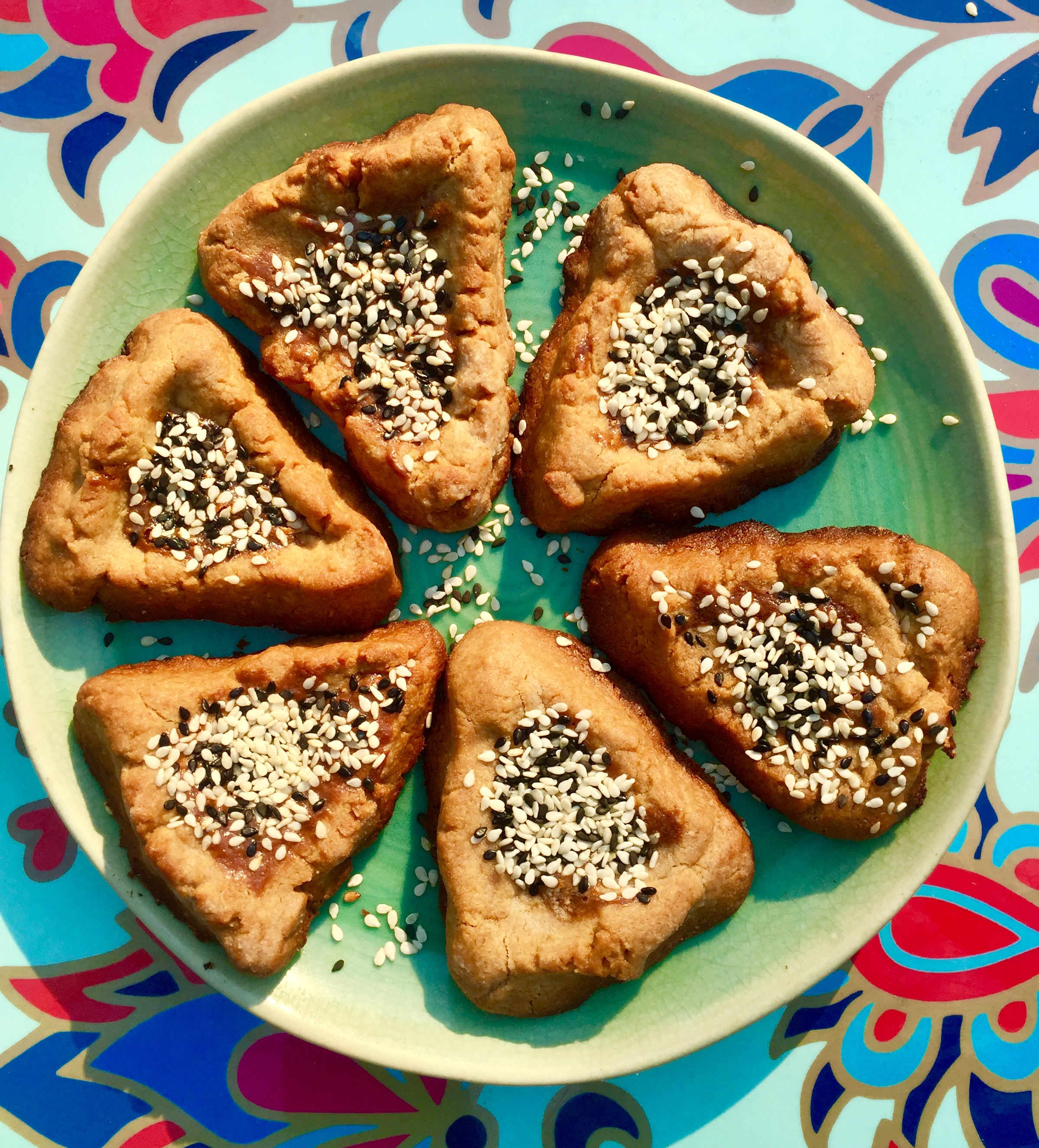
Purim Sameach! A quick post to share with you my new hamantaschen recipe-vegan tahini dough filled with pomegranate molasses-tahini-maple syrup-sesame seed mix. These are definitely not overly sweet and almost savory.
Simchat Torah: Zucchini Quiche
Simchat Torah–which starts Monday night– is the end of a long season of holidays and marked by both completing and beginning the reading of the Torah. But, we are not starting over in the same place with the Torah or in life. Rather, we are like spirals, moving into a new place that is deeply connected to the past. How will we understand or be guided by the Torah in this new cycle and year?
The foods of Simchat Torah usually elongated to represent the Torah scrolls or round to represent hakafot–the circles one dances in to celebrate the holiday. This year, I prepared a vegan zucchini quiche with lots of circles. It’s a great way to use up the season’s last bits of zucchini and is easy to prepare. There are many zucchini varieties and it would be interesting to try an assortment in this dish. Though, I perhaps should have made a dish with the super popular spiralized zucchini! Continue reading
Sukkot: Environmental Refugees and Stuffed Kabocha Squash
Sukkot is a harvest festival that allows us to experience and reflect upon our vulnerability and fragility in the world. All of the practices of this holiday–celebrating fall harvest foods, inviting community and strangers to one’s sukkah and living in an impermanent dwelling for a week–can be examined through the lens of how we are addressing and will deal with the impacts of climate change crisis. Continue reading
Yom Kippur Break-Fast: Easy Squash Soup
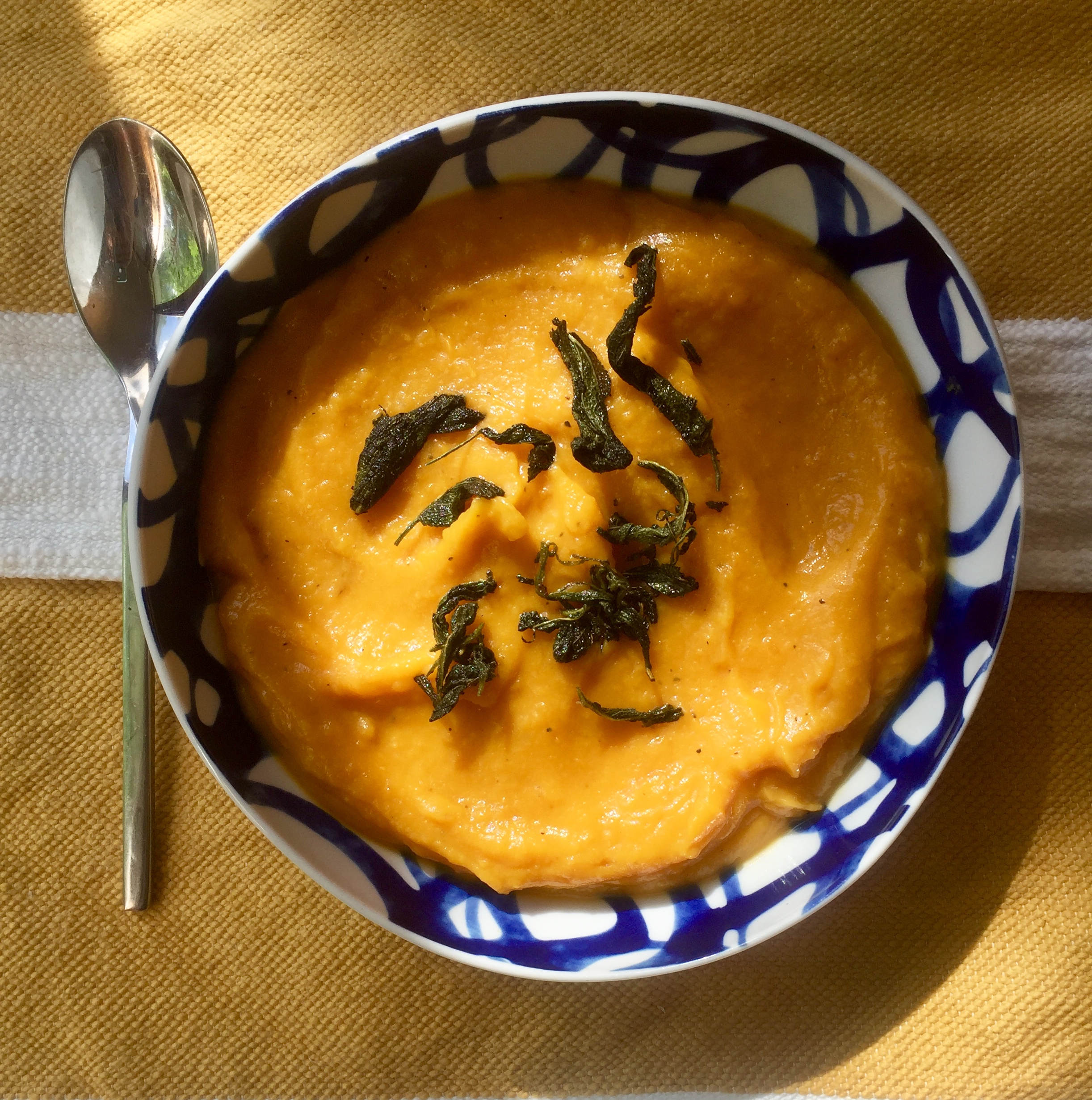
Fasting is hard for me and I prepare by spending days whittling down meals, drinking an excessive amount of water, and gobbling as many nuts as possible just before the fast begins. I then struggle at break-fasts because there’s few foods that feel good in my stomach. Even if vegan, the pre-requisite bagels and cream cheese, cakes, kugels, cookies, and more feel like poison darts shooting through my now parched mouth and queasy stomach. I prefer to end the fast with fresh pressed juices, soups, and other gentle foods that are digestible and energizing as I transition my body back to heavier foods. So, to add to my options, this year, I prepared a butternut squash soup that is incredible easy to prepare, has minimal ingredients, and is satiating and filling (i.e. good for the tummy). Continue reading
Rosh Hashana: Apple Galette & a Plant Forward New Year
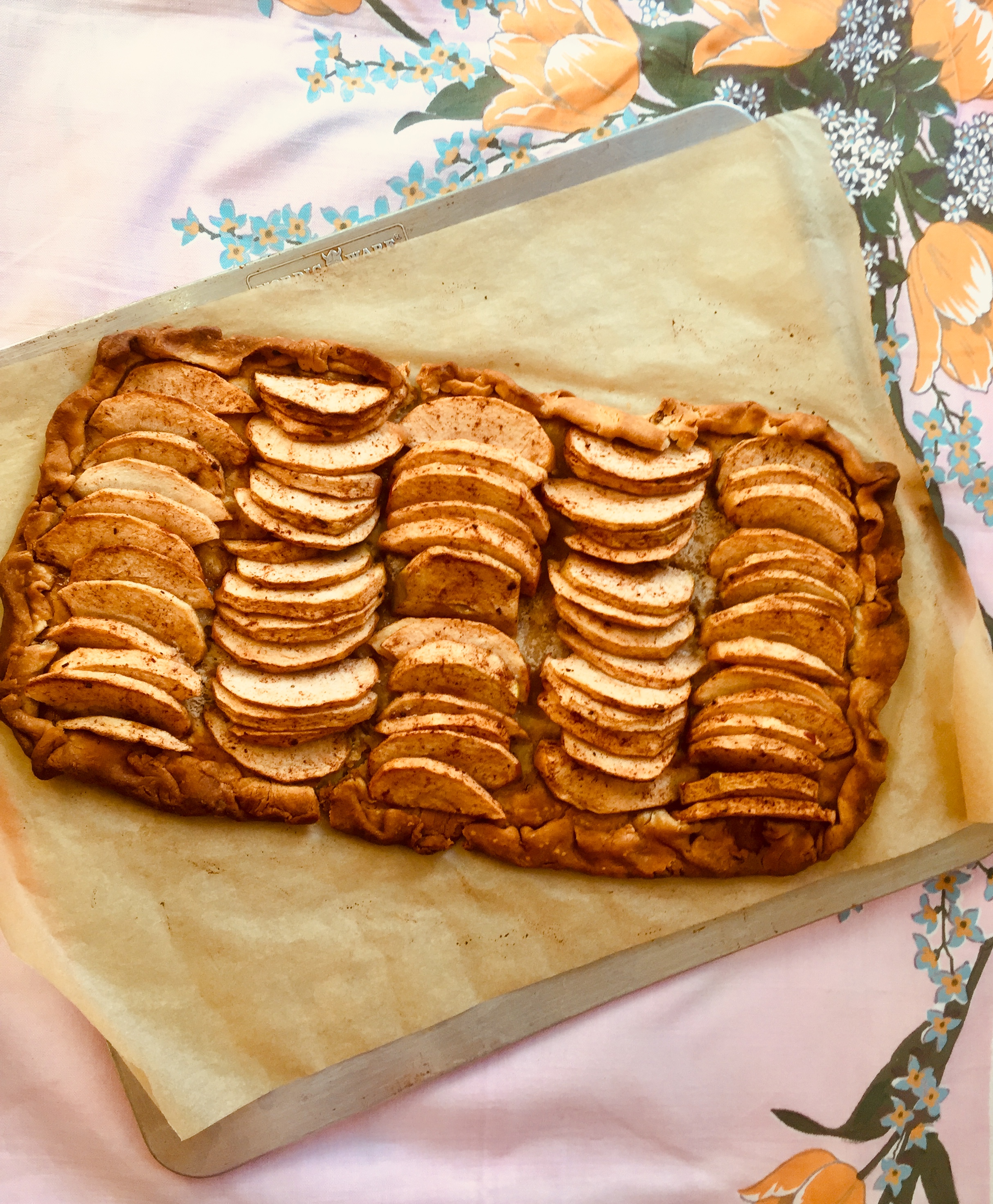
As we reflect on our own behaviors of the past year during the High Holidays, we must examine the impacts of our food choices. We are living in a world that is experiencing the effects of climate change (1/5 of all greenhouse gas emissions comes from livestock for meat and dairy consumption), the unprecedented burning of the Amazon for livestock grazing and food along with the horrific treatment and killing of farm animals for food (including for kosher slaughter), dwindling freshwater sources and water pollution.
Though these global issues can seem overwhelming and daunting, we are living also in an incredible moment where we have the resources to help to solve these problems, guided by Jewish values and ethics. Judaism challenges us to live to the highest standards, including how and what we eat; bringing more humane and environmentally sensitive plant-based foods to our tables will reduce climate emissions, cut water consumption and protect animals. Continue reading
Passover Recipes & Travel
I spent a couple of years as a bit of a wandering Jew, and a consistent theme in my travels was the need to find some sense of rootedness through local Jewish communities, from Rabat to Rishikesh. Reflecting upon my travels resonates especially as we near Passover. I was not in “exile,” but “on the road” without a home. And, consistently, in all of these wonderful, beautiful and often challenging places, I felt a need to find Jewish communities, sharing precious moments with these strangers, whether a handful of people in Sicily, a single woman in India or dozens in Naples. Yehuda Amichai wrote, “It was not an adventure; it was my life.”
Here are some of my Passover recipes and commentaries over the past couple of years that I hope help you to prepare and celebrate the holiday.
Purim: Vegan Treats and Sustainable Tips
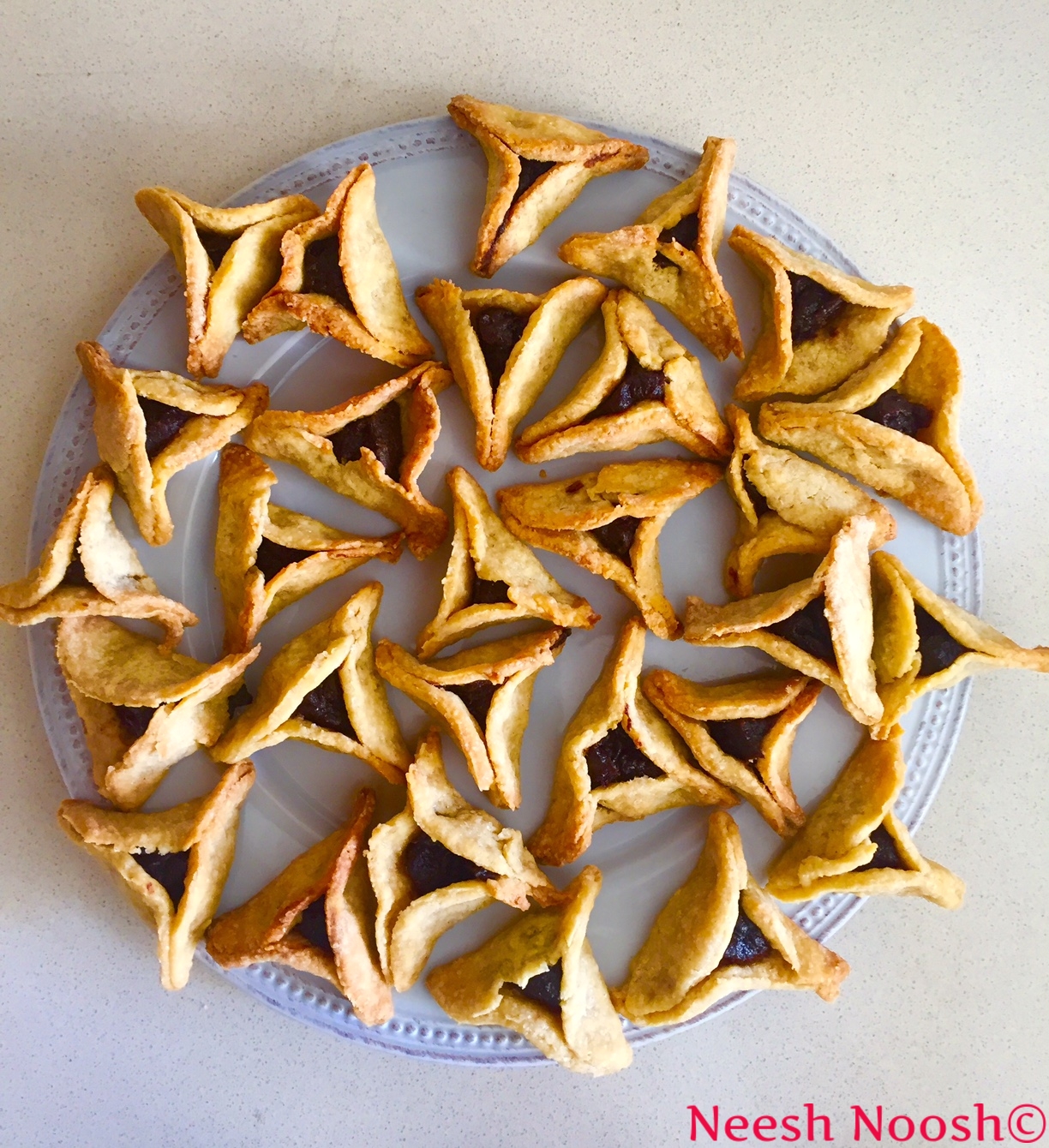
This Purim round-up includes lots of tips and recipes to help you prepare plastic-free, vegan, healthy-ish and sustainable mishloach manot (gift baskets). There’s a range of recipes including, of course, vegan hamantaschen.
As important as giving treats to friends and family is giving matanot la’evyonim (gifts for low-income people) and I offer some resources for local groups for you to support.
Nina’s Apple Cake
This is the story of an apple cake. But not the ingredients or how to make it. It’s the story of its maker—someone who brought warmth and joy to my family’s home for Shabbat meals and holidays and who selflessly cared for so many people (including painstakingly preparing a beloved cake for voracious eaters!) despite a past that was far from sweet.
The baker of the famous apple cake is Nina Merrick, an 89-year-old resident of Silver Spring, Maryland. She and her husband, Leon, have been friends of my family’s ever since I first began to study with her to prepare for my bat mitzvah, a connection that came about thanks to her lifelong commitment to teaching Judaism. Continue reading
Tu B’shevat Toasts
Tu B’shevat–the new year celebration of trees and also known as the Jewish Earth Day–means eating lots of delicious fruits with edible interiors, edible exteriors, and edible everything at holiday seders. For the holiday this year (which starts on Sunday evening), I created a DIY “toast toppings” to enjoy during that meal that includes most of the seven species of ancient Israel (wheat, barley, grapes, olives, figs, dates and pomegranates), along with other significant fruits-including carob–and a nut butter. Continue reading