Sukkot: Apple, Pear, Banana (no sugar) Vegan Loaf

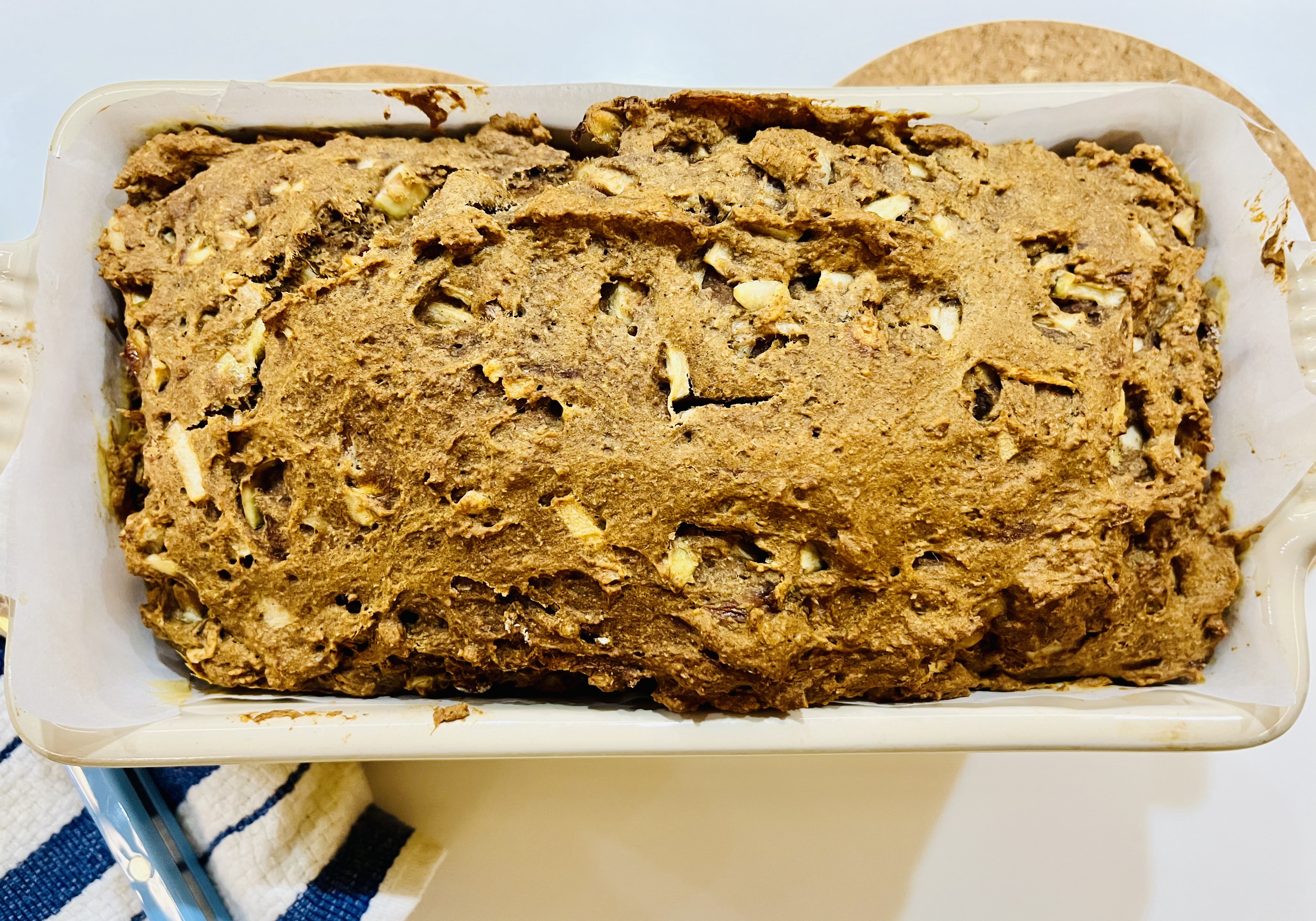
Pear, Apple, Banana Loaf

I wanted to make something for Sukkot that incorporated Fall fruits without being complicated or unhealthy but is still delicious. While the description might make it sound really bland and dull, this sugar-free, mostly whole wheat fruit loaf hits the mark. Without any sugar, it’s pretty mild but is naturally sweetened by all of the fruit. And, the whole wheat gives it a slightly heartier, denser consistency. And, there’s a sprinkling of pine nuts which add a nice bite. If you are looking for a bit more sweetness, then add some maple syrup to the batter. At the bottom you can access my other Sukkot recipes including a stew, stuffed eggplants, and stuffed spaghetti squash. Continue reading

Vegan Challah

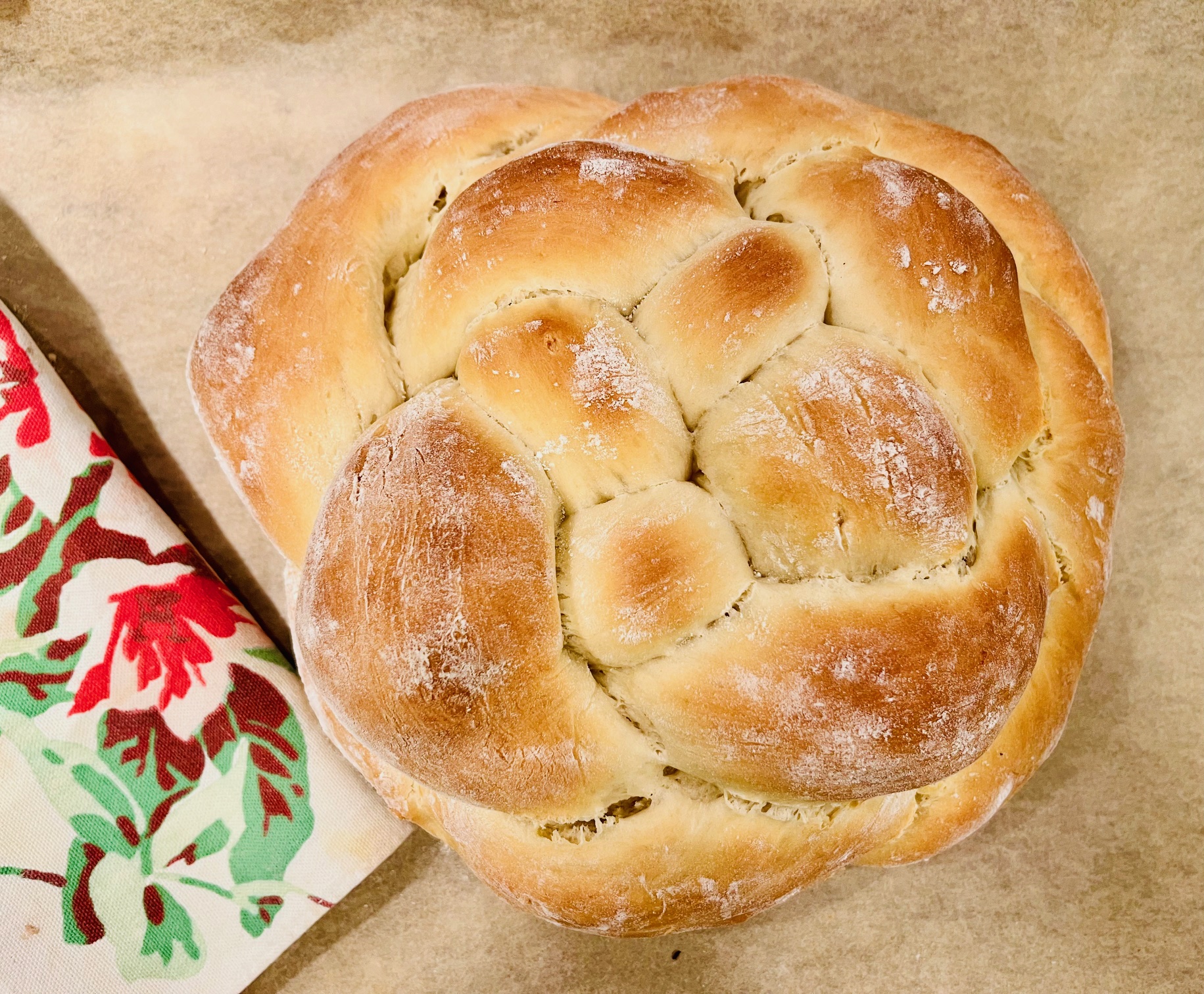
Vegan challah

Making vegan challah is really easy-there’s no need to make challah with eggs. And, making a circular braided challah to celebrate the new year is always fun. I wonder why I don’t do it more often? I cannot claim any creation of this recipe though, it’s all from this site. Scroll down for this full challah recipe plus my Rosh Hashana recipes including apple galette, mangold patties, black eyed peas stew, apple cake and more. Continue reading

Shavuot: Cashew Cream

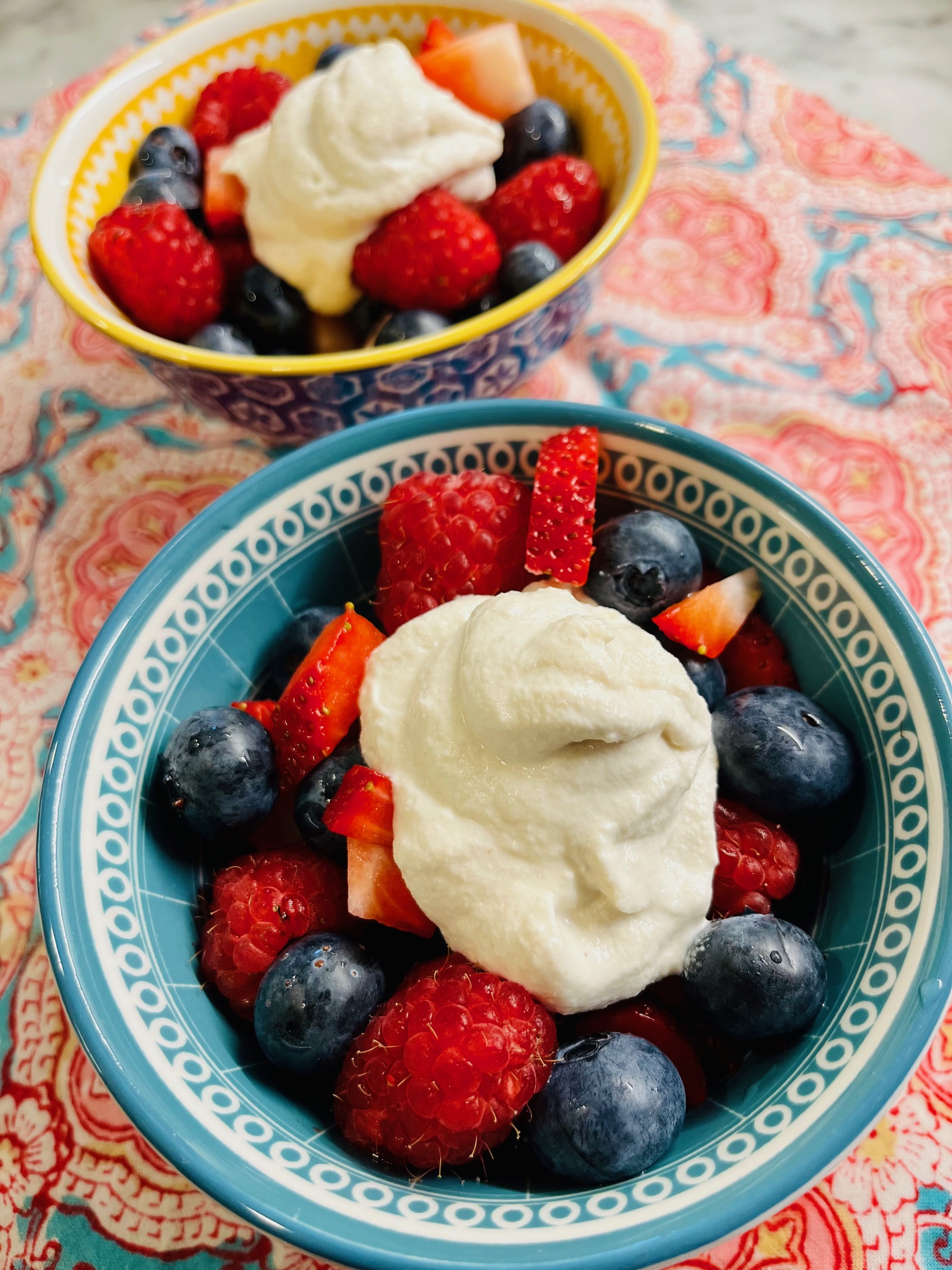
Vegan cashew cream with berries

There’s no need to skip on all of the treats of Shavuot because they can be made with non-dairy options! One magic ingredient that can be used to swap out a lot of dairy is cashew cream. It’s a delicious, versatile recipe to use in both sweet and savory dishes. It can be added to soups, used to make vegan cheeses, dips, sour cream, as a replacement for whip cream, added to salad dressings and so much more. I like to make a big batch of it and add it to different recipes throughout the week. I made a simple fruit salad dish with cashew cream whip cream for Shavuot. Click below for the recipe plus my other Shavuot recipes.

Continue reading

Passover Treat: Charoset Deconstructed

Charoset Deconstructed

Charoset Deconstructed is a great Passover treat for breakfast, snack or dessert. I have been making this a lot lately and is a delicious way to pile on charoset ingredients that makes for a delicious and beautiful presentation.  Outside of Passover, this is also called Apple Nachos and are eaten as such–your hands might get a bit sticky and it might be a bit messy. You could definitely try eating the mix with pieces of matzah for a heartier dish. I used many common charoset ingredients but if you want to venture further from Passover ingredients, try adding other ingredients such as strawberry slices, raspberries, pistachios or coconut, Scroll to the bottom to see an “alternative” non-holiday recipe. Continue reading

Baked Sweet Potato Latkes

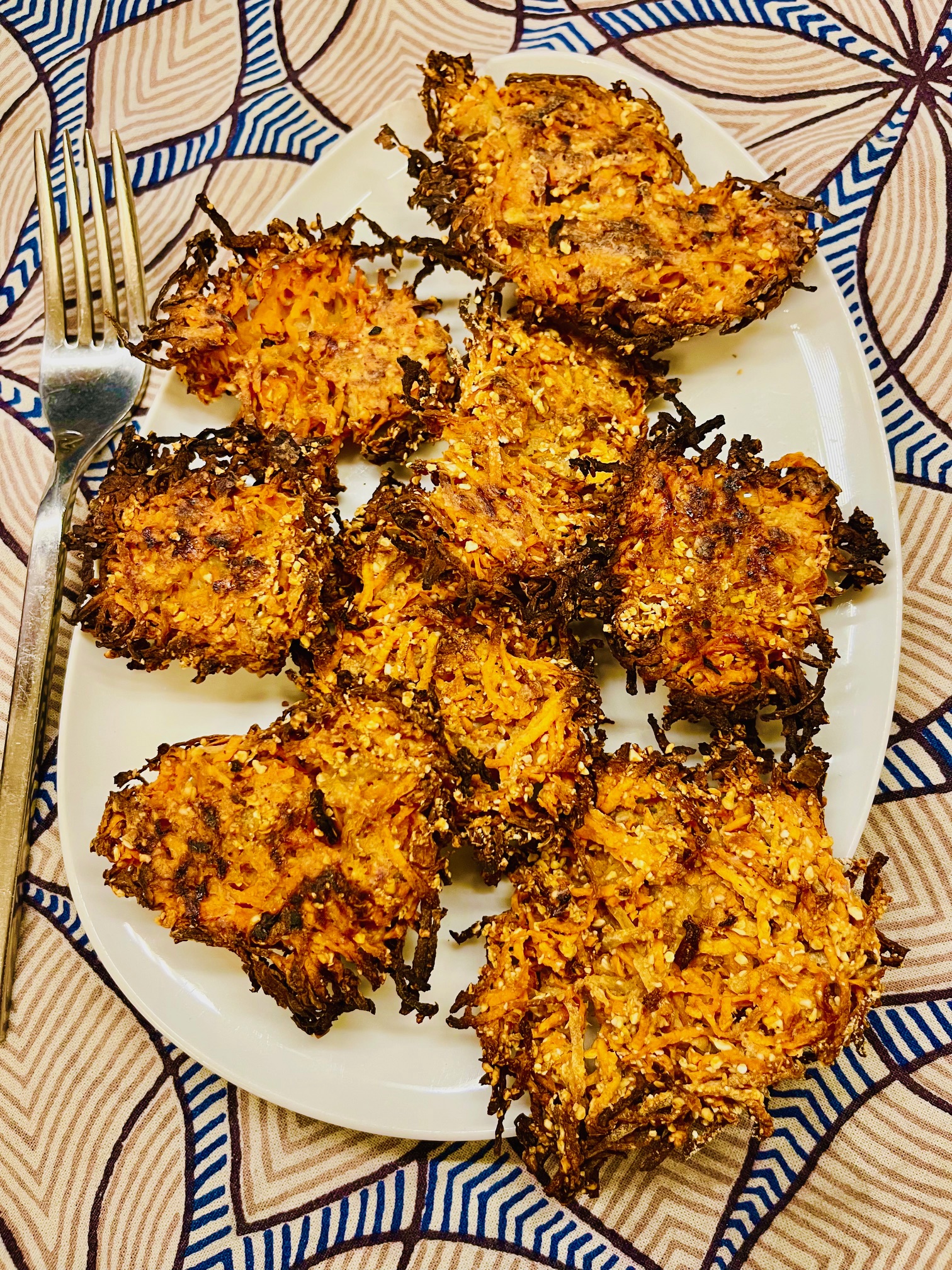
Baked sweet potato latkes

These vegan baked sweet potato latkes look a bit like sea urchins, vibrantly colored with spiky extensions. But, they are gentle to the tongue and delicious. The key to making these vegan was using aquafaba instead of eggs. Aquafaba is simply the leftover juice from chickpeas and is a versatile binder in baking and cooking. The sweet potatoes don’t have as much starch as regular potatoes, so I added a bit of one along with some matzah meal. In comparison to these baked ones, I made a few that I fried in a skillet filled with canola oil. They didn’t hold their form as well and were soggy with oil. I also appreciate that the baked latkes were all ready at once, as opposed to when fried, there are slowly batches of them that are ready to eat (and someone always left in the kitchen cooking more!). Add a dollop of vegan sour cream or applesauce (try my chai tea spiced apple sauce), as a delicious topping to these latkes. Continue reading

Simchat Torah: Stuffed Honeynut Squash

Honeynut Squash for Simchat Torah

It is common to eat food that are stuffed and resemble Torah scrolls for Simchat Torah, which marks the completion of the reading of the Torah. At my shul in Los Angeles, I loved that during the day, the Torah would be unscroll as much as possible across the room so that we could see it in its entirety and walk alongside it. Another cycle that I’m completing with this blog post is 10 years of Neesh Noosh. Thank you to everyone who has read from the beginning, joined at some point in the past ten years or is a new reader. Continue reading

Pesach: Roasted Beets and Beet Tahini

Roasted beets and beet tahini

Instead of a shank bone, many people now replace it with a roasted beet on their seder plate (z’roa) as a representation of the pascal lamb, for a veg based meal. Inspired by this custom, I decided to prepare a roasted beet dish. I used red beets but you could use golden or an assortment. I love the versatility of beets-raw, roasted, liquified, and more.   This one is a combination of roasted beets as well as tahini with roasted beets. Added bonus are the chives I clipped from my sister’s garden to sprinkle on top. Scroll below for the recipe plus my other previous Pesach recipes including karpras salad and olive oil chocolate cake. And, click here to learn about leaving an empty seat at your seder table for a hostage. Continue reading

Purim: Queen Esther’s Salad

Queen Esther’s Salad

You might be wondering where the hamantaschen recipe is (scroll to the bottom) or why I’m sharing a bean recipe for Purim. The Queen Esther salad that I created is for a Purim seudah (meal) and is made with many symbolic ingredients. First, according to Gil Marks in Olives and Honey Trees, chickpeas are a traditional Ashkenazi food eaten at Purim (amongst other celebrations). Olives are a symbol of mourning and also commonly eaten in Purim dishes that symbolized Haman (along with eggs and other ingredients like noodles), as explained in Claudia Roden’s, The Book of Jewish Food. Last, there’s a Talmudic teaching that Queen Esther became a vegan, eating just legumes and seeds while she lived in King Achashaverus palace, to ensure she did not eat non kosher foods (another bonus of being vegan :)). I generally sprinkle seeds on my salad, because I like the crunchy texture and contrasting flavors they provide. And, if you’re looking for more delicious (and sweet) Purim recipes, they are at the bottom of the post (including two types of hamantaschen)!  Continue reading

Sukkot Couscous & Fall Vegetables

I love Sukkot–eating outside, enjoying fall fruits and vegetables, deepening our connections with nature and agricultural cycles. I recently spent time at an incredible native plants nursery near my home. It was fantastic: endless rows of plants native to the Mid-Atlantic region with detailed signs explaining the type of soil and sun they prefer. Between the rows the ground was deep mud and water after heavy rains for two days. Trudging along the rows in my rain boots, I just wanted to buy everything! The native plants are essential because they are “native” to the region in which they evolved and planting them helps to support biodiversity that attracts pollinators such as bees as well as butterflies and birds, better absorbs groundwater retention, and doesn’t require the use of chemicals.  Perhaps native plants don’t look as neat and trim as other gardens but they are humming, buzzing and flourishing. The Sukkot dish I made reinforces the importance of local, sustainable agriculture and happens to be easy and delicious. Continue reading

Passover: Karpas Salad

Karpas salad

This is a really easy, yummy salad filled with lots of karpas or related ingredients. The karpas course of the seder includes a vegetable (often parsley or potatoes) that is symbolic of spring and then dipped in salt water, representative of the Israelites tears. This salad can be served. If you eat light foods during your seder before the main meal, this is an easy addition to the meal that can be quickly prepared. Also, scroll down for my other Passover recipes including sweets and savory dishes. Continue reading