Charleston Speckled Lima Bean Coconut Soup


Coconut Speckled Lima Bean Soup

Coconut Speckled Lima Bean Soup

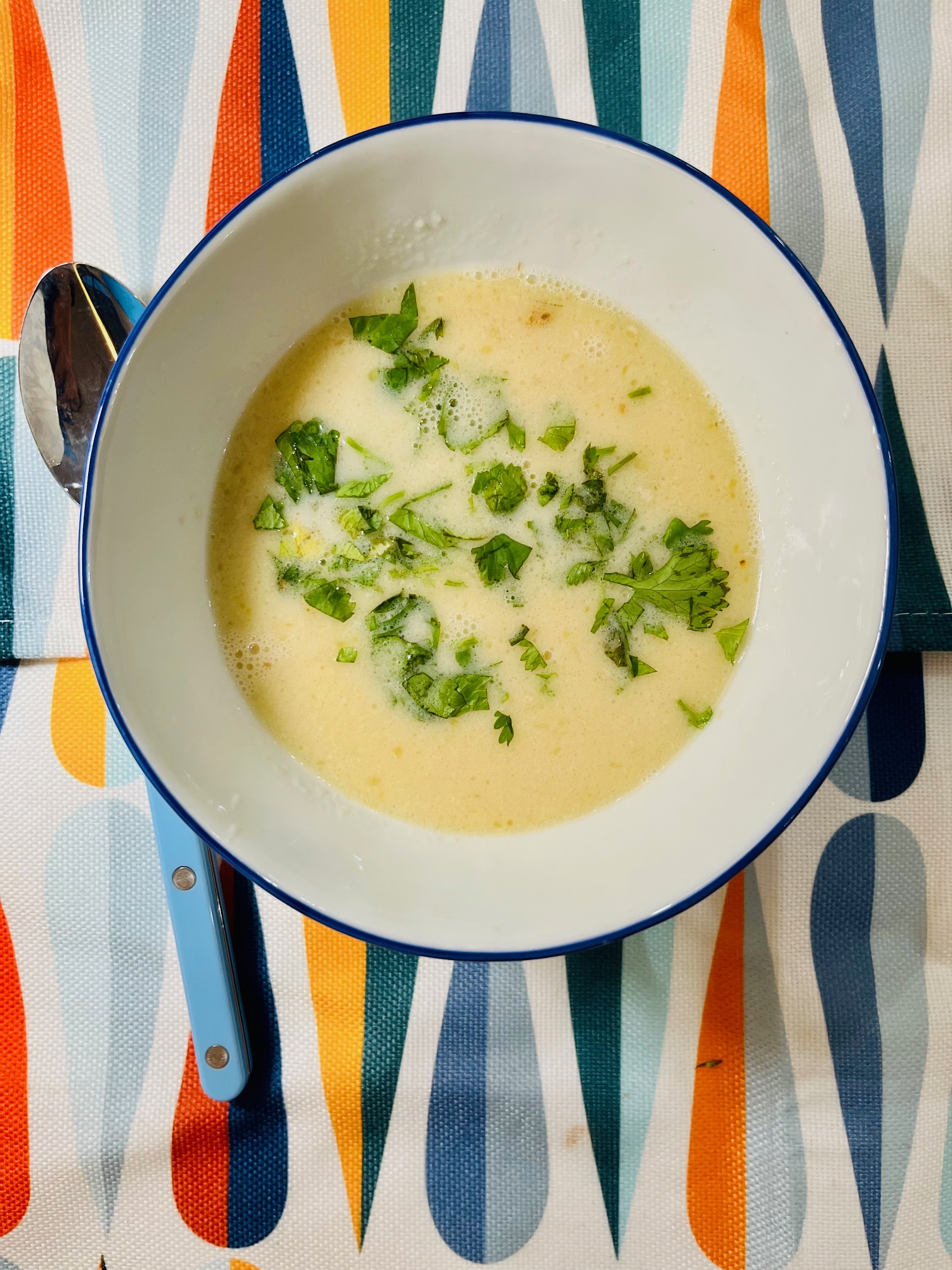
I spent time recently in Charleston, a small coastal city that happens to have the oldest synagogue in continuous use in the US. It’s called Kahal Kadosh Beth Elohim and it was founded in1749.  It has a grand, columned exterior and the interior’s high ceilings, stained glass windows and rounded wooden ark make it all feel very formal and prominent. While much of Charleston’s foodie scene wasn’t for me (lots of non vegan food), I did visit a local farmers market and met someone selling beans. I grabbed a bag of speckled lima beans and created this recipe. The weather has been a mix of warmth (hence the coconut and spices) but also several cold snaps (thus a soup). Continue reading

Vegan Challah

Vegan challah

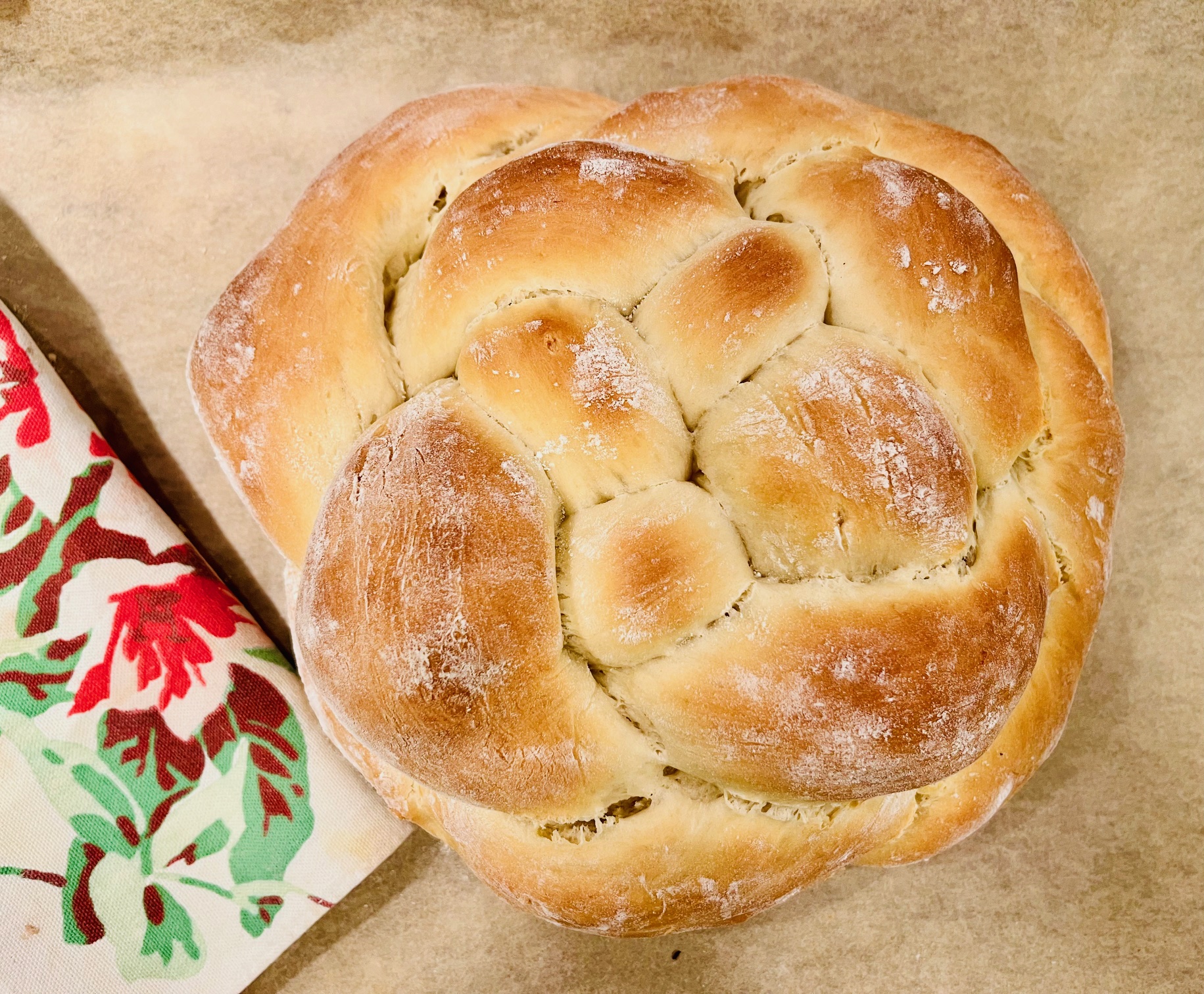
Making vegan challah is really easy-there’s no need to make challah with eggs. And, making a circular braided challah to celebrate the new year is always fun. I wonder why I don’t do it more often? I cannot claim any creation of this recipe though, it’s all from this site. Scroll down for this full challah recipe plus my Rosh Hashana recipes including apple galette, mangold patties, black eyed peas stew, apple cake and more. Continue reading

Tu B’Shevat: Pear and Pomegranate Galette

Pear and Pomegranate Galette

This recipe for Tu B’Shevat–the Jewish New Year of Trees–includes lots of edibles from trees including pears, pomegranate, cinnamon, cardamom and cloves. All of these tree fruits and spices plus only a small amount of sugar make for a delicate though very flavorful dessert that is perfect for a Tu B’Shevat seder. I used a mix of pears which I recommend for a variation in colors and tastes. You could also use mix in other fruits like persimmons and apples. I also cut down the preparation time significantly by using a pre-made vegan pie dough. Scroll below the recipe for more of my Tu B’Shevat recipes.

Continue reading

Simchat Torah: Stuffed Honeynut Squash

Honeynut Squash for Simchat Torah

It is common to eat food that are stuffed and resemble Torah scrolls for Simchat Torah, which marks the completion of the reading of the Torah. At my shul in Los Angeles, I loved that during the day, the Torah would be unscroll as much as possible across the room so that we could see it in its entirety and walk alongside it. Another cycle that I’m completing with this blog post is 10 years of Neesh Noosh. Thank you to everyone who has read from the beginning, joined at some point in the past ten years or is a new reader. Continue reading

Kabocha Squash and Lentils Sukkot Stew

Kabocha Squash and Lentil Stew

Suddenly, like a light switch turned off, summer is gone. The humidity, mosquitoes, long daylight are a memory that I still long to experience because I am not a cold weather person. But, amidst the increasing darkness and cold that is ushering in Sukkot, I seek warm, nourishing foods. Sukkot is one of my favorite holidays because it’s celebrated outside, deepens our connection with nature and celebrates fall produce. This stew that I created uses some of my favorite ingredients, including kabocha squash and carrots. It’s hearty and can be a full meal on its own. Or, serve it over quinoa or rice. Scroll to the bottom for more of my other Sukkot recipes. Continue reading

Rosh Hashana: Mangold Patties

Mangold patties

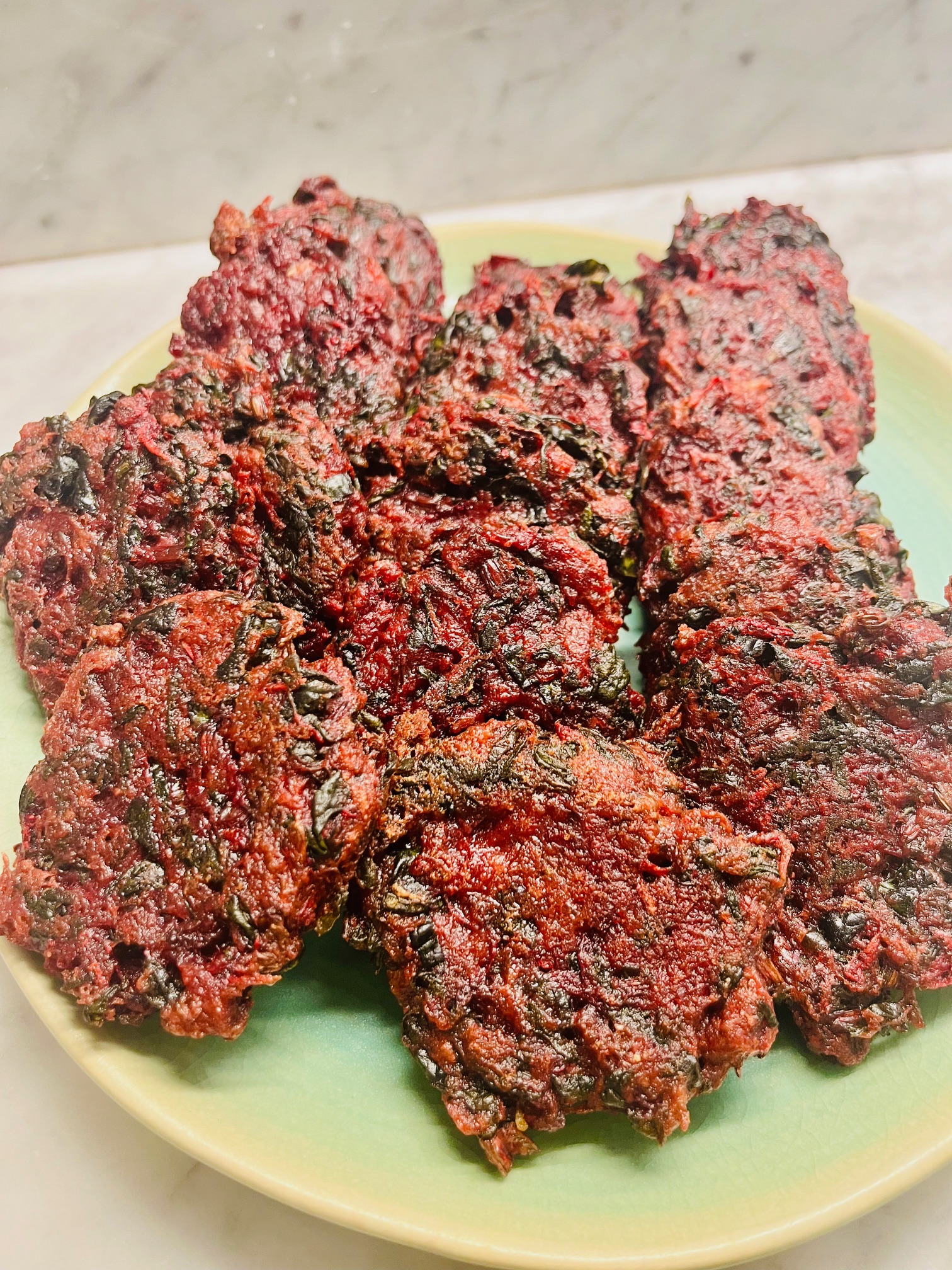
These mangold patties are vegan variation on a traditional Sephardic Rosh Hashana recipe. Mangold is beets in Arabic. The main ingredient is beets-both the greens and the root, mixed with a bit of potato, kale, onion and spiced with baharat. It’s a very versatile dish that can be an appetizer or a main side. Beets are commonly eaten on Rosh Hashana because in Hebrew they are called “selek” which means to remove with the intention that our enemies will be removed in the new year. Scroll below for more of my Rosh Hashana recipes with other symbolic ingredients including apple cake, beet carpaccio, apple galette and black eyed peas. Shana Tova u’Metukah! Continue reading

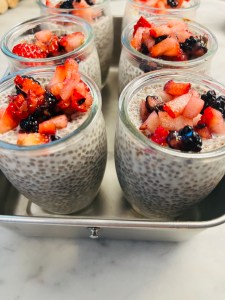
Shavuot: Vegan Chia Pudding

Opting out of Shavuot recipes made with milks from animals, doesn’t mean you’re missing out on delicious, creamy desserts. As Jews, a group of people that are disproportionately lactose intolerant, along with a plethora of Jewish teachings about supporting animal welfare, it makes sense to me to opt for delicious, healthy, and humane Shavuot recipes that are dairy-free (added bonus: they’re easy!). As the holiday that celebrates the giving of the Torah, it is befitting that it begins in Genesis 1:29 with the ultimate declaration for way of eating deeply connected with the land. “And God said: ‘Behold, I have given you every herb yielding seed which is on the face of all the earth, and every tree, in which is the fruit of a tree yielding seed – to you it shall be for food.'”

Ironically, the dairy humans eat is from cows, goats, who are plant-based animals. We can have enough nutritional sustenance through a plant-based diet while also enabling these animals to not spend their lives solely producing milk for our benefit. There’s lots of easy ways to insert plant-based dairy into recipes (e.g. swap out cow milk for almond milk in a cake recipe, try vegan yogurt in your smoothie, or use olive oil instead of butter for your pancakes).

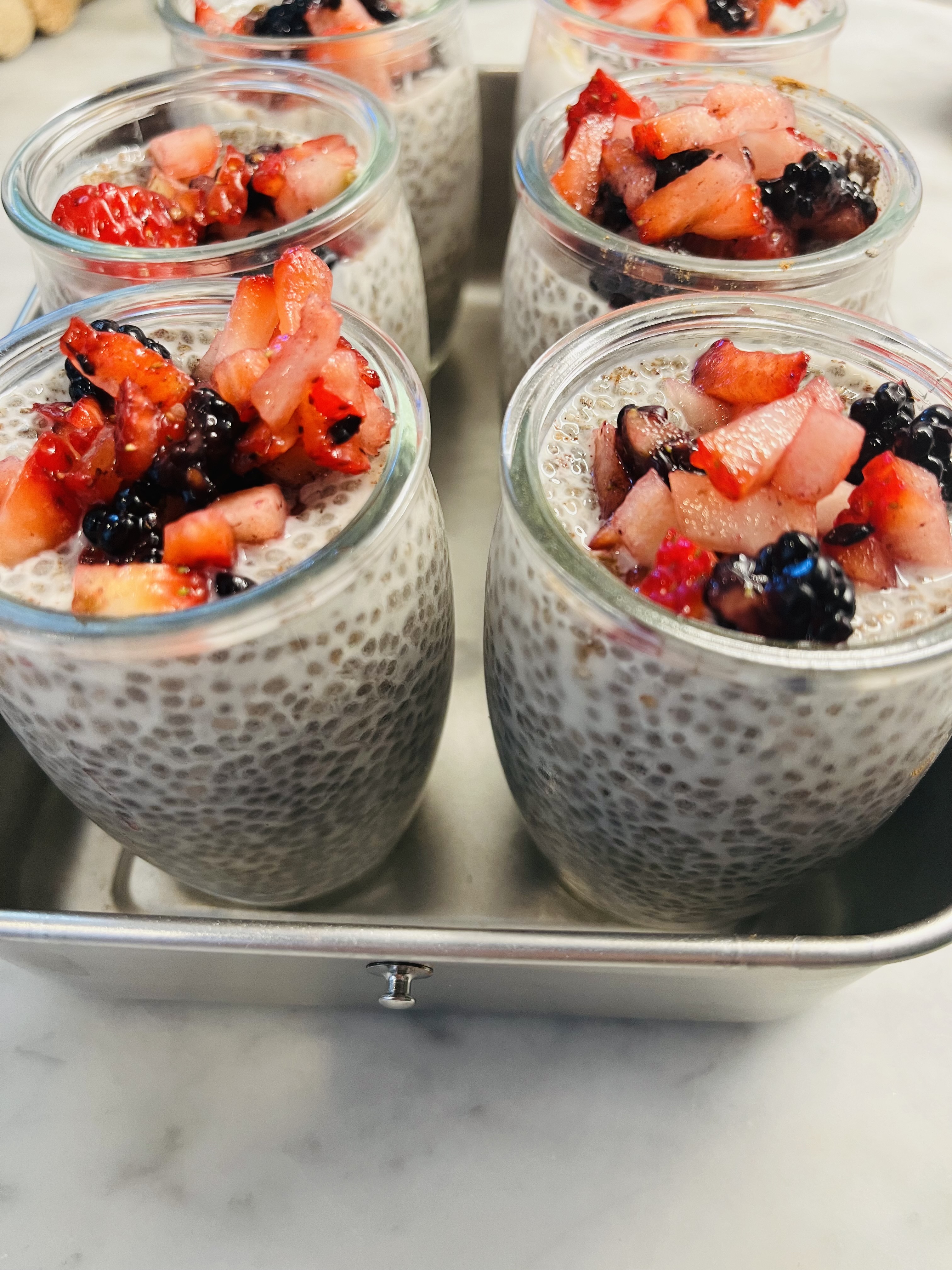
I prepared a delicious but simple chia pudding recipe for Shavuot that can be prepared with a range of flavors and toppings to the neutral chia based. At the bottom, find previous Shavuot recipes including vegan ice cream, vegan blintzes and bourekas! Continue reading

Pesach: Roasted Beets and Beet Tahini

Roasted beets and beet tahini

Instead of a shank bone, many people now replace it with a roasted beet on their seder plate (z’roa) as a representation of the pascal lamb, for a veg based meal. Inspired by this custom, I decided to prepare a roasted beet dish. I used red beets but you could use golden or an assortment. I love the versatility of beets-raw, roasted, liquified, and more.   This one is a combination of roasted beets as well as tahini with roasted beets. Added bonus are the chives I clipped from my sister’s garden to sprinkle on top. Scroll below for the recipe plus my other previous Pesach recipes including karpras salad and olive oil chocolate cake. And, click here to learn about leaving an empty seat at your seder table for a hostage. Continue reading

Purim: Queen Esther’s Salad

Queen Esther’s Salad

You might be wondering where the hamantaschen recipe is (scroll to the bottom) or why I’m sharing a bean recipe for Purim. The Queen Esther salad that I created is for a Purim seudah (meal) and is made with many symbolic ingredients. First, according to Gil Marks in Olives and Honey Trees, chickpeas are a traditional Ashkenazi food eaten at Purim (amongst other celebrations). Olives are a symbol of mourning and also commonly eaten in Purim dishes that symbolized Haman (along with eggs and other ingredients like noodles), as explained in Claudia Roden’s, The Book of Jewish Food. Last, there’s a Talmudic teaching that Queen Esther became a vegan, eating just legumes and seeds while she lived in King Achashaverus palace, to ensure she did not eat non kosher foods (another bonus of being vegan :)). I generally sprinkle seeds on my salad, because I like the crunchy texture and contrasting flavors they provide. And, if you’re looking for more delicious (and sweet) Purim recipes, they are at the bottom of the post (including two types of hamantaschen)!  Continue reading

Sukkot Couscous & Fall Vegetables

I love Sukkot–eating outside, enjoying fall fruits and vegetables, deepening our connections with nature and agricultural cycles. I recently spent time at an incredible native plants nursery near my home. It was fantastic: endless rows of plants native to the Mid-Atlantic region with detailed signs explaining the type of soil and sun they prefer. Between the rows the ground was deep mud and water after heavy rains for two days. Trudging along the rows in my rain boots, I just wanted to buy everything! The native plants are essential because they are “native” to the region in which they evolved and planting them helps to support biodiversity that attracts pollinators such as bees as well as butterflies and birds, better absorbs groundwater retention, and doesn’t require the use of chemicals.  Perhaps native plants don’t look as neat and trim as other gardens but they are humming, buzzing and flourishing. The Sukkot dish I made reinforces the importance of local, sustainable agriculture and happens to be easy and delicious. Continue reading