Shevat: Fruit Tree Jams

Shevat Jams: bottom-apple, left-kumquat orange, right-fig

Shevat Jams: bottom-apple, left-kumquat orange, right-fig

The month of Shevat begins in a few days. The holiday of Tu B’shevat is a New Year celebration for trees. It’s definitely the locavore and environmental holiday of the Jewish calendar that marks the age of trees for tithing. It is customary to eat a new fruits and/or one of the seven species of Israel: barley, wheat, grapes, pomegrantes, olives, figs and date (or date syrup) on the holiday. Inspired by a Kabbalistic tradition, it has become commonplace to celebrate the holiday with a seder–guests enjoy an array of tree grown nuts and fruits as well as discussions about environmental issues we face today. While enjoying fruits this month, consider planting a tree or donating to a tree fund.  the US. Also, check out Fallen Fruit, which maps and harvests fruits in public urban spaces.

I prepared three jams with fruits purchased from the farmers market at the Tel Aviv port and from trees in my neighborhood. Unlike most jam recipes that call for large quantities of sugar, these recipes are fairly low in sugar. Enjoy with fresh, warm bread. Continue reading
Tevet: Eyes

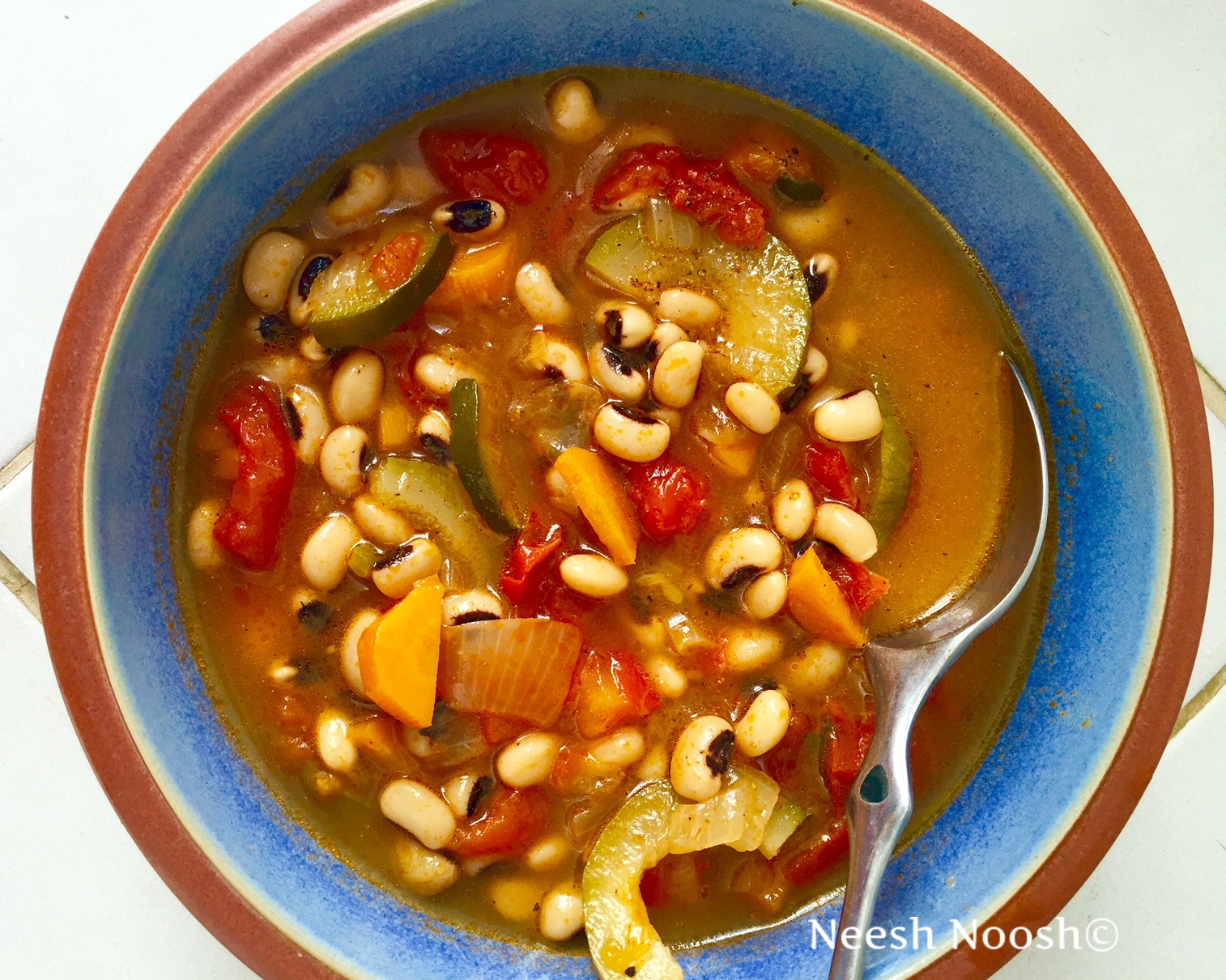
Tevet: Black Eyed Pea Soup

Tevet: Black Eyed Pea Soup

The letter of Tevet is “ayin” which also means eye. “The month of Tevet is the month of the rectification and nullification of the ‘evil eye.’ The word Tevet itself comes from tov, “good,” referring to tov ayin, ‘the goodly eye.'” Indeed, celebrating the remaining days of Chanukah during the beginning of Tevet is an opportunity to see good in the world, as revealed in the burning of the holiday’s candles. “We need the power of the light of Chanukah, especially the light of the last day of Chanukah. . . to help us rectify the “Evil Eye” and to reveal the good (Tov – Tevet) in whatever exists.”

Continue reading

Chanukah Round Up

FullSizeRender(228)(1)Chanukah Sameach! I hope you enjoy 8 nights of lighting candles, munching on latkes, spinning dreidels, and more. I want to share with you some new and old Chanukah posts:

8 Easy Tips for an Environmentally Friendly Hanukkah (Haaretz)

Latkes and Chanukah for London’s Borough Market

8 Infused Olive Oils (Jewish Journal)

8 Ways to Make Your Chanukah More Sustainable

Oily, Salty Salad for the Month of Kislev

Soup for Tevet

Kislev: Rainbows, Oil and Salt

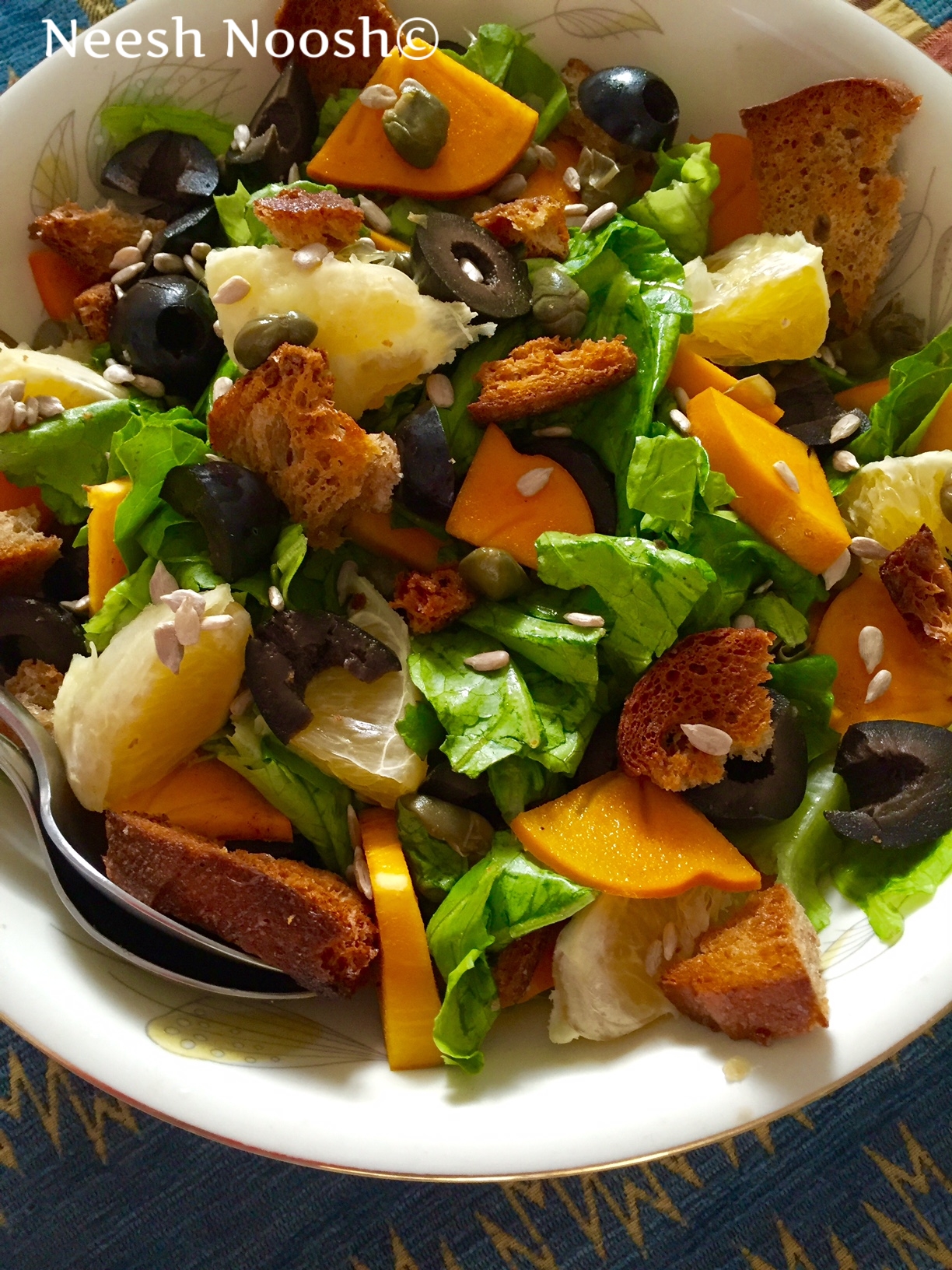
Kislev: Oil and Salt Rainbow Salad

Kislev: Oil and Salt Rainbow Salad

During the month of Kislev, which begins later this week, we celebrate Chanukah. The most obvious food of this holiday and month is oil, the miracle ingredient.  During Chanukah, some women recite the story of Judith, a heroine who used salt as a weapon. “Legend has it that Judith fed the enemy general Holofernes salty foods to make him thirsty for wine. As he lay in a drunken stupor she was able to slay him, thus saving Jerusalem from siege.”

A symbol of Kislev is keshet (rainbow). During Kislev, when the flood waters receded, a rainbow appeared in the sky and God told Noah, “I will keep my covenant with you and your descendants…and never again will a flood destroy all life. . . . I have put my rainbow in the clouds, and it will be the sign of the covenant between Myself and the world. “

Continue reading

Cheshvan: Pray for Rain

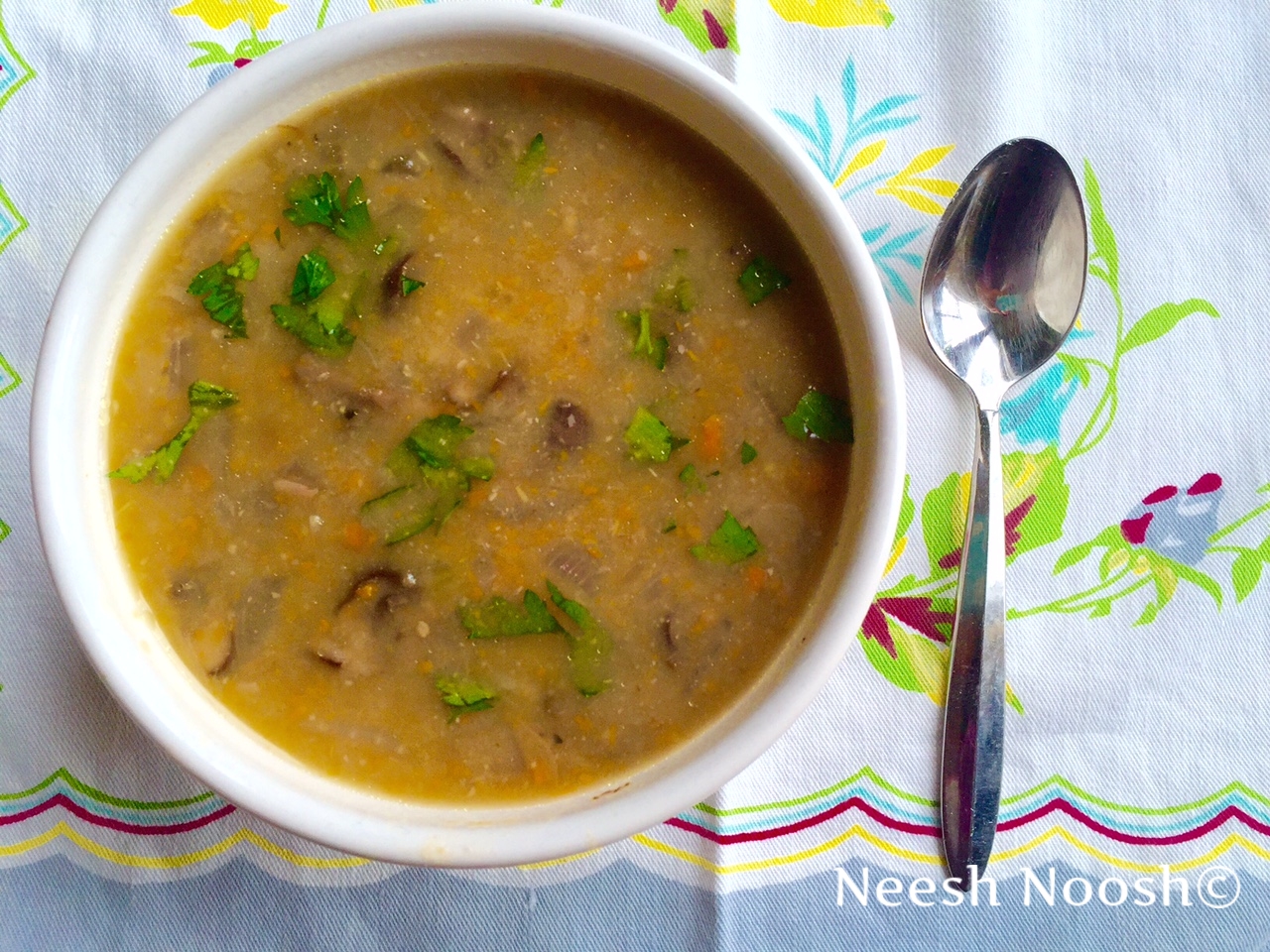
Cheshvan: Mushroom and bean soup

Cheshvan: Mushroom and Bean soup

In Israel, we begin saying the prayer for rain at the start of the month of Cheshvan (saying the prayer starts later outside of Israel). Rain is desperately needed in Israel and California, which has the worst drought on record. The primary ingredients in this soup require little water to be grown. They are also sowed in the ground and dark places, reflective of the shorter days as we approach winter. With the cooling weather, we start to stay inside more and perhaps become more insular and reflective in our nature. The month–which has no holidays–is sometimes referred to as “MarCheshvan.” Mar means bitter and the parsley leaves on top are symbolic of this bitterness.

Continue reading

Nitzavim: Choosing Life

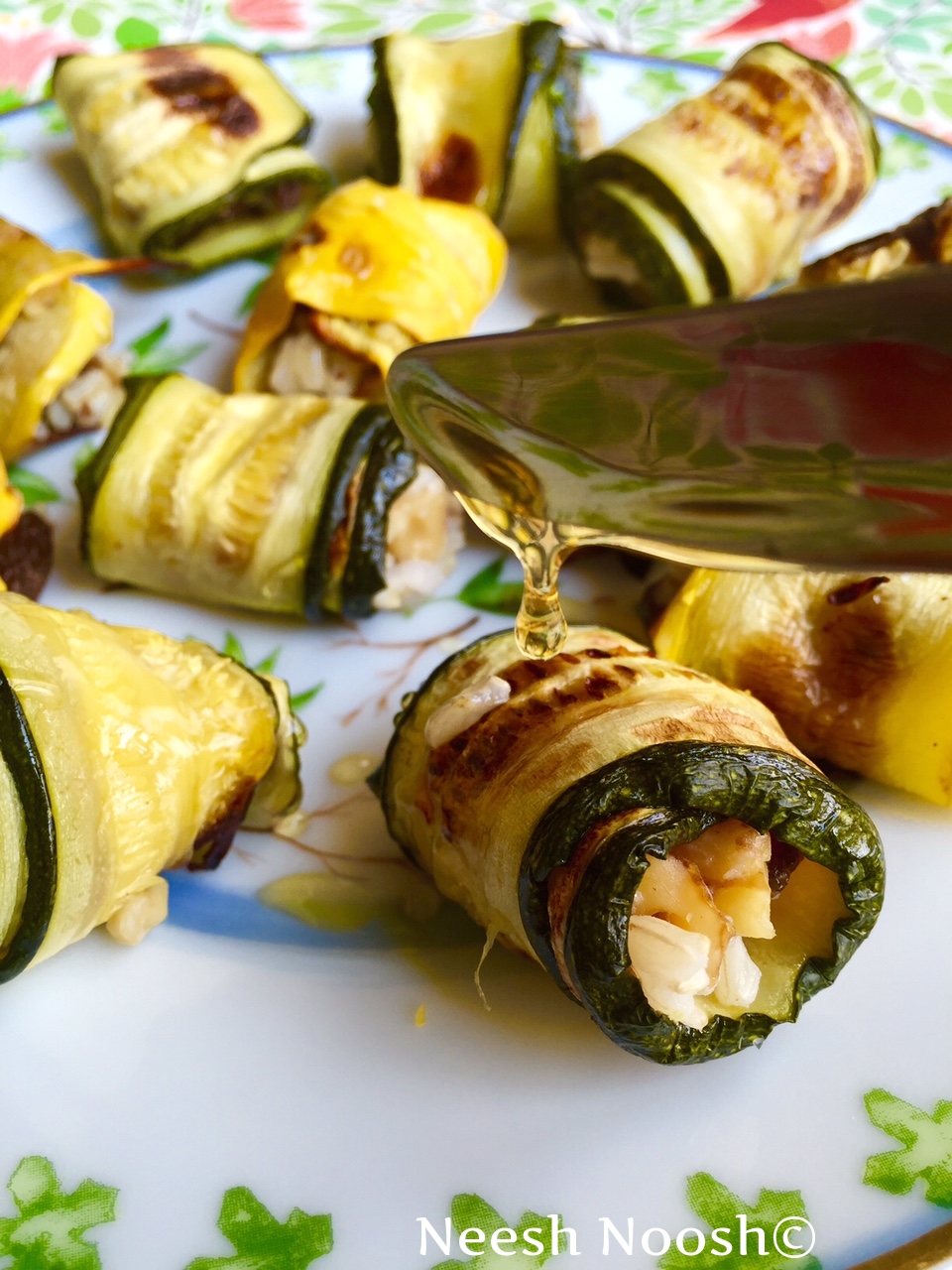
Nitzavim: stuffed zucchini rolls

Nitzavim: stuffed zucchini rolls

This week, before Rosh Hashana, we read Nitzavim during which all of the Israelites establish a covenant with God. Entering into the covenant is stepping into a concrete process in this world. “For the mitzvah which I command you this day, it is not beyond you, nor is it remote from you. “It is not in heaven . . . It is not across the sea . . . Rather, it is very close to you, in your mouth, in your heart, that you may do it” (30:12-14).

This is not about just accepting “I am Jewish” but embracing and living Jewish beliefs and values. While we are a few thousand years removed from the Israelites at Mount Sinai, their journey and experience is as relevant today to each of us. Rabbi Shai Held explains, “One of Judaism’s central projects is to maintain a living connection to our foundational moments: to remember that no matter how much time has passed, Exodus and Sinai have always only just taken place.”

Continue reading