Ki Tavo: Mitzvot and Renewal

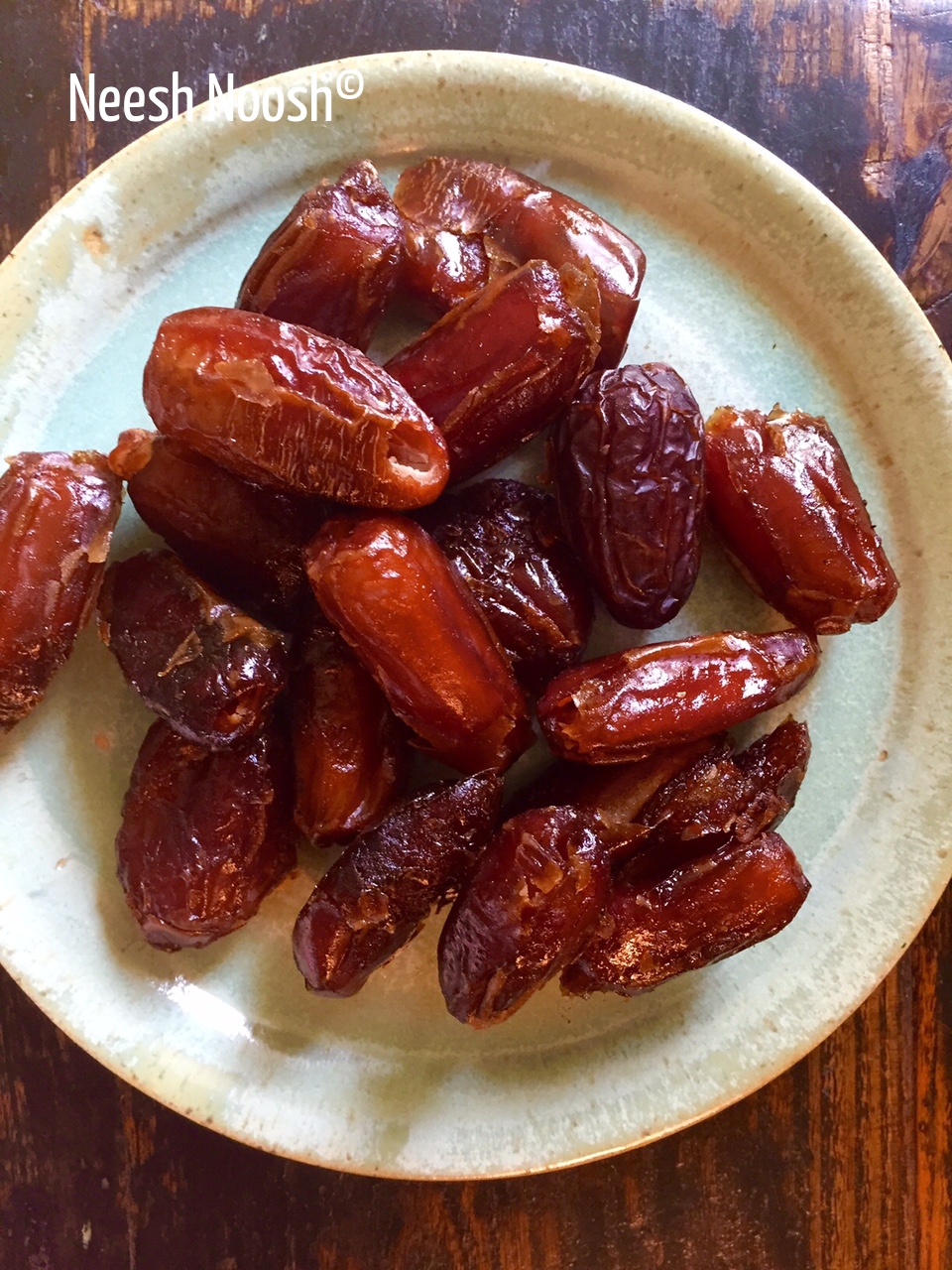
Ki Tavo: Roasted Fruit

Ki Tavo: Roasted Fruit

This week’s Torah portion, Ki Tavo, begins with the responsibility of the Israelites to bring an offering of first fruits (bikkurim) after they’ve entered the land of Israel. “He brought us to this place, and He gave us this land, a land flowing with milk and honey. And now, behold, I have brought the first of the fruit of the ground which you, O Lord, have given to me.” (26:9-10)

Fruit offerings were later replaced with prayers but the purpose and intention are the same. As my teacher, Diane Bloomfield of “Torah from Jerusalem” explains, each day is the potential for both the physical world and humans to renew through prayer and actions. Despite the darkness that shrouds much of the world, we are commanded by God, as caretakers of the world, to illuminate dark places through mitzvot (actions). Such behaviors enable us to connect more deeply to God and renew ourselves and the world.

Continue reading

Ki Teitzei: Living Compassionately and Righteously

Ki Teitzei Nest

Ki Teitzei Nest

This week’s Torah portion, Ki Teitzei, contains several teachings about the treatment of animals. It includes the prohibition against taking eggs or baby chicks from a nest while the mother is there, which has become the basis for the prohibition of cruelty against animals (tzaar baalei chayim). Indeed, for the person who does this, it is written it should be good for you, and you should lengthen your days.”

Indeed, the notion of preventing cruelty to animals was, until recently, unheard of, except in Torah. “‘Until the nineteenth century,’ wrote historian Cecil Roth, ‘cruelty to animals was nowhere illegal, except in Jewish law'”. (The Jewish Contribution to Civilization, pp. 343f). Rabbi Gershon Winkler, in commenting about the mother hen and baby chicks passage, argues, “The Torah is not interested in teaching you to feel compassion, but rather how to live compassionately.”

Rabbi Jill Jacobs writes,Beyond simply prohibiting cruelty to animals, Jewish tradition associates care for animals with righteousness.”  She cites (Proverbs 12:10): “A righteous person knows the needs of his beast, but the compassion of the wicked is cruelty.”  

Continue reading

Shoftim: Pursuing Justice for the Environment

FullSizeRender(175)(1)In this week’s Torah portion, Shoftim, Moses demands of the Jewish people,  צֶדֶק צֶדֶק תִּרְדֹּף, Justice, justice shall you pursue” (16:20).

It also includes the following. “When you besiege a city for many days to wage war against it to capture it, you shall not destroy its trees by wielding an ax against them, for you may eat from them, but you shall not cut them down.” (20:19)

This injunction to protect fruit trees is a foundation of bal tashchit (do not destroy) and  “is the halakhic basis of an ethic of environmental responsibility,” writes Rabbi Jonathan Sacks. Chabad.org explains that bal tashchit, “underscores the Divine imperative for us to take matters concerning the preservation of our environment very seriously.”

Continue reading

Re’eh: Meat and Poverty

Re'eh Ratatouille

Re’eh Ratatouille

In this week’s Torah portion, Re’eh, it is written, ‘I will eat meat,’ because your soul desires to eat meat, you may eat meat, according to every desire of your soul” (12:20).  Follows is a list of animals that cannot be consumed and the commandment not to cook a kid in its mother’s milk.

Further along in the Torah portion, it is written, “If there will be among you a needy person. . . you shall not harden your heart, and you shall not close your hand from your needy brother” (15:7).

Rabbi Jonathan Sacks teaches that, “It was through agriculture that the Torah pursued its religious and social programme. It has three fundamental elements. The first was the alleviation of poverty.”

In our current society, what is the connection between eating meat and people living in poverty? The people in the US who are raising animals for food consumption are needy people. Continue reading

Matot-Massei: Concentric Circles

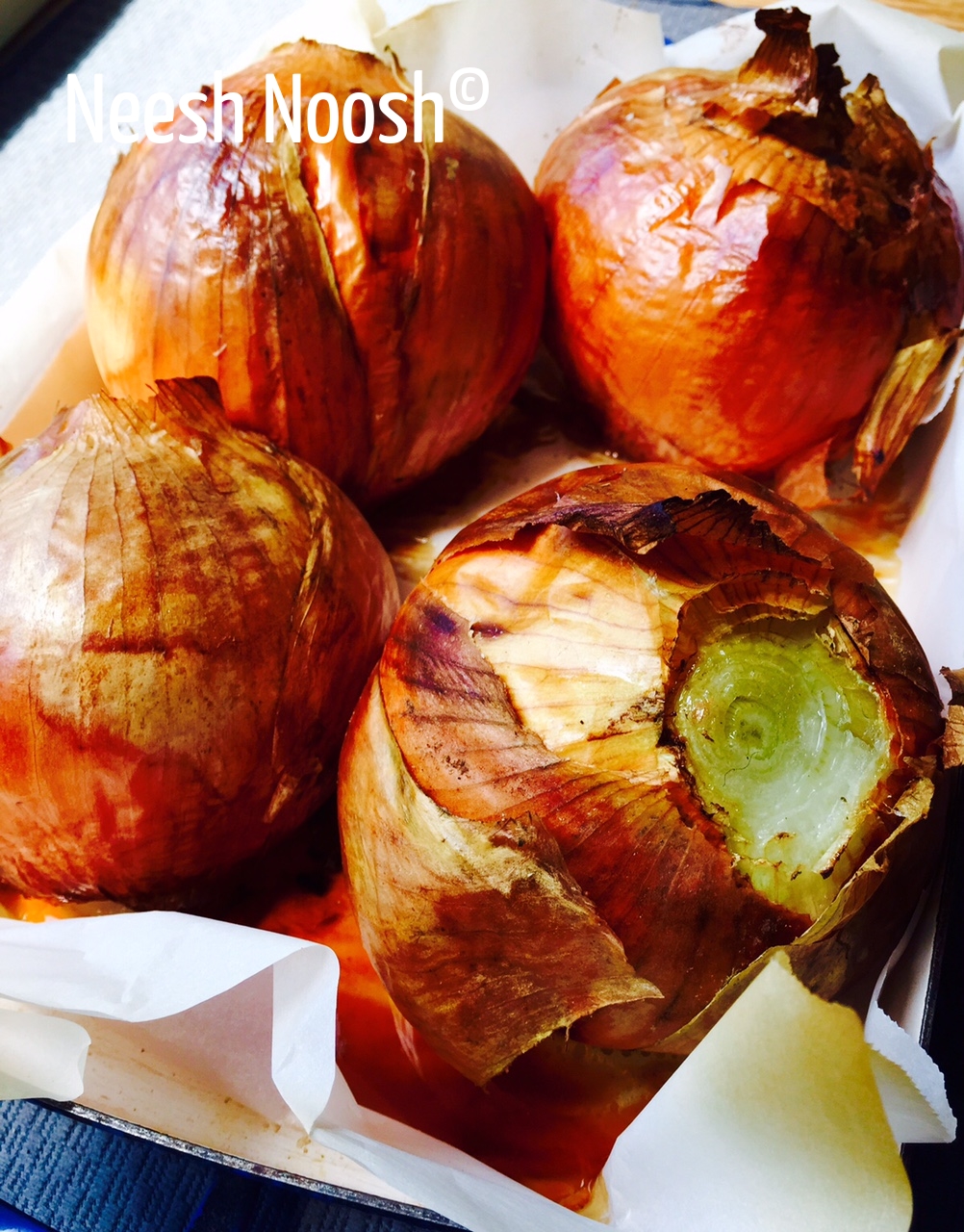
Matot-Massei: Roasted onions

Matot-Massei: Roasted onions

I received a basket of enormous, homegrown onions from a family friend. Layers of thick dirt muted the rich golden tones of the onions. Each one had just been picked and a mass of dried out, dusty stalks, like wild hair, was sprouting from the bulbs.  I wasn’t sure what to do with so many onions until I read this week’s parsha, Matot-Massei.  I prepared a simple roasted onions side dish. These concentric circles of onion are delicate, rich in flavor and easy to prepare. This week I offer many different thoughts about the onions and how the dish relates to themes in the parsha. Continue reading

Korach: From Rebellious to Sacred

Korach: Pancakes with strawberry compote

Korach: Pancakes with strawberry compote

In this week’s Torah portion, we read about rebellious Israelites, led by Korach. While his complaints about the status of Moses and Aaron might seem like the words of an early democratic activist, his intentions were actually self-serving. He is “the arch-demagogue, lusting for power to inflate his own prominence, not to serve the people” (Etz Hayim, p. 860). He led a group of Israelites in opposition to not only Moses and Aaron but “that of Torah, and ultimately, God.” (Etz Hayim, p. 860). Rabbi Samuel Barth notes, “The sin of Korah was in thinking of himself as “outside the community”; he betook himself and his followers from being part of the People of Israel, and they became a faction, catalysts for further factionalization.”

Rabbi Moshe Bryski, on Chabad.org writes that Korach lived his life yearning for a different one, jealous of others. He comments that “A person who sees the essence of life as serving the will of His Creator does not expend useless energy craving places where the grass is greener. He finds meaning, purpose, joy and fulfillment in the place where the grass is greenest of all: his own.”

Continue reading

Shelach: Fear or Trust?

FullSizeRender(141)

Shelach: Milk and honey rice pudding

In this week’s parsha, Shelach, Moses sends the 12 spies to scout out the land of Canaan. Upon their return, they recount that the land does flow with milk and honey. But, they also were fearful of its inhabitants, explaining that they cannot conquer them. They tell Moses that it is a land filled with people that “devours its settlers. All the people we saw in it are men of great size. . . and we looked like grasshoppers to ourselves, and so we must have looked to them” (13: 32-33).

The Israelites are crushed and wish that they had never left their enslaved lives in Egypt. Only Caleb and Joshua are unwavering in their faith that God can deliver them to the land. God is enraged by their lack of faith, fear: How long will this people provoke Me? How much longer will they not believe in Me after all the signs I have performed in their midst?(14:11). God declares that none of this generation of Israelites (except Caleb and Joshua’s families) will enter the land.

Continue reading

Naso: Blessings and Unity

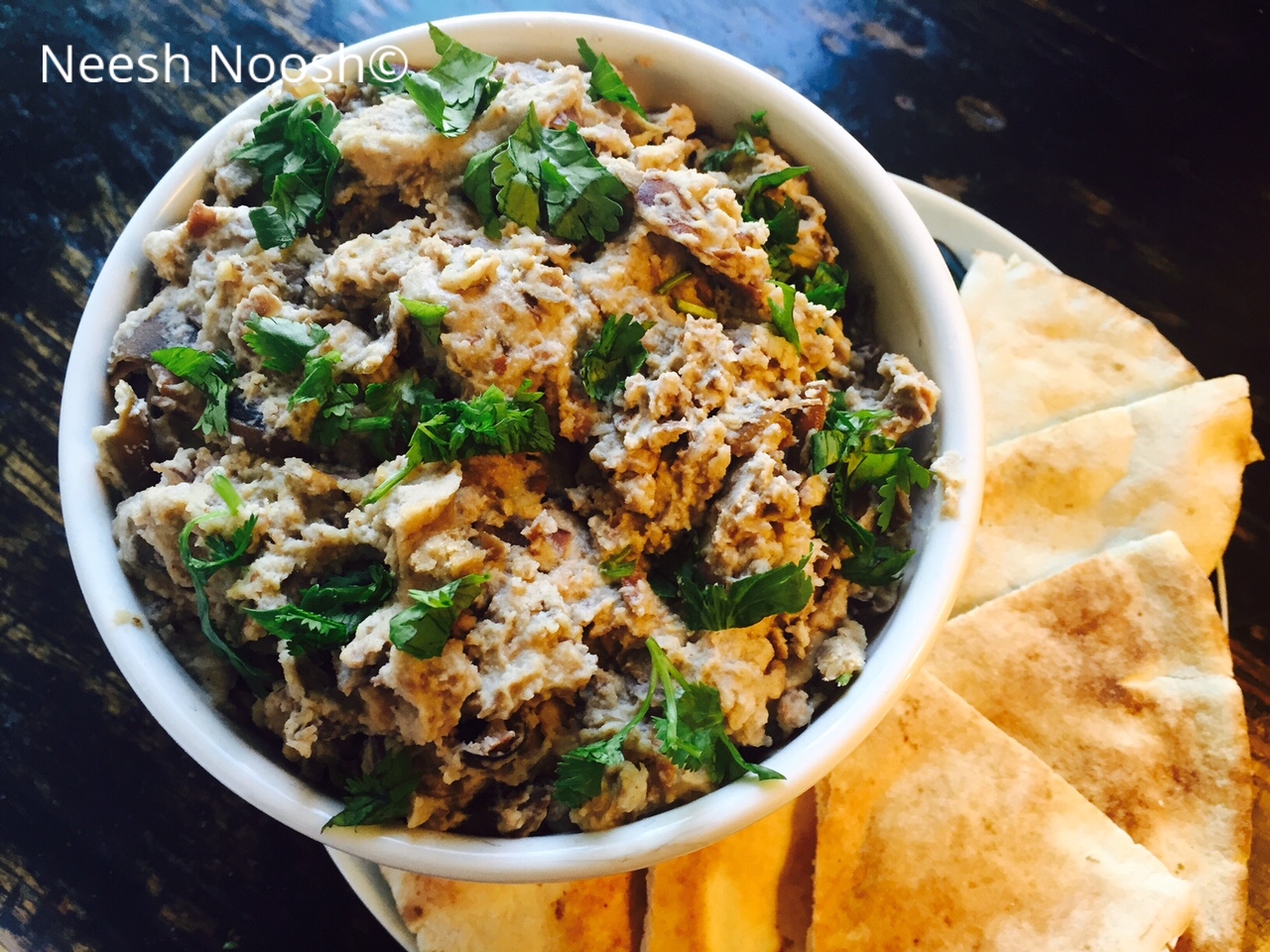
Naso: Ful Medames

Naso: Ful Medames

In this week’s parsha, Naso, God says to Moses:
Speak to Aaron and his sons: Thus shall you bless the people of Israel. Say to them:
The Lord bless you and protect you!
The Lord deal kindly and graciously with you!
The Lord bestow His favor upon you and grant you peace!
Thus they shall link My name with the people of Israel, and I will bless them. (6:23-27)

Continue reading

Bamidbar: Centering in the Wilderness

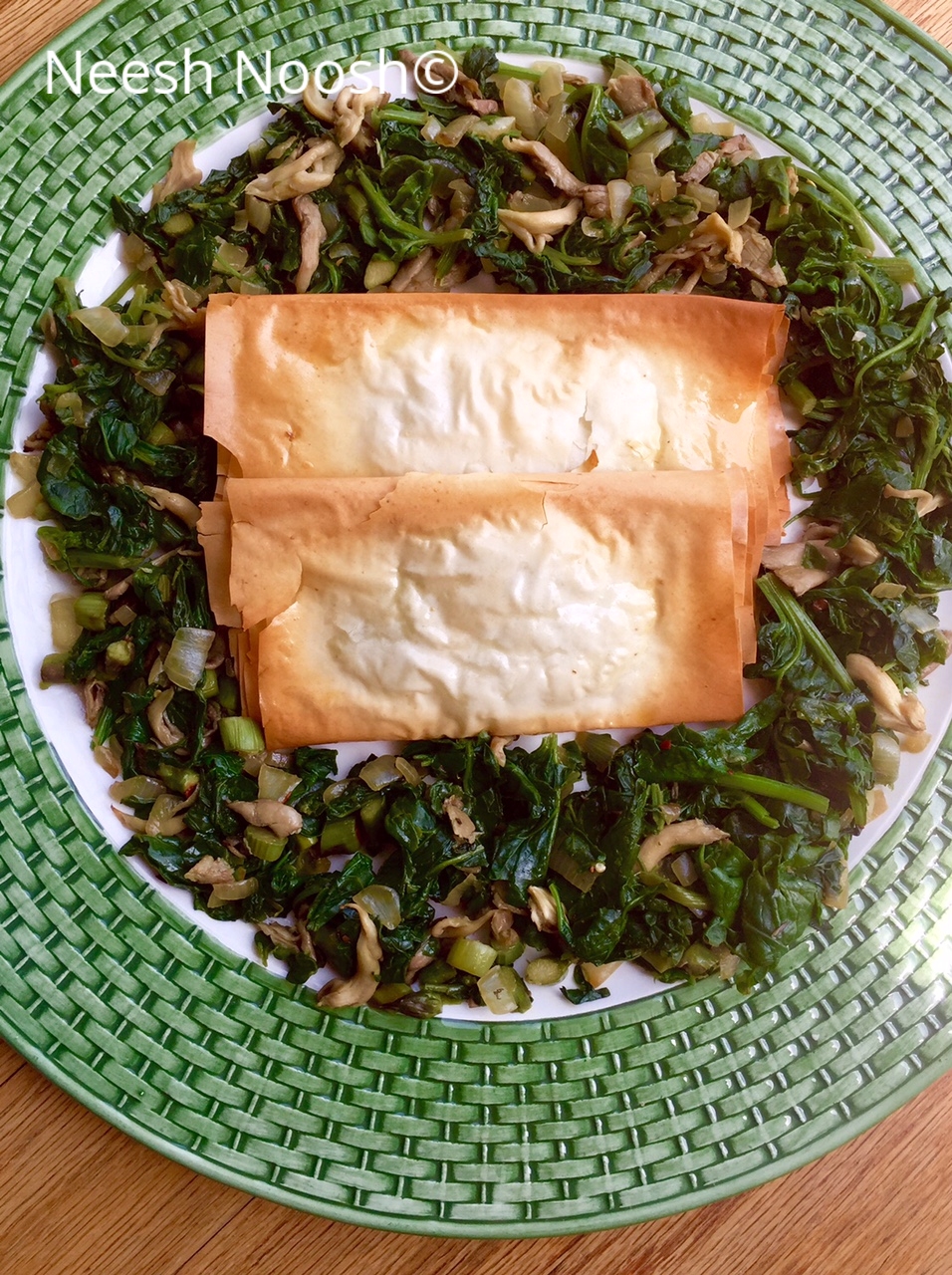
Bamidbar: bourekas and greens

Bamidbar: bourekas and greens

Bamidbar is both the name of the fourth book of the Torah (referred to in English as Book of Numbers) and this week’s portion. After receiving the 10 Commandments at Mount Sinai, Bamidbar/Numbers tells the Israelites journey through the wilderness.   A wild landscape conjures images of unrefined, undeveloped, unknown. Our own journeys might have similar descriptions: intimidating, challenging, mysterious. During the Israelites journey, “we will see much adventure, crisis and turmoil take place in the darkness of the wilderness,” writes Yael Shy.

Despite their years in the wilderness, though, the Israelites have a guide to center and direct them: the Tabernacle that they transport. It is always placed in the middle of the Israelites as they walked and camped. Etz Hayyim commentary notes, “The tabernacle was the first thing one saw on leaving home and the first thing one looked for on returning home” (p.774). Continue reading

Emor: Not Cutting Corners

Emor: Kaleidescope scapes, carrots, garbanzo beans

Emor: Kaleidescope scapes, carrots, garbanzo beans

At the beginning of Emor it is written, They shall not make bald patches on their heads, nor shall they shave the edge of their beard, nor shall they make cuts in their flesh” (21:5).

And, in the middle of a description about the holiday of Shavuot, comes the following: When you reap the harvest of your Land, you shall not completely remove the corner of your field during your harvesting, and you shall not gather up the gleanings of your harvest. [Rather,] you shall leave these for the poor person and for the stranger. I am the Lord, your God.” (23:22).

Both of the facial beard and field corners are called payot.

Continue reading