
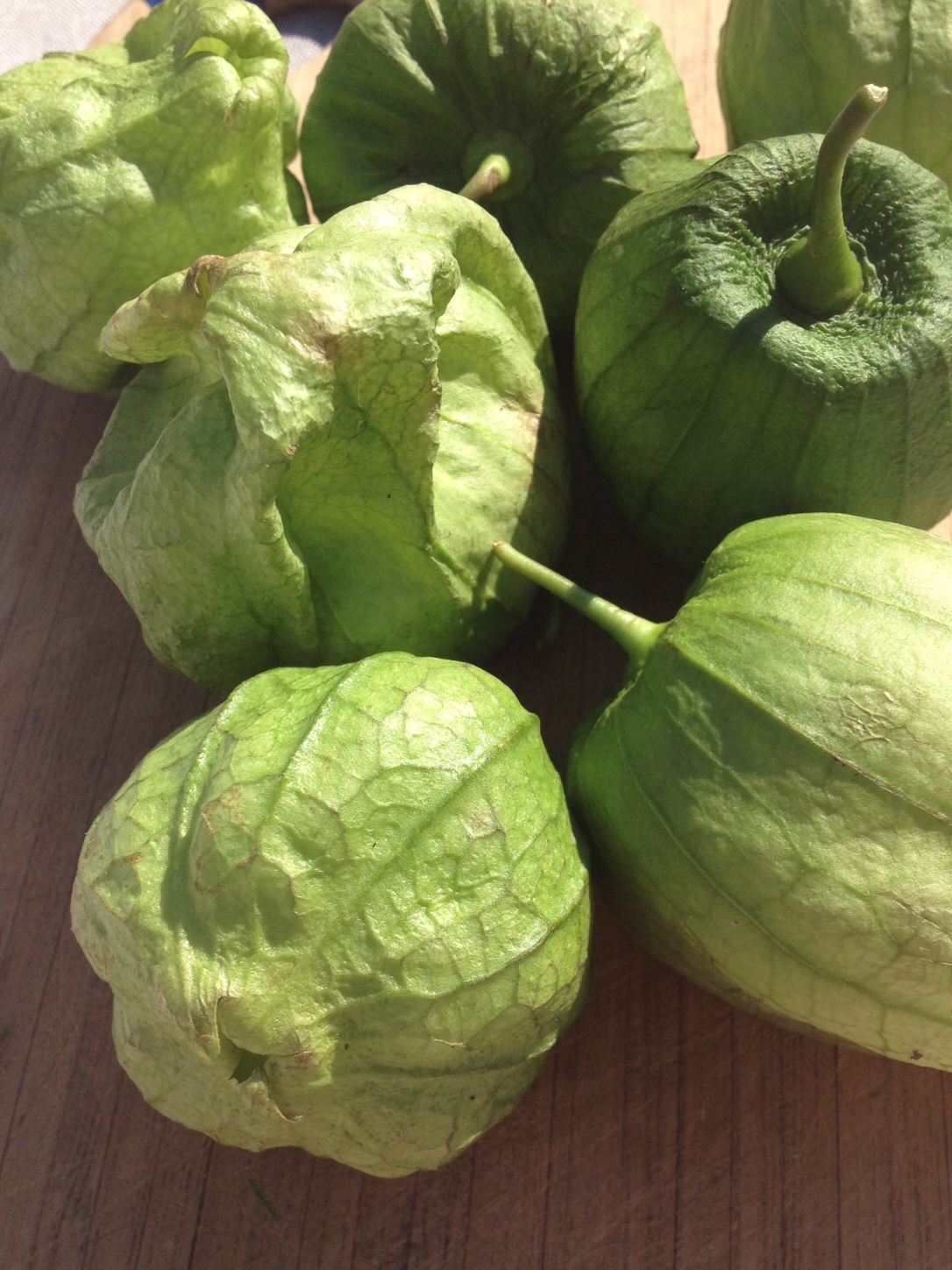
Tomatillos
I live in Southern California. The majority of my water is pumped from Northern California and other western states. It’s energy intensive, illogical and not sustainable. To add to this, California is in the worst drought in the past 500 years. What does this mean for Californians and the rest of the nation?
A LOT! California is America’s fruit basket and salad bowl–the state provides half of the fruit, vegetables and nuts for our country. In the process of growing all of this food, the California agriculture sector uses 80% of the state’s water.
This is dire for state’s agriculture, which has already lost a half million acres of farmland, will cost the industry $2.2. Billion this year and 17,000 jobs. For some Californians, like hundreds of Tulare County residents (many of whom are Mexican immigrants drawn to the region for agricultural jobs) who use well water, their taps have run dry.
So, what does this have to do with Shmini Atzeret? Bookended by Sukkot and Simchat Torah (in Israel, it is celebrated on the same day as Simchat Torah), the importance of California’s water situation is keenly attached to this holiday. This holiday concludes the harvest period and initiates the rainy season. It is on this day that we say the Tefilah HaGeshem (Prayer for Rain). The following line is added to Amidah, Masheev HaRuach U-Moreed HaGeshem (He causes the wind to blow and the rain to fall) and is said until Passover (when the rainy season concludes). While this holiday never held the gravitas or excitement of other ones for me, I’m keenly aware now of the genuine importance of it, living in this parched state. Continue reading



 Neesh Noosh