Kislev: Rainbows, Oil and Salt

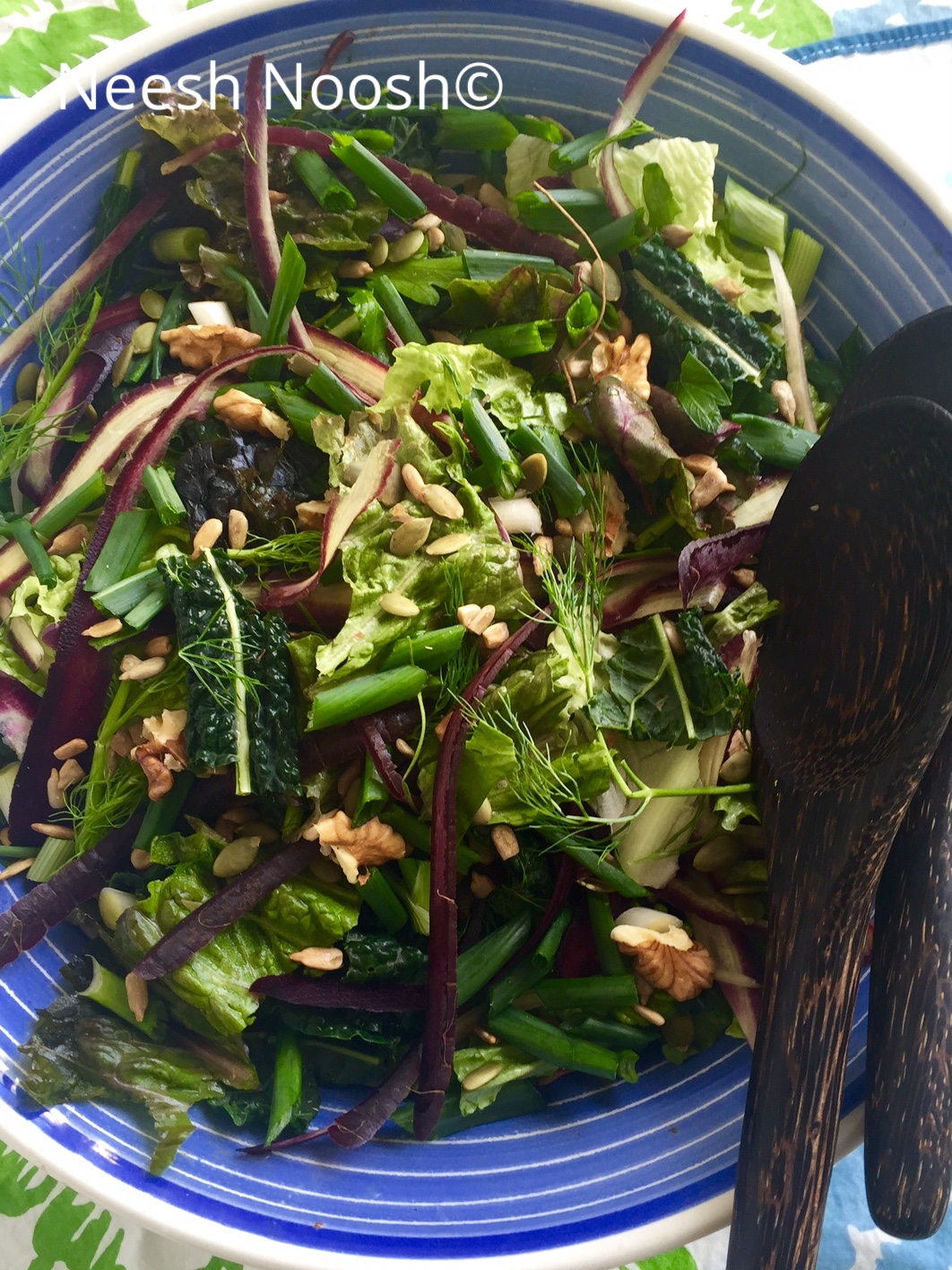
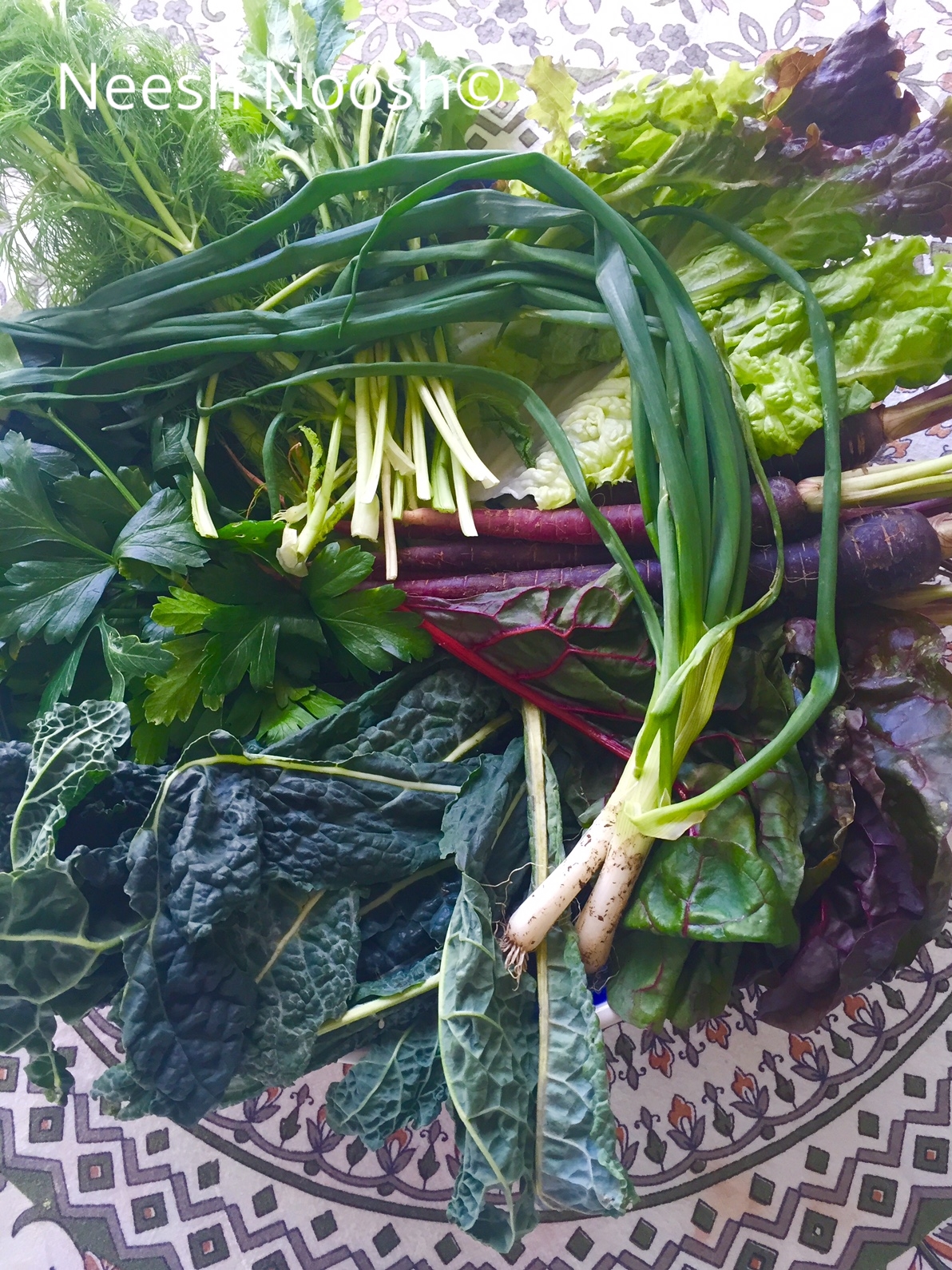
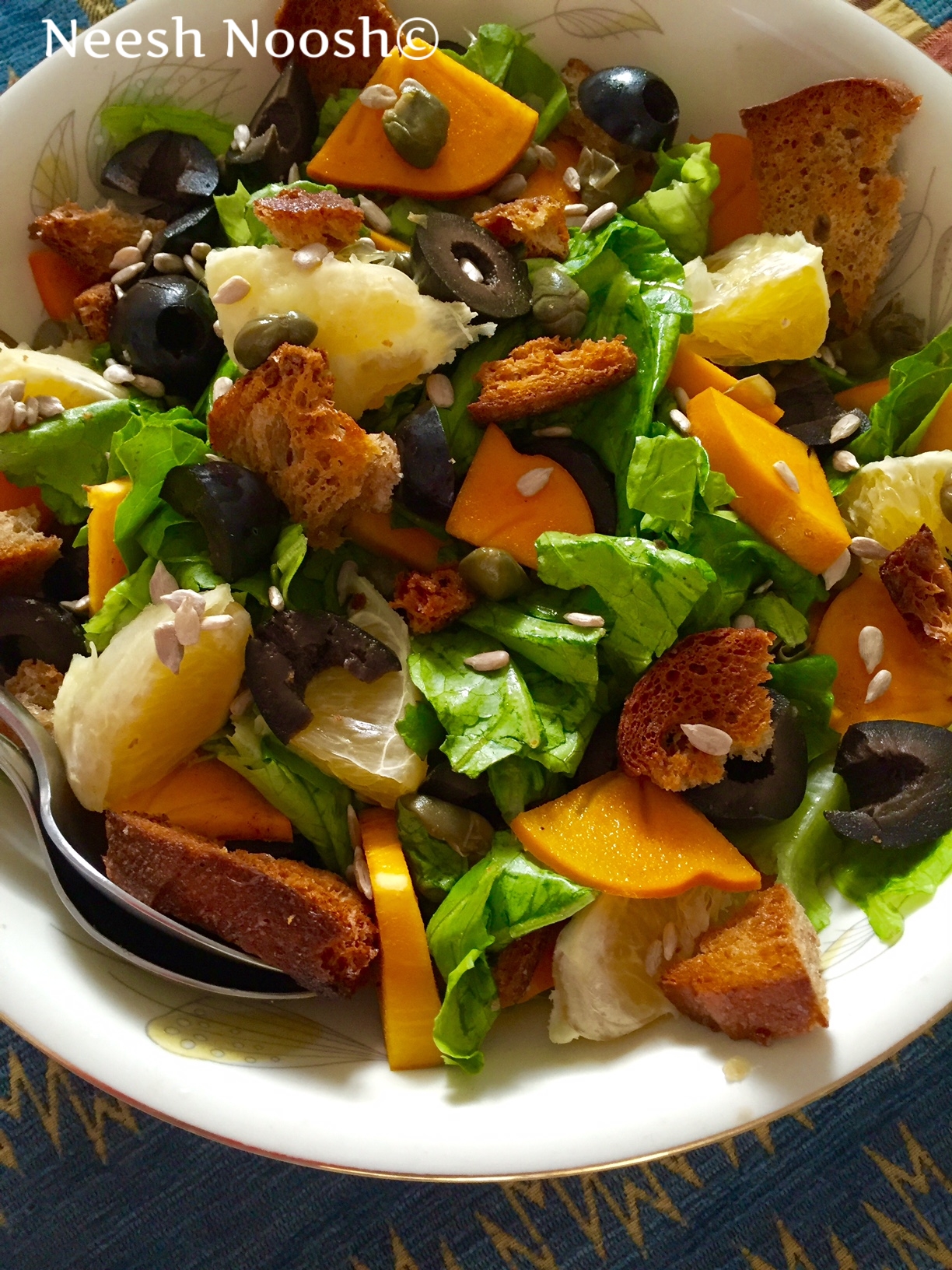
Kislev: Oil and Salt Rainbow Salad

Kislev: Oil and Salt Rainbow Salad

During the month of Kislev, which begins later this week, we celebrate Chanukah. The most obvious food of this holiday and month is oil, the miracle ingredient.  During Chanukah, some women recite the story of Judith, a heroine who used salt as a weapon. “Legend has it that Judith fed the enemy general Holofernes salty foods to make him thirsty for wine. As he lay in a drunken stupor she was able to slay him, thus saving Jerusalem from siege.”

A symbol of Kislev is keshet (rainbow). During Kislev, when the flood waters receded, a rainbow appeared in the sky and God told Noah, “I will keep my covenant with you and your descendants…and never again will a flood destroy all life. . . . I have put my rainbow in the clouds, and it will be the sign of the covenant between Myself and the world. “
Continue reading

Fall Holidays: Feasting and Reading

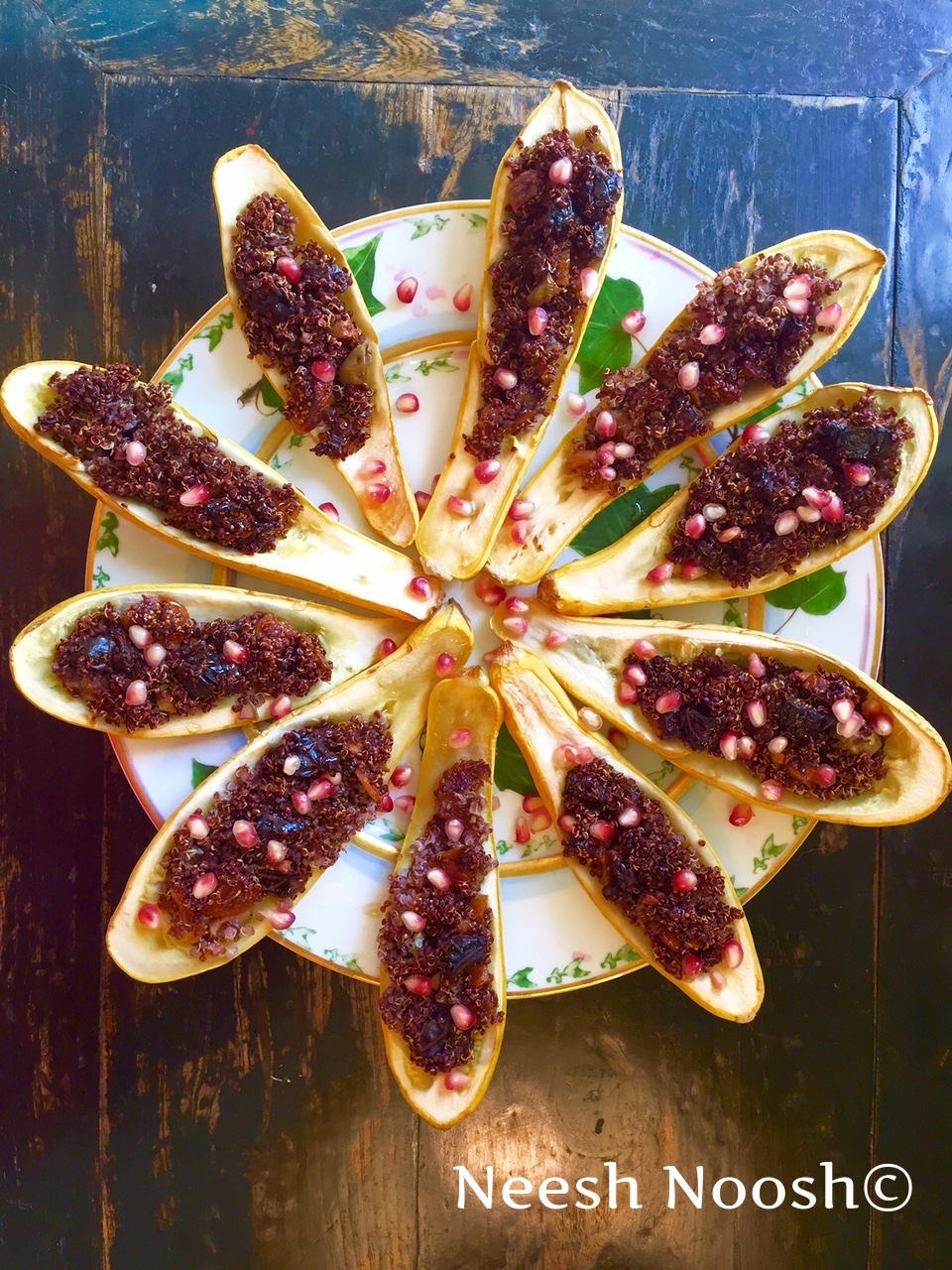
Sukkot: Stuffed Zucchinis

Sukkot: Stuffed Zucchinis

Greetings from Tel Aviv! I want to share my latest Haaretz piece about addressing the serious hunger and poverty crises in both the US and Israel.

And, I want to share with you some of my recipes for the remaining fall holidays. Sukkot is the ultimate “farm-to-table” holiday, celebrating the bounty of Fall harvest. On Shemini Atzeret we transition to saying a prayer for rain— so needed right now in Israel and the West Coast.
Sukkot:
Stuffed Zucchinis
Perennials Roast
Shemini Atzeret:
Nopales and Tomatillo Sauté
Simchat Torah:
Eggplant-Quinoa Rounds
Chag Sameach!


Shana Tova: Reflections and Moving into a New Year

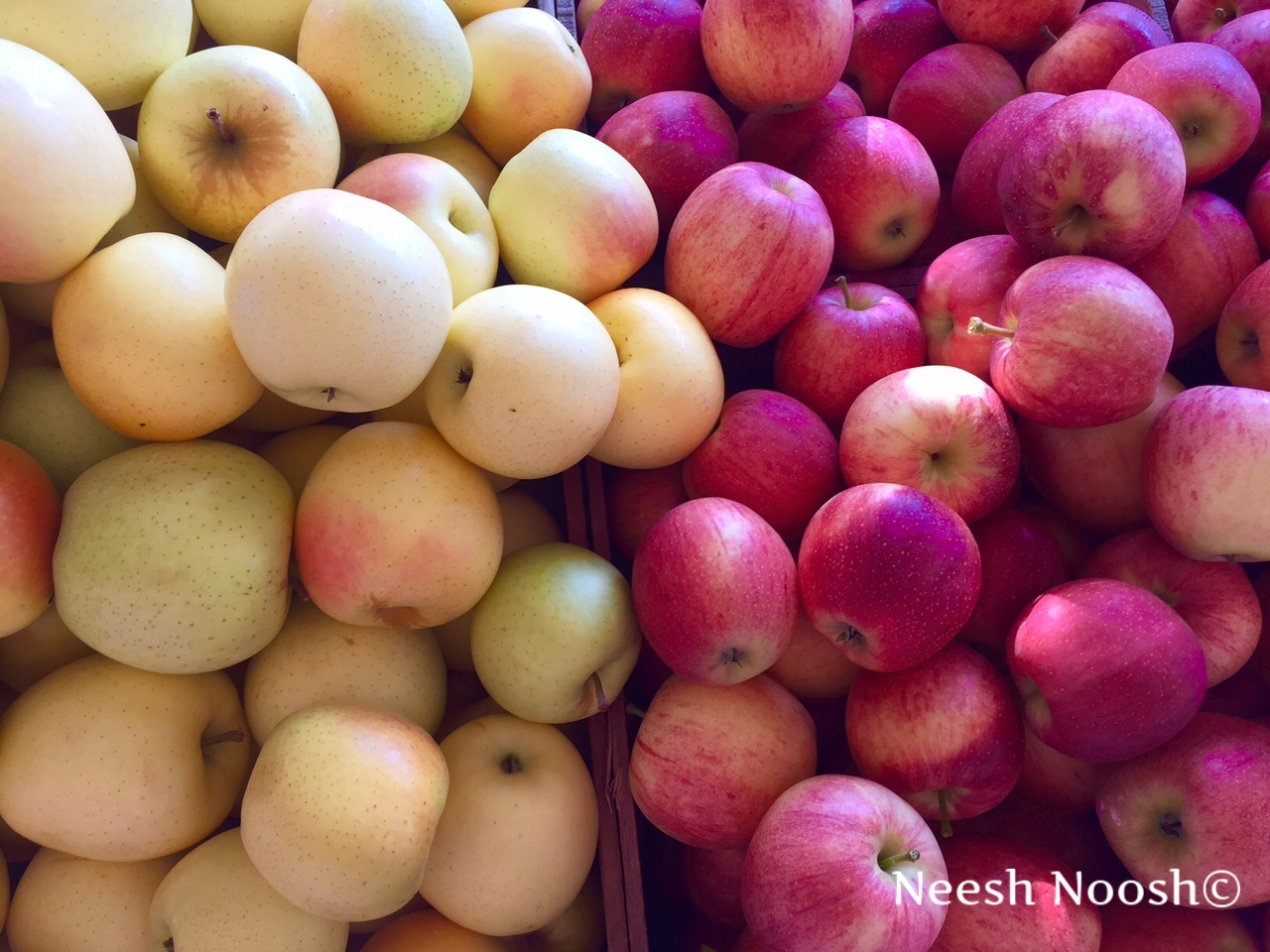
Apples. Eastern Market. Washington, DC

Apples. Eastern Market. Washington, DC

Shana Tova! Last year at Rosh Hashana, I decided to start Neesh Noosh, without having a vision or plan. Just a desire to learn, cook and write. What a whirlwind and exciting journey it has been! I want to share an article, after the break, that I wrote for last week’s Jewish Journal about my journey writing Neesh Noosh.

In the coming year, instead of creating a dish for the weekly Torah portion, I will make a recipe for each Rosh Chodesh (new month).  I am also working on turning the blog into a cookbook.

Thank you to everyone who reads Neesh Noosh. I am grateful for your support and encouragement!  I hope you will continue to enjoy reading and cooking with me in the new year.

Wishing you a sweet, healthy new year!
Sarah

PS: If you want to read more about Rosh Hashana and food ethics, please check out  an article I wrote for the Isareli paper, Haaretz: What do Jewish Morals Have to Say About Your Rosh Hashana Dinner?

Continue reading

Ki Tavo: Mitzvot and Renewal

Ki Tavo: Roasted Fruit

Ki Tavo: Roasted Fruit

This week’s Torah portion, Ki Tavo, begins with the responsibility of the Israelites to bring an offering of first fruits (bikkurim) after they’ve entered the land of Israel. “He brought us to this place, and He gave us this land, a land flowing with milk and honey. And now, behold, I have brought the first of the fruit of the ground which you, O Lord, have given to me.” (26:9-10)

Fruit offerings were later replaced with prayers but the purpose and intention are the same. As my teacher, Diane Bloomfield of “Torah from Jerusalem” explains, each day is the potential for both the physical world and humans to renew through prayer and actions. Despite the darkness that shrouds much of the world, we are commanded by God, as caretakers of the world, to illuminate dark places through mitzvot (actions). Such behaviors enable us to connect more deeply to God and renew ourselves and the world.

Continue reading

Shavuot

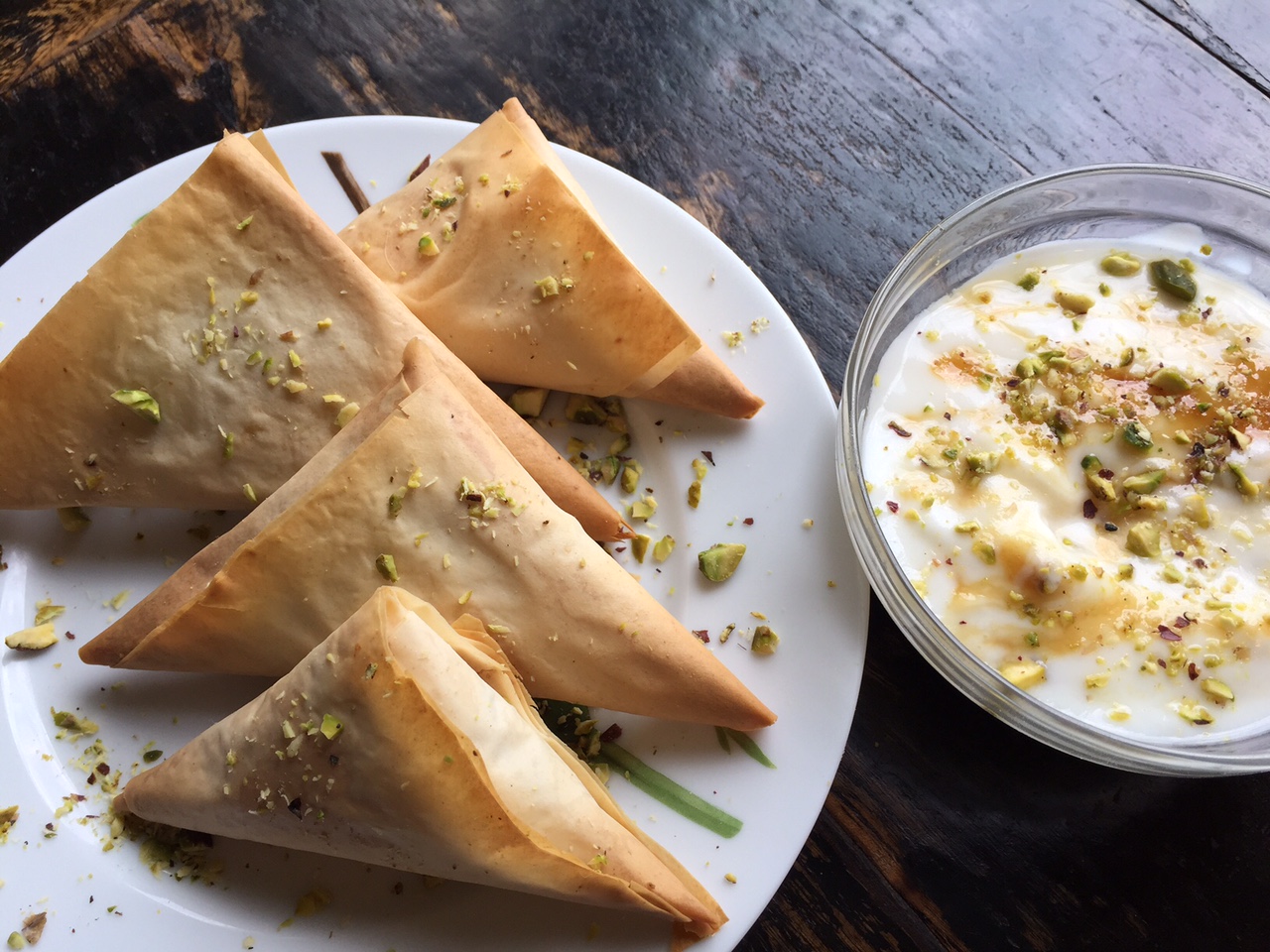
Borough Market bourekas

Borough Market bourekas

In the Torah, it is written about the Shavuot offering: “you shall take of the first of all the fruit of the ground, which you will bring from your land, which the Lord, your God, is giving you. And you shall put [them] into a basket and go to the place which the Lord, your God, will choose to have His Name dwell there (Deuteronomy 26:2). Dates, figs, grapes, olives, pomegranates, and wheat were the first fruits of Shavuot.

Continue reading

Passover: Ending Slavery in our Food Systems

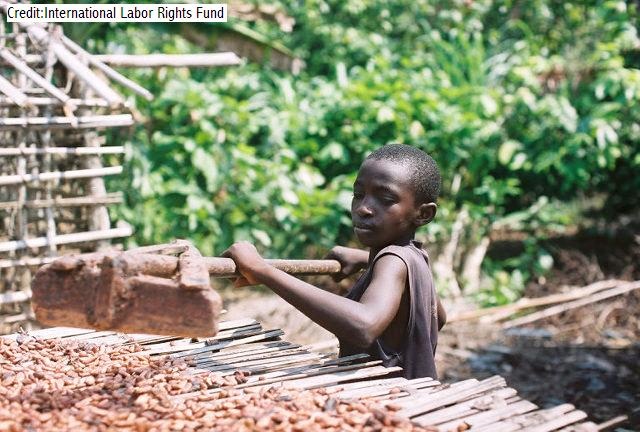
Child cocoa worker. Photo courtesy of Fair Trade Judaica

Child cocoa worker. Photo courtesy of Fair Trade Judaica

When we read at Passover, “This year we are slaves; next year, may we be free” we can do our part to ensure that our Pesach celebrations—and all year long–are free of the stains of modern day slavery. Despite the Universal Declaration of Human Rights prohibition against slavery, approximately 35.8 million men, women and children worldwide are enslaved, more people than at any point in the history of humanity. About 10 percent of enslaved people work in food industries, harvesting cacao, sugar, and tomatoes, raising cattle or catching fish. The frequent battle for cheaper prices in the global food marketplace might seem great for consumers, but “the reality is that competitive pricing is often the result of exploitative labor practices” where food is grown in disregard for human dignity and international laws. Continue reading

Passover: Liberate Yourself from Industrial Food

Peninsula Jewish Community Center. Foster City, CA

Peninsula Jewish Community Center’s Gan Tzedek (Justice Garden). Foster City, CA

Our nation is enslaved to an industrial food system that is making us sick and fat. It abuses workers (with many cases of modern day slavery), is inhumane to animals, pollutes our drinking water with manure and pesticides, and contributes to climate change. Eating is a religious act. These foods do not reflect Jewish values of humane treatment of animals, workers rights, protecting the environment and human health.

This Passover, we can liberate ourselves from this system by supporting farmers that grow food more sustainably. Below is a list of suggestions for your seder and throughout the year. There’s so much more that can be done, so please share your ideas in the comments section, at the bottom of the post.  Continue reading

Fair-Trade Kosher Chocolate Give-Away

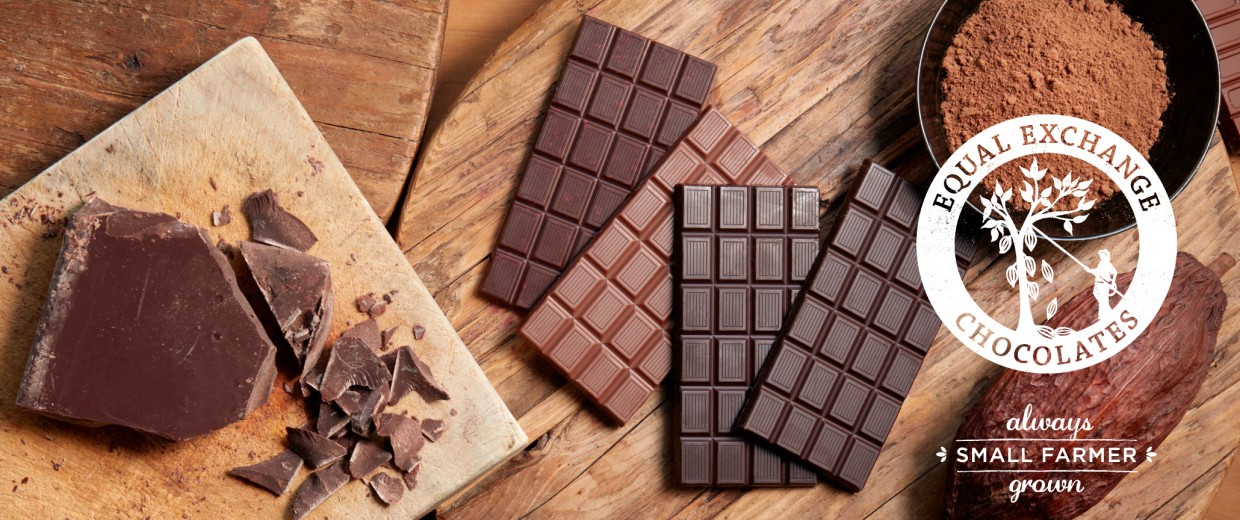
Kosher, Fair Trade chocolate

Kosher, Fair Trade chocolate

Who can say no to Fair Trade, kosher for Passover chocolate? Fair Trade Judaica is generously giving-away chocolate to one lucky reader! Enter to win by March 20, 2015 by writing in the comments section, at the bottom, about why Fair Trade kosher for Passover chocolate is important to you.  Continue reading

Tu B’shevat: New Year for trees: Savor fruits of the earth, consider their journey

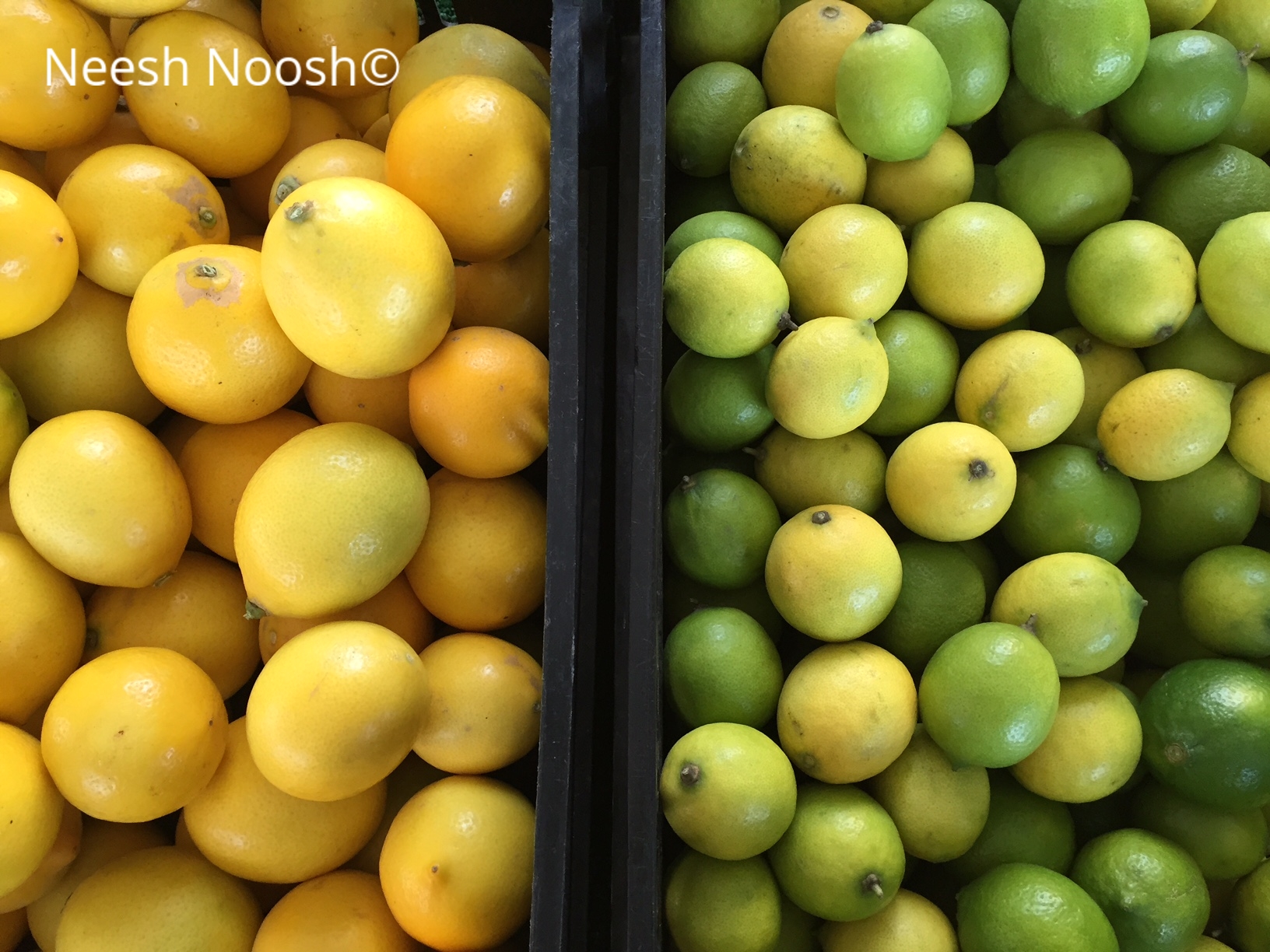
Lemons and limes. La Cienega Farmers Market

Lemons and limes. La Cienega Farmers Market

This was originally published in the print and online editions of the Jewish Journal

Tu B’Shevat, which translates literally as the 15th day of the month of Shevat, is the Jewish New Year for Trees. Mentioned in the Talmud, the holiday marks the tithing of fruits grown in Israel.

In the 16th century, Jewish mystic Rabbi Isaac Luria and his disciples developed a seder for the holiday that focused on the symbolism of the fruits and trees of Israel. Like the Passover seder, the Tu B’Shevat one includes four cups of wine, each representing a different sphere in kabbalah. The first glass of wine is all white; the fruit is inedible on the outside and edible inside. The second glass of wine is equal parts white and red wine; the fruit is edible outside and inedible inside. The third glass wine is mostly red and some white; the fruit is completely edible. The last glass of wine is all red; the fruit is “spiritual sustenance.”

The celebration of this holiday has experienced resurgence recently, celebrated as a Jewish Earth Day.

Continue reading

Vaera: Slavery Now

FullSizeRender(67)

Vaera: Maror Salad

In Vaera, we read that Pharoah digs in his heels, hardens his heart and refuses to liberate the Israelite slaves, thus launching plagues against the Egyptians. “Even from such hardened sinners as Pharaoh and the Egyptians, God did not withhold the opportunity of mending their ways. Before a plague visited them Moses was charged to warn them of its coming, to-morrow, if they remained obdurate.” (Exodus Rabba)

So, why does Pharoah continue to enslave the Israelites?

Commentary in Etz Hayyim notes that the Israelites “must be freed in such a way that they, the Egyptians, and all the nations of the world will understand that it was God’s doing, not Pharaoh’s goodwill” (p. 351). The Israelites understanding of God’s role in their liberation is important “to establish the principle that it is unacceptable for one human being to reduce another human being to slavery, that freedom is the will of God and not the choice of a despot” (p. 351). This story’s universal message is important today.

Maror Salad ingredients

Maror Salad ingredients

Despite religious teachings and the Universal Declaration of Human Rights, slavery  exists in our world. Right now, 30 million people worldwide, from domestic workers to sex workers to food supply laborers are enslaved, the largest number of people in history.  Twenty percent of these people are children. This is not just a problem “elsewhere” but here in the United States. Los Angeles, where I live, “is a top point of entry into this country for victims of slavery and trafficking.” I see it in my life as an Uprising Yoga teacher at a juvenile detention center in Los Angeles. Some of the incarcerated youth there are sex-trafficked.

Continue reading