Charleston Speckled Lima Bean Coconut Soup


Coconut Speckled Lima Bean Soup

Coconut Speckled Lima Bean Soup

I spent time recently in Charleston, a small coastal city that happens to have the oldest synagogue in continuous use in the US. It’s called Kahal Kadosh Beth Elohim and it was founded in1749.  It has a grand, columned exterior and the interior’s high ceilings, stained glass windows and rounded wooden ark make it all feel very formal and prominent. While much of Charleston’s foodie scene wasn’t for me (lots of non vegan food), I did visit a local farmers market and met someone selling beans. I grabbed a bag of speckled lima beans and created this recipe. The weather has been a mix of warmth (hence the coconut and spices) but also several cold snaps (thus a soup). Continue reading

Yom Kippur Break-Fast: Kabocha Squash Soup


Kabocha Squash Soup

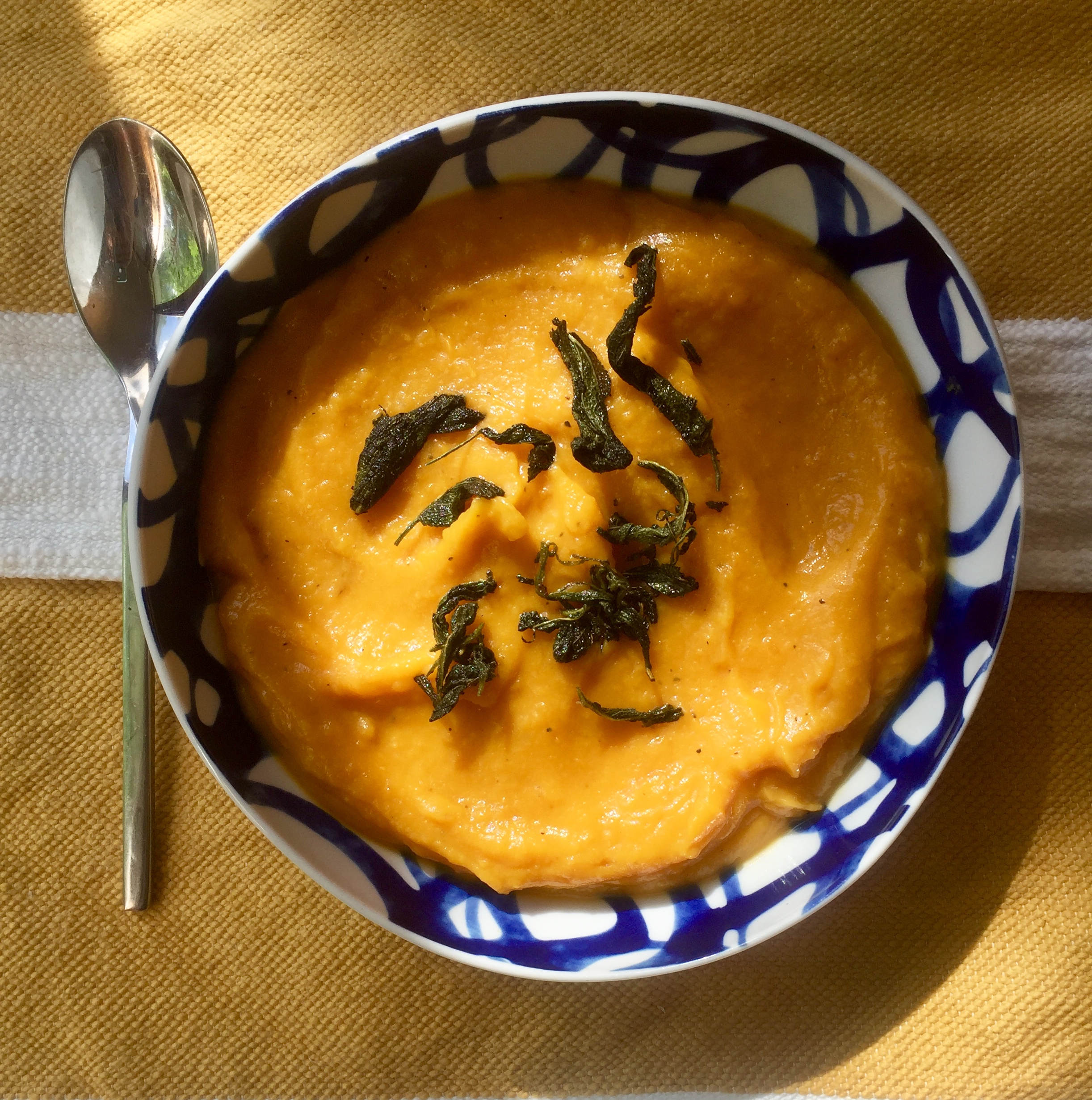
This is a really easy, hearty soup that is a perfect meal pre or post fast (or both!). I like to end my Yom Kippur fast with nourishing, light foods and tend to avoid the deluge of heavy dishes I often find at many break-fast potlucks. This soup is nourishing and filling but not heavy. It is delicious both when immediately ready for pre-fast meal and after sitting overnight for break-fast with a slice of a dark bread to dip.  If you can’t find a kabocha squash, try an acorn one. The squash should be slightly chunky so canned pumpkin isn’t the best option but is do-able in a pinch. Hope you have a meaningful, easy fast and holiday.  Also, scroll to the bottom for my other Yom Kippur recipes. Continue reading

Orez v’chamoud

Orez v’chamoud

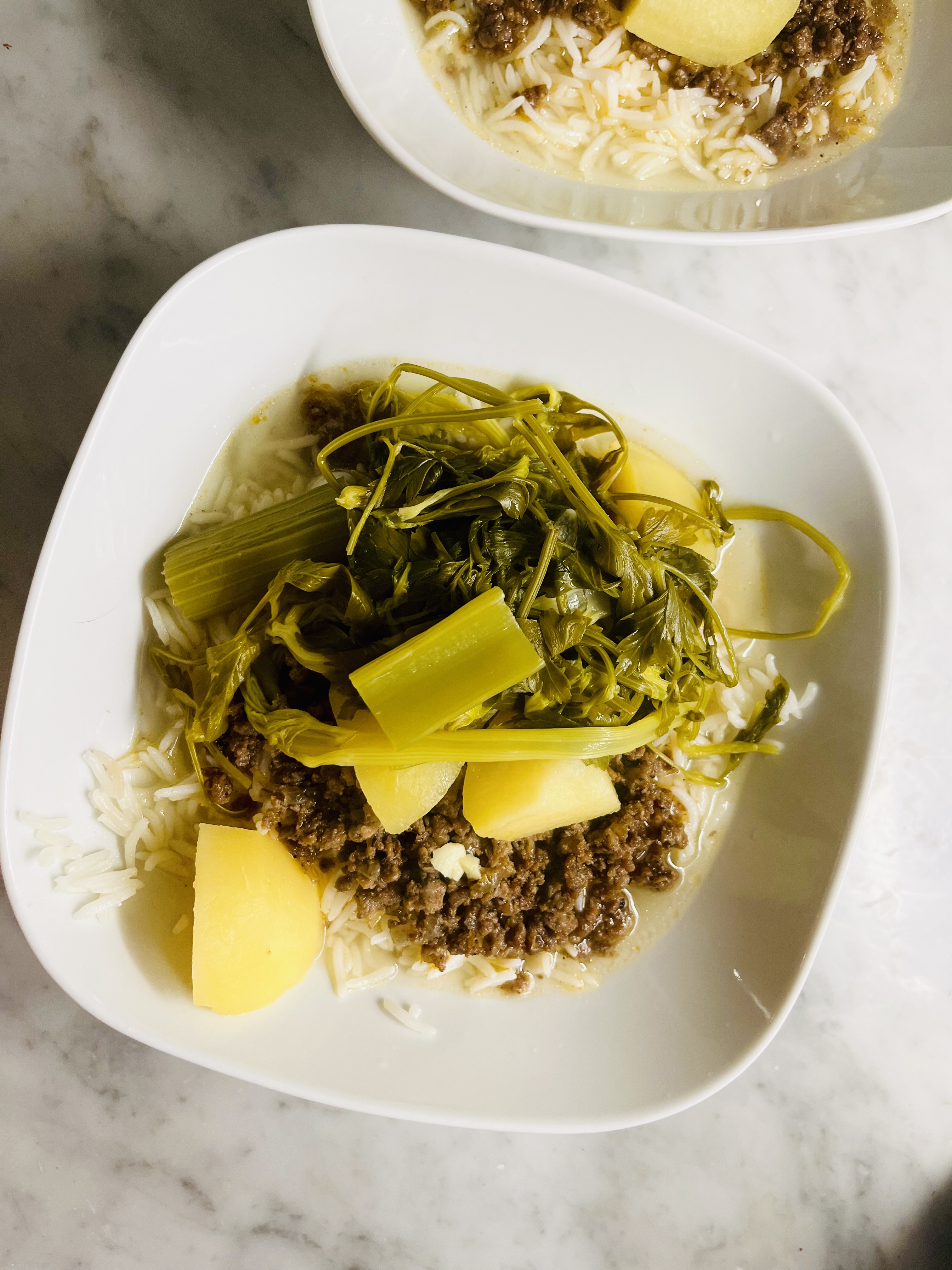
Orez (rice) v (and) chamoud (lemon chicken soup) is a Syrian Jewish dish that has been updated in this recipe to a delicious vegan version. The three part dish is a delectable balance of rice, vegan meat and creamy vegetables, assembled together with broth filled with lots of herbs and lemons, to be a hearty soup. Though it’s three parts, it’s not complicated to make and despite three pots to clean afterwards, I think that it’s worth the effort! Continue reading

Yom Kippur Break-Fast: Easy Squash Soup

Break-fast squash soup

Fasting is hard for me and I prepare by spending days whittling down meals, drinking an excessive amount of water, and gobbling as many nuts as possible just before the fast begins. I then struggle at break-fasts because there’s few foods that feel good in my stomach. Even if vegan, the pre-requisite bagels and cream cheese, cakes, kugels, cookies, and more feel like poison darts shooting through my now parched mouth and queasy stomach. I prefer to end the fast with fresh pressed juices, soups, and other gentle foods that are digestible and energizing as I transition my body back to heavier foods. So, to add to my options, this year, I prepared a butternut squash soup that is incredible easy to prepare, has minimal ingredients, and is satiating and filling (i.e. good for the tummy).  Continue reading

Yom Kippur Break-fast: Scottish Pea and Mint Soup

I had approached a recent 10 day summer holiday in Scotland with a bit of trepidation, expecting endless cold rain and being stuck in pubs eating chips for lack of any other food. Instead, it was unexpectedly filled with mostly sunshine and great vegan food. Except for having to eat a potato chip sandwich and cashews during a 17 mile hike, I found vegan food everywhere–even in a tiny town with only one pub. Another memorable hike was one with endless wild blackberry bushes; those berries not eaten instantly were picked and turned into jam that evening and enjoyed for the remainder of the trip on crackers. And, best of all, Glasgow was crowned with the glorious title of being the vegan capital of the UK.

Continue reading

Av: Mourning and Comfort

Av corn soup

Av corn soup

I’m a bit late in posting for the month of Av which includes the day of mourning, Tisha b’Av, and Tu b’Av, often called the Jewish Valentines Day. The dichotomous holidays take us through a range of emotions from sadness and sorrow moving towards comfort and joy, as we start to prepare for the high holidays. In fact the month is often called Menachem Av, which means comforter or consoler. Literally, as we move through the day of Tisha b’Av, we gradually move to a more hopeful emotional state and towards one of more comfort. We go from sitting on the floor, as is customary with mourners to sitting in chairs. Emotionally, despite the pain of Tisha b’Av, we also have hope. In Judaism, because of our history we always carry narrative of pain and sorrow but are never defeated by it and always look for redemption in even the darkest places. We are steadfast in our optimism.

Continue reading

Tevet: Eyes

Tevet: Black Eyed Pea Soup

Tevet: Black Eyed Pea Soup

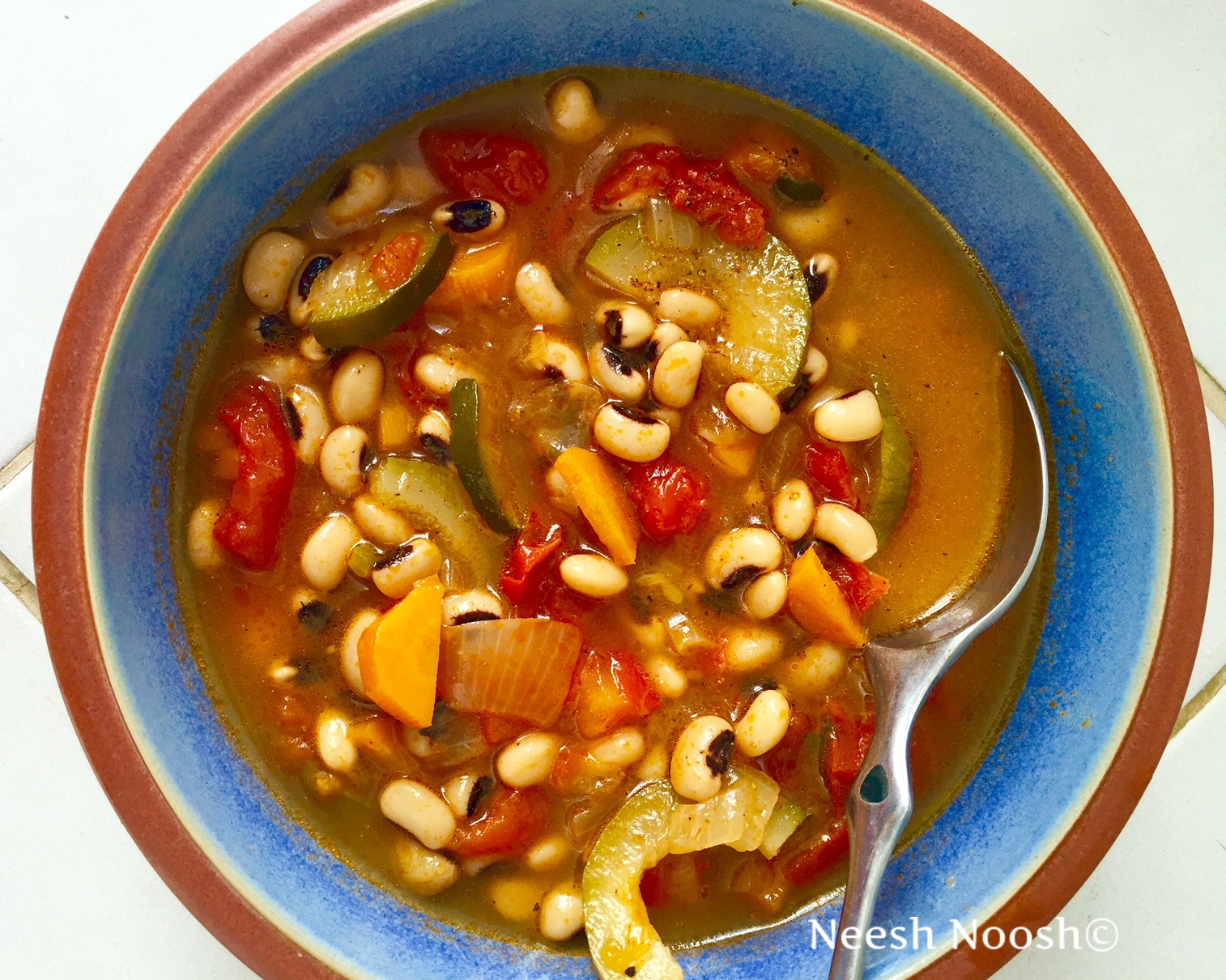
The letter of Tevet is “ayin” which also means eye. “The month of Tevet is the month of the rectification and nullification of the ‘evil eye.’ The word Tevet itself comes from tov, “good,” referring to tov ayin, ‘the goodly eye.'” Indeed, celebrating the remaining days of Chanukah during the beginning of Tevet is an opportunity to see good in the world, as revealed in the burning of the holiday’s candles. “We need the power of the light of Chanukah, especially the light of the last day of Chanukah. . . to help us rectify the “Evil Eye” and to reveal the good (Tov – Tevet) in whatever exists.”

Continue reading

Cheshvan: Pray for Rain

Cheshvan: Mushroom and bean soup

Cheshvan: Mushroom and Bean soup

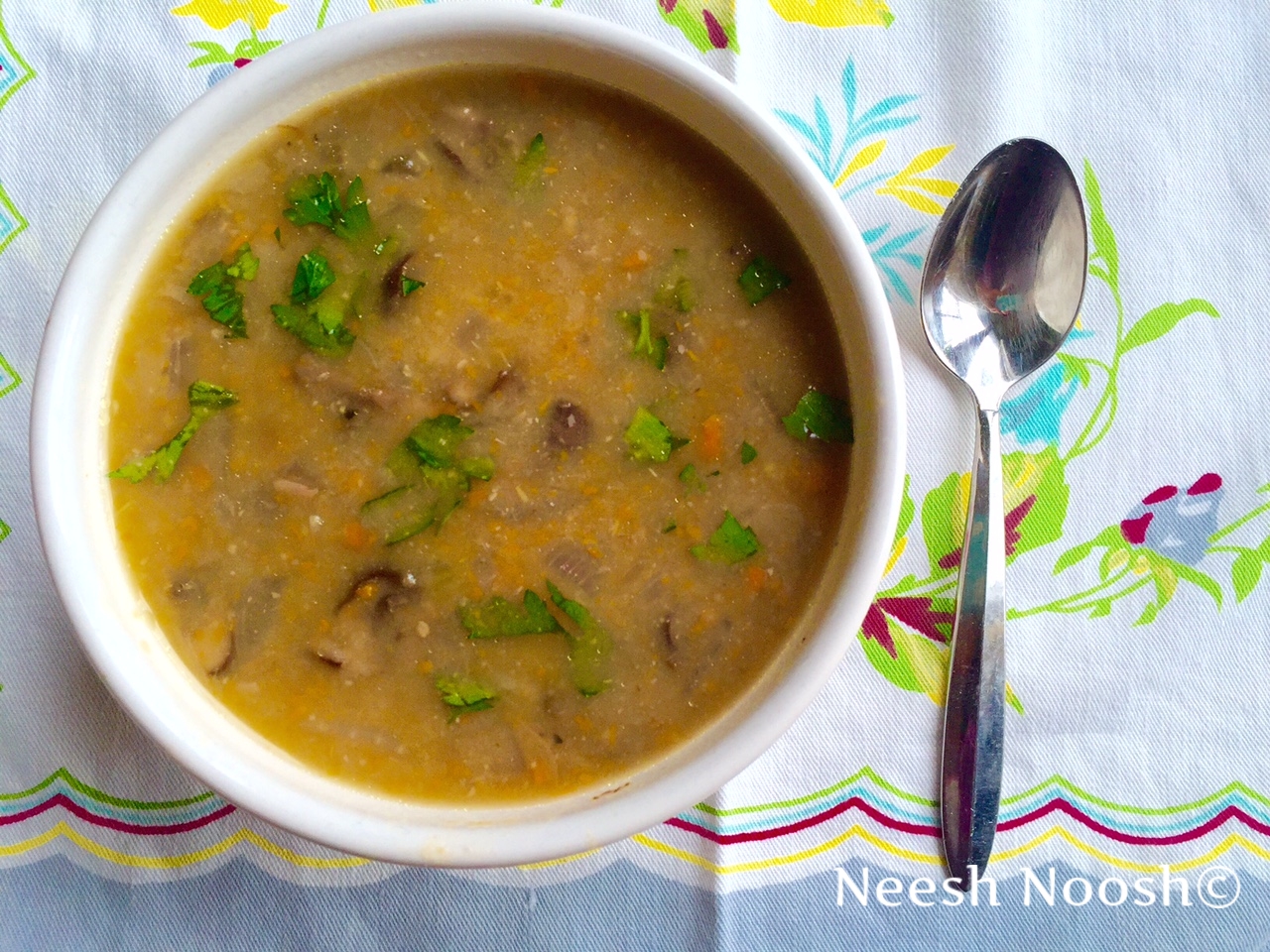
In Israel, we begin saying the prayer for rain at the start of the month of Cheshvan (saying the prayer starts later outside of Israel). Rain is desperately needed in Israel and California, which has the worst drought on record. The primary ingredients in this soup require little water to be grown. They are also sowed in the ground and dark places, reflective of the shorter days as we approach winter. With the cooling weather, we start to stay inside more and perhaps become more insular and reflective in our nature. The month–which has no holidays–is sometimes referred to as “MarCheshvan.” Mar means bitter and the parsley leaves on top are symbolic of this bitterness.

Continue reading

Tzav: Sharing with Others

Tzav soup

Tzav soup

This week’s parsha, Tzav, includes more details about sacrifices, including the Korban Todah (Thanksgiving offering). Again, I wrestled this week about what the sacrifices mean to me and how to translate the parsha into a recipe (though the Korban Todah “consisted of forty loaves of bread”)?

Dr. Tali Loewenthal on Chabad.org explains that this offering “was brought as expression of thanks to God by someone who experienced any of four specific kinds of danger: a captive who was freed; a person who crossed the sea; one who traversed the desert, and someone who has recovered from an illness. And, none of it could remain until the following day.

Rabbi Brad Artson, in The Bedside Torah, comments that “the Korban Todah is a celebration of life and its wonder.”

Continue reading

Toldot: Negotiating for Lentil Stew and More

Liar's Lentil Stew

Liar’s Lentil Stew

Toldot shows us the darker dynamics that can occur between loved ones, especially when one negotiates in less-than-transparent ways. Rebecca and Jacob’s prayers for a child are answered with the birth of her non-identical twin boys, Esau and Jacob.

A famished Esau encounters his brother Jacob enjoying lentil stew. Esau pleads with him to give him some stew in exchange for his birthright, to which Jacob agrees.

We are living in an era now where a different type of deceit happens for people’s birthright–farm land–through land grabs. There’s a lot at stake. The global food economy is a $6 trillion/year system. “The world produces more than 1 1/2 times enough food to feed everyone on the planet.” 

Star anise and red lentils.

Star anise and red lentils.

Seventy percent of our world’s food is grown by family farmers on 25% of the world’s farmland. Despite this being the UN declared, Year of the Family Farmer, land grabs continue to  happen around the world, including here in the United States.  When small farmers enter into negotiations with large corporations they are doubly disadvantaged. They don’t always understand what they are transacting, and they are sometimes made to believe that selling their birthright is the only option open to them. Similarly, Esau didn’t understand the value of his birthright and Jacob had leverage over his brother. When farmers today realize they lost their birthrights, they are upset like Esau. Continue reading