Tazria-Metzora: Purification

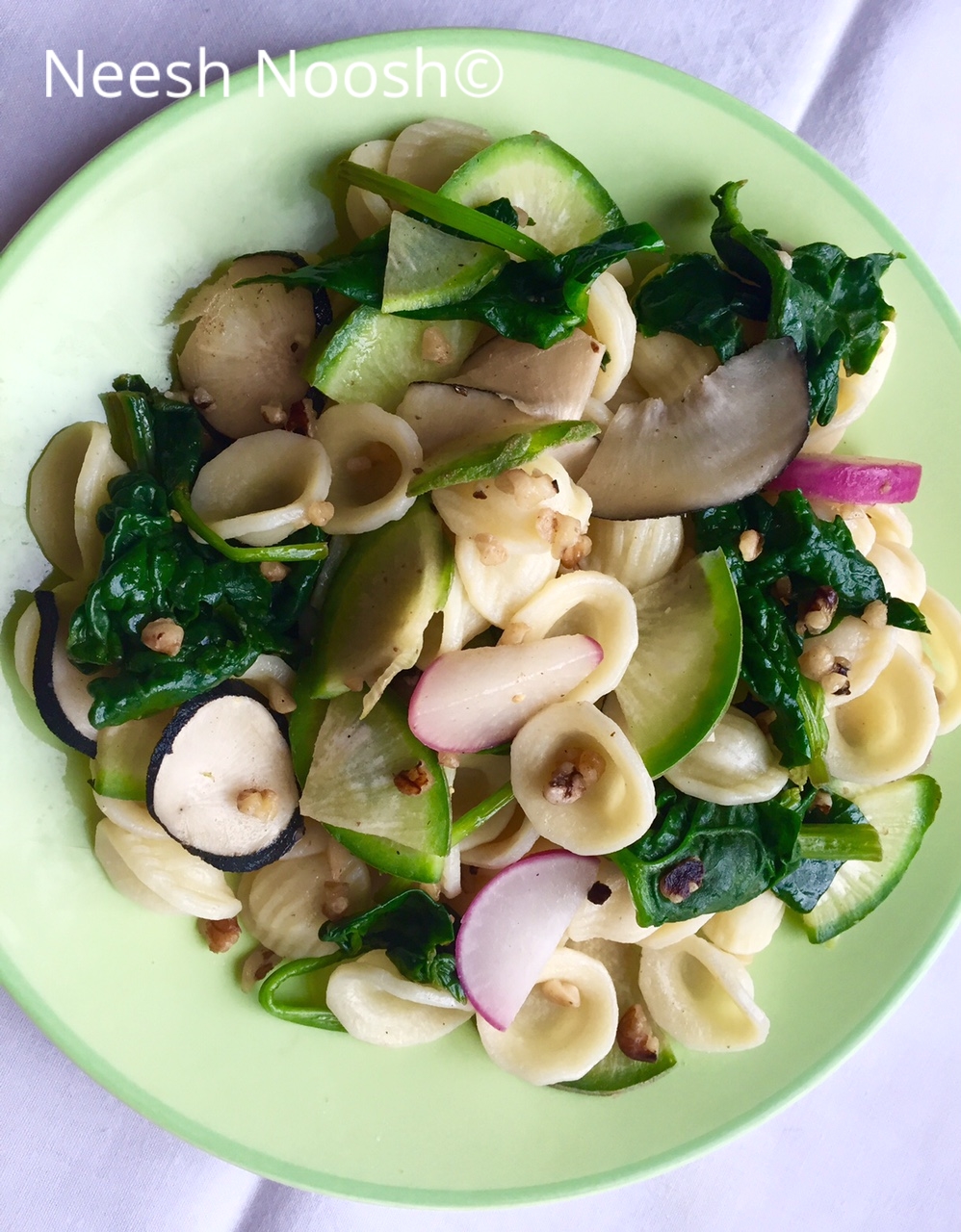
Tazria-Metzora orecchiette pasta

Tazria-Metzora orecchiette pasta

This week’s parsha Tazria-Metzora, offers a detailed explanation of purification steps for someone who is ritually impure (tumah). It includes the following instruction: And he shall slaughter the guilt offering lamb, and the kohen shall take some of the blood of the guilt offering’s and place it on the cartilage of the right ear of the person being cleansed, on the thumb of his right hand, and on the big toe of his right foot (14:25). Tumah is not bad. As commentary in Etz Hayyim explains: “We can see the notion of tumah, then, as growing out of a sense of reverence for the miraculous nature of birth, the awesome power of death, and the mysteries of illness and recuperation” (p. 649).

Continue reading

Shemini: Integration

Shemini: Couscous and tomato stew

Shemini: Couscous and tomato stew

A version of this originally appeared on the Joy of Kosher
In this week’s parsha, Shemini, on the 8th day Aaron (reluctantly), and his sons become Kohanim.  After Aaron’s sacrificial offering, he and Moses “bless the people; and the Presence of the Lord appeared to all the people. Fire came forth from before the Lord and consumed the burnt offering and the fat parts on the altar. And all the people saw, and shouted, and fell on their faces.”

Thereafter, Aaron’s sons, Nadav and Avihu proceed to offer a sacrifice to God, but bring “alien fire.” Thus, “fire came forth from the Lord and consumed them: thus they died at the instance of the Lord.” After their deaths, Aaron was instructed by Moses, “you must distinguish between the sacred and the profane, and between the impure and pure; and you must teach the Israelites all the laws which the Lord has imparted to them through Moses.” Continue reading

Ki Tisa: Anxiety and Desire

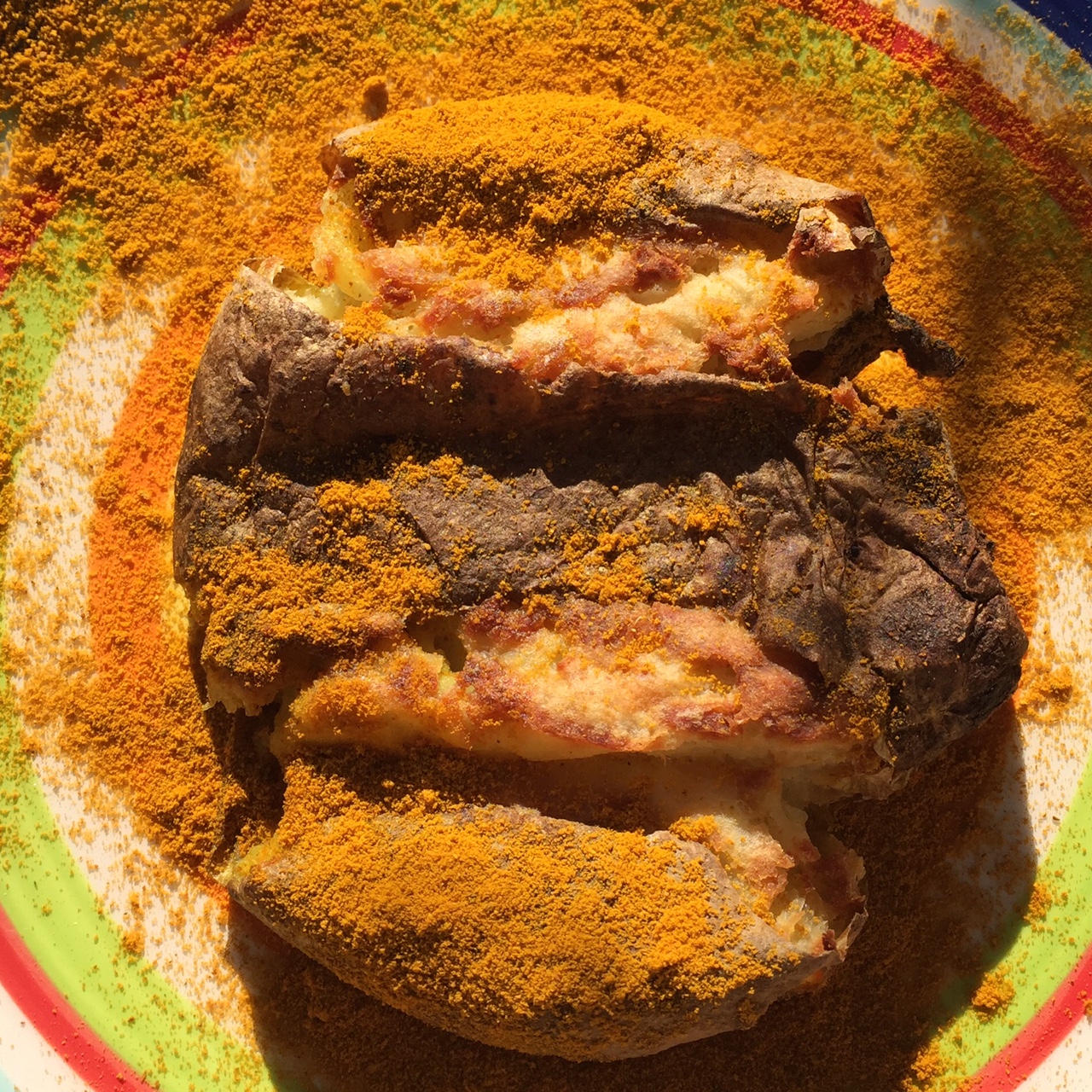
Ki Tisa: Smashed potatoes with turmeric

Ki Tisa: Smashed potatoes with turmeric

In this week’s parsha, Ki Tisa, an epic moment occurs when Moses descends Mount Sinai with the tablets inscribed with the 10 Commandments and finds the Israelites worshiping the Golden Calf. He throws down the tablets, shattering them.  How can one understand the Israelites creation and worship of the Golden Calf? Were their actions actually predictable and expected?

Yael Shy of the Institute for Jewish Spirituality describes the Israelites feelings then as “The Fire of Anxiety.” She writes, “When Aaron throws the gold in the fire, the people are filled with terror and anxiety. Moses has been gone for over a month. They are terrified of being abandoned, of being alone.“ Continue reading

Terumah: Tzedakah and Transformation

Terumah

Terumah

Terumah describes the construction of the Tabernacle, a holy place where God dwells. Initially, the parsha seems rather dry: tiny details for lengths, colors of fabrics, types of materials and so forth. But a deeper read illuminates so much about the Israelites, their relationship to each other and to God through the construction of the Tabernacle.

God says Moses to “bring me gifts; you shall accept gifts for Me from every person whose heart so moves him” (25:3). Rabbi Abraham Isaac Kook asks: “Why did God command Moses to take the donations? The

Blueberries. La Cienega Farmers Market, Los Angeles

Blueberries. La Cienega Farmers Market, Los Angeles

verse should read that they must give an offering!” He continues, “So why did God command that these gifts for the Tabernacle, the first act of tzedakah (charity) on a national level, be donated solely out of sincere generosity?”

He explains that God asked for donations instead of offerings because, “By donating our time and money, we express our inner qualities of chessed and kindness in a concrete and tangible manner. The act of tzedakah actualizes our traits of generosity and contributes toward our own spiritual growth.” The Israelites acts of tzedekah were spiritually transformative. Continue reading

Mishpatim: We are all strangers

Mishpatim

Mishpatim

In Mishpatim, twice God tells the Israelites not to oppress a stranger because they were strangers in the Egypt. (22:20 and 23:9). This is central to Jewish identity. Rabbi Jonathan Sacks writes, “To be a Jew is to be a stranger.”  Rabbi Shai Held writes that, “since you know what it feels like to be a stranger, you must never abuse or mistreat the stranger.” 

Indeed, the Israelites experience as strangers in Egypt and throughout the diaspora provides the imperative that we not only support the strangers in our midst but stand in solidarity. Rabbi Held continues, “Empathy must animate and intensify your commitment to the dignity and well being of the weak and vulnerable. And God holds you accountable to this obligation” Continue reading

Vaera: Slavery Now

FullSizeRender(67)

Vaera: Maror Salad

In Vaera, we read that Pharoah digs in his heels, hardens his heart and refuses to liberate the Israelite slaves, thus launching plagues against the Egyptians. “Even from such hardened sinners as Pharaoh and the Egyptians, God did not withhold the opportunity of mending their ways. Before a plague visited them Moses was charged to warn them of its coming, to-morrow, if they remained obdurate.” (Exodus Rabba)

So, why does Pharoah continue to enslave the Israelites?

Commentary in Etz Hayyim notes that the Israelites “must be freed in such a way that they, the Egyptians, and all the nations of the world will understand that it was God’s doing, not Pharaoh’s goodwill” (p. 351). The Israelites understanding of God’s role in their liberation is important “to establish the principle that it is unacceptable for one human being to reduce another human being to slavery, that freedom is the will of God and not the choice of a despot” (p. 351). This story’s universal message is important today.

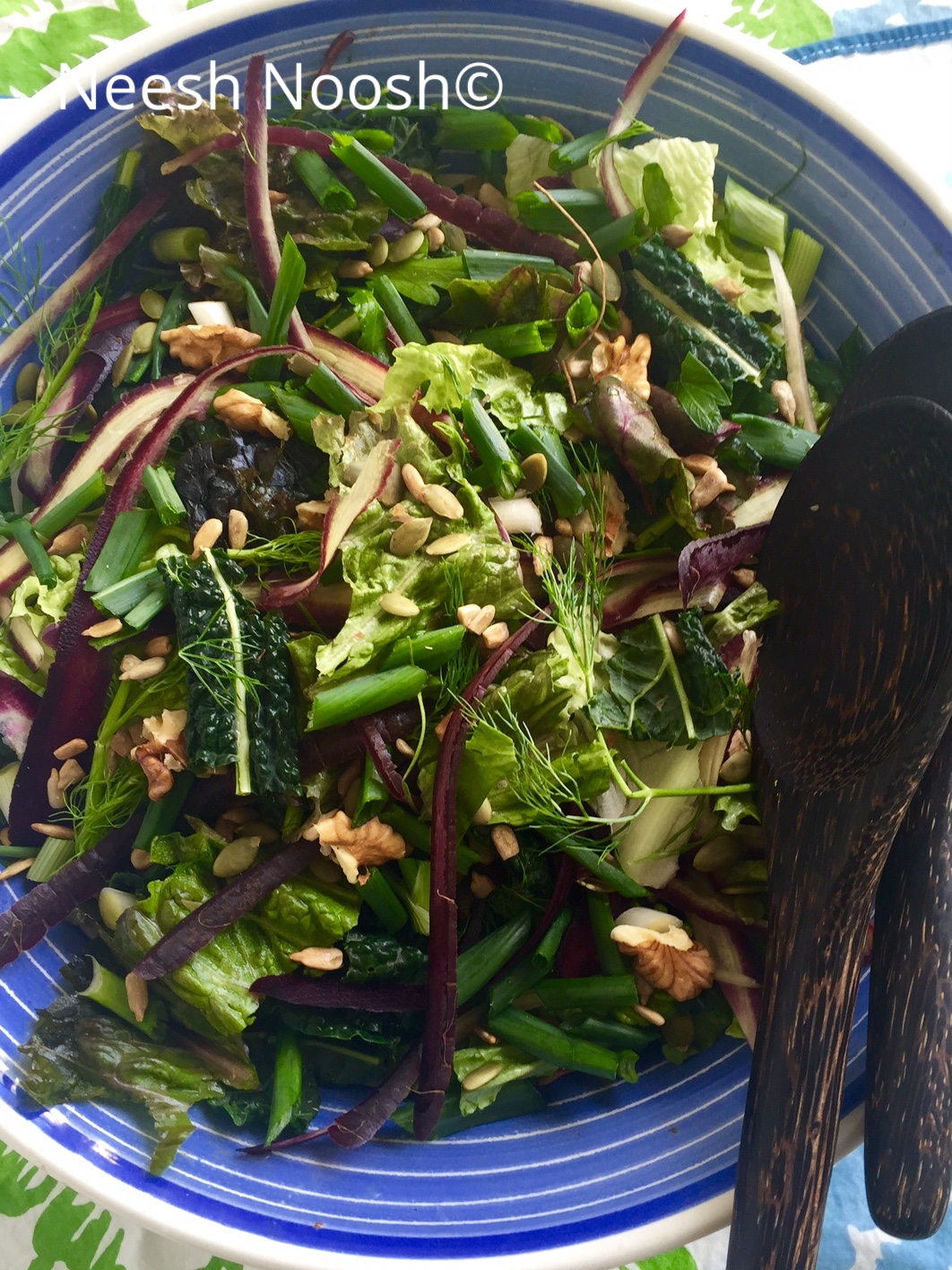
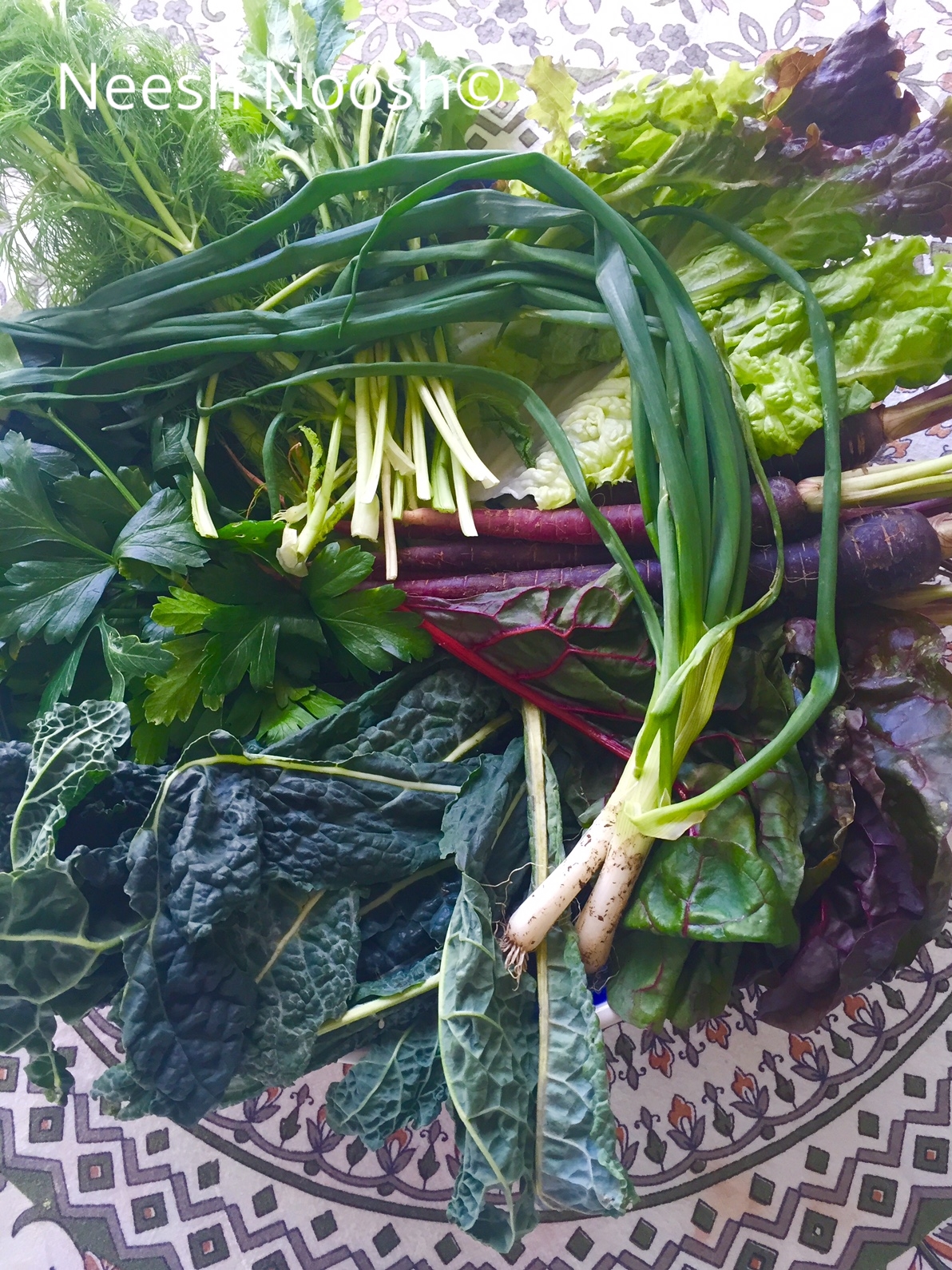
Maror Salad ingredients

Maror Salad ingredients

Despite religious teachings and the Universal Declaration of Human Rights, slavery  exists in our world. Right now, 30 million people worldwide, from domestic workers to sex workers to food supply laborers are enslaved, the largest number of people in history.  Twenty percent of these people are children. This is not just a problem “elsewhere” but here in the United States. Los Angeles, where I live, “is a top point of entry into this country for victims of slavery and trafficking.” I see it in my life as an Uprising Yoga teacher at a juvenile detention center in Los Angeles. Some of the incarcerated youth there are sex-trafficked.

Continue reading

Shmot: Righteousness

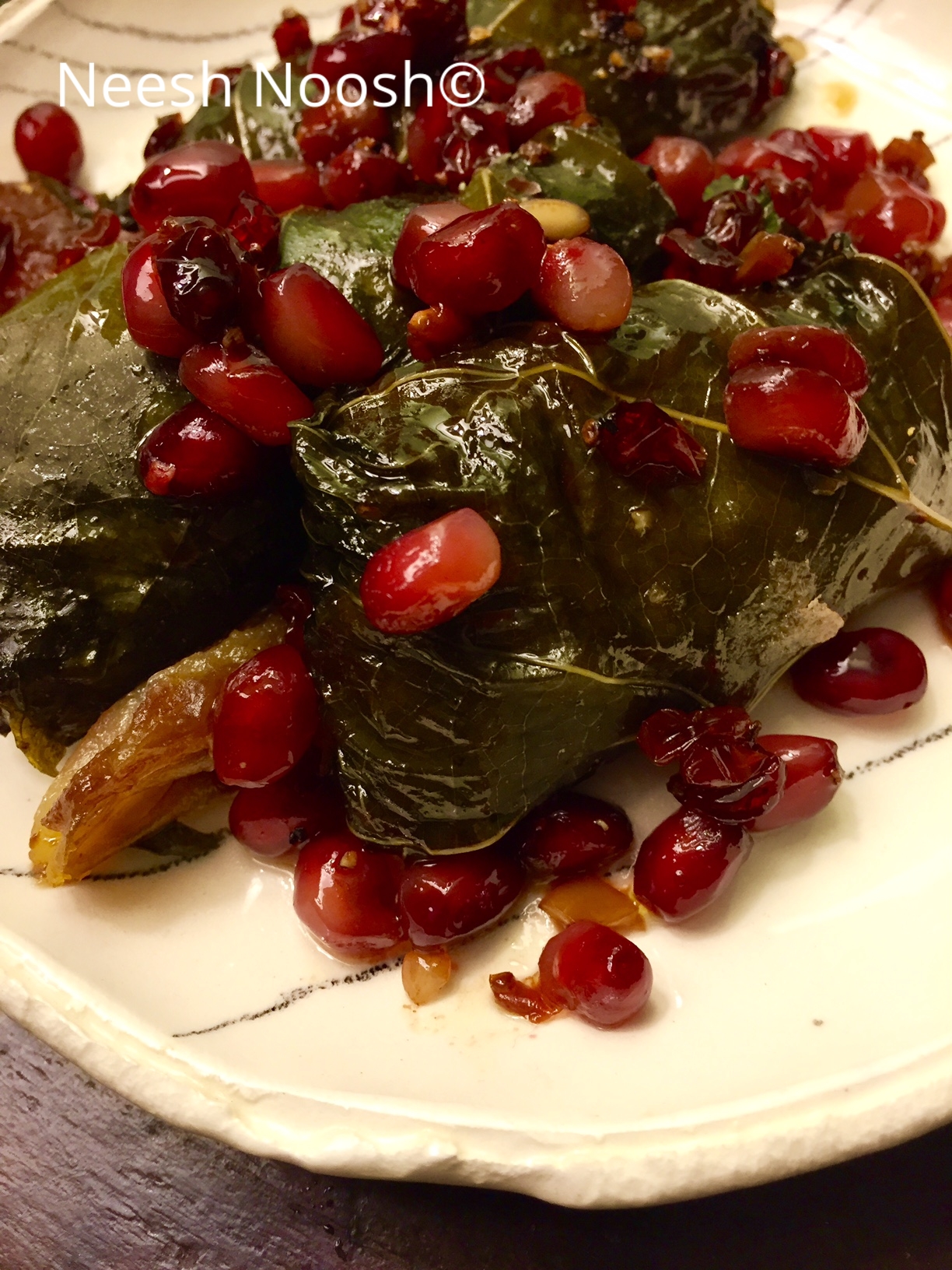
Shmot: stuffed grape leaves with pomegranates

Shmot: stuffed grape leaves with pomegranates

The beginning of Shmot includes a listing of Jacob’s sons and a description that the “Israelites were fertile and prolific; they multiplied and increased very greatly, so that the land was filled with them.”  Pharaoh, frustrated by the Israelites fertility commanded to the midwives that newborn boys be killed. But, “the midwives [Puah and Shifrah], fearing God, did not do as the king of Egypt had told them; they let the boys live.”

A midrash says, “Not only did they not do what Pharaoh told them, they even dared to do deeds of kindness for the children they saved. In behalf of poor mothers, the midwives would go to the houses of rich others and collect water and food, which they gave to the poor mothers and thus kept their children alive” (Sefer Ha-aggadah, p. 60).

Like many stories in the Book of Exodus (Shmot), the story of the midwives is one that exemplifies our responsibility to do justice in the face of oppression and protect disadvantaged people in our communities, nation and world. Continue reading

Vayechi: We are Family

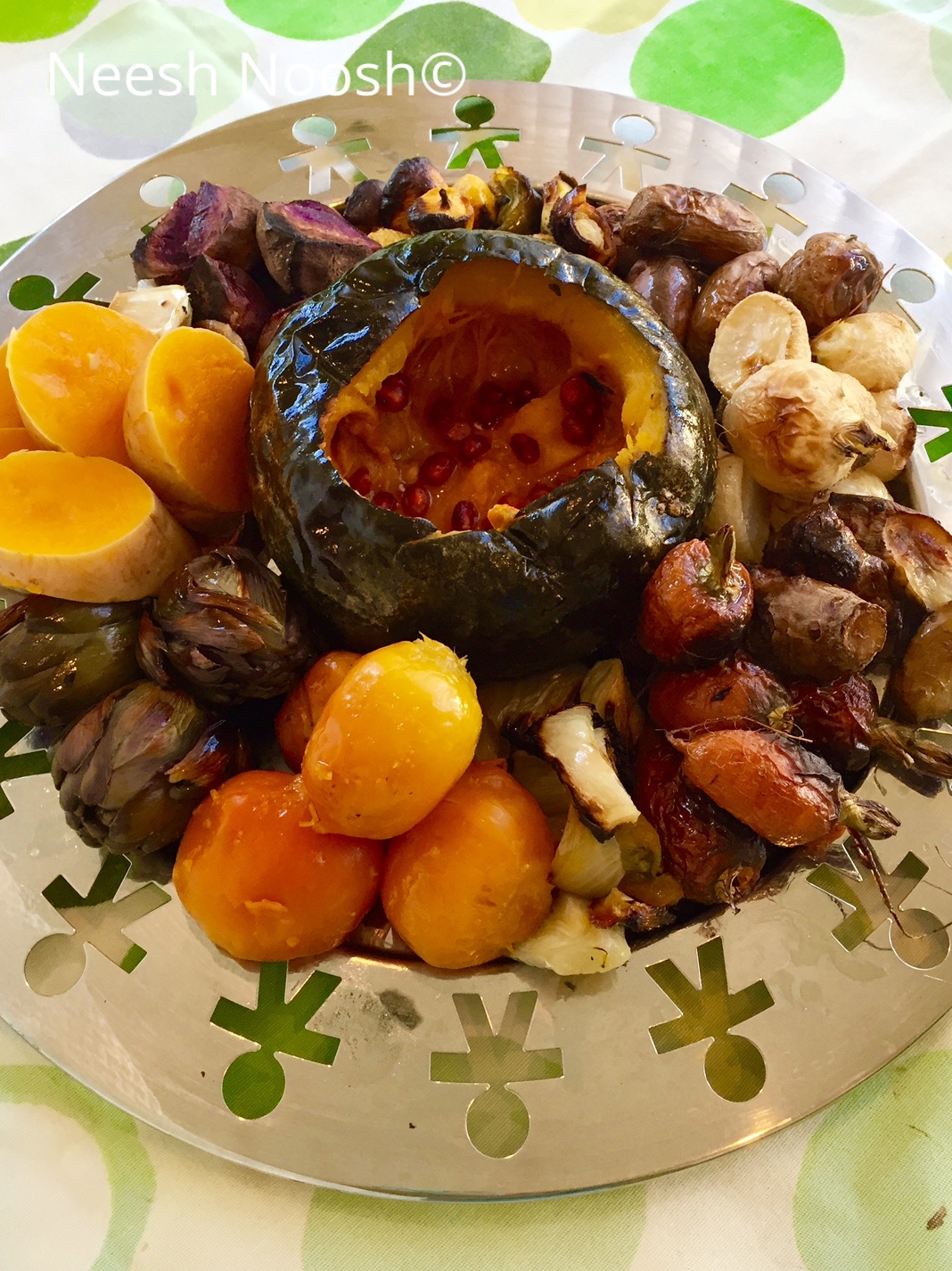
Vayechi: 12 + 1 vegetables roast

Vayechi unified vegetables roast

Bereshit (Genesis) is fraught with familial fighting and divisions. Vayechi, the final parsha (Torah portion) in Bereshit, ends this strife as it is a story of unity and redemption of the 12 tribes of Israel before they begin their exile. Diane Bloomfield teaches that their patriarch Jacob, embodies the quality of emet (truth), even in Egypt, a world of constriction and exile. Jacob’s 17 years of living in Egypt prepared the Israelites for their exile: he passed the seeds of discernment to them to discover and reveal his world of emet and echad (oneness).

Underwood Family Farms, Culver City, CA Farmers Market

Underwood Family Farms, Culver City, CA Farmers Market

In Vayechi, Jacob gathers his 12 sons to his deathbed, and says “come together that I may tell you what is to befall you in days to come.” Chana Kroll writes on Chabad.org that at this moment, “the twelve individuals became one unified soul. They said the Shema prayer before their father Jacob, thus reassuring him that the principles of serving G‑d and recognizing His absolute Oneness would be lived and taught by them as well. One family, with one heart and one soul.”

Continue reading

Vayeshev: Joseph and the Amazing Technicolor Stew

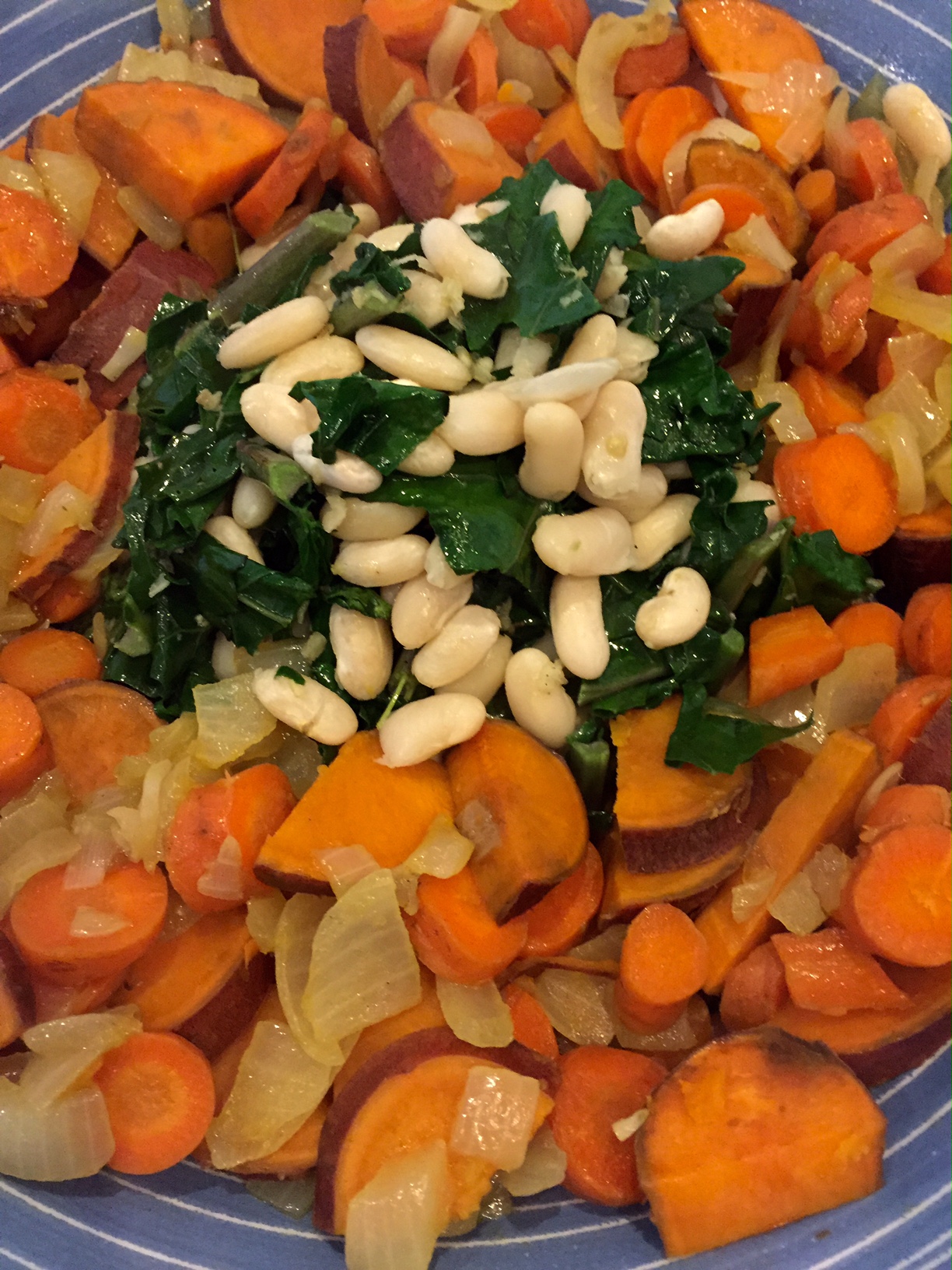
Vayeshev: Technicolor Stew

Vayeshev: Technicolor Stew

In Vayeshev, Jacob returns to his home to “settle.” But, there is not any internal or external settling for him. Jacob’s sons are upset by the arrogance of his favorite son, Joseph. The brothers strip Joseph of the elaborate tunic Jacob had given him and throw him into a pit. Rather than letting him die, though, Reuben convinces the other brothers instead to sell him into slavery. But, the brothers lie to their father that his beloved Joseph was killed by presenting his bloody tunic.

Why is Jacob unable to have tranquility in his life after everything he’s been through? Yanki Tauber writes, “many are content to live this lie: to forget what happened yesterday, avoid thinking about what will happen tomorrow, ignore the sadness in a neighbor’s eye, the poverty on the other side of town and the bombs in the other time zone.

While one may look at a farm and see a tranquil, lush landscape, agriculture is anything but calm. Rather, it is the epicenter of global fights for human rights, land sovereignty and the survival of family farmers. This Wednesday, December 10, is Slow Food’s Terra Madre Day–a global celebration of local foods. The Terra Madre network in 160 countries supports food sovereignty–local communities control over the growing, production and eating of food. It is also about preserving indigenous food cultures and traditions in the face of threats from international agriculture and food homogenization that eliminates food diversity, hurts

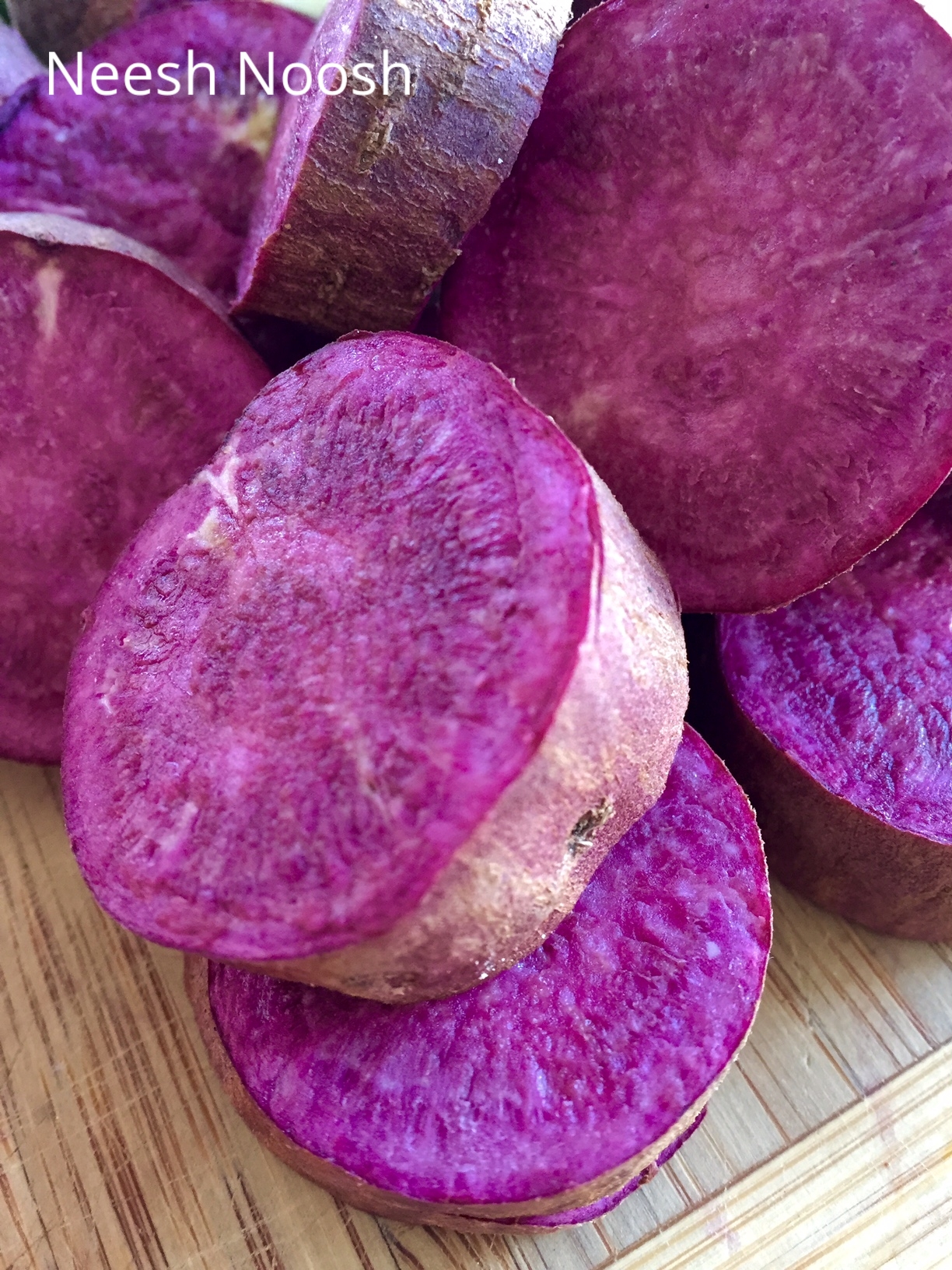
Purple Yams. Pureland Farms. La Cienega Farmers Market, Los Angeles

Purple Yams. Pureland Farms. La Cienega Farmers Market, Los Angeles

small farmers and devastates communities. Part of Terra Madre’s commitment to preserving food diversity is through it’s Ark of Taste which has already 2,000 foods from around the globe that are at risk of disappearing.

It’s also Human Rights Day on December 10. While the family farmers of Terra Madre fight off threats from industrial agriculture, tens of thousands of industrial farmworkers are fighting for their human rights.  The Los Angeles Times has an incredible story about farmworkers in Mexico picking tomatoes at “mega-farms” for the US market. They live in “squalid conditions, trapped for months at a time  [and] camp bosses illegal withhold [of] wages.” 

One worker said, The real truth is that we’re work animals for the fields. Continue reading

Vayishlach: Wrestling to Righteousness

Vayishlach: Roasted potatoes, apples and leeks

Vayishlach: Roasted potatoes, apples and leeks

In Vayishlach, Jacob wrestles with an unknown force in the night. At dawn, Jacob’s foe wants to leave. But, before letting him go, Jacob  demands a blessing from him. He replies by asking Jacob his name and responds, “your name shall no longer be Jacob, but Israel, for you have striven with beings divine and human, and have prevailed.”  Afterwards, Jacob realizes he had been wrestling with God. So, “Jacob named the place Peniel, meaning, ‘I have seen a divine being face to face, yet my life has been preserved.'”

Black Rock Orchard. DuPont Circle Farmers Market. Washington, DC

Black Rock Orchard. DuPont Circle Farmers Market. Washington, DC

Prior to this event, Jacob was dishonest and deceptive.  The wrestling is transforming, not just in name but spiritually.  Rabbi Brad Artson writes in The Bedside Torah, “through the process of introspection, remorse and a commitment to confront his own failings, Jacob is able to make himself into a better, more empathetic individual.” This is also about Jacob doing the “right thing.” The Sefat Emet taught, “this may be an account of Jacob’s wrestling with his conscience, torn between his human tendency to avoid an unpleasant encounter and the divine impulse in him that urges him to do the difficult but right thing.”

Jews wrestle with moral questions including those about food and agriculture issues. For example, what does or should kosher mean in the 21st century? Is junk food worthy of a hecksher (kosher certification)?  Should an animal raised under inhumane conditions but slaughtered by a shochet (ritual slaughterer) be deemed kosher? Why aren’t all GMO crops considered treyf (not kosher)? Continue reading