Korach: From Rebellious to Sacred

Korach: Pancakes with strawberry compote

Korach: Pancakes with strawberry compote

In this week’s Torah portion, we read about rebellious Israelites, led by Korach. While his complaints about the status of Moses and Aaron might seem like the words of an early democratic activist, his intentions were actually self-serving. He is “the arch-demagogue, lusting for power to inflate his own prominence, not to serve the people” (Etz Hayim, p. 860). He led a group of Israelites in opposition to not only Moses and Aaron but “that of Torah, and ultimately, God.” (Etz Hayim, p. 860). Rabbi Samuel Barth notes, “The sin of Korah was in thinking of himself as “outside the community”; he betook himself and his followers from being part of the People of Israel, and they became a faction, catalysts for further factionalization.”

Rabbi Moshe Bryski, on Chabad.org writes that Korach lived his life yearning for a different one, jealous of others. He comments that “A person who sees the essence of life as serving the will of His Creator does not expend useless energy craving places where the grass is greener. He finds meaning, purpose, joy and fulfillment in the place where the grass is greenest of all: his own.”

Continue reading

Shelach: Fear or Trust?

FullSizeRender(141)

Shelach: Milk and honey rice pudding

In this week’s parsha, Shelach, Moses sends the 12 spies to scout out the land of Canaan. Upon their return, they recount that the land does flow with milk and honey. But, they also were fearful of its inhabitants, explaining that they cannot conquer them. They tell Moses that it is a land filled with people that “devours its settlers. All the people we saw in it are men of great size. . . and we looked like grasshoppers to ourselves, and so we must have looked to them” (13: 32-33).

The Israelites are crushed and wish that they had never left their enslaved lives in Egypt. Only Caleb and Joshua are unwavering in their faith that God can deliver them to the land. God is enraged by their lack of faith, fear: How long will this people provoke Me? How much longer will they not believe in Me after all the signs I have performed in their midst?(14:11). God declares that none of this generation of Israelites (except Caleb and Joshua’s families) will enter the land.

Continue reading

Naso: Blessings and Unity

Naso: Ful Medames

Naso: Ful Medames

In this week’s parsha, Naso, God says to Moses:
Speak to Aaron and his sons: Thus shall you bless the people of Israel. Say to them:
The Lord bless you and protect you!
The Lord deal kindly and graciously with you!
The Lord bestow His favor upon you and grant you peace!
Thus they shall link My name with the people of Israel, and I will bless them. (6:23-27)

Continue reading

Shavuot

Borough Market bourekas

Borough Market bourekas

In the Torah, it is written about the Shavuot offering: “you shall take of the first of all the fruit of the ground, which you will bring from your land, which the Lord, your God, is giving you. And you shall put [them] into a basket and go to the place which the Lord, your God, will choose to have His Name dwell there (Deuteronomy 26:2). Dates, figs, grapes, olives, pomegranates, and wheat were the first fruits of Shavuot.

Continue reading

Bamidbar: Centering in the Wilderness

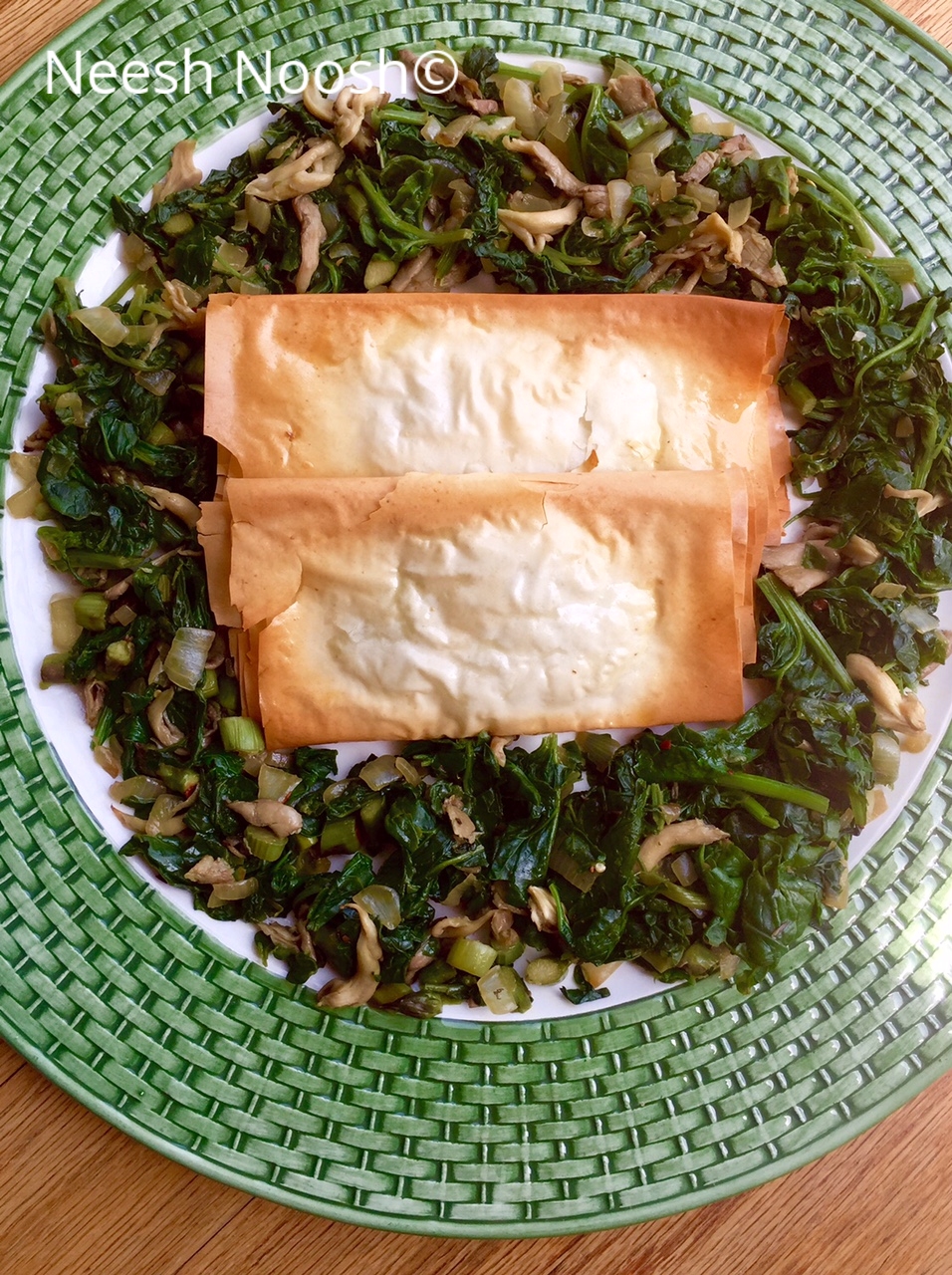
Bamidbar: bourekas and greens

Bamidbar: bourekas and greens

Bamidbar is both the name of the fourth book of the Torah (referred to in English as Book of Numbers) and this week’s portion. After receiving the 10 Commandments at Mount Sinai, Bamidbar/Numbers tells the Israelites journey through the wilderness.   A wild landscape conjures images of unrefined, undeveloped, unknown. Our own journeys might have similar descriptions: intimidating, challenging, mysterious. During the Israelites journey, “we will see much adventure, crisis and turmoil take place in the darkness of the wilderness,” writes Yael Shy.

Despite their years in the wilderness, though, the Israelites have a guide to center and direct them: the Tabernacle that they transport. It is always placed in the middle of the Israelites as they walked and camped. Etz Hayyim commentary notes, “The tabernacle was the first thing one saw on leaving home and the first thing one looked for on returning home” (p.774). Continue reading

Emor: Not Cutting Corners

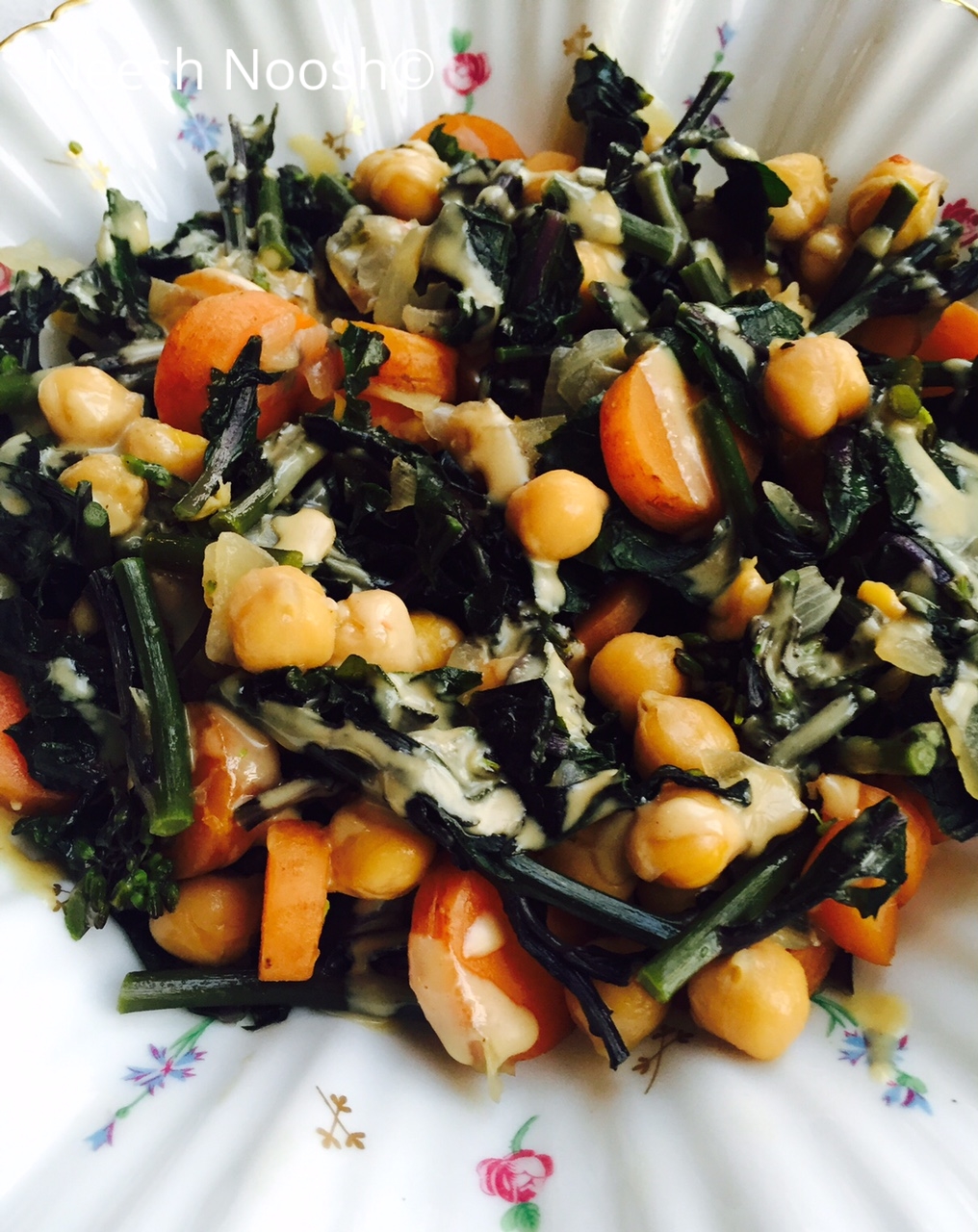
Emor: Kaleidescope scapes, carrots, garbanzo beans

Emor: Kaleidescope scapes, carrots, garbanzo beans

At the beginning of Emor it is written, They shall not make bald patches on their heads, nor shall they shave the edge of their beard, nor shall they make cuts in their flesh” (21:5).

And, in the middle of a description about the holiday of Shavuot, comes the following: When you reap the harvest of your Land, you shall not completely remove the corner of your field during your harvesting, and you shall not gather up the gleanings of your harvest. [Rather,] you shall leave these for the poor person and for the stranger. I am the Lord, your God.” (23:22).

Both of the facial beard and field corners are called payot.

Continue reading

Tazria-Metzora: Purification

Tazria-Metzora orecchiette pasta

Tazria-Metzora orecchiette pasta

This week’s parsha Tazria-Metzora, offers a detailed explanation of purification steps for someone who is ritually impure (tumah). It includes the following instruction: And he shall slaughter the guilt offering lamb, and the kohen shall take some of the blood of the guilt offering’s and place it on the cartilage of the right ear of the person being cleansed, on the thumb of his right hand, and on the big toe of his right foot (14:25). Tumah is not bad. As commentary in Etz Hayyim explains: “We can see the notion of tumah, then, as growing out of a sense of reverence for the miraculous nature of birth, the awesome power of death, and the mysteries of illness and recuperation” (p. 649).

Continue reading

Shemini: Integration

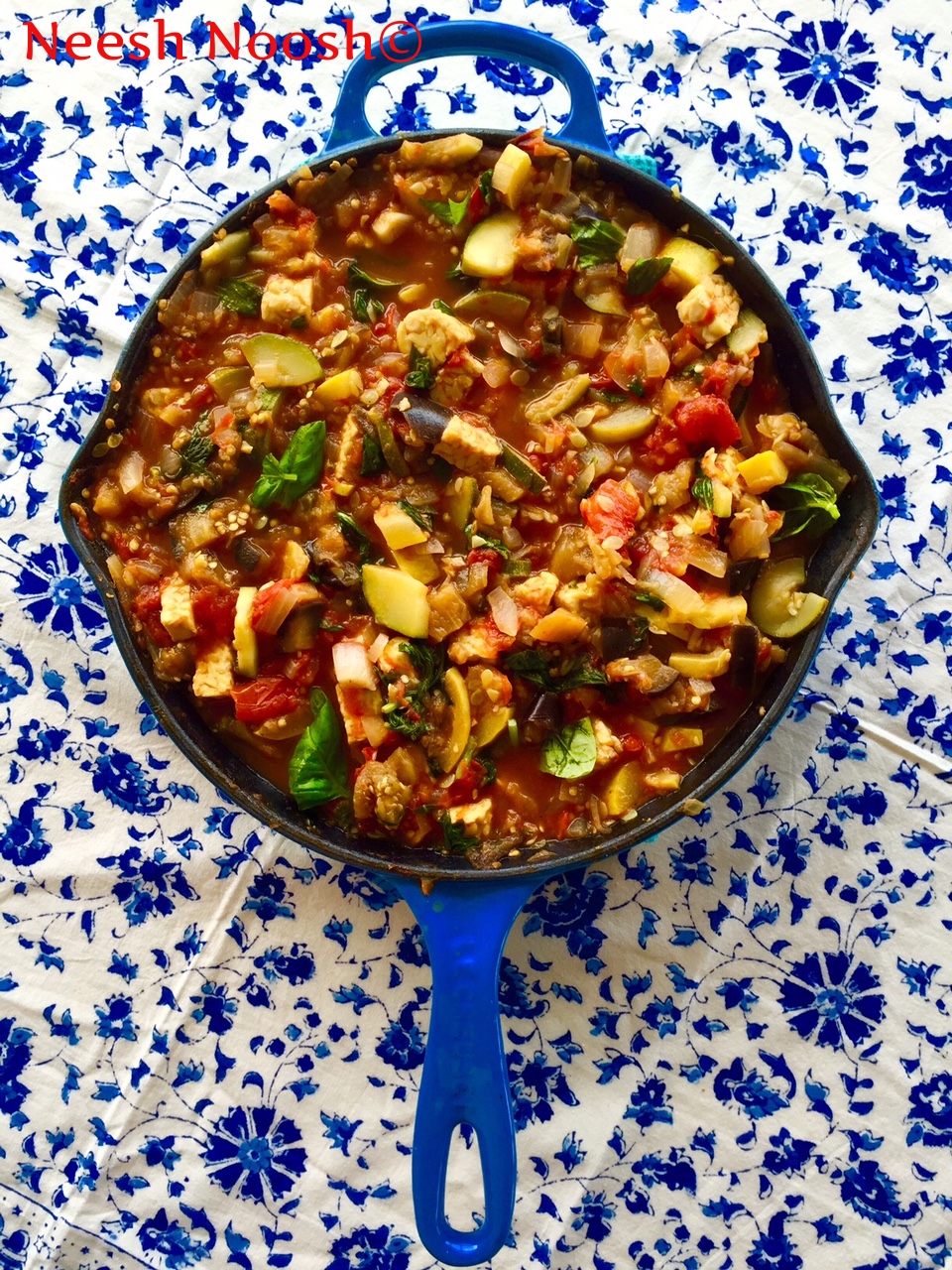
Shemini: Couscous and tomato stew

Shemini: Couscous and tomato stew

A version of this originally appeared on the Joy of Kosher
In this week’s parsha, Shemini, on the 8th day Aaron (reluctantly), and his sons become Kohanim.  After Aaron’s sacrificial offering, he and Moses “bless the people; and the Presence of the Lord appeared to all the people. Fire came forth from before the Lord and consumed the burnt offering and the fat parts on the altar. And all the people saw, and shouted, and fell on their faces.”

Thereafter, Aaron’s sons, Nadav and Avihu proceed to offer a sacrifice to God, but bring “alien fire.” Thus, “fire came forth from the Lord and consumed them: thus they died at the instance of the Lord.” After their deaths, Aaron was instructed by Moses, “you must distinguish between the sacred and the profane, and between the impure and pure; and you must teach the Israelites all the laws which the Lord has imparted to them through Moses.” Continue reading

Passover: Ending Slavery in our Food Systems

Child cocoa worker. Photo courtesy of Fair Trade Judaica

Child cocoa worker. Photo courtesy of Fair Trade Judaica

When we read at Passover, “This year we are slaves; next year, may we be free” we can do our part to ensure that our Pesach celebrations—and all year long–are free of the stains of modern day slavery. Despite the Universal Declaration of Human Rights prohibition against slavery, approximately 35.8 million men, women and children worldwide are enslaved, more people than at any point in the history of humanity. About 10 percent of enslaved people work in food industries, harvesting cacao, sugar, and tomatoes, raising cattle or catching fish. The frequent battle for cheaper prices in the global food marketplace might seem great for consumers, but “the reality is that competitive pricing is often the result of exploitative labor practices” where food is grown in disregard for human dignity and international laws. Continue reading

Passover: Liberate Yourself from Industrial Food

Peninsula Jewish Community Center. Foster City, CA

Peninsula Jewish Community Center’s Gan Tzedek (Justice Garden). Foster City, CA

Our nation is enslaved to an industrial food system that is making us sick and fat. It abuses workers (with many cases of modern day slavery), is inhumane to animals, pollutes our drinking water with manure and pesticides, and contributes to climate change. Eating is a religious act. These foods do not reflect Jewish values of humane treatment of animals, workers rights, protecting the environment and human health.

This Passover, we can liberate ourselves from this system by supporting farmers that grow food more sustainably. Below is a list of suggestions for your seder and throughout the year. There’s so much more that can be done, so please share your ideas in the comments section, at the bottom of the post.  Continue reading