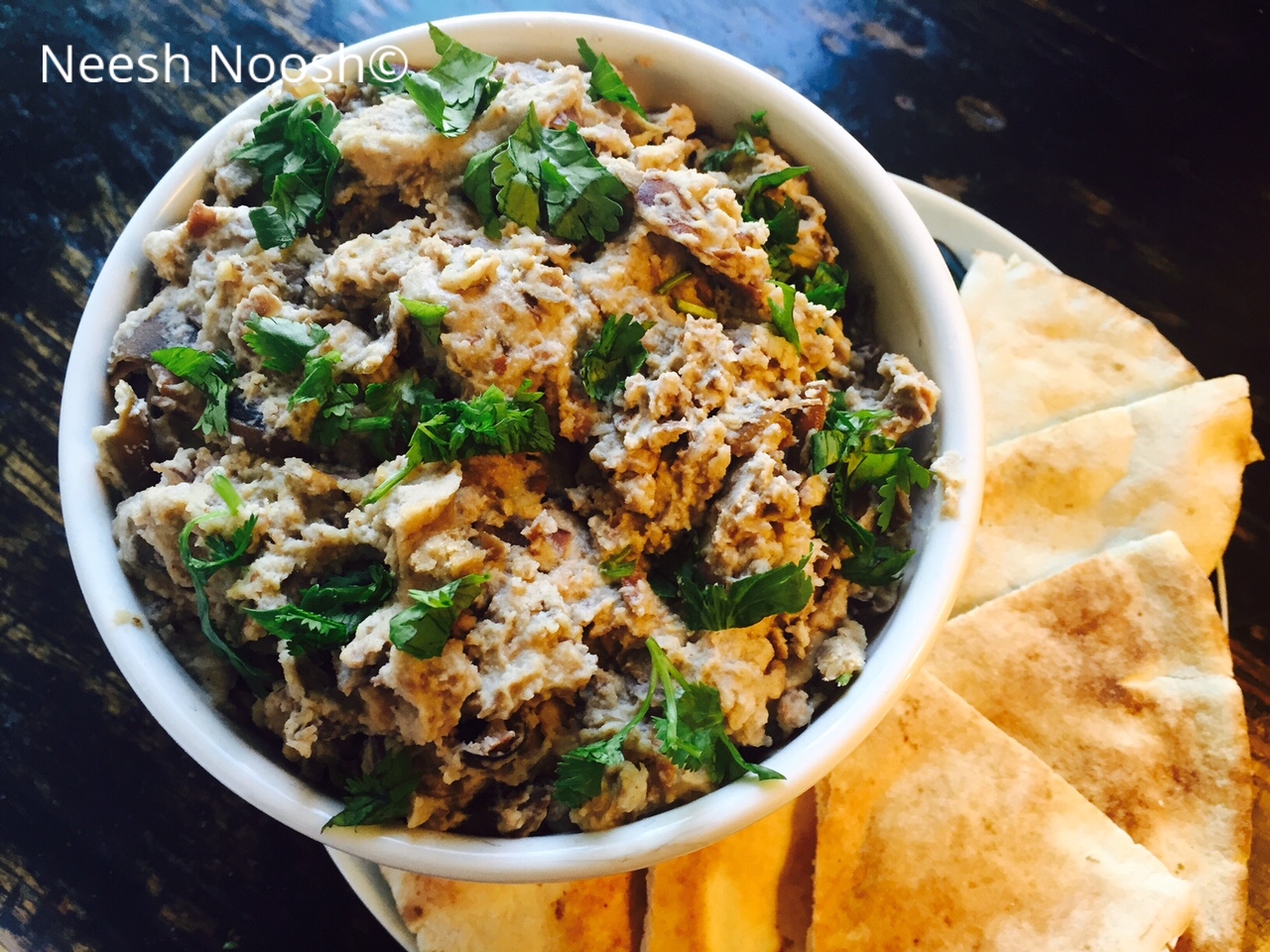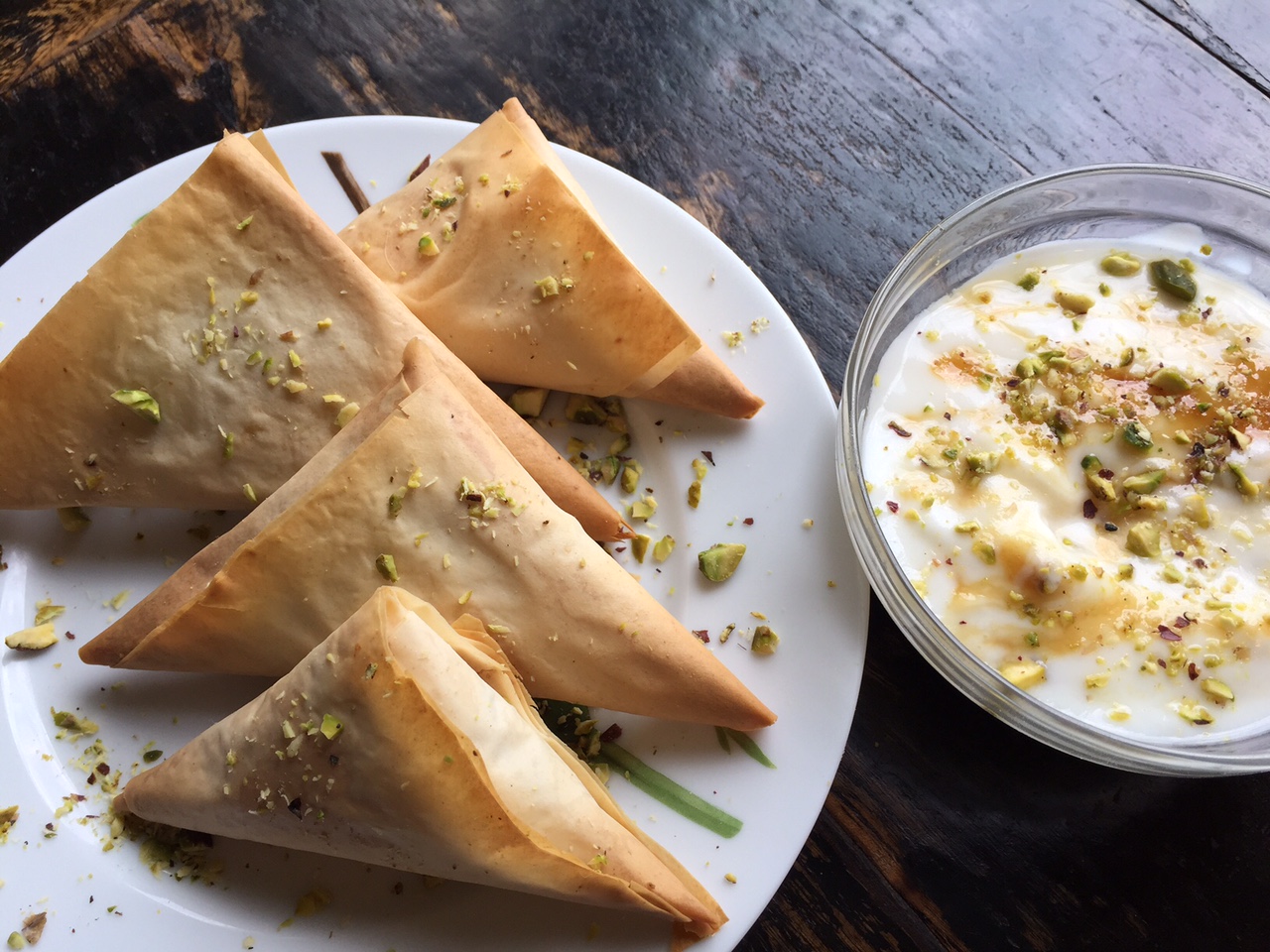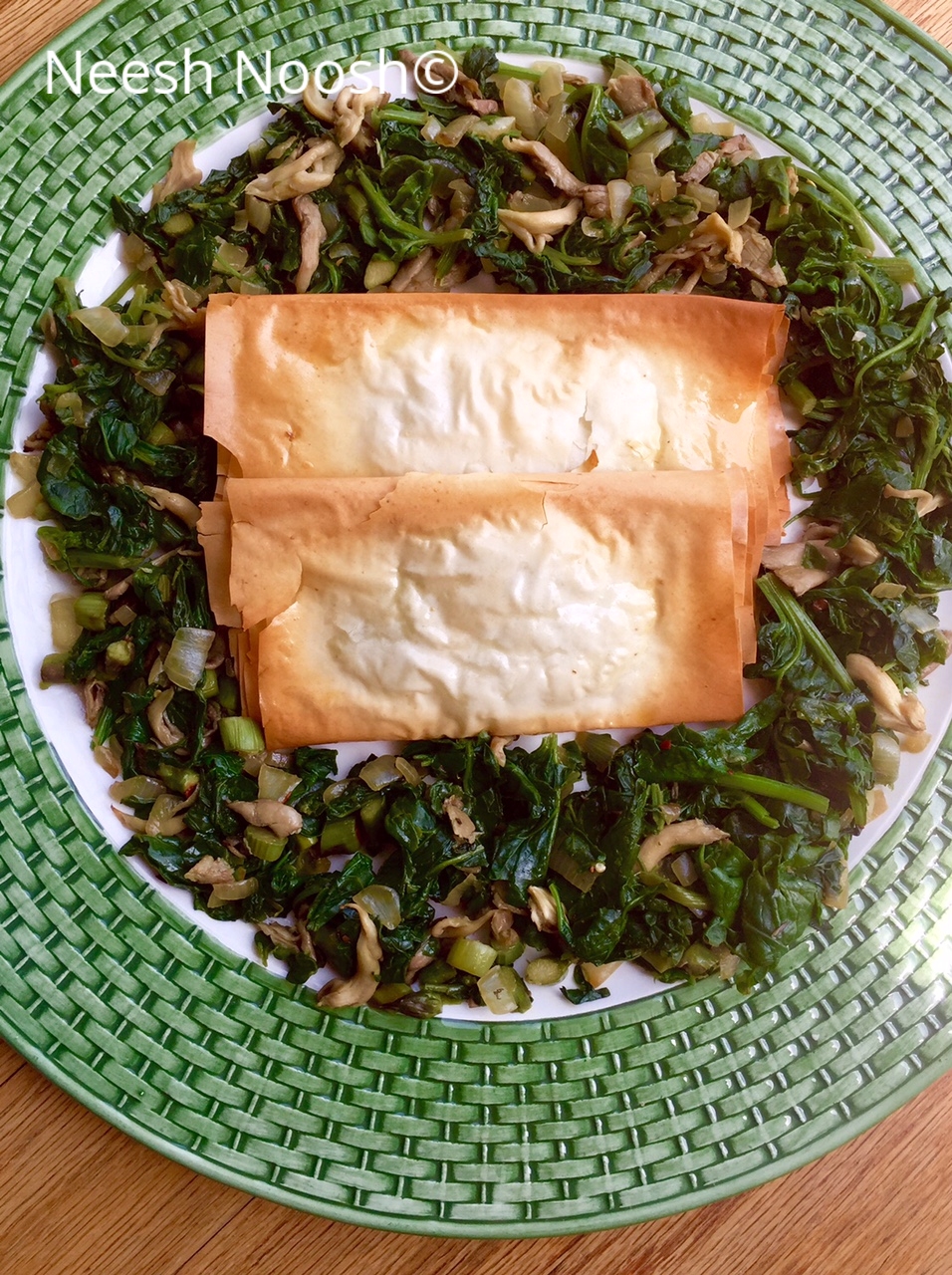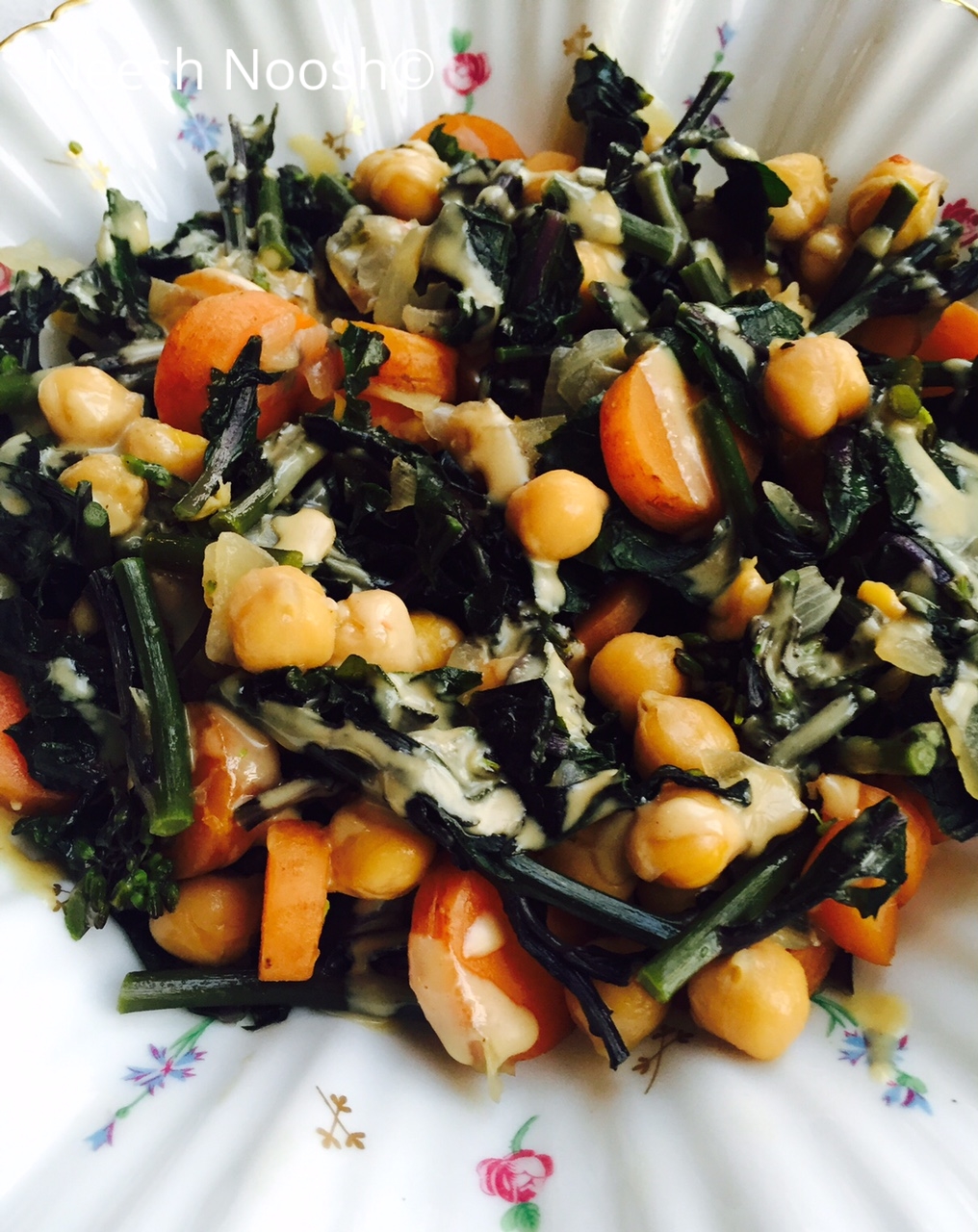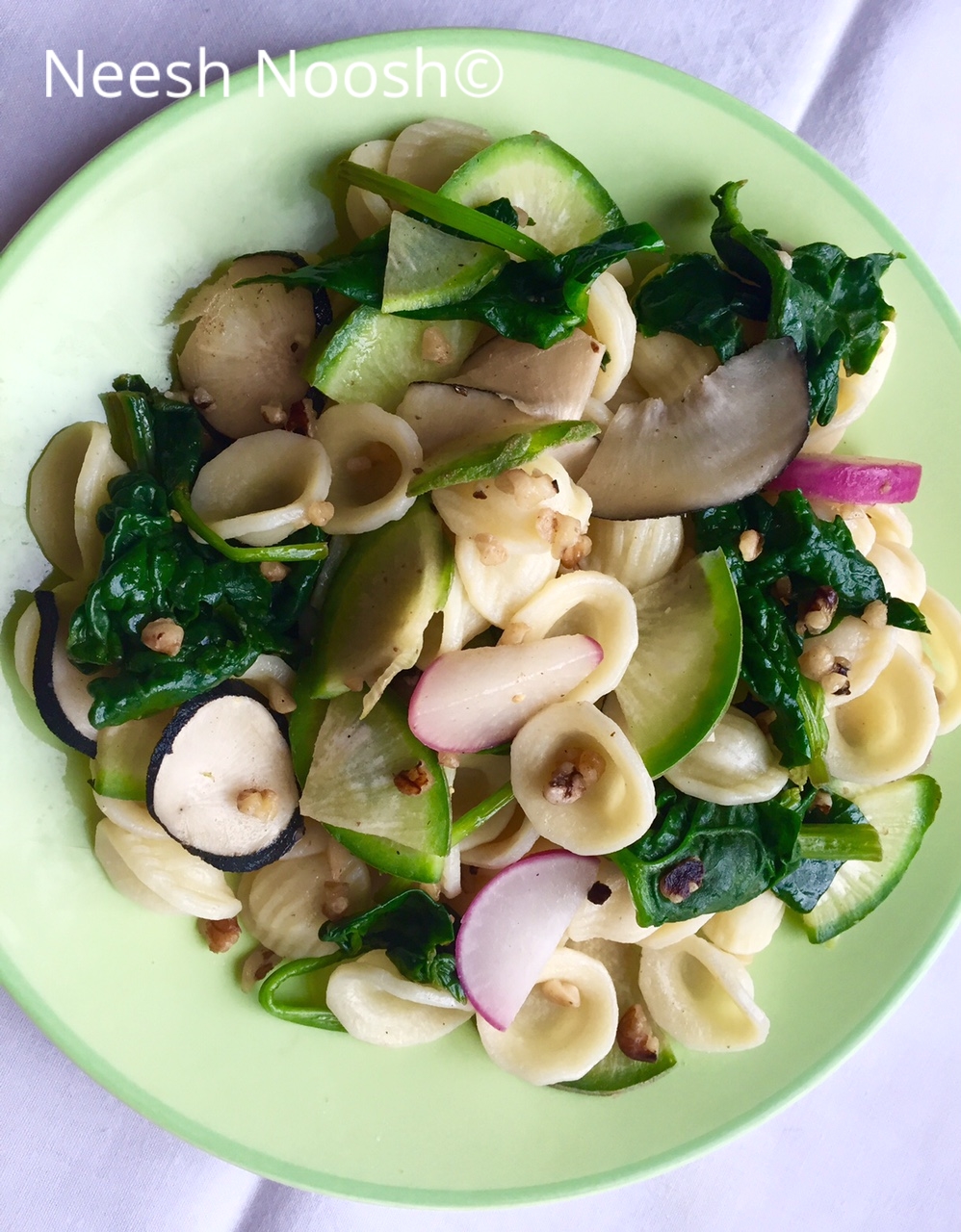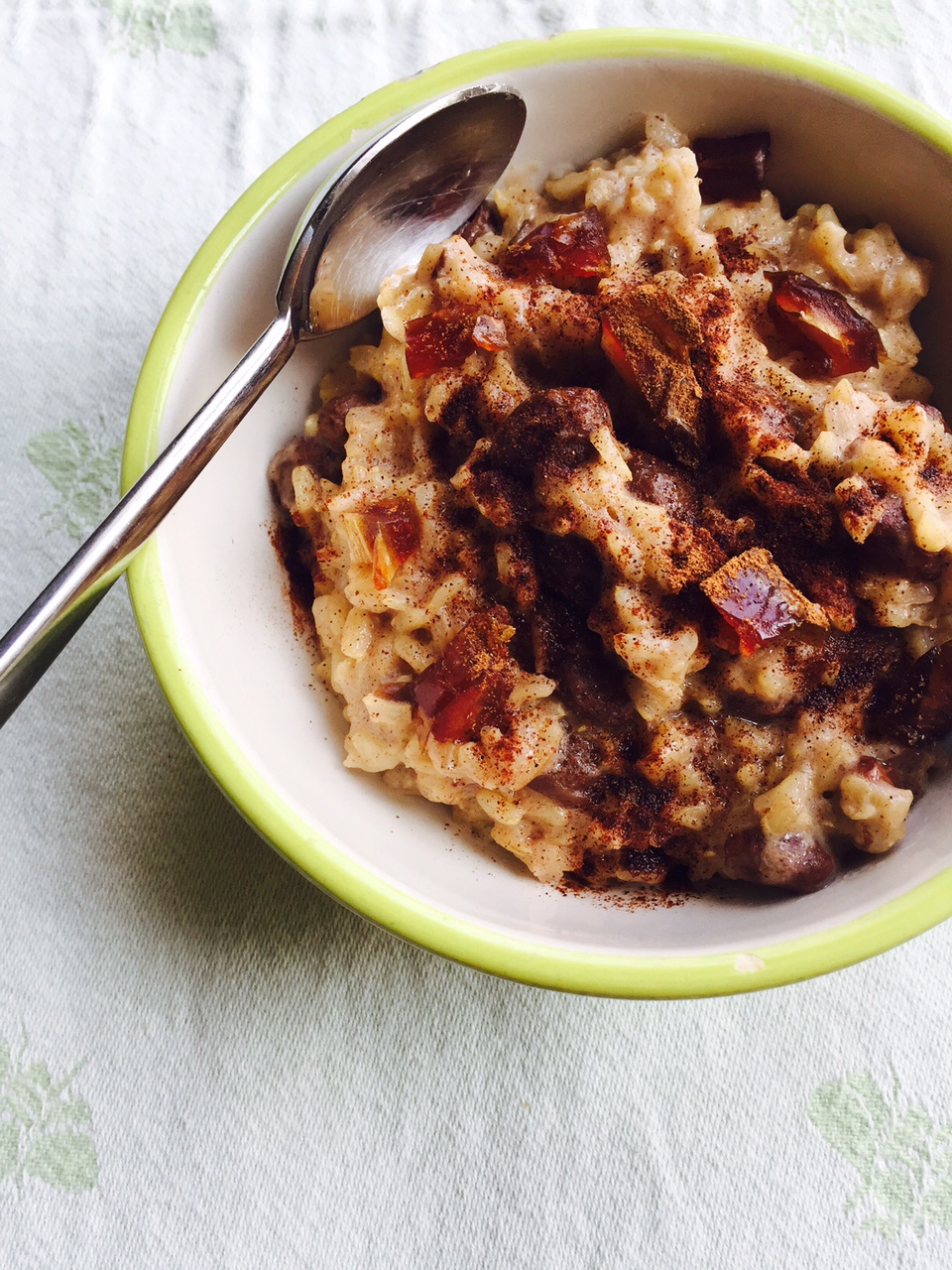
In the Torah, it is written about the Shavuot offering: “you shall take of the first of all the fruit of the ground, which you will bring from your land, which the Lord, your God, is giving you. And you shall put [them] into a basket and go to the place which the Lord, your God, will choose to have His Name dwell there (Deuteronomy 26:2). Dates, figs, grapes, olives, pomegranates, and wheat were the first fruits of Shavuot.
Tag Archives: vegan
Bamidbar: Centering in the Wilderness
Bamidbar is both the name of the fourth book of the Torah (referred to in English as Book of Numbers) and this week’s portion. After receiving the 10 Commandments at Mount Sinai, Bamidbar/Numbers tells the Israelites journey through the wilderness. A wild landscape conjures images of unrefined, undeveloped, unknown. Our own journeys might have similar descriptions: intimidating, challenging, mysterious. During the Israelites journey, “we will see much adventure, crisis and turmoil take place in the darkness of the wilderness,” writes Yael Shy.
Despite their years in the wilderness, though, the Israelites have a guide to center and direct them: the Tabernacle that they transport. It is always placed in the middle of the Israelites as they walked and camped. Etz Hayyim commentary notes, “The tabernacle was the first thing one saw on leaving home and the first thing one looked for on returning home” (p.774). Continue reading
Emor: Not Cutting Corners
At the beginning of Emor it is written, “They shall not make bald patches on their heads, nor shall they shave the edge of their beard, nor shall they make cuts in their flesh” (21:5).
And, in the middle of a description about the holiday of Shavuot, comes the following: “When you reap the harvest of your Land, you shall not completely remove the corner of your field during your harvesting, and you shall not gather up the gleanings of your harvest. [Rather,] you shall leave these for the poor person and for the stranger. I am the Lord, your God.” (23:22).
Both of the facial beard and field corners are called payot.
Tazria-Metzora: Purification
This week’s parsha Tazria-Metzora, offers a detailed explanation of purification steps for someone who is ritually impure (tumah). It includes the following instruction: “And he shall slaughter the guilt offering lamb, and the kohen shall take some of the blood of the guilt offering’s and place it on the cartilage of the right ear of the person being cleansed, on the thumb of his right hand, and on the big toe of his right foot“ (14:25). Tumah is not bad. As commentary in Etz Hayyim explains: “We can see the notion of tumah, then, as growing out of a sense of reverence for the miraculous nature of birth, the awesome power of death, and the mysteries of illness and recuperation” (p. 649).
Shemini: Integration
A version of this originally appeared on the Joy of Kosher
In this week’s parsha, Shemini, on the 8th day Aaron (reluctantly), and his sons become Kohanim. After Aaron’s sacrificial offering, he and Moses “bless the people; and the Presence of the Lord appeared to all the people. Fire came forth from before the Lord and consumed the burnt offering and the fat parts on the altar. And all the people saw, and shouted, and fell on their faces.”
Thereafter, Aaron’s sons, Nadav and Avihu proceed to offer a sacrifice to God, but bring “alien fire.” Thus, “fire came forth from the Lord and consumed them: thus they died at the instance of the Lord.” After their deaths, Aaron was instructed by Moses, “you must distinguish between the sacred and the profane, and between the impure and pure; and you must teach the Israelites all the laws which the Lord has imparted to them through Moses.” Continue reading
Tzav: Sharing with Others
This week’s parsha, Tzav, includes more details about sacrifices, including the Korban Todah (Thanksgiving offering). Again, I wrestled this week about what the sacrifices mean to me and how to translate the parsha into a recipe (though the Korban Todah “consisted of forty loaves of bread”)?
Dr. Tali Loewenthal on Chabad.org explains that this offering “was brought as expression of thanks to God by someone who experienced any of four specific kinds of danger: a captive who was freed; a person who crossed the sea; one who traversed the desert, and someone who has recovered from an illness.“ And, none of it could remain until the following day.
Rabbi Brad Artson, in The Bedside Torah, comments that “the Korban Todah is a celebration of life and its wonder.”
Vayikra: Modern Sacrifices
As a vegetarian since the age of nine and an on-again, off-again vegan, I wrestled with this week’s parsha, Vayikra, which offers detailed instructions for animal sacrifices. How do I understand sacrifices (and those who argue that these practices will return during the Messianic period) with my commitment to not eating or harming animals?
Rabbi Brad Artson puts the ancient practice into context. He writes in The Bedside Torah, “Our ancestors turned to animal sacrifice because they saw in it a way to express deep rage, feelings of inadequacy, and guilt. They could, through sacrifice of animals, see their own frailty, their own mortality, and their own bloodiness” (p. 169).
And, sacrifices still offer meaning to us in the 21st century. He explains, “in our age, a period of sanitized religion and everyday violence, the practice of our ancestors has something to teach. And so we read Sefer Va-Yikra, and learn to see our fears in the eyes of an animal going to the slaughter, in the cries of the victim of sacrifice” (p. 169). Continue reading
Ki Tisa: Anxiety and Desire
In this week’s parsha, Ki Tisa, an epic moment occurs when Moses descends Mount Sinai with the tablets inscribed with the 10 Commandments and finds the Israelites worshiping the Golden Calf. He throws down the tablets, shattering them. How can one understand the Israelites creation and worship of the Golden Calf? Were their actions actually predictable and expected?
Yael Shy of the Institute for Jewish Spirituality describes the Israelites feelings then as “The Fire of Anxiety.” She writes, “When Aaron throws the gold in the fire, the people are filled with terror and anxiety. Moses has been gone for over a month. They are terrified of being abandoned, of being alone.“ Continue reading
Terumah: Tzedakah and Transformation
Terumah describes the construction of the Tabernacle, a holy place where God dwells. Initially, the parsha seems rather dry: tiny details for lengths, colors of fabrics, types of materials and so forth. But a deeper read illuminates so much about the Israelites, their relationship to each other and to God through the construction of the Tabernacle.
God says Moses to “bring me gifts; you shall accept gifts for Me from every person whose heart so moves him” (25:3). Rabbi Abraham Isaac Kook asks: “Why did God command Moses to take the donations? The
verse should read that they must give an offering!” He continues, “So why did God command that these gifts for the Tabernacle, the first act of tzedakah (charity) on a national level, be donated solely out of sincere generosity?”
He explains that God asked for donations instead of offerings because, “By donating our time and money, we express our inner qualities of chessed and kindness in a concrete and tangible manner. The act of tzedakah actualizes our traits of generosity and contributes toward our own spiritual growth.” The Israelites acts of tzedekah were spiritually transformative. Continue reading
Mishpatim: We are all strangers
In Mishpatim, twice God tells the Israelites not to oppress a stranger because they were strangers in the Egypt. (22:20 and 23:9). This is central to Jewish identity. Rabbi Jonathan Sacks writes, “To be a Jew is to be a stranger.” Rabbi Shai Held writes that, “since you know what it feels like to be a stranger, you must never abuse or mistreat the stranger.”
Indeed, the Israelites experience as strangers in Egypt and throughout the diaspora provides the imperative that we not only support the strangers in our midst but stand in solidarity. Rabbi Held continues, “Empathy must animate and intensify your commitment to the dignity and well being of the weak and vulnerable. And God holds you accountable to this obligation” Continue reading