Tu B’shevat: New Year for trees: Savor fruits of the earth, consider their journey

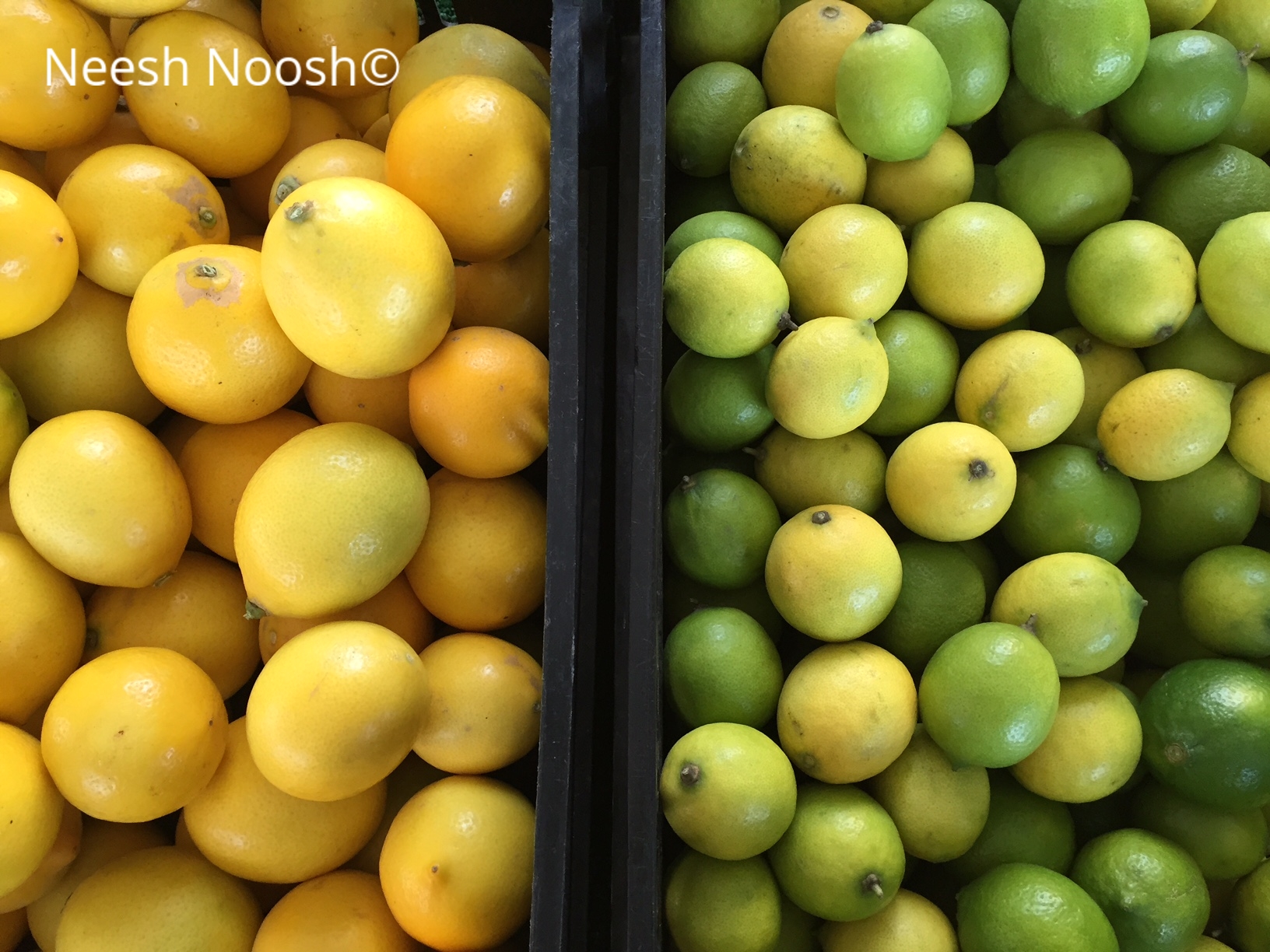
Lemons and limes. La Cienega Farmers Market

Lemons and limes. La Cienega Farmers Market

This was originally published in the print and online editions of the Jewish Journal

Tu B’Shevat, which translates literally as the 15th day of the month of Shevat, is the Jewish New Year for Trees. Mentioned in the Talmud, the holiday marks the tithing of fruits grown in Israel.

In the 16th century, Jewish mystic Rabbi Isaac Luria and his disciples developed a seder for the holiday that focused on the symbolism of the fruits and trees of Israel. Like the Passover seder, the Tu B’Shevat one includes four cups of wine, each representing a different sphere in kabbalah. The first glass of wine is all white; the fruit is inedible on the outside and edible inside. The second glass of wine is equal parts white and red wine; the fruit is edible outside and inedible inside. The third glass wine is mostly red and some white; the fruit is completely edible. The last glass of wine is all red; the fruit is “spiritual sustenance.”

The celebration of this holiday has experienced resurgence recently, celebrated as a Jewish Earth Day.

Continue reading

Beshalach: From Fear to Action

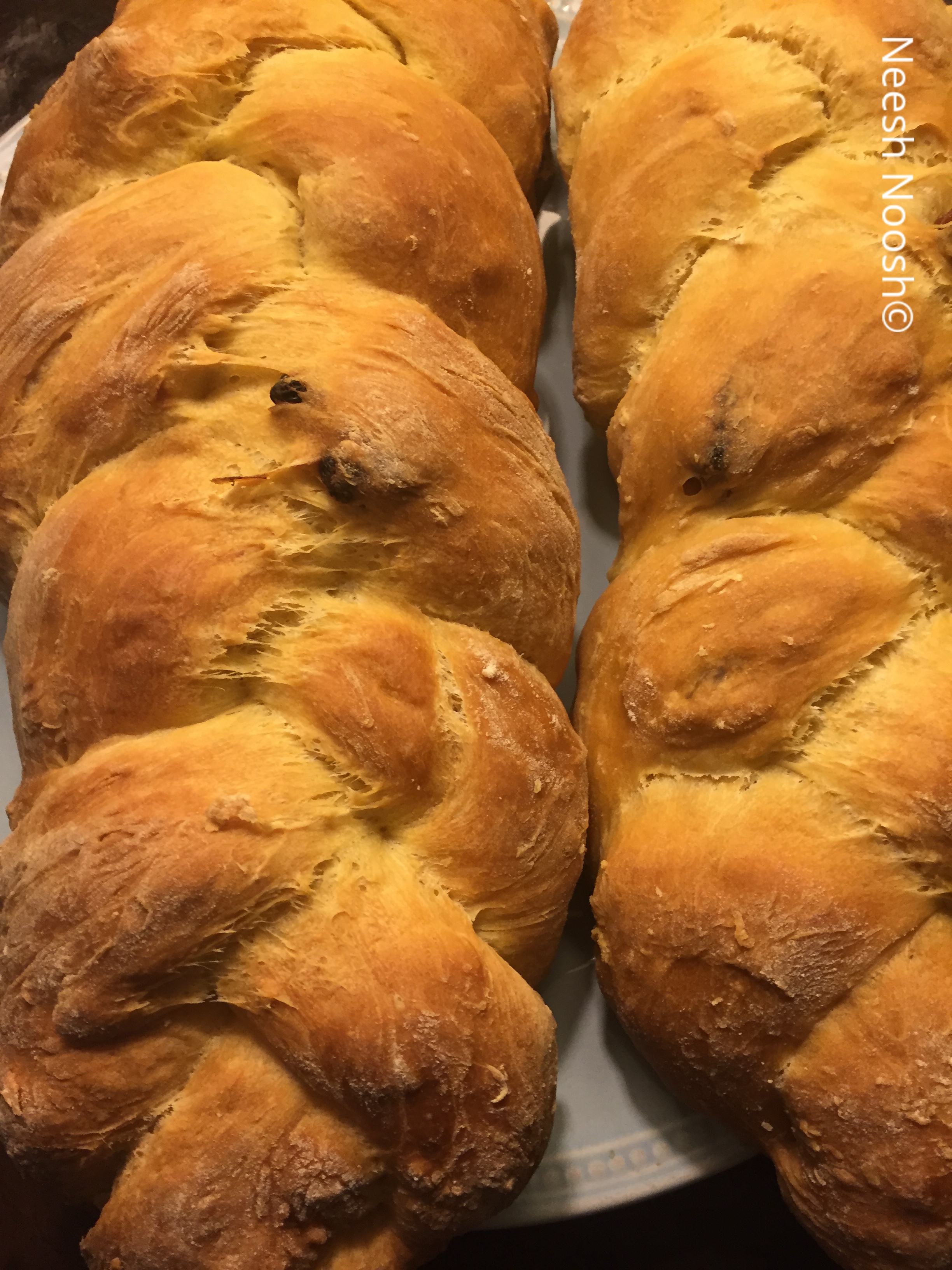
Beshallach: challot

Beshallach: raisin challot

In this week’s parsha, Beshalach, the Israelites begin their journey from Egypt to Israel. There are moments when the Israelites question their exodus and God’s ability to protect them. Although they are liberated, their lives are filled with uncertainty and they still carry some of their slave-like mentality from Egypt.  While being chased by Pharoah, the Israelites complain to Moses,“Let us be, for it is better for us to serve the Egyptians than to die in the wilderness?” (14:13). Just after this moment, God splits the Sea of Reeds, allowing the Israelites to safely pass to dry land. But, their complaints continued. They later said to Moses and Aaron, “For you have brought us out into this wilderness to starve this whole congregation to death” (16:3). Rabbi Shai Held comments that in Beshalach, “the Israelites will need to discover, however slowly and painfully, that they have agency, that they can act in ways small and large to determine their own fate.

Continue reading

Bo: Liberation

Bo. Photo by Eli Ungar-Sargon

Bo. Photo by Eli Ungar-Sargon

This originally appeared on the Joy of Kosher website.
This week, in Bo, the remaining three plagues—locusts, darkness and the death of first-born sons–-are inflicted upon the Egyptians. While Egypt was shrouded in darkness, “all Israelites enjoyed light in their dwellings” (Bo, 10: 23).  How, despite the plagues and the continuing hardening of Pharaoh’s heart, did the Israelites live at the precipice of freedom and eventually gain freedom?

The Sefat Emet teaches that “God had already placed in Egypt hidden treasures that Israel had to take out. . . . When they clarified the lights that came out of such a place, they would go on to live [and shine] throughout the generations.” (The Language of Truth, Translated by Arthur Green, pgs 93-94).

Led by Moses, they embodied light and strength for both their liberation and the birth of the nation of Israel.  According to R. Levi, Israel was “no more than a heap of barren rocks. But, after they left Egypt, they became like a flourishing orchard of pomegranates.” (Sefer Ha-aggadah, p.71). The recipe that I created for Bo is inspired by the concept of finding light and strength in darkness, as well as the Israelites transformation. Continue reading

Vaera: Slavery Now

FullSizeRender(67)

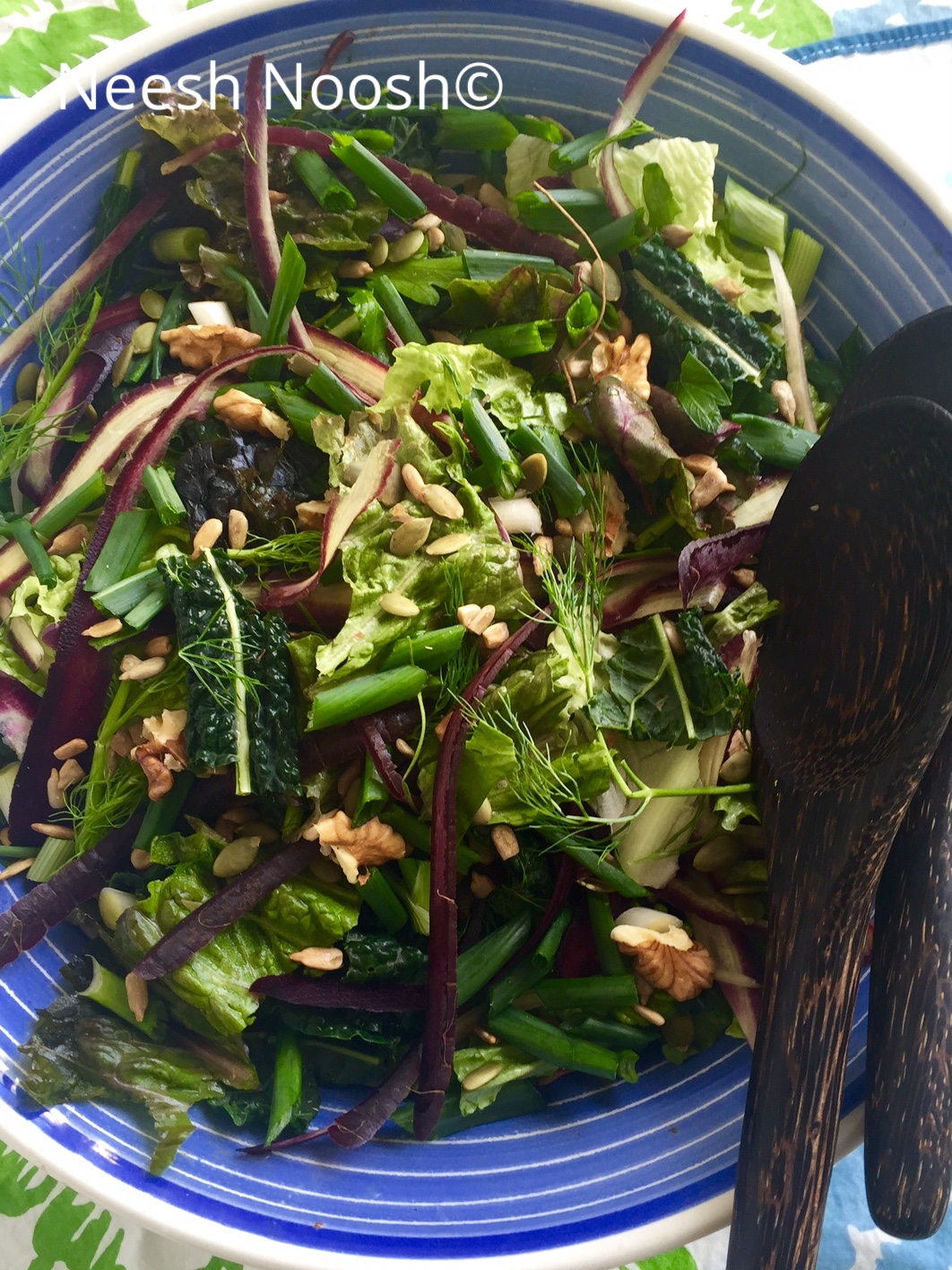
Vaera: Maror Salad

In Vaera, we read that Pharoah digs in his heels, hardens his heart and refuses to liberate the Israelite slaves, thus launching plagues against the Egyptians. “Even from such hardened sinners as Pharaoh and the Egyptians, God did not withhold the opportunity of mending their ways. Before a plague visited them Moses was charged to warn them of its coming, to-morrow, if they remained obdurate.” (Exodus Rabba)

So, why does Pharoah continue to enslave the Israelites?

Commentary in Etz Hayyim notes that the Israelites “must be freed in such a way that they, the Egyptians, and all the nations of the world will understand that it was God’s doing, not Pharaoh’s goodwill” (p. 351). The Israelites understanding of God’s role in their liberation is important “to establish the principle that it is unacceptable for one human being to reduce another human being to slavery, that freedom is the will of God and not the choice of a despot” (p. 351). This story’s universal message is important today.

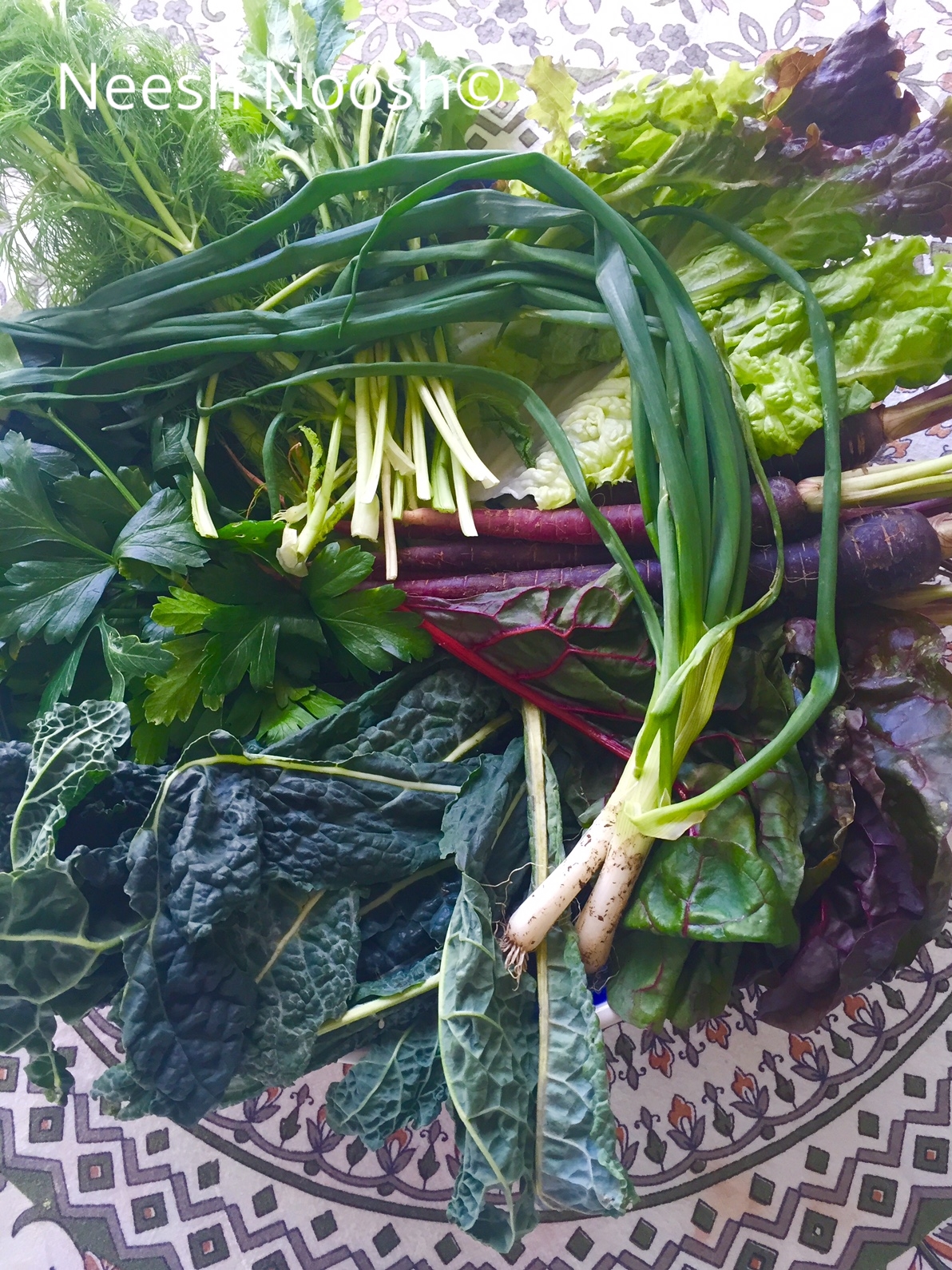
Maror Salad ingredients

Maror Salad ingredients

Despite religious teachings and the Universal Declaration of Human Rights, slavery  exists in our world. Right now, 30 million people worldwide, from domestic workers to sex workers to food supply laborers are enslaved, the largest number of people in history.  Twenty percent of these people are children. This is not just a problem “elsewhere” but here in the United States. Los Angeles, where I live, “is a top point of entry into this country for victims of slavery and trafficking.” I see it in my life as an Uprising Yoga teacher at a juvenile detention center in Los Angeles. Some of the incarcerated youth there are sex-trafficked.

Continue reading

Shmot: Righteousness

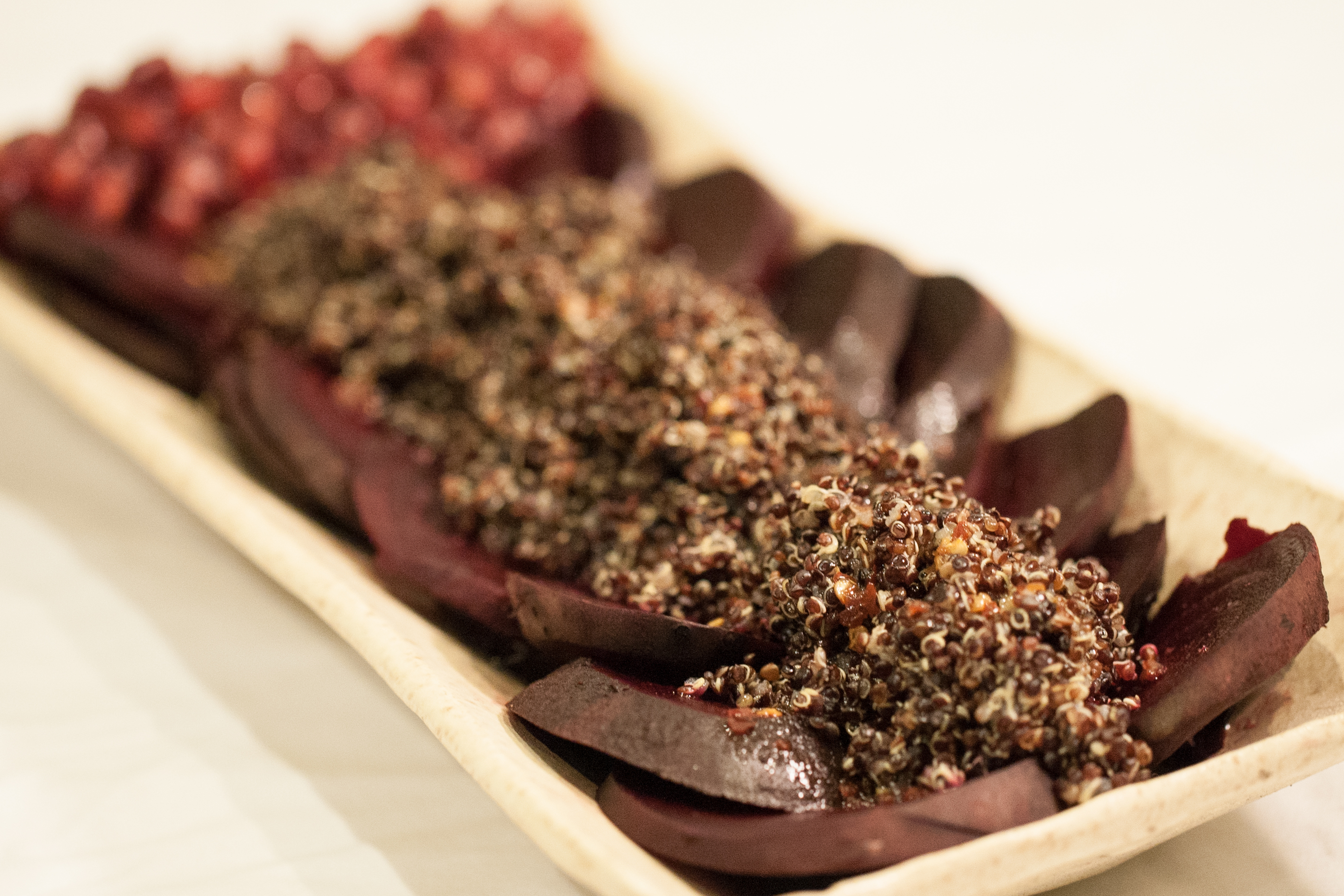
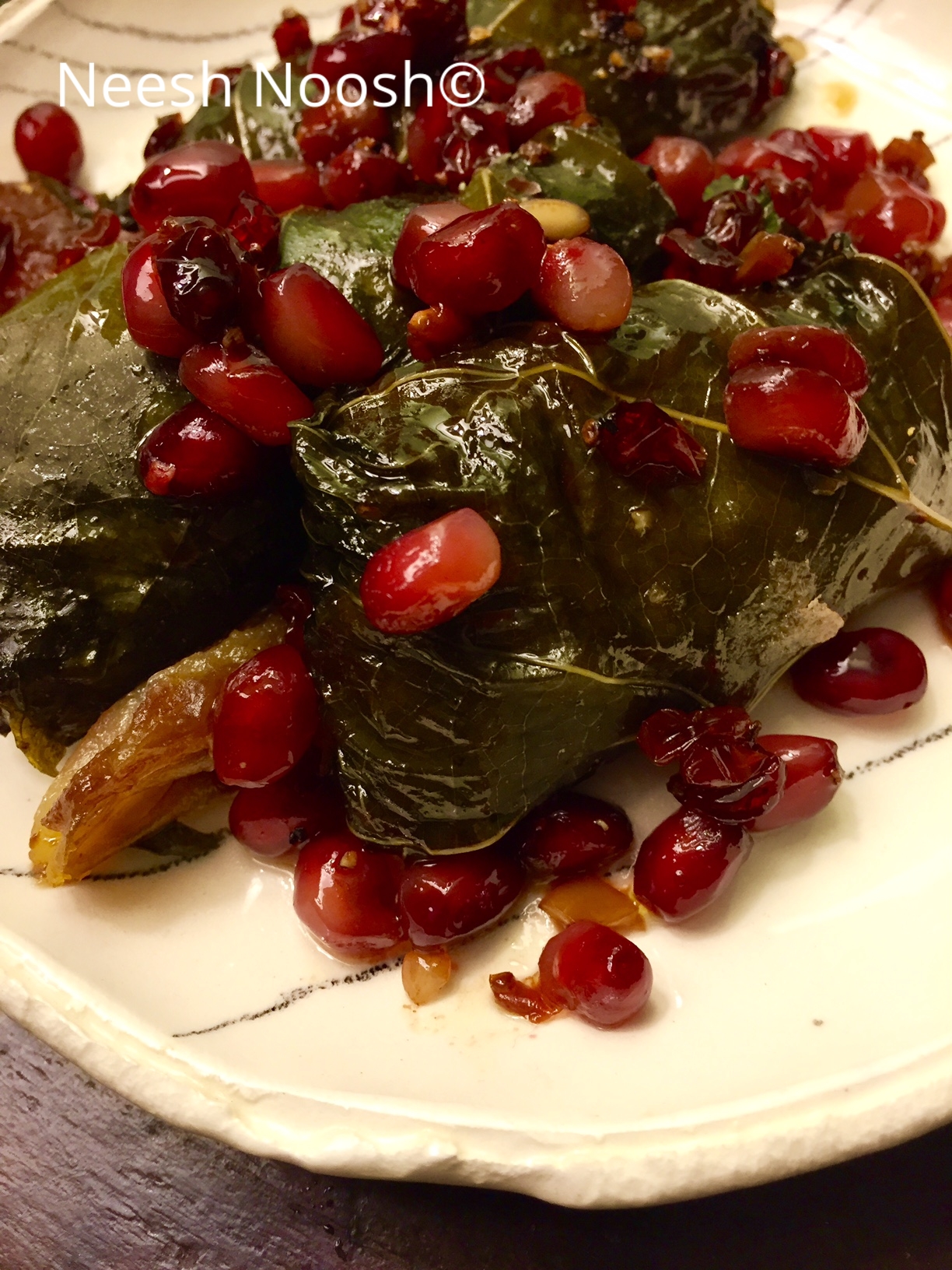
Shmot: stuffed grape leaves with pomegranates

Shmot: stuffed grape leaves with pomegranates

The beginning of Shmot includes a listing of Jacob’s sons and a description that the “Israelites were fertile and prolific; they multiplied and increased very greatly, so that the land was filled with them.”  Pharaoh, frustrated by the Israelites fertility commanded to the midwives that newborn boys be killed. But, “the midwives [Puah and Shifrah], fearing God, did not do as the king of Egypt had told them; they let the boys live.”

A midrash says, “Not only did they not do what Pharaoh told them, they even dared to do deeds of kindness for the children they saved. In behalf of poor mothers, the midwives would go to the houses of rich others and collect water and food, which they gave to the poor mothers and thus kept their children alive” (Sefer Ha-aggadah, p. 60).

Like many stories in the Book of Exodus (Shmot), the story of the midwives is one that exemplifies our responsibility to do justice in the face of oppression and protect disadvantaged people in our communities, nation and world. Continue reading

Vayechi: We are Family

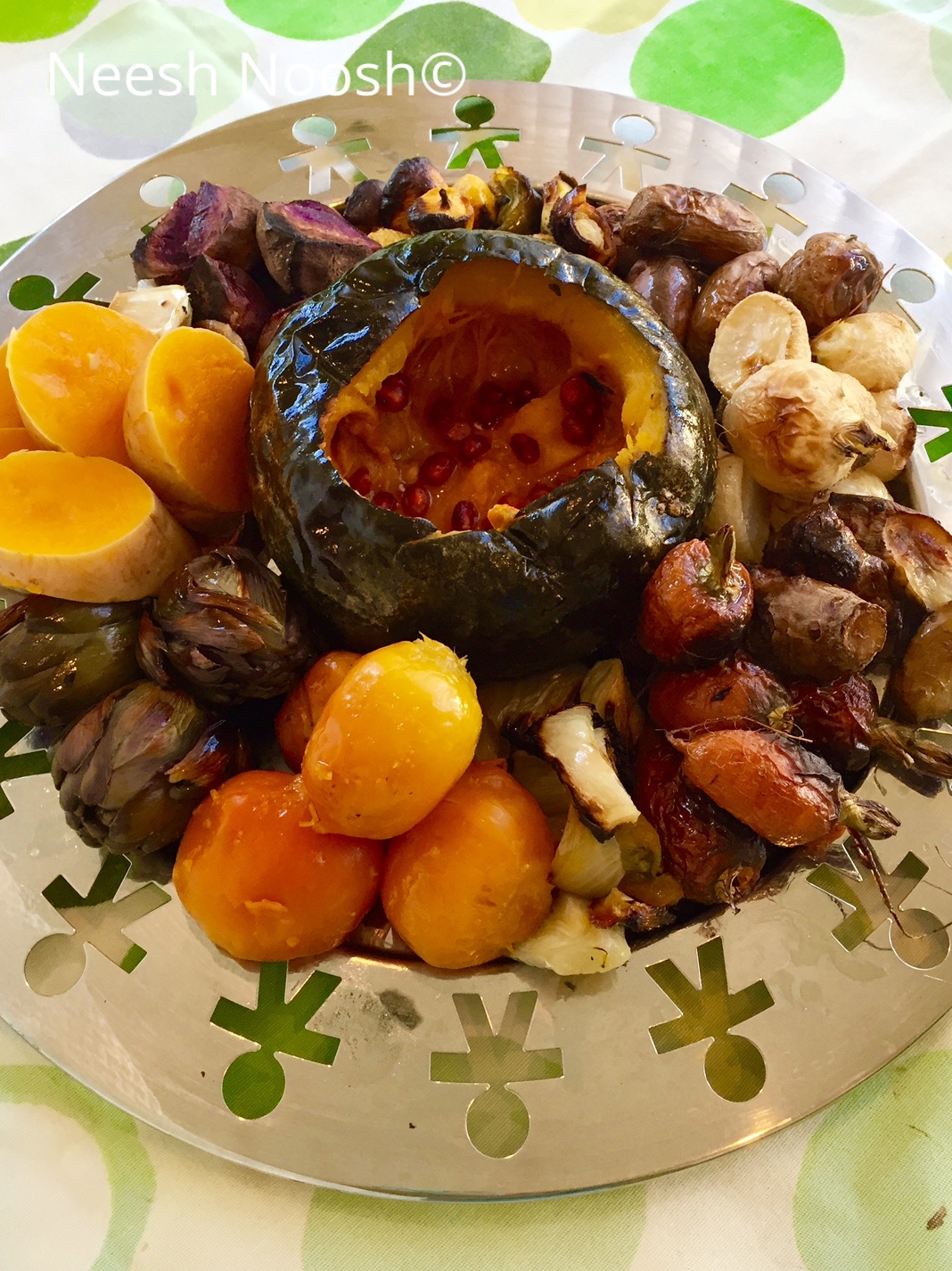
Vayechi: 12 + 1 vegetables roast

Vayechi unified vegetables roast

Bereshit (Genesis) is fraught with familial fighting and divisions. Vayechi, the final parsha (Torah portion) in Bereshit, ends this strife as it is a story of unity and redemption of the 12 tribes of Israel before they begin their exile. Diane Bloomfield teaches that their patriarch Jacob, embodies the quality of emet (truth), even in Egypt, a world of constriction and exile. Jacob’s 17 years of living in Egypt prepared the Israelites for their exile: he passed the seeds of discernment to them to discover and reveal his world of emet and echad (oneness).

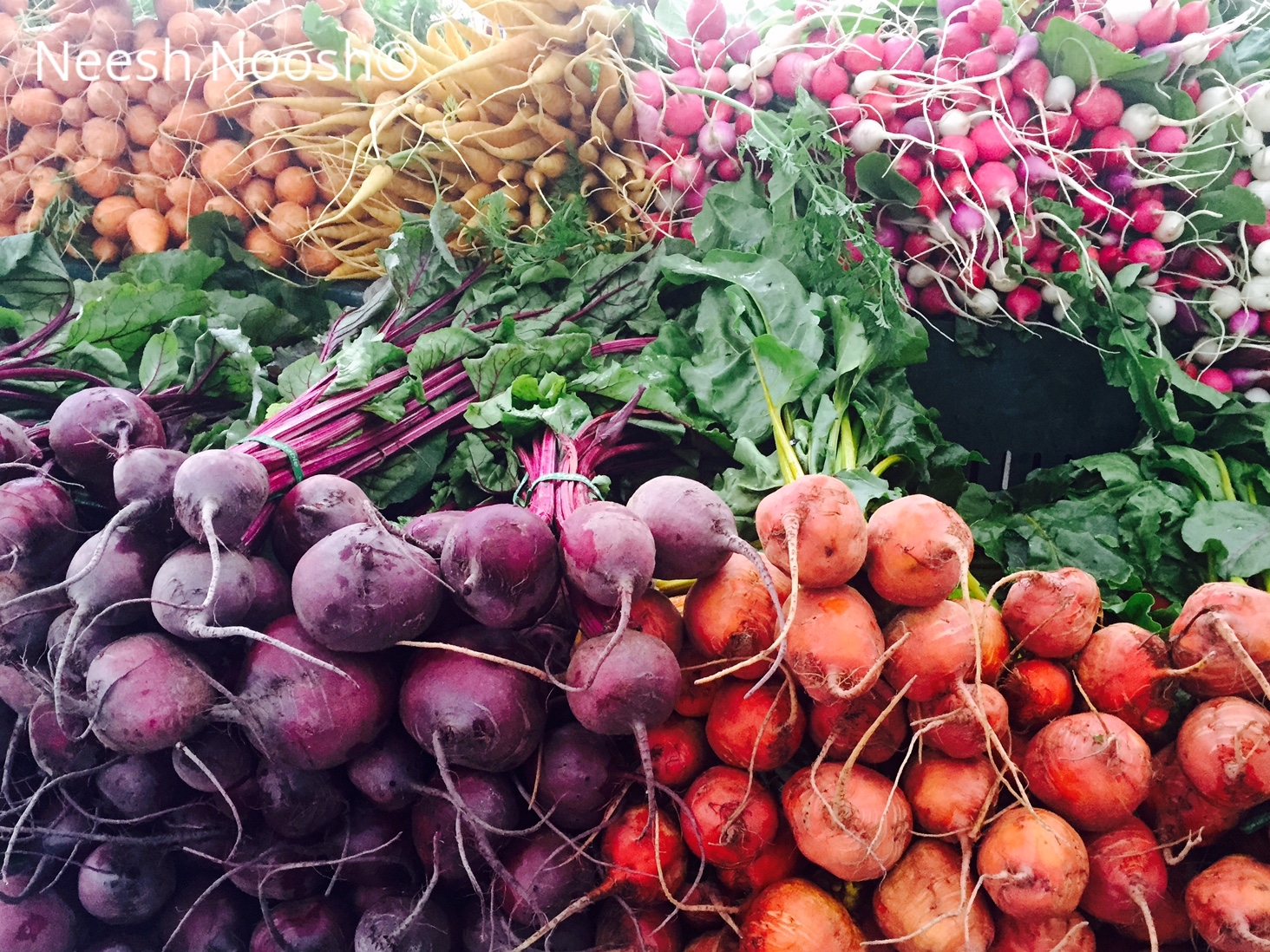
Underwood Family Farms, Culver City, CA Farmers Market

Underwood Family Farms, Culver City, CA Farmers Market

In Vayechi, Jacob gathers his 12 sons to his deathbed, and says “come together that I may tell you what is to befall you in days to come.” Chana Kroll writes on Chabad.org that at this moment, “the twelve individuals became one unified soul. They said the Shema prayer before their father Jacob, thus reassuring him that the principles of serving G‑d and recognizing His absolute Oneness would be lived and taught by them as well. One family, with one heart and one soul.”

Continue reading

Va’yigash: Reconciliation

Va'yigash: roasted parsnip carrot dip

Va’yigash: roasted parsnip carrot dip

This week’s parsha, Va’yigash, brings to a climax the relationship between Joseph and his brothers, who had sold him into slavery. Joseph, overcome with emotion, reveals himself to his brothers. It’s a moment where Jospeh could seek revenge.  But, the shocked brothers are offered words of forgiveness instead. Joseph says, “Do not be distressed or reproach Yourselves because you sold me hither; it was to save life that God sent me ahead of you. Rabbi Jonathan Sacks argues that this is humanity’s first moment of forgiveness.

The choice of reconciliation rather than revenge, is a challenge and opportunity for each of us. Rabbi Cheryl Peretz writes that Joseph’s responds by telling his brothers, “Sadness

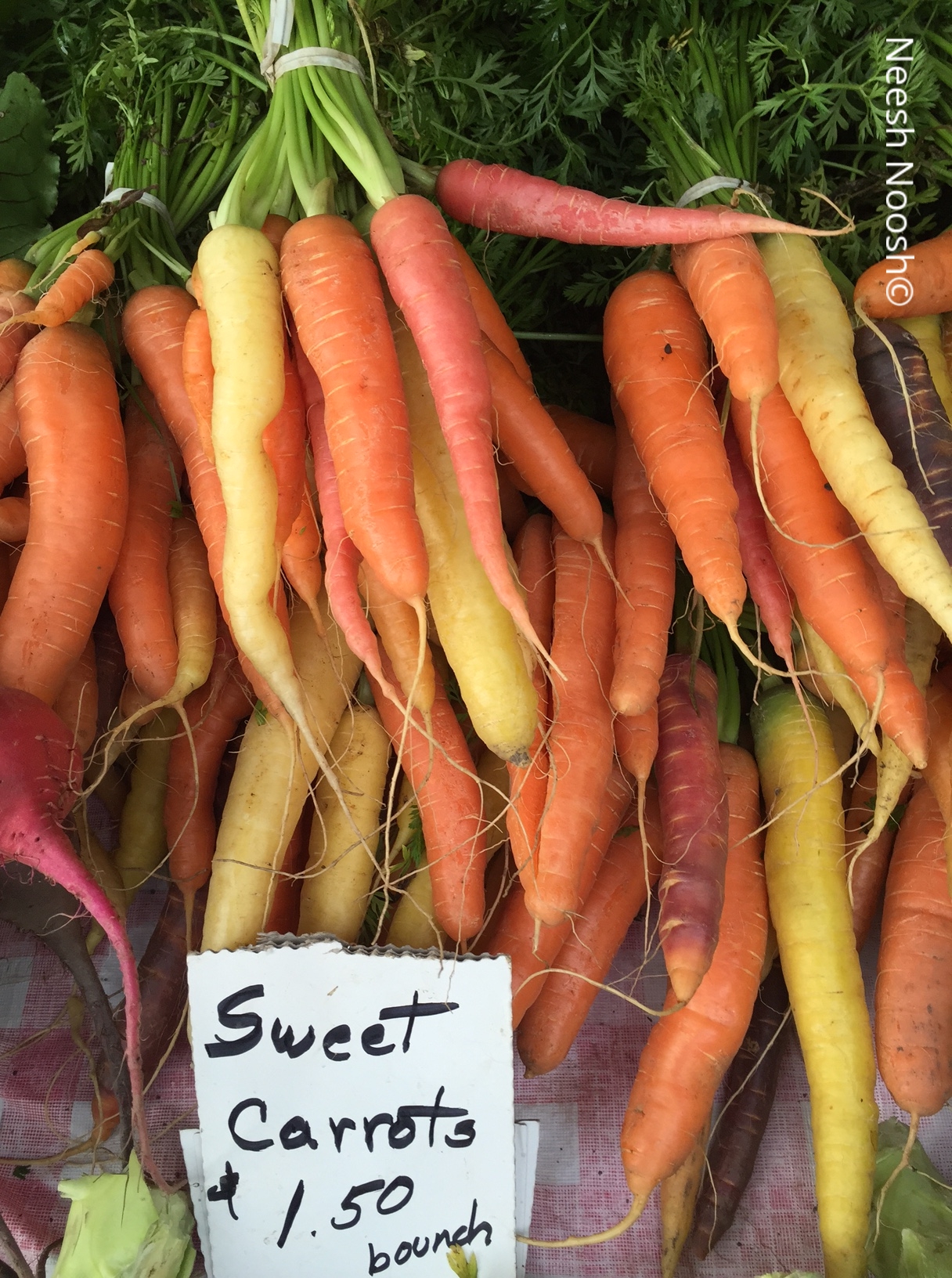
Carrots. Carpinteria Farmers Market, Carpinteria, CA

Carrots. Carpinteria Farmers Market, Carpinteria, CA

and regret lead to revenge and that is the deepest pit of all. I am no longer in the pit. Instead, I am choosing to live in the future not in the past, to love despite the hurt, and to reconcile over the pain.”

It’s a monumental task for a human to transcend one’s own pain and suffering to find God in the experience and to  reconcile with an oppressor. Joseph could have lived his life with a hardened heart, punishing his brothers for what they did to him. But, he choose a different path that offered an open heart. Rabbi Peretz continues that Jacob explained, My life has unfolded in a way that I could do God’s work. . . . It’s not about me and it’s not about all of you, but about the goodness and blessing of the life we have been given.” Continue reading

Chanukah: Oil, the bad and the sweet-smelling good of it

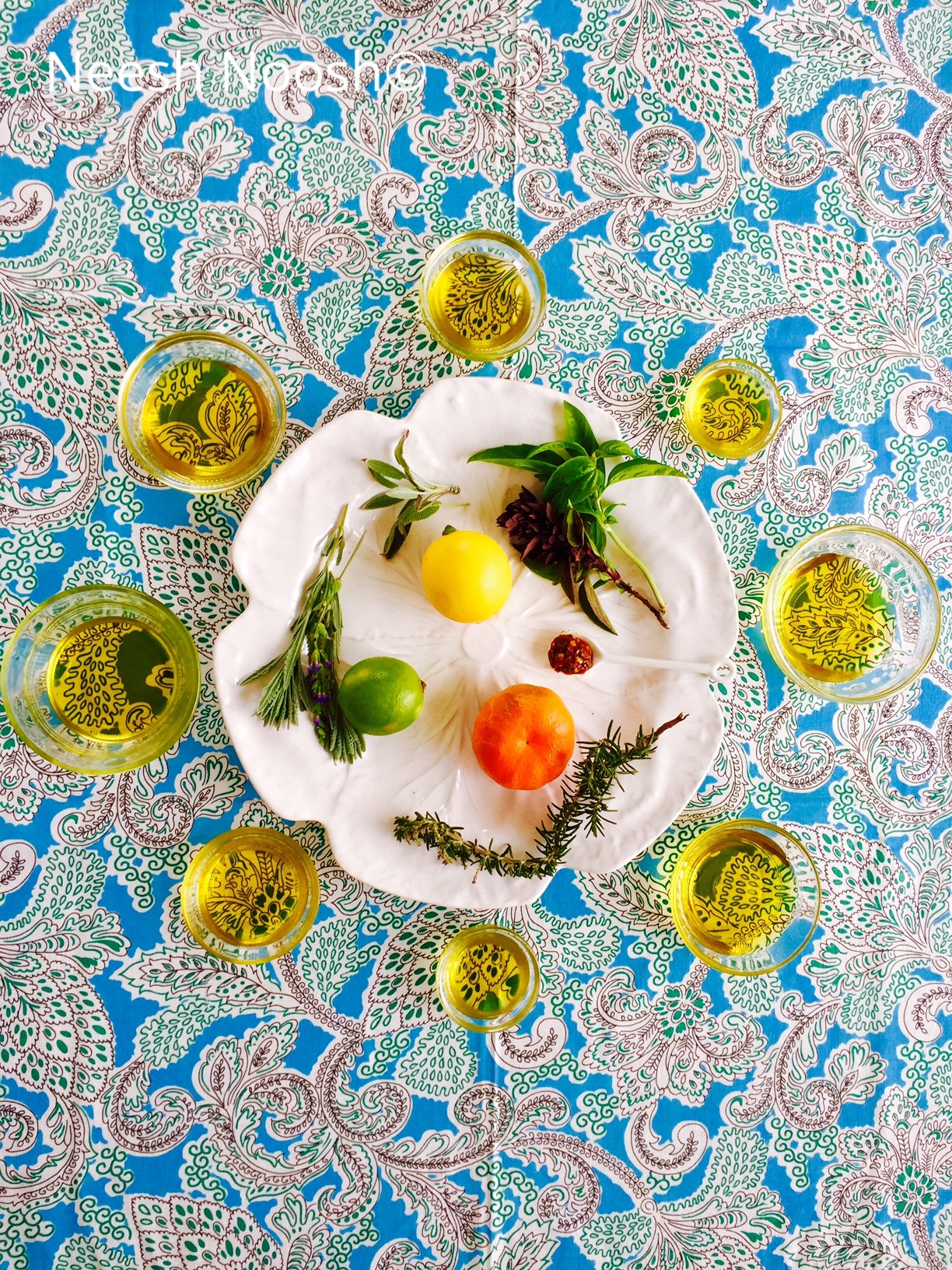
Chanukah infused oil ingredients

Chanukah infused oils’ ingredients

This was originally printed in the Jewish Journal.

Chanukah is a holiday where we consume lots of oil-drenched foods. But beyond these dishes, what is the connection between oil? Actually, a lot, and it has to do with our agricultural system.

We till the same soils through which God breathed Adam into existence. Our water is a finite source that operates in cycles; we drink much of the water that was consumed by the Maccabees. Protecting these precious soils and water sources is integral to our stewardship of our agricultural lands and our existence.

In the 12,000 years of agriculture, the most significant changes have occurred in the past century. We live in an era of agricultural assimilation, which pushes for uniformity in growing practices and types of crops grown. And, at the heart of much of these “big ag” forces is “big oil.” Unlike the sacred olive oil used at Chanukah, there’s nothing sacred about fossil fuels in agriculture. Continue reading

Vayeshev: Joseph and the Amazing Technicolor Stew

Vayeshev: Technicolor Stew

Vayeshev: Technicolor Stew

In Vayeshev, Jacob returns to his home to “settle.” But, there is not any internal or external settling for him. Jacob’s sons are upset by the arrogance of his favorite son, Joseph. The brothers strip Joseph of the elaborate tunic Jacob had given him and throw him into a pit. Rather than letting him die, though, Reuben convinces the other brothers instead to sell him into slavery. But, the brothers lie to their father that his beloved Joseph was killed by presenting his bloody tunic.

Why is Jacob unable to have tranquility in his life after everything he’s been through? Yanki Tauber writes, “many are content to live this lie: to forget what happened yesterday, avoid thinking about what will happen tomorrow, ignore the sadness in a neighbor’s eye, the poverty on the other side of town and the bombs in the other time zone.

While one may look at a farm and see a tranquil, lush landscape, agriculture is anything but calm. Rather, it is the epicenter of global fights for human rights, land sovereignty and the survival of family farmers. This Wednesday, December 10, is Slow Food’s Terra Madre Day–a global celebration of local foods. The Terra Madre network in 160 countries supports food sovereignty–local communities control over the growing, production and eating of food. It is also about preserving indigenous food cultures and traditions in the face of threats from international agriculture and food homogenization that eliminates food diversity, hurts
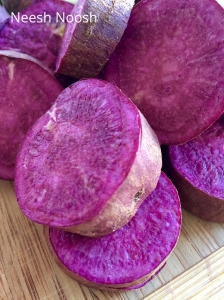
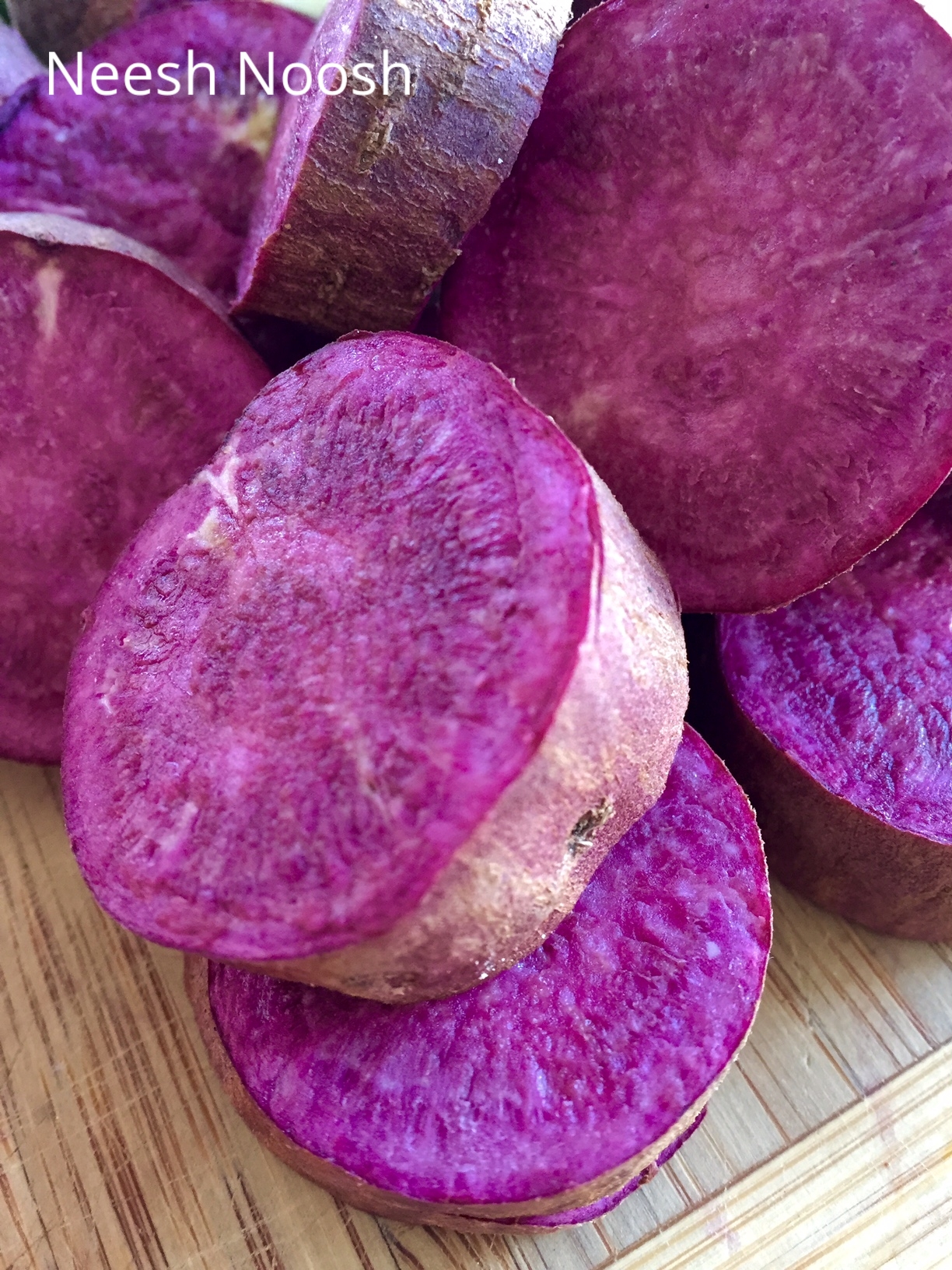
Purple Yams. Pureland Farms. La Cienega Farmers Market, Los Angeles

Purple Yams. Pureland Farms. La Cienega Farmers Market, Los Angeles

small farmers and devastates communities. Part of Terra Madre’s commitment to preserving food diversity is through it’s Ark of Taste which has already 2,000 foods from around the globe that are at risk of disappearing.

It’s also Human Rights Day on December 10. While the family farmers of Terra Madre fight off threats from industrial agriculture, tens of thousands of industrial farmworkers are fighting for their human rights.  The Los Angeles Times has an incredible story about farmworkers in Mexico picking tomatoes at “mega-farms” for the US market. They live in “squalid conditions, trapped for months at a time  [and] camp bosses illegal withhold [of] wages.” 

One worker said, The real truth is that we’re work animals for the fields. Continue reading

8 Ways to Make Your Chanukah More Sustainable

From foods to gifts, there’s many ways to add sustainable practices to your Chanukah celebrations. Please share your ideas in the comments section at the bottom!

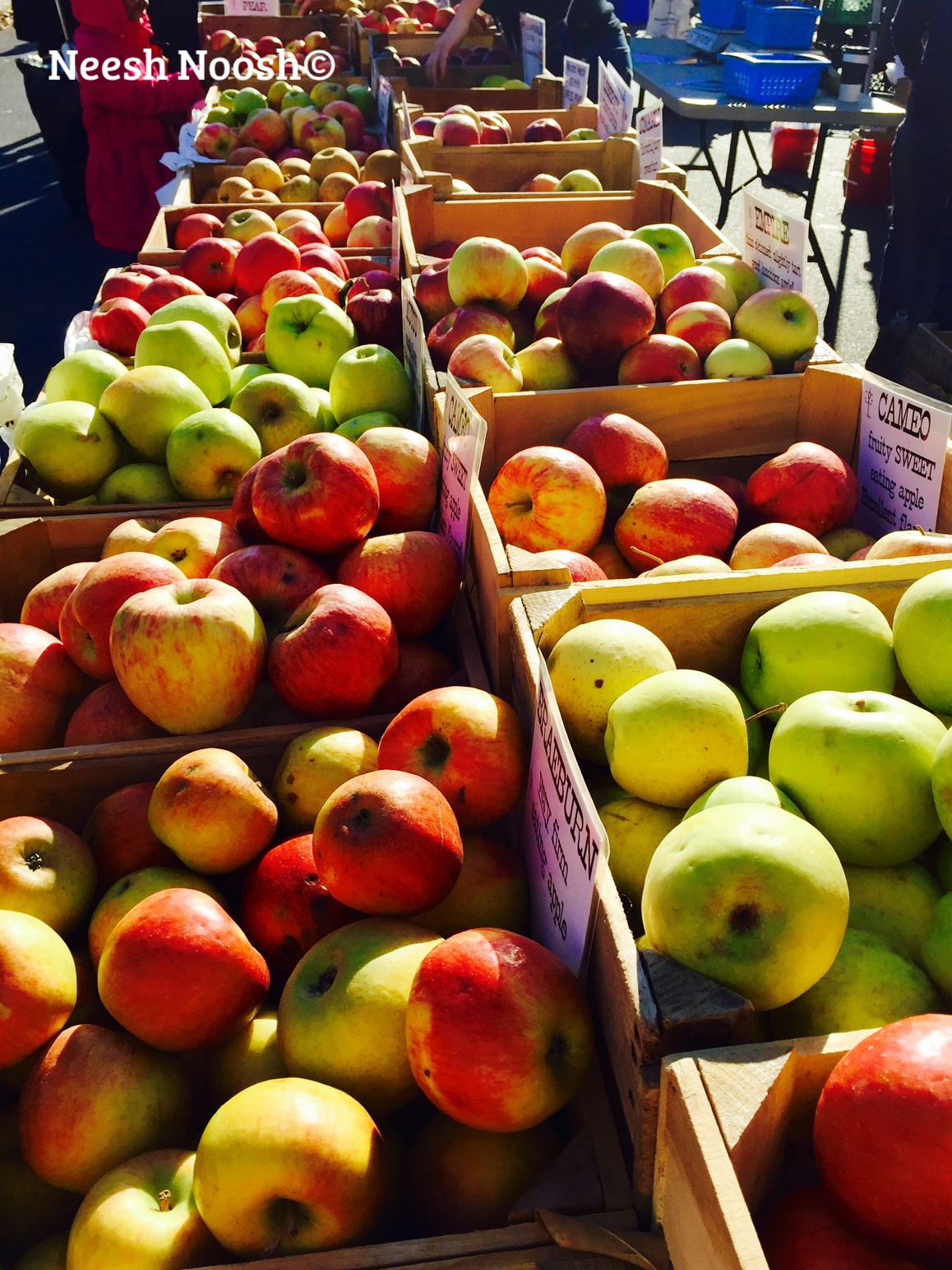
Black Rock Orchard. DuPont Circle Farmers Market. Washington, DC

Black Rock Orchard. DuPont Circle Farmers Market. Washington, DC

1. Organic apples and potatoes
Apples and potatoes are ranked #1 and #12, respectively, on Environmental Working Group’s “Dirty Dozen” list of produce with the highest levels of pesticide residue. Take pesticides out of Chanukah and prepare your latkes and applesauce with safer, healthier and tastier organic apples and potatoes.

2. Wooden dreidels
Plastic is forever and we are literally drowning in it. The Great Pacific Garbage Patch is a massive floating vortex, comprised mostly of plastic, that stretches from the West Coast of the US to Japan.  It doesn’t need more spinning plastic dreidles!

3. Fair Trade gelt
More than half the world’s cocoa is grown in the Ivory Coast where children are forced to work on farms without pay or safe conditions. Go guilt-free gelt, instead! Choose kosher certified gelt, produced only by adults at a democratically-run fair trade cooperative in Ghana. Continue reading