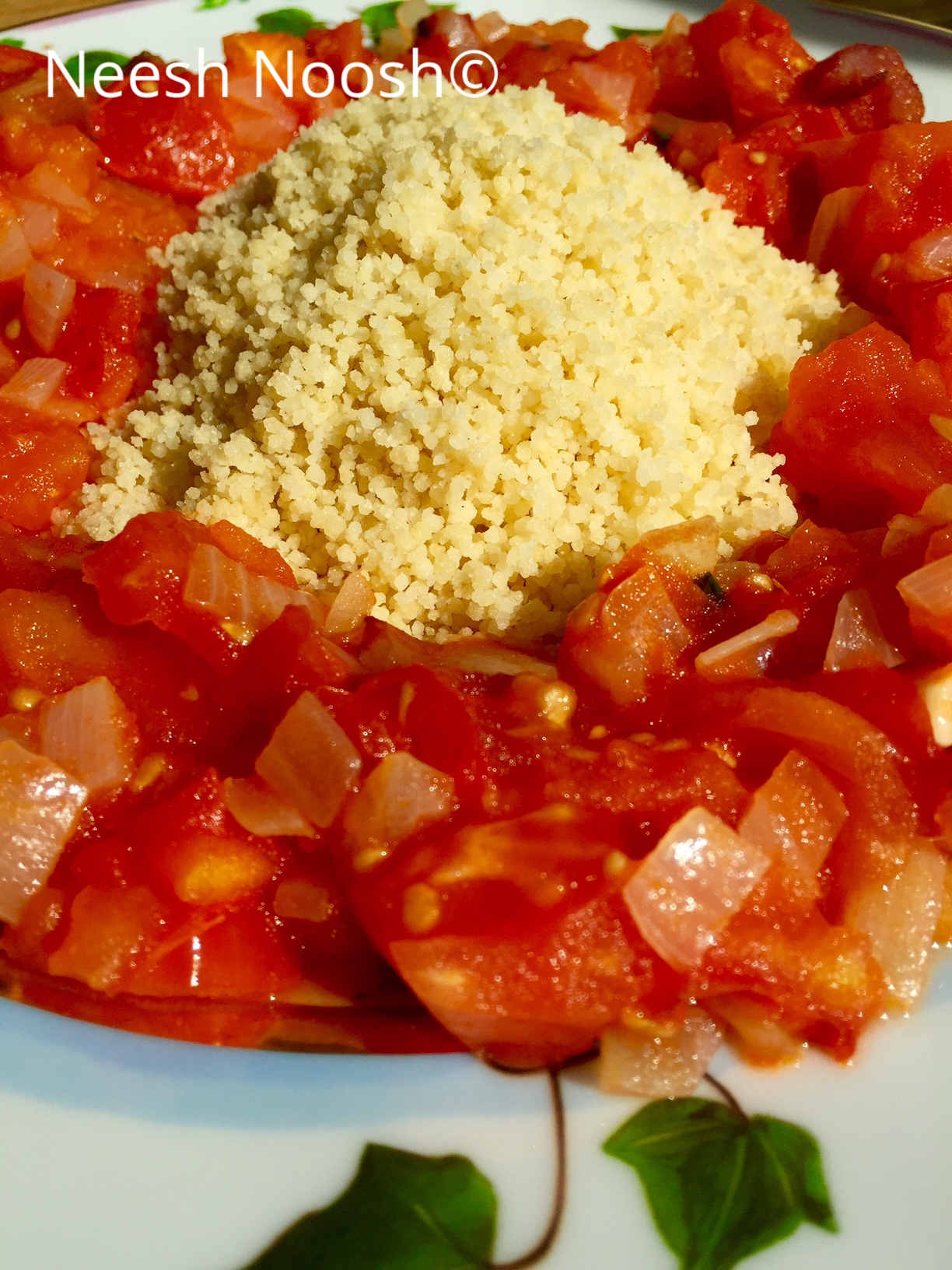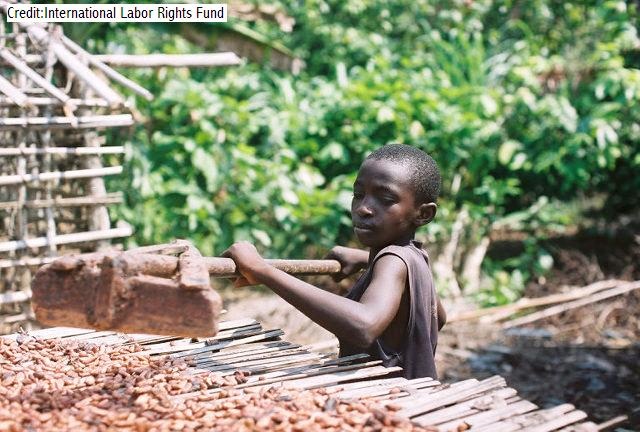
When we read at Passover, “This year we are slaves; next year, may we be free” we can do our part to ensure that our Pesach celebrations—and all year long–are free of the stains of modern day slavery. Despite the Universal Declaration of Human Rights prohibition against slavery, approximately 35.8 million men, women and children worldwide are enslaved, more people than at any point in the history of humanity. About 10 percent of enslaved people work in food industries, harvesting cacao, sugar, and tomatoes, raising cattle or catching fish. The frequent battle for cheaper prices in the global food marketplace might seem great for consumers, but “the reality is that competitive pricing is often the result of exploitative labor practices” where food is grown in disregard for human dignity and international laws. Continue reading
Author Archives: Sarah Newman
Passover: Liberate Yourself from Industrial Food
Our nation is enslaved to an industrial food system that is making us sick and fat. It abuses workers (with many cases of modern day slavery), is inhumane to animals, pollutes our drinking water with manure and pesticides, and contributes to climate change. Eating is a religious act. These foods do not reflect Jewish values of humane treatment of animals, workers rights, protecting the environment and human health.
This Passover, we can liberate ourselves from this system by supporting farmers that grow food more sustainably. Below is a list of suggestions for your seder and throughout the year. There’s so much more that can be done, so please share your ideas in the comments section, at the bottom of the post. Continue reading
Tzav: Sharing with Others
This week’s parsha, Tzav, includes more details about sacrifices, including the Korban Todah (Thanksgiving offering). Again, I wrestled this week about what the sacrifices mean to me and how to translate the parsha into a recipe (though the Korban Todah “consisted of forty loaves of bread”)?
Dr. Tali Loewenthal on Chabad.org explains that this offering “was brought as expression of thanks to God by someone who experienced any of four specific kinds of danger: a captive who was freed; a person who crossed the sea; one who traversed the desert, and someone who has recovered from an illness.“ And, none of it could remain until the following day.
Rabbi Brad Artson, in The Bedside Torah, comments that “the Korban Todah is a celebration of life and its wonder.”
Vayikra: Modern Sacrifices
As a vegetarian since the age of nine and an on-again, off-again vegan, I wrestled with this week’s parsha, Vayikra, which offers detailed instructions for animal sacrifices. How do I understand sacrifices (and those who argue that these practices will return during the Messianic period) with my commitment to not eating or harming animals?
Rabbi Brad Artson puts the ancient practice into context. He writes in The Bedside Torah, “Our ancestors turned to animal sacrifice because they saw in it a way to express deep rage, feelings of inadequacy, and guilt. They could, through sacrifice of animals, see their own frailty, their own mortality, and their own bloodiness” (p. 169).
And, sacrifices still offer meaning to us in the 21st century. He explains, “in our age, a period of sanitized religion and everyday violence, the practice of our ancestors has something to teach. And so we read Sefer Va-Yikra, and learn to see our fears in the eyes of an animal going to the slaughter, in the cries of the victim of sacrifice” (p. 169). Continue reading
Fair-Trade Kosher Chocolate Give-Away
Who can say no to Fair Trade, kosher for Passover chocolate? Fair Trade Judaica is generously giving-away chocolate to one lucky reader! Enter to win by March 20, 2015 by writing in the comments section, at the bottom, about why Fair Trade kosher for Passover chocolate is important to you. Continue reading
Ki Tisa: Anxiety and Desire
In this week’s parsha, Ki Tisa, an epic moment occurs when Moses descends Mount Sinai with the tablets inscribed with the 10 Commandments and finds the Israelites worshiping the Golden Calf. He throws down the tablets, shattering them. How can one understand the Israelites creation and worship of the Golden Calf? Were their actions actually predictable and expected?
Yael Shy of the Institute for Jewish Spirituality describes the Israelites feelings then as “The Fire of Anxiety.” She writes, “When Aaron throws the gold in the fire, the people are filled with terror and anxiety. Moses has been gone for over a month. They are terrified of being abandoned, of being alone.“ Continue reading
Terumah: Tzedakah and Transformation
Terumah describes the construction of the Tabernacle, a holy place where God dwells. Initially, the parsha seems rather dry: tiny details for lengths, colors of fabrics, types of materials and so forth. But a deeper read illuminates so much about the Israelites, their relationship to each other and to God through the construction of the Tabernacle.
God says Moses to “bring me gifts; you shall accept gifts for Me from every person whose heart so moves him” (25:3). Rabbi Abraham Isaac Kook asks: “Why did God command Moses to take the donations? The
verse should read that they must give an offering!” He continues, “So why did God command that these gifts for the Tabernacle, the first act of tzedakah (charity) on a national level, be donated solely out of sincere generosity?”
He explains that God asked for donations instead of offerings because, “By donating our time and money, we express our inner qualities of chessed and kindness in a concrete and tangible manner. The act of tzedakah actualizes our traits of generosity and contributes toward our own spiritual growth.” The Israelites acts of tzedekah were spiritually transformative. Continue reading
Mishpatim: We are all strangers
In Mishpatim, twice God tells the Israelites not to oppress a stranger because they were strangers in the Egypt. (22:20 and 23:9). This is central to Jewish identity. Rabbi Jonathan Sacks writes, “To be a Jew is to be a stranger.” Rabbi Shai Held writes that, “since you know what it feels like to be a stranger, you must never abuse or mistreat the stranger.”
Indeed, the Israelites experience as strangers in Egypt and throughout the diaspora provides the imperative that we not only support the strangers in our midst but stand in solidarity. Rabbi Held continues, “Empathy must animate and intensify your commitment to the dignity and well being of the weak and vulnerable. And God holds you accountable to this obligation” Continue reading
Tu B’shevat: New Year for trees: Savor fruits of the earth, consider their journey
This was originally published in the print and online editions of the Jewish Journal
Tu B’Shevat, which translates literally as the 15th day of the month of Shevat, is the Jewish New Year for Trees. Mentioned in the Talmud, the holiday marks the tithing of fruits grown in Israel.
In the 16th century, Jewish mystic Rabbi Isaac Luria and his disciples developed a seder for the holiday that focused on the symbolism of the fruits and trees of Israel. Like the Passover seder, the Tu B’Shevat one includes four cups of wine, each representing a different sphere in kabbalah. The first glass of wine is all white; the fruit is inedible on the outside and edible inside. The second glass of wine is equal parts white and red wine; the fruit is edible outside and inedible inside. The third glass wine is mostly red and some white; the fruit is completely edible. The last glass of wine is all red; the fruit is “spiritual sustenance.”
The celebration of this holiday has experienced resurgence recently, celebrated as a Jewish Earth Day.
Beshalach: From Fear to Action
In this week’s parsha, Beshalach, the Israelites begin their journey from Egypt to Israel. There are moments when the Israelites question their exodus and God’s ability to protect them. Although they are liberated, their lives are filled with uncertainty and they still carry some of their slave-like mentality from Egypt. While being chased by Pharoah, the Israelites complain to Moses,“Let us be, for it is better for us to serve the Egyptians than to die in the wilderness?” (14:13). Just after this moment, God splits the Sea of Reeds, allowing the Israelites to safely pass to dry land. But, their complaints continued. They later said to Moses and Aaron, “For you have brought us out into this wilderness to starve this whole congregation to death” (16:3). Rabbi Shai Held comments that in Beshalach, “the Israelites will need to discover, however slowly and painfully, that they have agency, that they can act in ways small and large to determine their own fate.”