Ki Tavo: Mitzvot and Renewal

Ki Tavo: Roasted Fruit

Ki Tavo: Roasted Fruit

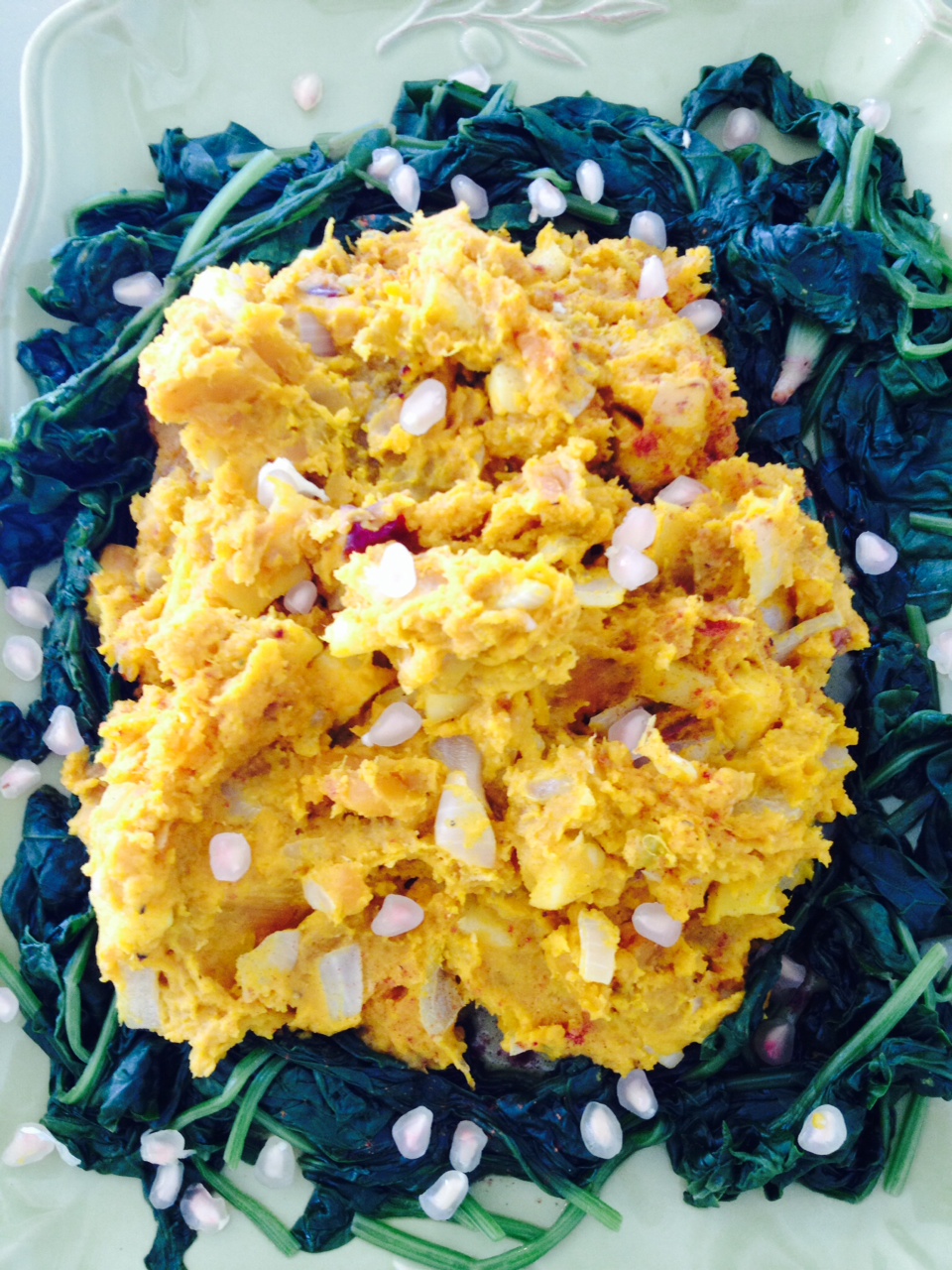
This week’s Torah portion, Ki Tavo, begins with the responsibility of the Israelites to bring an offering of first fruits (bikkurim) after they’ve entered the land of Israel. “He brought us to this place, and He gave us this land, a land flowing with milk and honey. And now, behold, I have brought the first of the fruit of the ground which you, O Lord, have given to me.” (26:9-10)

Fruit offerings were later replaced with prayers but the purpose and intention are the same. As my teacher, Diane Bloomfield of “Torah from Jerusalem” explains, each day is the potential for both the physical world and humans to renew through prayer and actions. Despite the darkness that shrouds much of the world, we are commanded by God, as caretakers of the world, to illuminate dark places through mitzvot (actions). Such behaviors enable us to connect more deeply to God and renew ourselves and the world.
Continue reading

Devarim: Towards the Promised Land

Devarim: walnuts, fruit and honey

Devarim: walnuts, fruit and honey

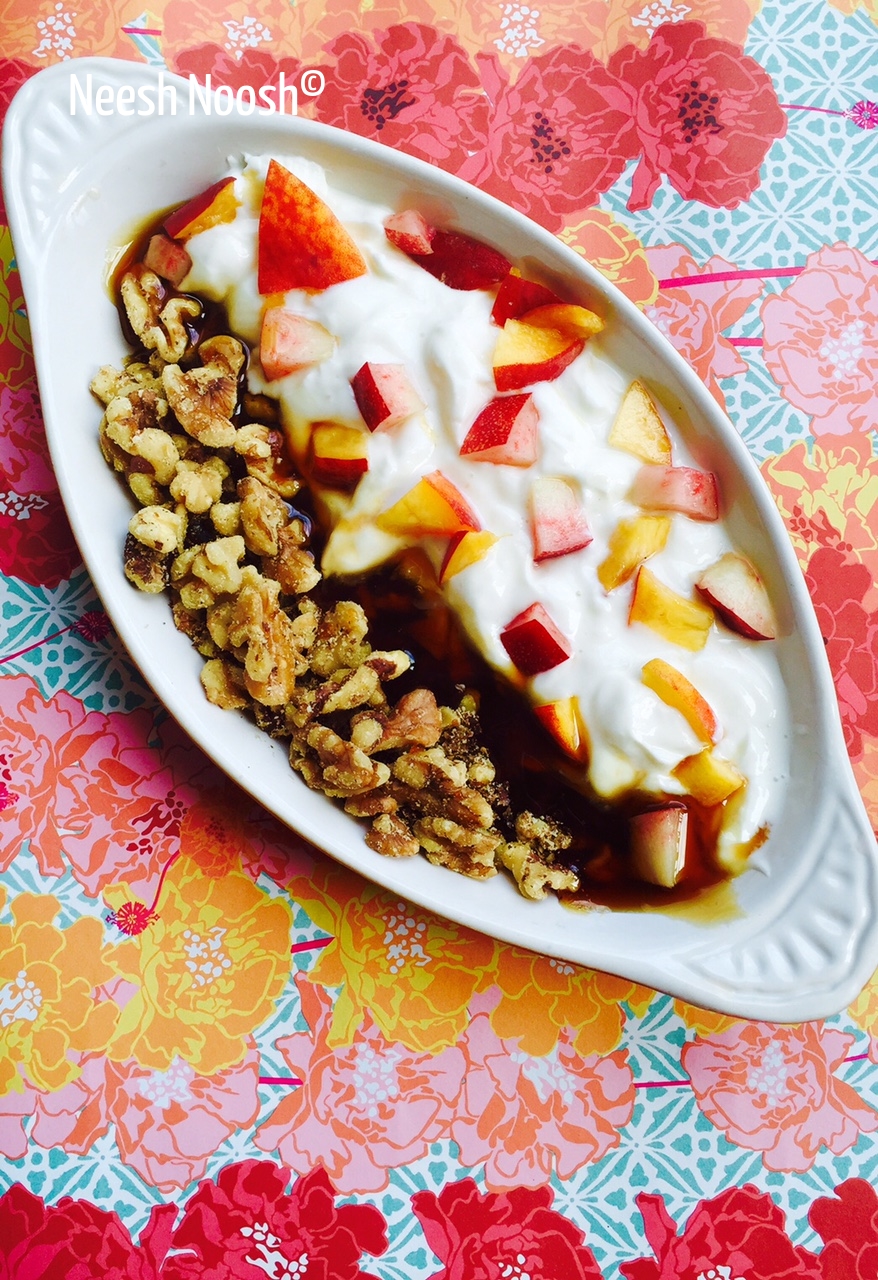
We enter the fifth and final book of the Torah, Devarim (Deuteronomy).  In this week’s Torah portion, also called Devarim, the Israelites are on the precipice of entering the Promised Land. Moses begins to recount the laws, teachings and events of the Israelites 40 years in the wilderness.

We are–individually and collectively–on journeys to the Promised Land. It’s our spiritual journeys. And, it’s about our responsibilities to our world by pursuing tzedek (justice) and tikkun olam (repairing the world).  And though, like Moses, we won’t necessarily reach the Promised Land, we are obligated to act for ourselves and future generations. It is taught, “It is not your responsibility to finish the work [of perfecting the world], but you are not free to desist from it either” (Ethics of the Fathers 2:16).

Continue reading

Korach: From Rebellious to Sacred

Korach: Pancakes with strawberry compote

Korach: Pancakes with strawberry compote

In this week’s Torah portion, we read about rebellious Israelites, led by Korach. While his complaints about the status of Moses and Aaron might seem like the words of an early democratic activist, his intentions were actually self-serving. He is “the arch-demagogue, lusting for power to inflate his own prominence, not to serve the people” (Etz Hayim, p. 860). He led a group of Israelites in opposition to not only Moses and Aaron but “that of Torah, and ultimately, God.” (Etz Hayim, p. 860). Rabbi Samuel Barth notes, “The sin of Korah was in thinking of himself as “outside the community”; he betook himself and his followers from being part of the People of Israel, and they became a faction, catalysts for further factionalization.”

Rabbi Moshe Bryski, on Chabad.org writes that Korach lived his life yearning for a different one, jealous of others. He comments that “A person who sees the essence of life as serving the will of His Creator does not expend useless energy craving places where the grass is greener. He finds meaning, purpose, joy and fulfillment in the place where the grass is greenest of all: his own.”

Continue reading

Tu B’shevat: New Year for trees: Savor fruits of the earth, consider their journey

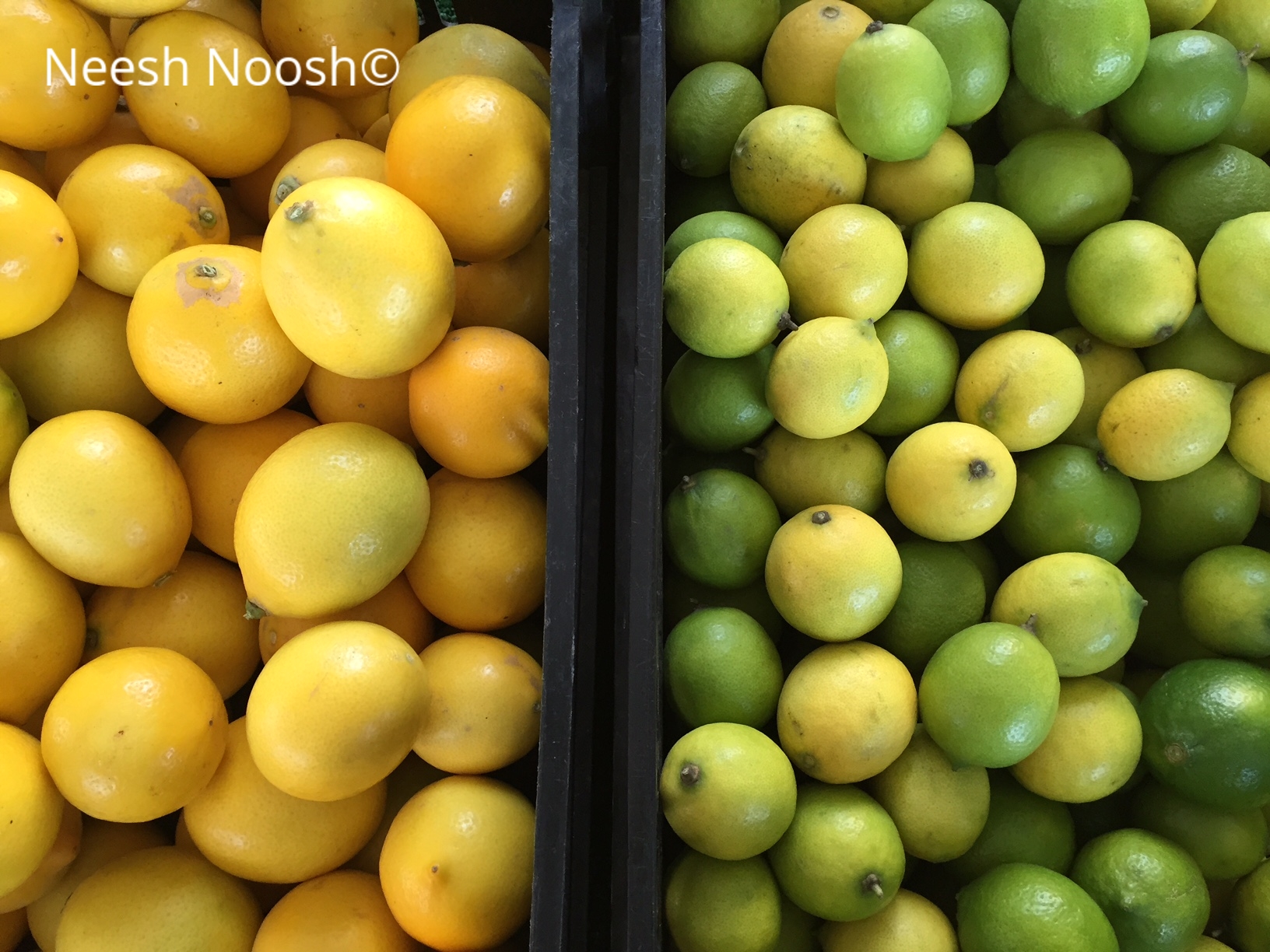
Lemons and limes. La Cienega Farmers Market

Lemons and limes. La Cienega Farmers Market

This was originally published in the print and online editions of the Jewish Journal

Tu B’Shevat, which translates literally as the 15th day of the month of Shevat, is the Jewish New Year for Trees. Mentioned in the Talmud, the holiday marks the tithing of fruits grown in Israel.

In the 16th century, Jewish mystic Rabbi Isaac Luria and his disciples developed a seder for the holiday that focused on the symbolism of the fruits and trees of Israel. Like the Passover seder, the Tu B’Shevat one includes four cups of wine, each representing a different sphere in kabbalah. The first glass of wine is all white; the fruit is inedible on the outside and edible inside. The second glass of wine is equal parts white and red wine; the fruit is edible outside and inedible inside. The third glass wine is mostly red and some white; the fruit is completely edible. The last glass of wine is all red; the fruit is “spiritual sustenance.”

The celebration of this holiday has experienced resurgence recently, celebrated as a Jewish Earth Day.

Continue reading

Vayetzei: Sunset to Sunrise

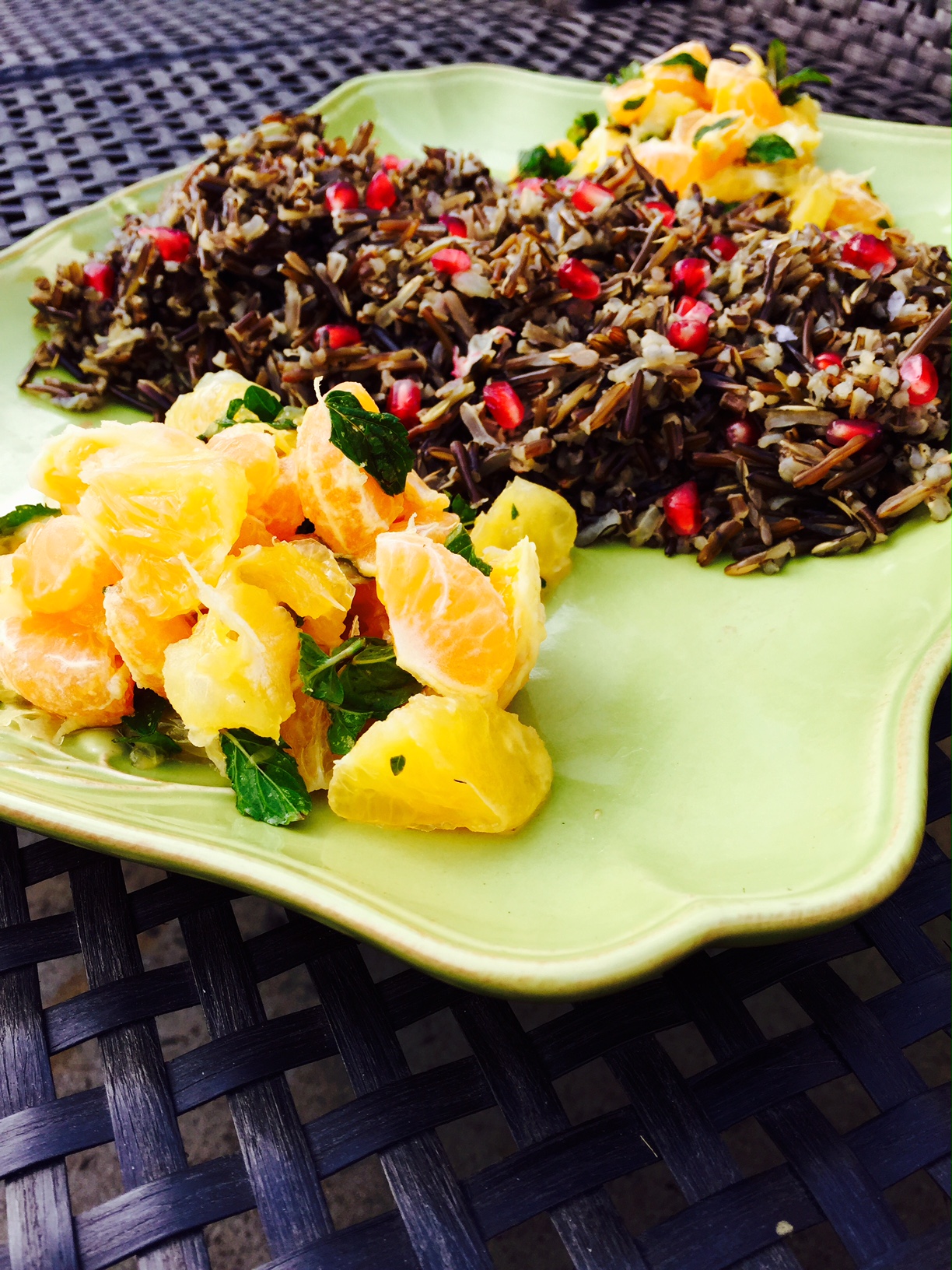
Vayetzei dish

Vayetzei dish

In Vayetzei, we read that Jacob leaves Beer-sheva at sunset to travel to Laban’s house. Jacob is at Laban’s house for 20 years, during which time he faces many challenges and uncertainties that shroud his life in darkness. After the 20 years there, he leaves Laban’s house at sunrise.

The Etz Hayim commentary describes “the 20 years at Laban’s house as a ‘dark night for the soul,’ years spent struggling with the dark forces represented by Laban’s treachery and Jacob’s confronting his own attracting to deceit” (p. 166).

However, despite the challenges and darkness that Jacob deals with in the 20 years, he also connects with God.  Etz Hayim continues, “when the Sages attribute to Jacob the institution of the evening prayer (Ma’ariv), they may be crediting him as the first person able to find God in the midst of darkness” (p. 166)

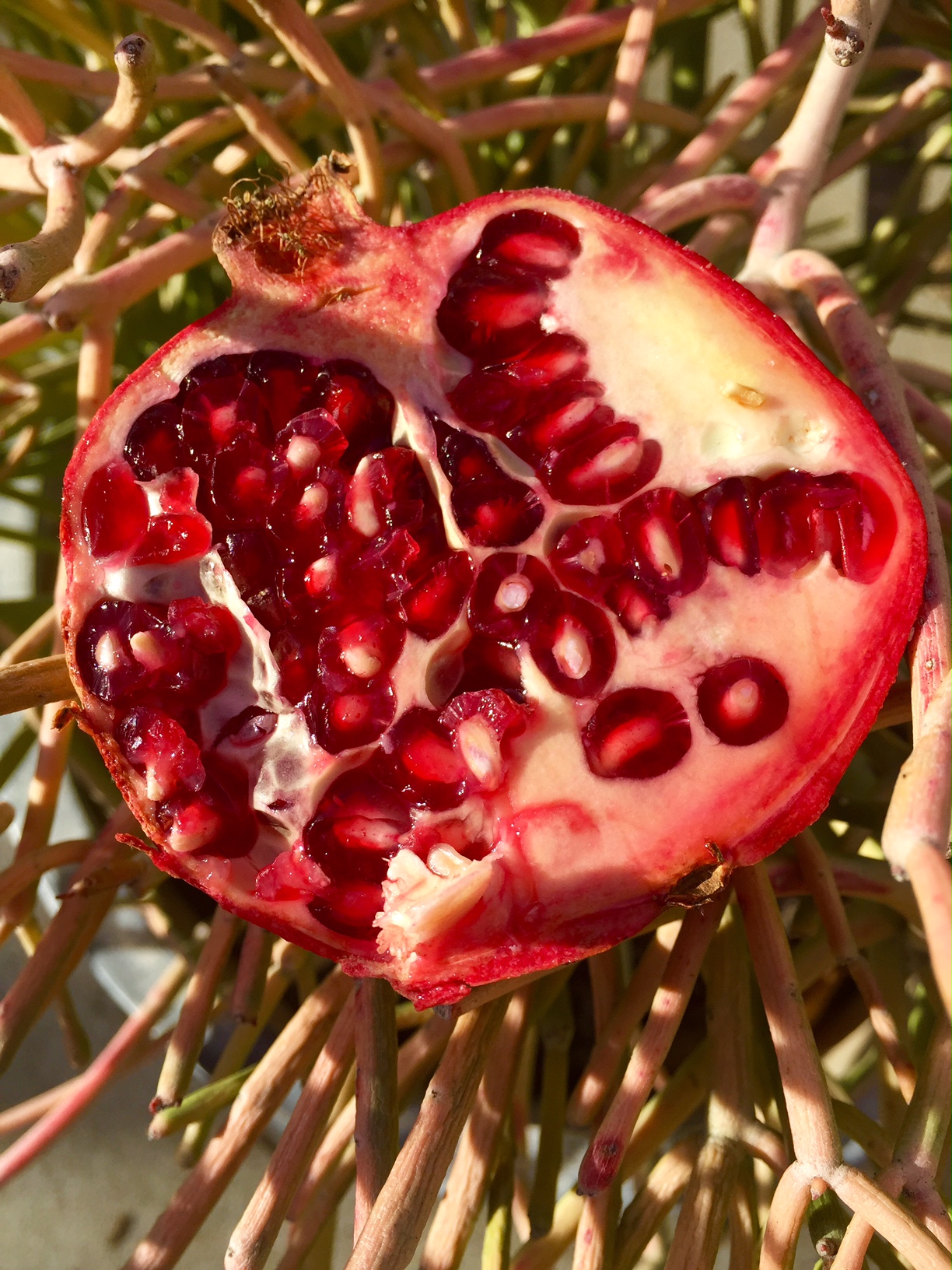
La Cienega farmers market. Pomegranate

La Cienega farmers market. Pomegranate

Jacob’s time of darkness was an opportunity for him to find God. And, as  Yael Shy comments, “Jacob leaves us with the challenge of recognizing our encounters with God in all God’s forms.” There are many dark and challenging parts of our lives and society. Our food system is one. How is it possible that the wealthiest nation in the world has 45.3 million citizens living in poverty and 49.1 million hungry people?  In addition, for 29 million Americans who live in low-income areas, the nearest supermarket is more than a mile away. When someone is poor, without transportation and/or living in a low-income area without a supermarket, it significantly hampers one’s ability to eat nutritious food. Despite, this dark aspect of our society, there are countless individuals who recognize this challenge and are re-imagining our food system.

Continue reading

Simchat Torah: 7 Rounds

Simchat Torah eggplant rounds

Simchat Torah rounds

We end and we begin. With the ending of the holiday of Shmini Atzeret, we begin Simchat Torah (Rejoicing of the Torah) which celebrates the completion of the year-long reading of the Torah. And, then we begin anew with a celebration of life in the story of creation in Bereshit (Genesis). The holiday is an extraordinary community celebration of dancing and singing with Torah scrolls for seven Hakafot (circles).

Simchat Torah symbolizes the cycles of our lives. As the Earth rotates, our lives rotate throughout the year; Torahs scroll cycle along their wooden spines each week; our food grows in cycles; on Simchat Torah while holding the Torah, we circle as a community; and we cycle together throughout the Jewish calendar.


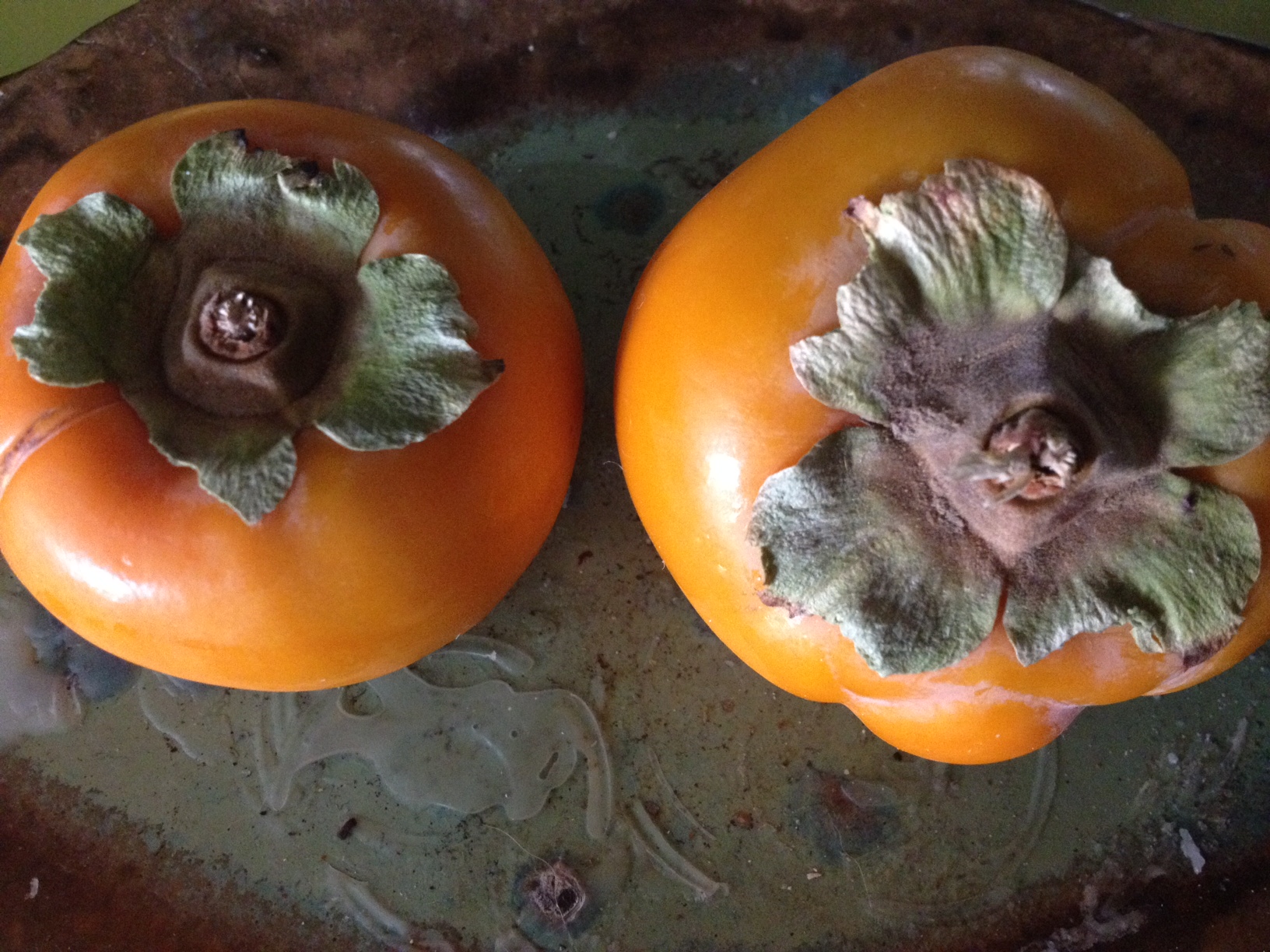
Fuyu persimmons. Plummer Park farmers market

Fuyu persimmons. Plummer Park farmers market

In the spirit of the seven Hakafot, I created a Simchat Torah recipe reflecting the cyclical nature and joy of the holiday. It’s common to eat foods that are rolled like scrolls and I would suggest that there is this option for this dish, too.  Continue reading

Sukkot, Shmita & Perennials Roast

Pomegranates. La Cienega farmers market.

Pomegranates. La Cienega farmers market.

As apples dangle from trees, pears turn to a burnt orange and pomegranates burst at their seams with plump tiny fruits, it’s a reminder that we are in Fall harvest season. After the dramatic, solemn day of Yom Kippur, we suddenly jump into the celebratory, abundant harvest festival of Sukkot.  This is the ultimate farm-to-table holiday that pre-dated the Slow Food movement by a few thousand years.

Sukkot is yet another reminder of the beautiful cyclical nature of Jewish life. From weekly cycles marked by Shabbat to agricultural cycles (the agricultural holidays of Sukkot, Pesach and Shavuot, plus the counting of the Omer), to year cycles that begin each Fall to the seven year cycles of Shmita, Jewish life is communal and circular: always expanding, growing and evolving with each cycle. Continue reading

Yom Kippur: From Fasting to Juicing

Magical Juice

The anxieties of abstaining from food and water on Yom Kippur (and enduring an expected heat wave in Los Angeles this weekend) start to dance around my head months before the actual holiday. As I try to do the important work of teshuva, I keep thinking: How am I going to prepare for and survive the fast?! How many late summer conversations do I have with my coffee drinking friends about their preferred caffeine withdrawal techniques?

Needless to say, I probably don’t need to remind anyone of the billion plus people worldwide who experience many days like this from lack of access to or fresh water each week, month, year.  Or the 46.5 million Americans who are hungry (21 million children, 7 million seniors). Unlike the daily struggles billions of people endure, this is one day for Jews without food or water.

And even though my mind admittedly will at times be distracted by a visual loop equivalent to the Food Network, Yom Kippur is really a gift. It’s an opportunity to try to move into a deep spiritual realm that is beyond our physical dimensions. Continue reading

Rosh Hashana & the Garden of Eden

Garden of Eden

Garden of Eden

The Garden of Eden dish is inspired by many of the symbolic foods eaten on Rosh Hashana and the story of the garden. According to Talmudic rabbis, Rosh Hashana falls on the sixth day of the creation of the world when humans were made.The conflicting notions of beauty, sins and judgement were unleashed in the Garden of Eden.   Humanity was created, sinned and judged. As a result of human’s actions, the pains of the world–violence, death– were exposed.

Continue reading

Apples & honey: Rosh Hashana 5775

Mr Ha’s apples, La Cienega farmers market

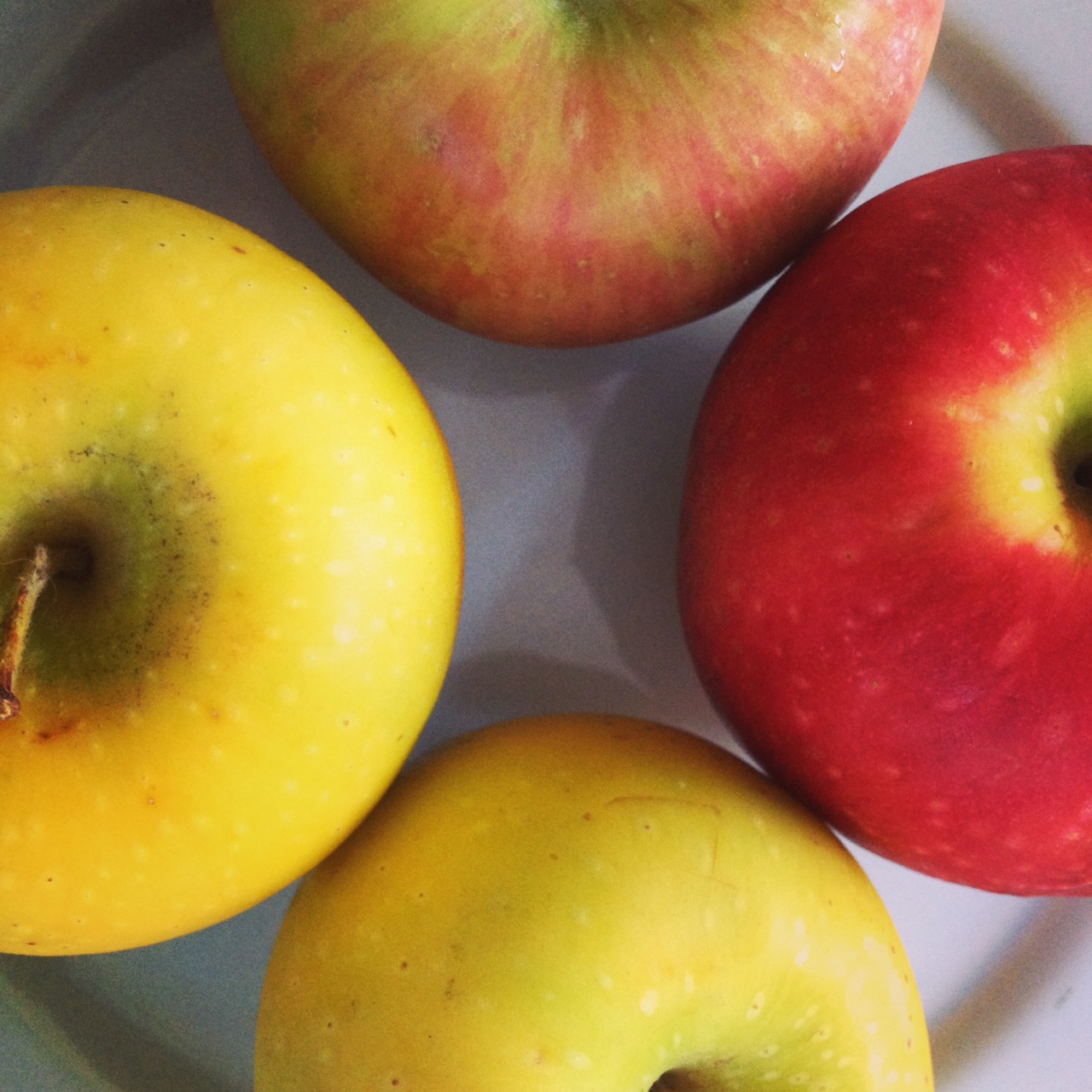
Apples and honey: as I launch Neesh Noosh  just days before Rosh Hashana, the Jewish New Year, I thought it would be appropriate for my first entry to be a simple dish.  Rosh Hashana (head of the new year)  celebrates the creation of the world. We are about to enter the Jewish year of 5775 for the world. What does a plain dish of sliced apples, dipped in honey, have to do with the awesomeness of the creation of the world?  And why the seductive fruit that played a  pivotal role in the future of the world and humanity?

The simple answer to all of this is that apples and honey are eaten at Rosh Hashana meals after saying a prayer, that asks God for a sweet year.

Continue reading