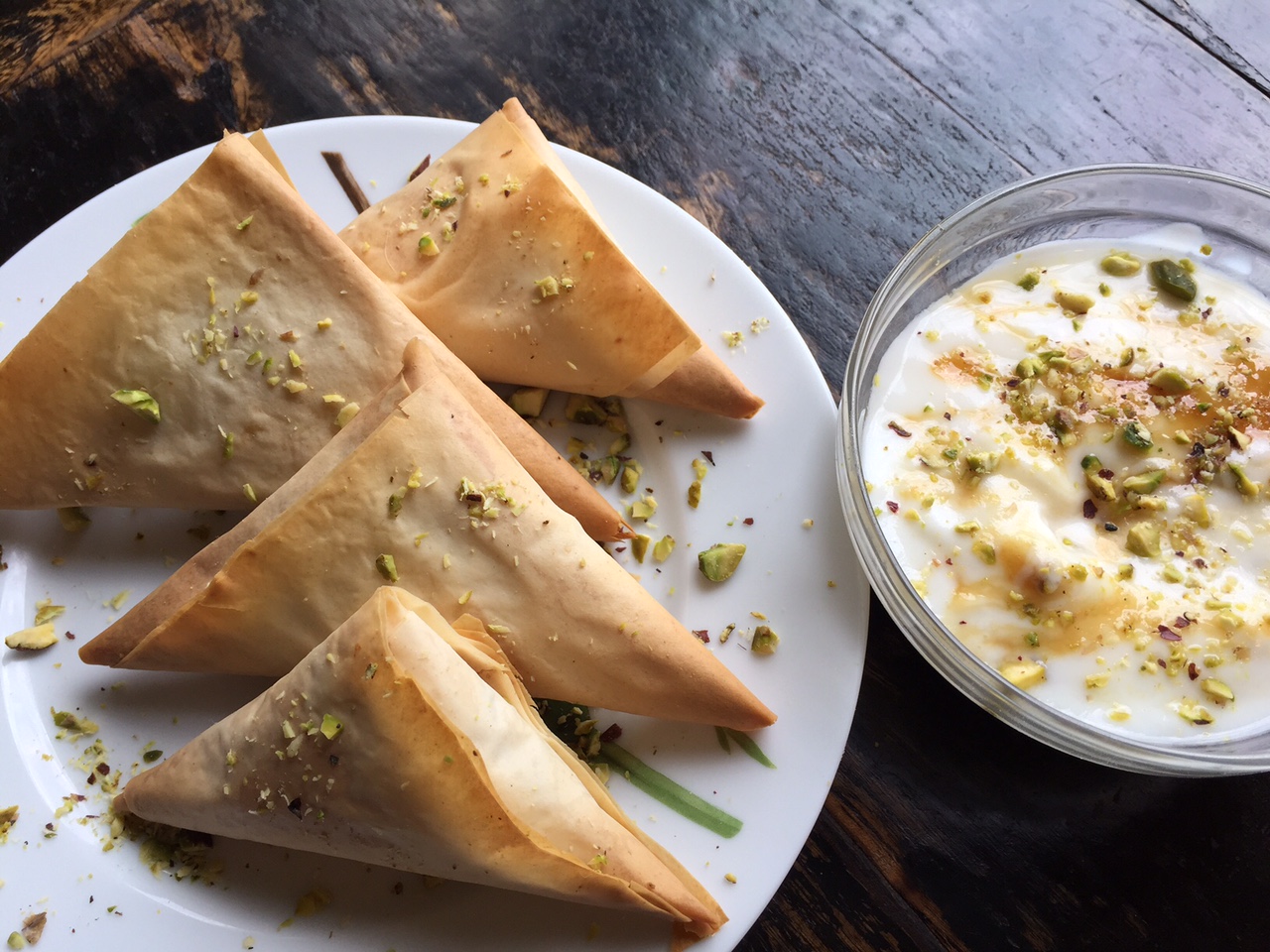
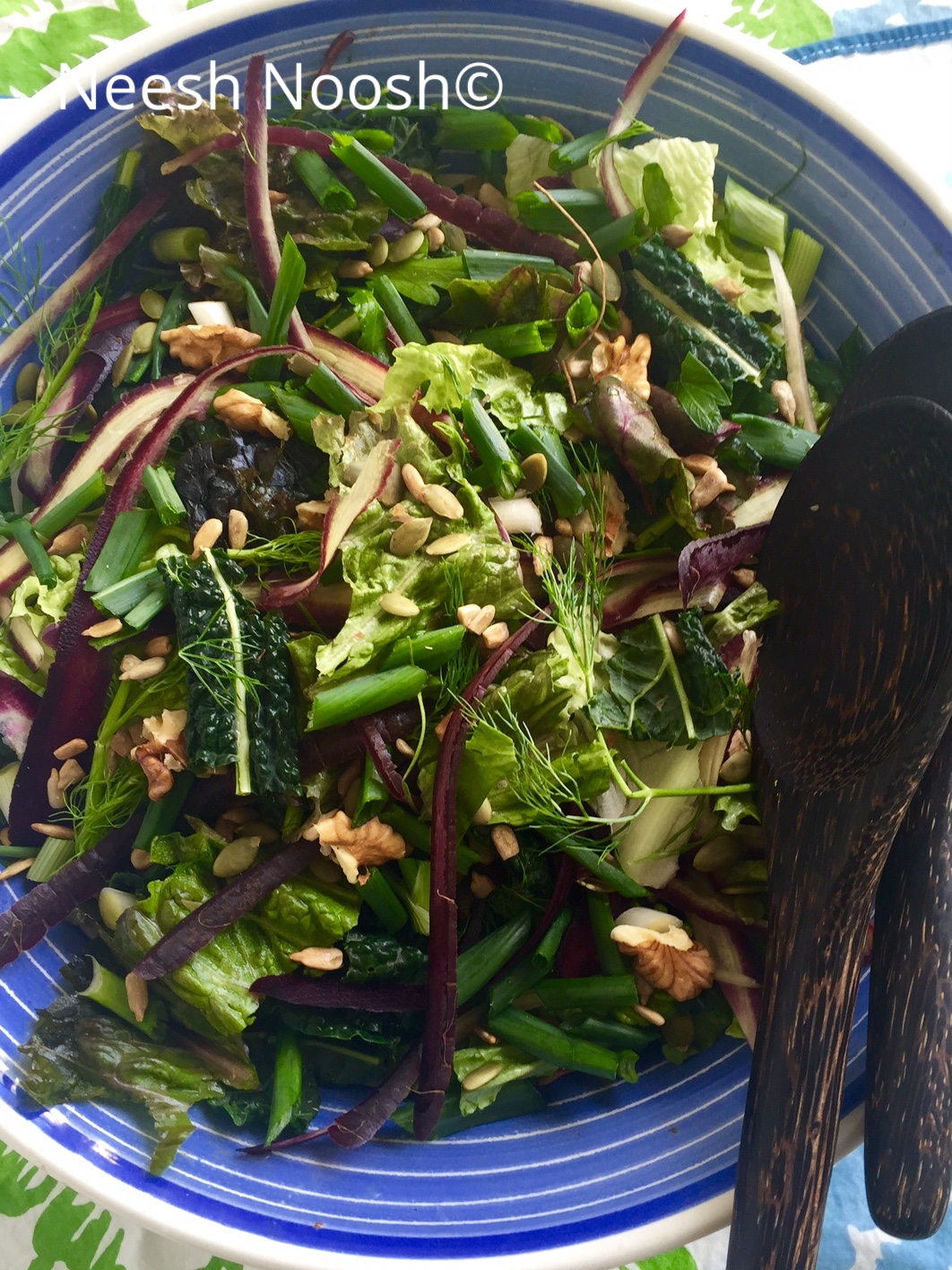
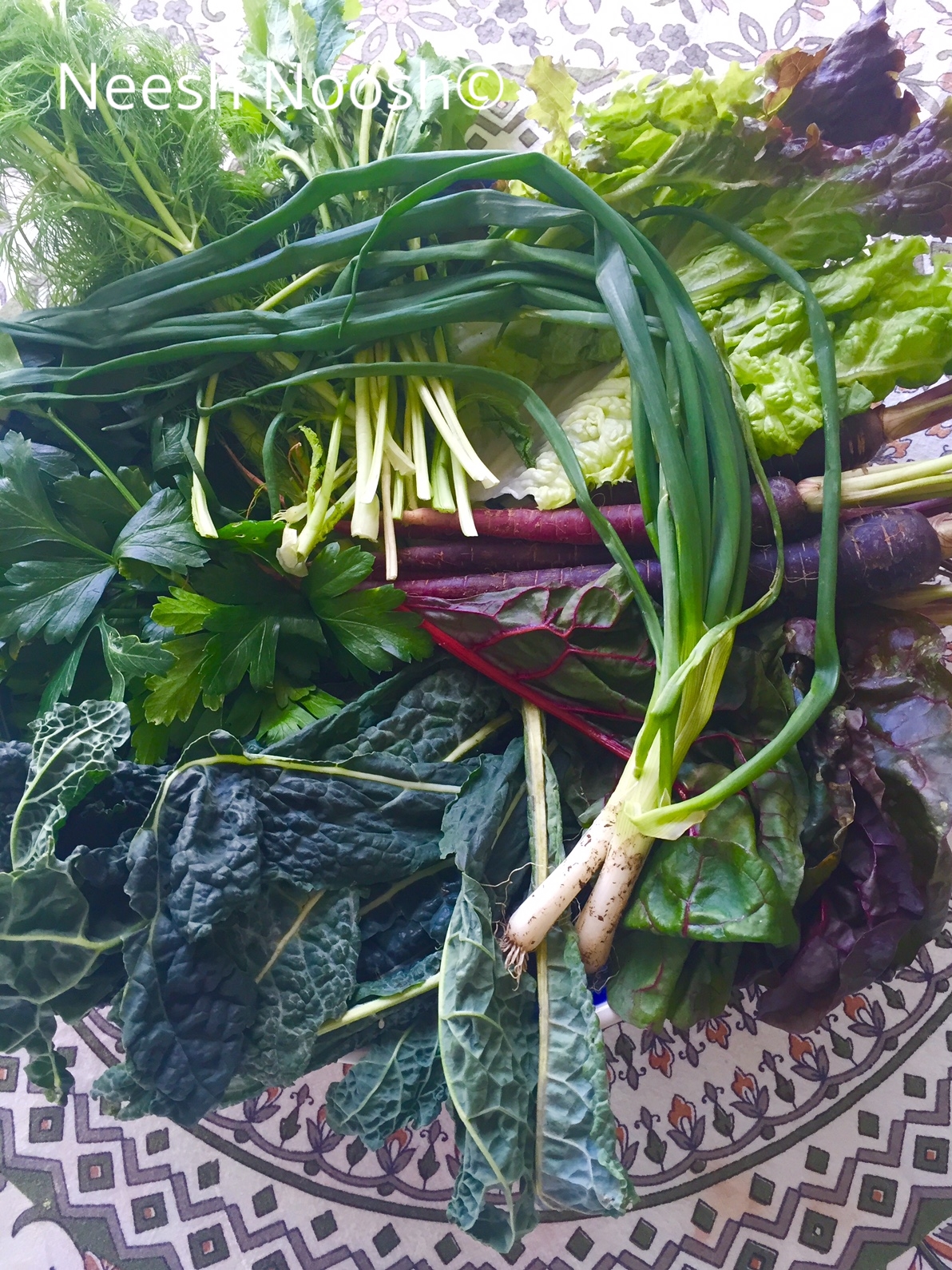
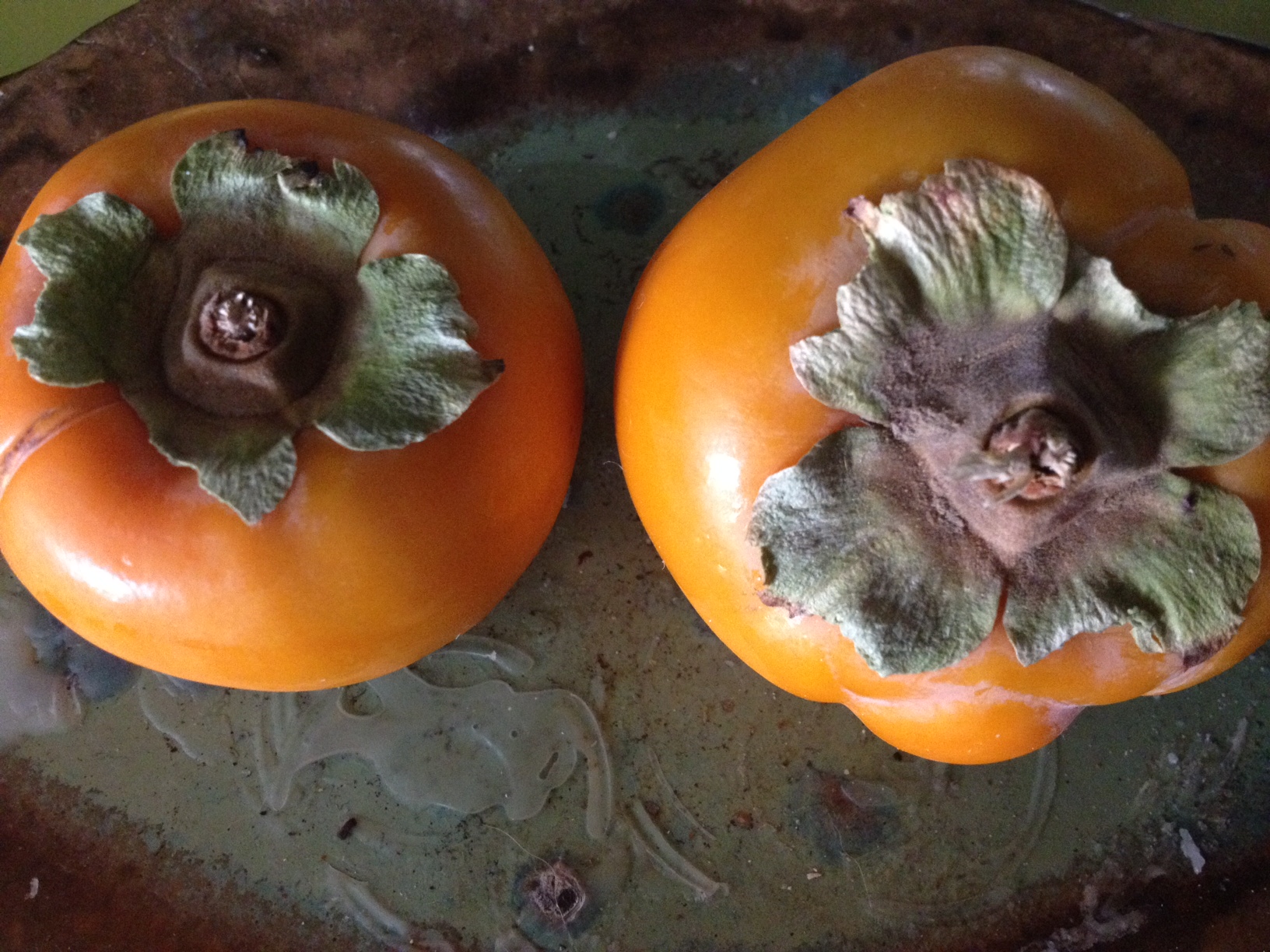
In the Torah, it is written about the Shavuot offering: “you shall take of the first of all the fruit of the ground, which you will bring from your land, which the Lord, your God, is giving you. And you shall put [them] into a basket and go to the place which the Lord, your God, will choose to have His Name dwell there (Deuteronomy 26:2). Dates, figs, grapes, olives, pomegranates, and wheat were the first fruits of Shavuot.
Category Archives: Holiday
Passover: Ending Slavery in our Food Systems
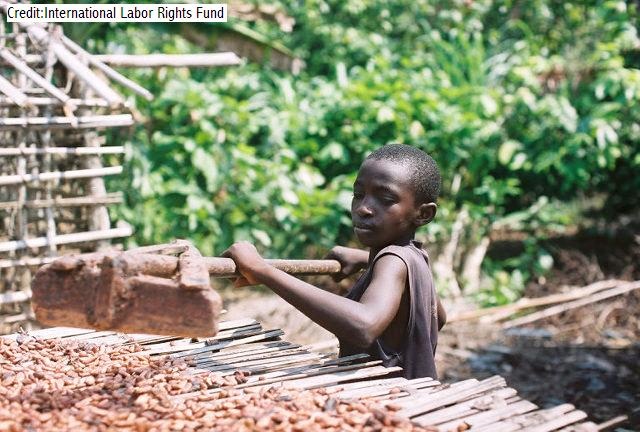
When we read at Passover, “This year we are slaves; next year, may we be free” we can do our part to ensure that our Pesach celebrations—and all year long–are free of the stains of modern day slavery. Despite the Universal Declaration of Human Rights prohibition against slavery, approximately 35.8 million men, women and children worldwide are enslaved, more people than at any point in the history of humanity. About 10 percent of enslaved people work in food industries, harvesting cacao, sugar, and tomatoes, raising cattle or catching fish. The frequent battle for cheaper prices in the global food marketplace might seem great for consumers, but “the reality is that competitive pricing is often the result of exploitative labor practices” where food is grown in disregard for human dignity and international laws. Continue reading
Passover: Liberate Yourself from Industrial Food
Our nation is enslaved to an industrial food system that is making us sick and fat. It abuses workers (with many cases of modern day slavery), is inhumane to animals, pollutes our drinking water with manure and pesticides, and contributes to climate change. Eating is a religious act. These foods do not reflect Jewish values of humane treatment of animals, workers rights, protecting the environment and human health.
This Passover, we can liberate ourselves from this system by supporting farmers that grow food more sustainably. Below is a list of suggestions for your seder and throughout the year. There’s so much more that can be done, so please share your ideas in the comments section, at the bottom of the post. Continue reading
Fair-Trade Kosher Chocolate Give-Away
Who can say no to Fair Trade, kosher for Passover chocolate? Fair Trade Judaica is generously giving-away chocolate to one lucky reader! Enter to win by March 20, 2015 by writing in the comments section, at the bottom, about why Fair Trade kosher for Passover chocolate is important to you. Continue reading
Tu B’shevat: New Year for trees: Savor fruits of the earth, consider their journey
This was originally published in the print and online editions of the Jewish Journal
Tu B’Shevat, which translates literally as the 15th day of the month of Shevat, is the Jewish New Year for Trees. Mentioned in the Talmud, the holiday marks the tithing of fruits grown in Israel.
In the 16th century, Jewish mystic Rabbi Isaac Luria and his disciples developed a seder for the holiday that focused on the symbolism of the fruits and trees of Israel. Like the Passover seder, the Tu B’Shevat one includes four cups of wine, each representing a different sphere in kabbalah. The first glass of wine is all white; the fruit is inedible on the outside and edible inside. The second glass of wine is equal parts white and red wine; the fruit is edible outside and inedible inside. The third glass wine is mostly red and some white; the fruit is completely edible. The last glass of wine is all red; the fruit is “spiritual sustenance.”
The celebration of this holiday has experienced resurgence recently, celebrated as a Jewish Earth Day.
Vaera: Slavery Now
In Vaera, we read that Pharoah digs in his heels, hardens his heart and refuses to liberate the Israelite slaves, thus launching plagues against the Egyptians. “Even from such hardened sinners as Pharaoh and the Egyptians, God did not withhold the opportunity of mending their ways. Before a plague visited them Moses was charged to warn them of its coming, to-morrow, if they remained obdurate.” (Exodus Rabba)
So, why does Pharoah continue to enslave the Israelites?
Commentary in Etz Hayyim notes that the Israelites “must be freed in such a way that they, the Egyptians, and all the nations of the world will understand that it was God’s doing, not Pharaoh’s goodwill” (p. 351). The Israelites understanding of God’s role in their liberation is important “to establish the principle that it is unacceptable for one human being to reduce another human being to slavery, that freedom is the will of God and not the choice of a despot” (p. 351). This story’s universal message is important today.
Chanukah: Oil, the bad and the sweet-smelling good of it
This was originally printed in the Jewish Journal.
Chanukah is a holiday where we consume lots of oil-drenched foods. But beyond these dishes, what is the connection between oil? Actually, a lot, and it has to do with our agricultural system.
We till the same soils through which God breathed Adam into existence. Our water is a finite source that operates in cycles; we drink much of the water that was consumed by the Maccabees. Protecting these precious soils and water sources is integral to our stewardship of our agricultural lands and our existence.
In the 12,000 years of agriculture, the most significant changes have occurred in the past century. We live in an era of agricultural assimilation, which pushes for uniformity in growing practices and types of crops grown. And, at the heart of much of these “big ag” forces is “big oil.” Unlike the sacred olive oil used at Chanukah, there’s nothing sacred about fossil fuels in agriculture. Continue reading
8 Ways to Make Your Chanukah More Sustainable
From foods to gifts, there’s many ways to add sustainable practices to your Chanukah celebrations. Please share your ideas in the comments section at the bottom!
1. Organic apples and potatoes
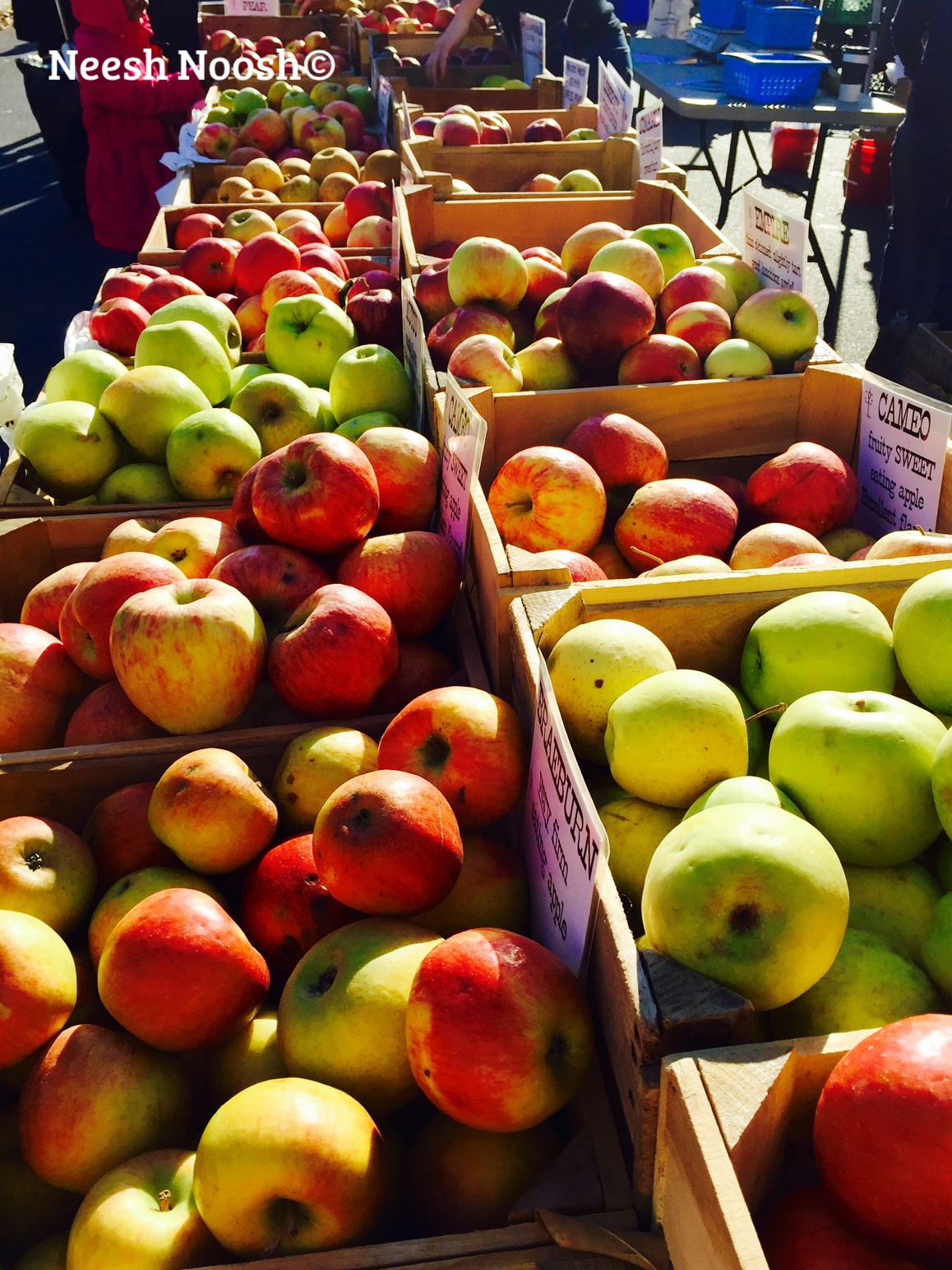
Apples and potatoes are ranked #1 and #12, respectively, on Environmental Working Group’s “Dirty Dozen” list of produce with the highest levels of pesticide residue. Take pesticides out of Chanukah and prepare your latkes and applesauce with safer, healthier and tastier organic apples and potatoes.
2. Wooden dreidels
Plastic is forever and we are literally drowning in it. The Great Pacific Garbage Patch is a massive floating vortex, comprised mostly of plastic, that stretches from the West Coast of the US to Japan. It doesn’t need more spinning plastic dreidles!
3. Fair Trade gelt
More than half the world’s cocoa is grown in the Ivory Coast where children are forced to work on farms without pay or safe conditions. Go guilt-free gelt, instead! Choose kosher certified gelt, produced only by adults at a democratically-run fair trade cooperative in Ghana. Continue reading
Simchat Torah: 7 Rounds
We end and we begin. With the ending of the holiday of Shmini Atzeret, we begin Simchat Torah (Rejoicing of the Torah) which celebrates the completion of the year-long reading of the Torah. And, then we begin anew with a celebration of life in the story of creation in Bereshit (Genesis). The holiday is an extraordinary community celebration of dancing and singing with Torah scrolls for seven Hakafot (circles).
Simchat Torah symbolizes the cycles of our lives. As the Earth rotates, our lives rotate throughout the year; Torahs scroll cycle along their wooden spines each week; our food grows in cycles; on Simchat Torah while holding the Torah, we circle as a community; and we cycle together throughout the Jewish calendar.
In the spirit of the seven Hakafot, I created a Simchat Torah recipe reflecting the cyclical nature and joy of the holiday. It’s common to eat foods that are rolled like scrolls and I would suggest that there is this option for this dish, too. Continue reading
Shmini Atzeret: Eating in a California drought
I live in Southern California. The majority of my water is pumped from Northern California and other western states. It’s energy intensive, illogical and not sustainable. To add to this, California is in the worst drought in the past 500 years. What does this mean for Californians and the rest of the nation?
A LOT! California is America’s fruit basket and salad bowl–the state provides half of the fruit, vegetables and nuts for our country. In the process of growing all of this food, the California agriculture sector uses 80% of the state’s water.
This is dire for state’s agriculture, which has already lost a half million acres of farmland, will cost the industry $2.2. Billion this year and 17,000 jobs. For some Californians, like hundreds of Tulare County residents (many of whom are Mexican immigrants drawn to the region for agricultural jobs) who use well water, their taps have run dry.
So, what does this have to do with Shmini Atzeret? Bookended by Sukkot and Simchat Torah (in Israel, it is celebrated on the same day as Simchat Torah), the importance of California’s water situation is keenly attached to this holiday. This holiday concludes the harvest period and initiates the rainy season. It is on this day that we say the Tefilah HaGeshem (Prayer for Rain). The following line is added to Amidah, Masheev HaRuach U-Moreed HaGeshem (He causes the wind to blow and the rain to fall) and is said until Passover (when the rainy season concludes). While this holiday never held the gravitas or excitement of other ones for me, I’m keenly aware now of the genuine importance of it, living in this parched state. Continue reading