Kislev: Rainbows, Oil and Salt

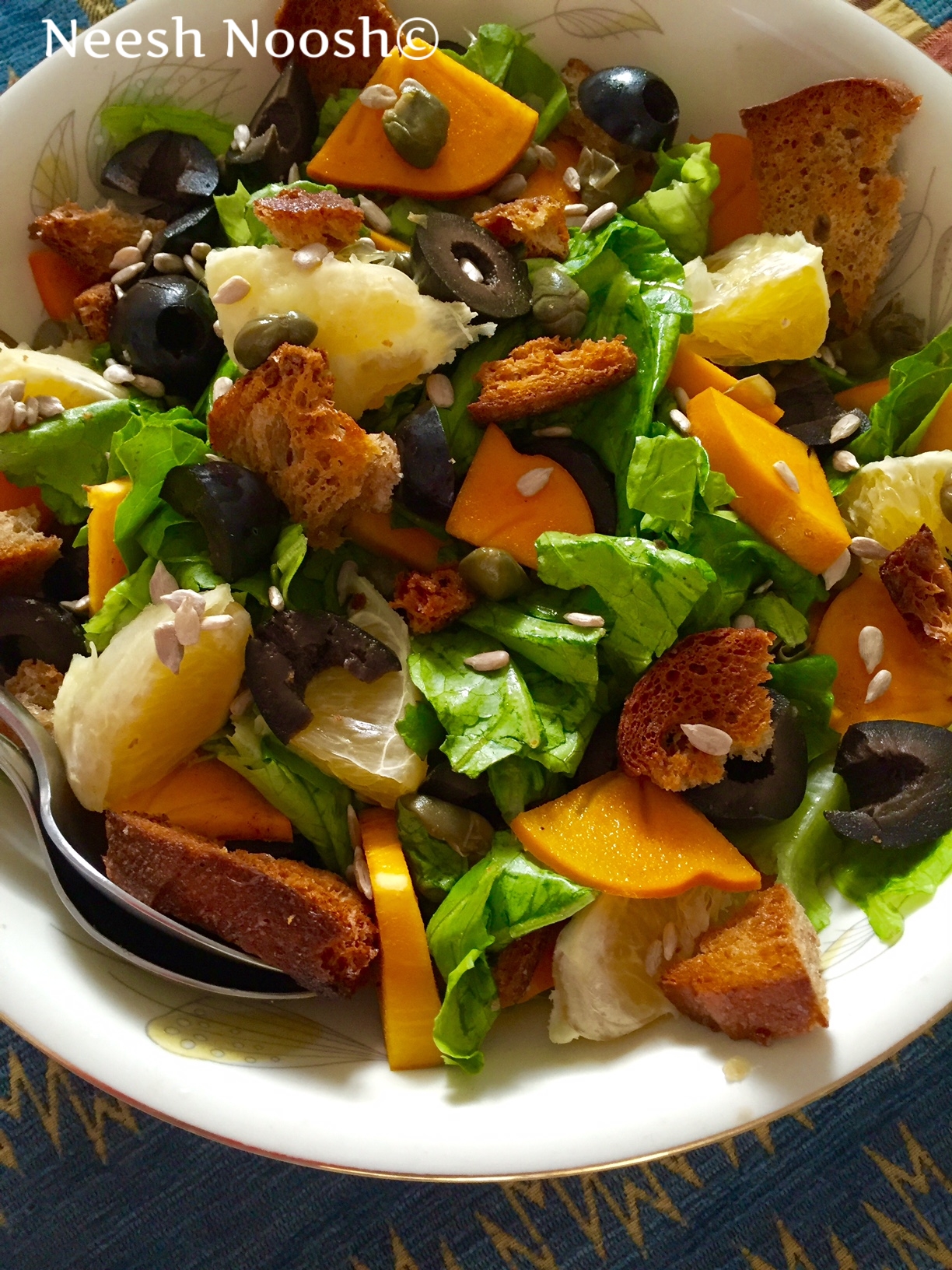
Kislev: Oil and Salt Rainbow Salad

Kislev: Oil and Salt Rainbow Salad

During the month of Kislev, which begins later this week, we celebrate Chanukah. The most obvious food of this holiday and month is oil, the miracle ingredient.  During Chanukah, some women recite the story of Judith, a heroine who used salt as a weapon. “Legend has it that Judith fed the enemy general Holofernes salty foods to make him thirsty for wine. As he lay in a drunken stupor she was able to slay him, thus saving Jerusalem from siege.”

A symbol of Kislev is keshet (rainbow). During Kislev, when the flood waters receded, a rainbow appeared in the sky and God told Noah, “I will keep my covenant with you and your descendants…and never again will a flood destroy all life. . . . I have put my rainbow in the clouds, and it will be the sign of the covenant between Myself and the world. “
Continue reading

Cheshvan: Pray for Rain

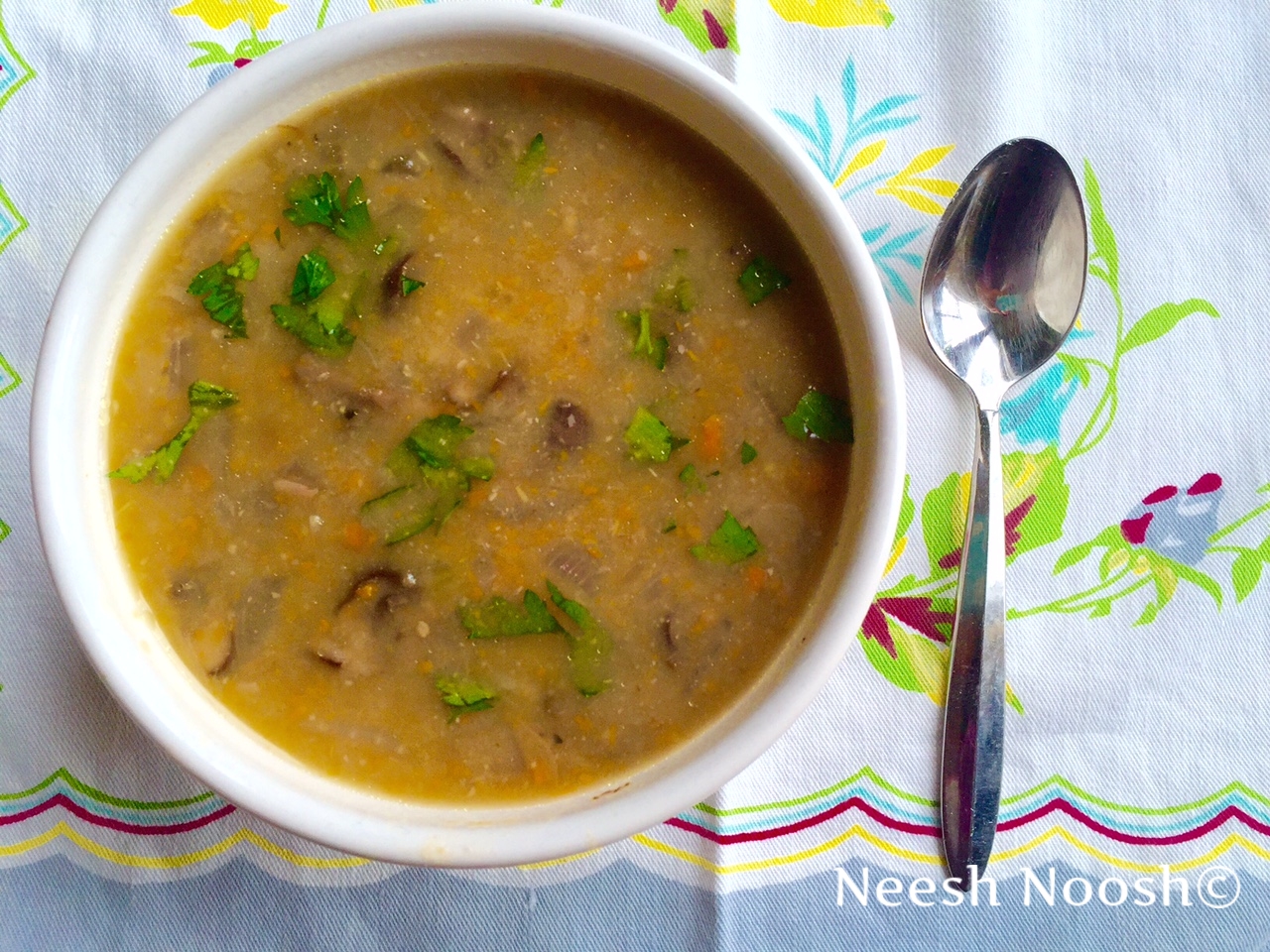
Cheshvan: Mushroom and bean soup

Cheshvan: Mushroom and Bean soup

In Israel, we begin saying the prayer for rain at the start of the month of Cheshvan (saying the prayer starts later outside of Israel). Rain is desperately needed in Israel and California, which has the worst drought on record. The primary ingredients in this soup require little water to be grown. They are also sowed in the ground and dark places, reflective of the shorter days as we approach winter. With the cooling weather, we start to stay inside more and perhaps become more insular and reflective in our nature. The month–which has no holidays–is sometimes referred to as “MarCheshvan.” Mar means bitter and the parsley leaves on top are symbolic of this bitterness.

Continue reading

Shana Tova: Reflections and Moving into a New Year

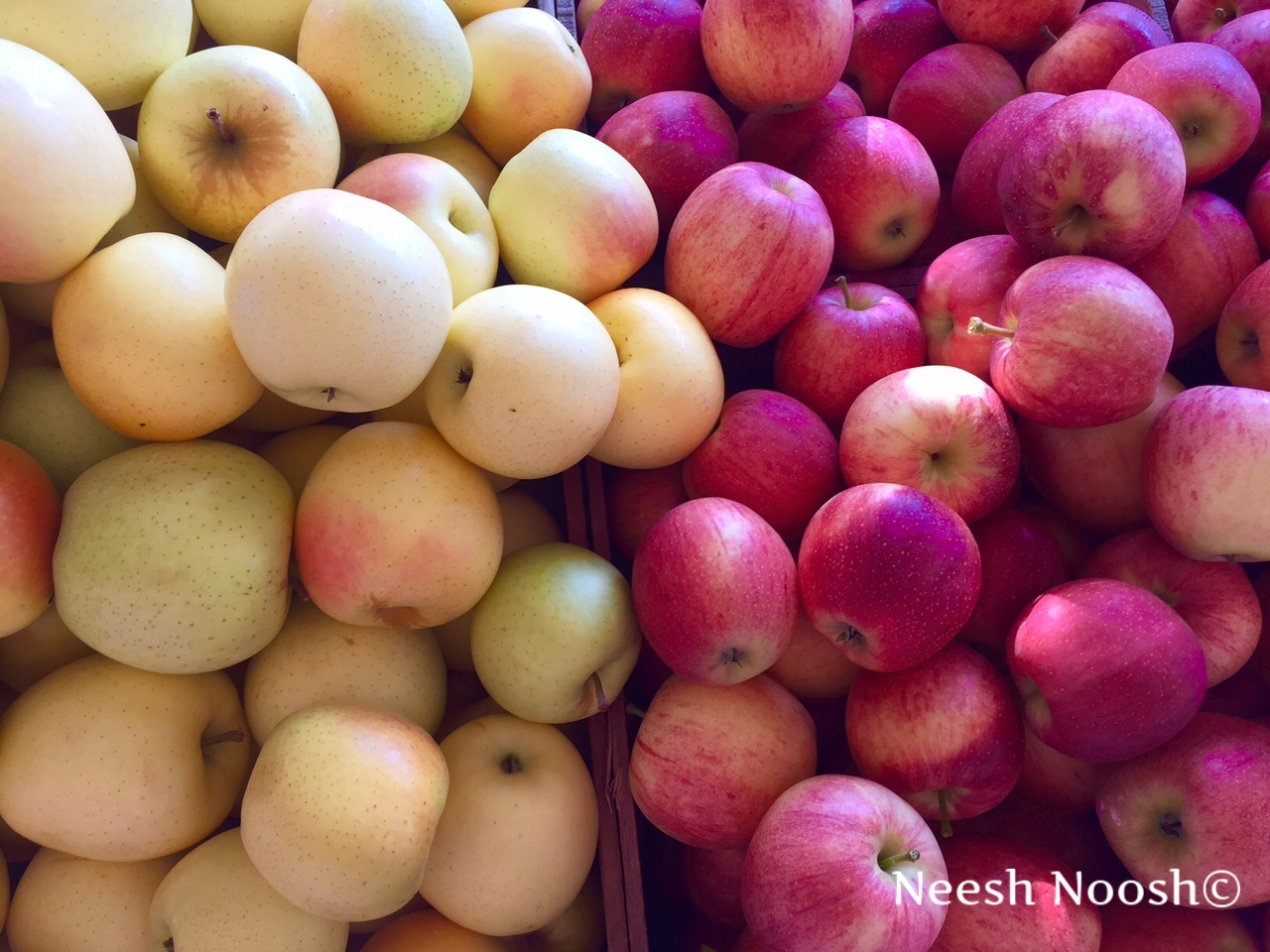
Apples. Eastern Market. Washington, DC

Apples. Eastern Market. Washington, DC

Shana Tova! Last year at Rosh Hashana, I decided to start Neesh Noosh, without having a vision or plan. Just a desire to learn, cook and write. What a whirlwind and exciting journey it has been! I want to share an article, after the break, that I wrote for last week’s Jewish Journal about my journey writing Neesh Noosh.

In the coming year, instead of creating a dish for the weekly Torah portion, I will make a recipe for each Rosh Chodesh (new month).  I am also working on turning the blog into a cookbook.

Thank you to everyone who reads Neesh Noosh. I am grateful for your support and encouragement!  I hope you will continue to enjoy reading and cooking with me in the new year.

Wishing you a sweet, healthy new year!
Sarah

PS: If you want to read more about Rosh Hashana and food ethics, please check out  an article I wrote for the Isareli paper, Haaretz: What do Jewish Morals Have to Say About Your Rosh Hashana Dinner?

Continue reading

Nitzavim: Choosing Life

Nitzavim: stuffed zucchini rolls

Nitzavim: stuffed zucchini rolls

This week, before Rosh Hashana, we read Nitzavim during which all of the Israelites establish a covenant with God. Entering into the covenant is stepping into a concrete process in this world. “For the mitzvah which I command you this day, it is not beyond you, nor is it remote from you. “It is not in heaven . . . It is not across the sea . . . Rather, it is very close to you, in your mouth, in your heart, that you may do it” (30:12-14).

This is not about just accepting “I am Jewish” but embracing and living Jewish beliefs and values. While we are a few thousand years removed from the Israelites at Mount Sinai, their journey and experience is as relevant today to each of us. Rabbi Shai Held explains, “One of Judaism’s central projects is to maintain a living connection to our foundational moments: to remember that no matter how much time has passed, Exodus and Sinai have always only just taken place.”

Continue reading

Ki Tavo: Mitzvot and Renewal

Ki Tavo: Roasted Fruit

Ki Tavo: Roasted Fruit

This week’s Torah portion, Ki Tavo, begins with the responsibility of the Israelites to bring an offering of first fruits (bikkurim) after they’ve entered the land of Israel. “He brought us to this place, and He gave us this land, a land flowing with milk and honey. And now, behold, I have brought the first of the fruit of the ground which you, O Lord, have given to me.” (26:9-10)

Fruit offerings were later replaced with prayers but the purpose and intention are the same. As my teacher, Diane Bloomfield of “Torah from Jerusalem” explains, each day is the potential for both the physical world and humans to renew through prayer and actions. Despite the darkness that shrouds much of the world, we are commanded by God, as caretakers of the world, to illuminate dark places through mitzvot (actions). Such behaviors enable us to connect more deeply to God and renew ourselves and the world.

Continue reading

Ki Teitzei: Living Compassionately and Righteously

Ki Teitzei Nest

Ki Teitzei Nest

This week’s Torah portion, Ki Teitzei, contains several teachings about the treatment of animals. It includes the prohibition against taking eggs or baby chicks from a nest while the mother is there, which has become the basis for the prohibition of cruelty against animals (tzaar baalei chayim). Indeed, for the person who does this, it is written it should be good for you, and you should lengthen your days.”

Indeed, the notion of preventing cruelty to animals was, until recently, unheard of, except in Torah. “‘Until the nineteenth century,’ wrote historian Cecil Roth, ‘cruelty to animals was nowhere illegal, except in Jewish law'”. (The Jewish Contribution to Civilization, pp. 343f). Rabbi Gershon Winkler, in commenting about the mother hen and baby chicks passage, argues, “The Torah is not interested in teaching you to feel compassion, but rather how to live compassionately.”

Rabbi Jill Jacobs writes,Beyond simply prohibiting cruelty to animals, Jewish tradition associates care for animals with righteousness.”  She cites (Proverbs 12:10): “A righteous person knows the needs of his beast, but the compassion of the wicked is cruelty.”  

Continue reading

Shoftim: Pursuing Justice for the Environment

FullSizeRender(175)(1)In this week’s Torah portion, Shoftim, Moses demands of the Jewish people,  צֶדֶק צֶדֶק תִּרְדֹּף, Justice, justice shall you pursue” (16:20).

It also includes the following. “When you besiege a city for many days to wage war against it to capture it, you shall not destroy its trees by wielding an ax against them, for you may eat from them, but you shall not cut them down.” (20:19)

This injunction to protect fruit trees is a foundation of bal tashchit (do not destroy) and  “is the halakhic basis of an ethic of environmental responsibility,” writes Rabbi Jonathan Sacks. Chabad.org explains that bal tashchit, “underscores the Divine imperative for us to take matters concerning the preservation of our environment very seriously.”

Continue reading

Re’eh: Meat and Poverty

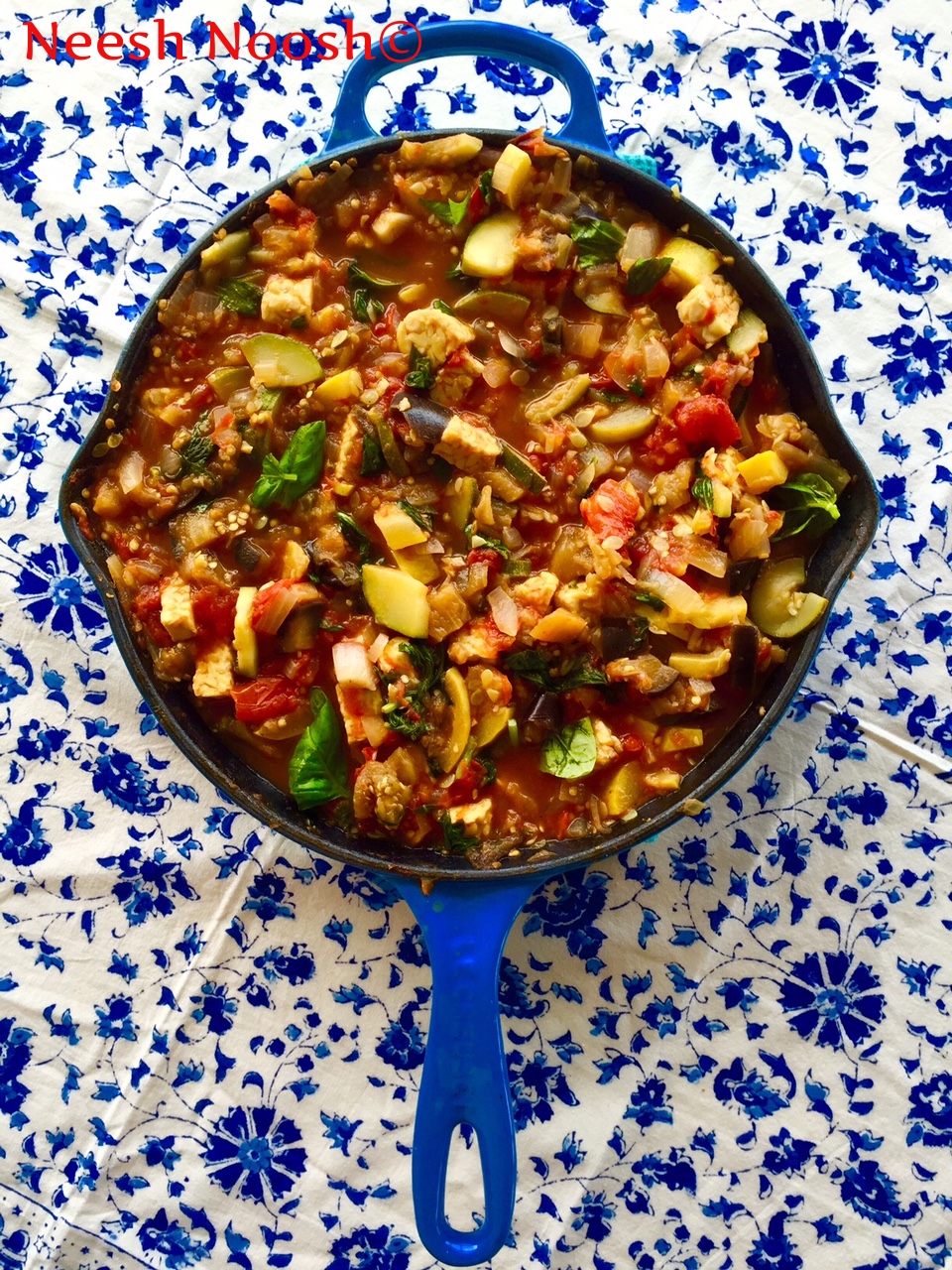
Re'eh Ratatouille

Re’eh Ratatouille

In this week’s Torah portion, Re’eh, it is written, ‘I will eat meat,’ because your soul desires to eat meat, you may eat meat, according to every desire of your soul” (12:20).  Follows is a list of animals that cannot be consumed and the commandment not to cook a kid in its mother’s milk.

Further along in the Torah portion, it is written, “If there will be among you a needy person. . . you shall not harden your heart, and you shall not close your hand from your needy brother” (15:7).

Rabbi Jonathan Sacks teaches that, “It was through agriculture that the Torah pursued its religious and social programme. It has three fundamental elements. The first was the alleviation of poverty.”

In our current society, what is the connection between eating meat and people living in poverty? The people in the US who are raising animals for food consumption are needy people. Continue reading

Devarim: Towards the Promised Land

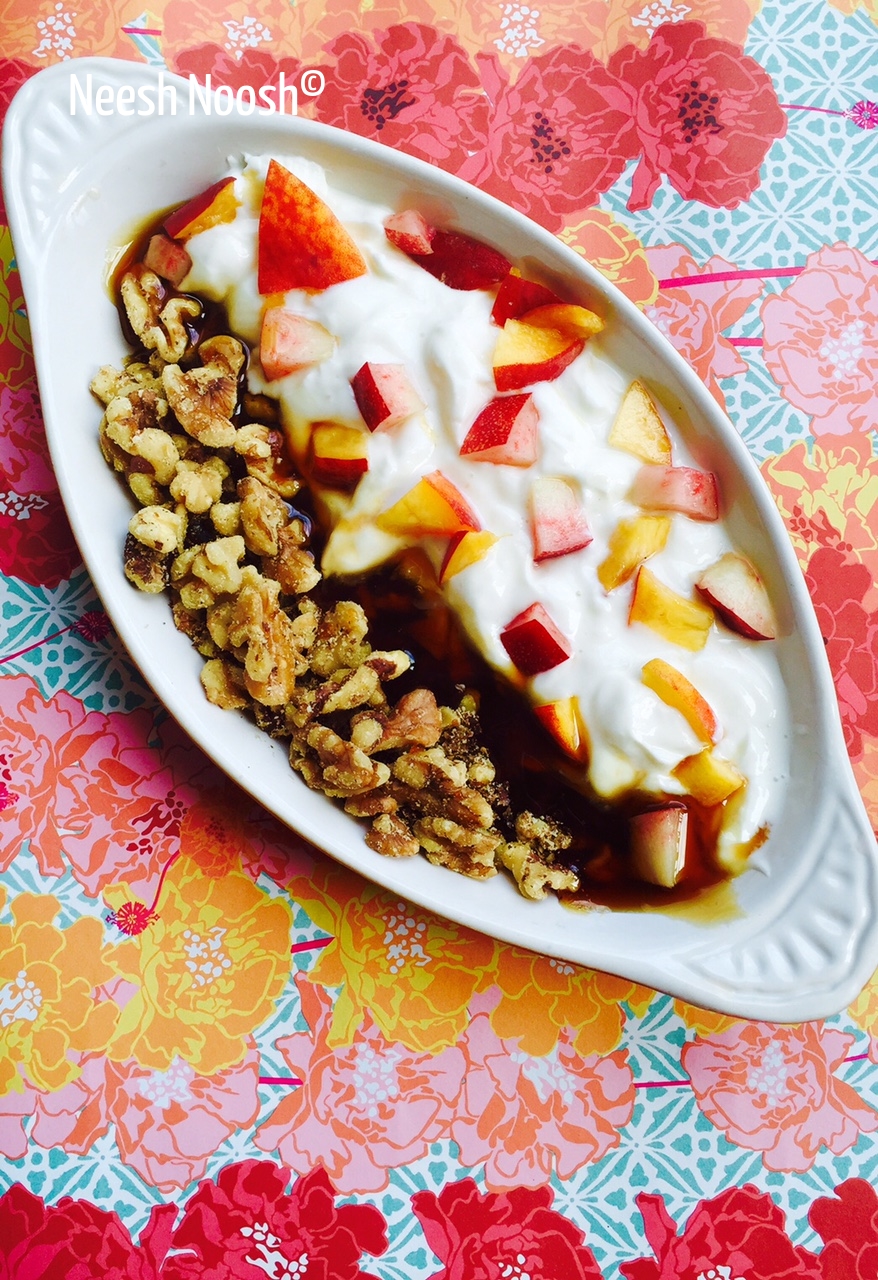
Devarim: walnuts, fruit and honey

Devarim: walnuts, fruit and honey

We enter the fifth and final book of the Torah, Devarim (Deuteronomy).  In this week’s Torah portion, also called Devarim, the Israelites are on the precipice of entering the Promised Land. Moses begins to recount the laws, teachings and events of the Israelites 40 years in the wilderness.

We are–individually and collectively–on journeys to the Promised Land. It’s our spiritual journeys. And, it’s about our responsibilities to our world by pursuing tzedek (justice) and tikkun olam (repairing the world).  And though, like Moses, we won’t necessarily reach the Promised Land, we are obligated to act for ourselves and future generations. It is taught, “It is not your responsibility to finish the work [of perfecting the world], but you are not free to desist from it either” (Ethics of the Fathers 2:16).

Continue reading

Balak: Bless or Curse

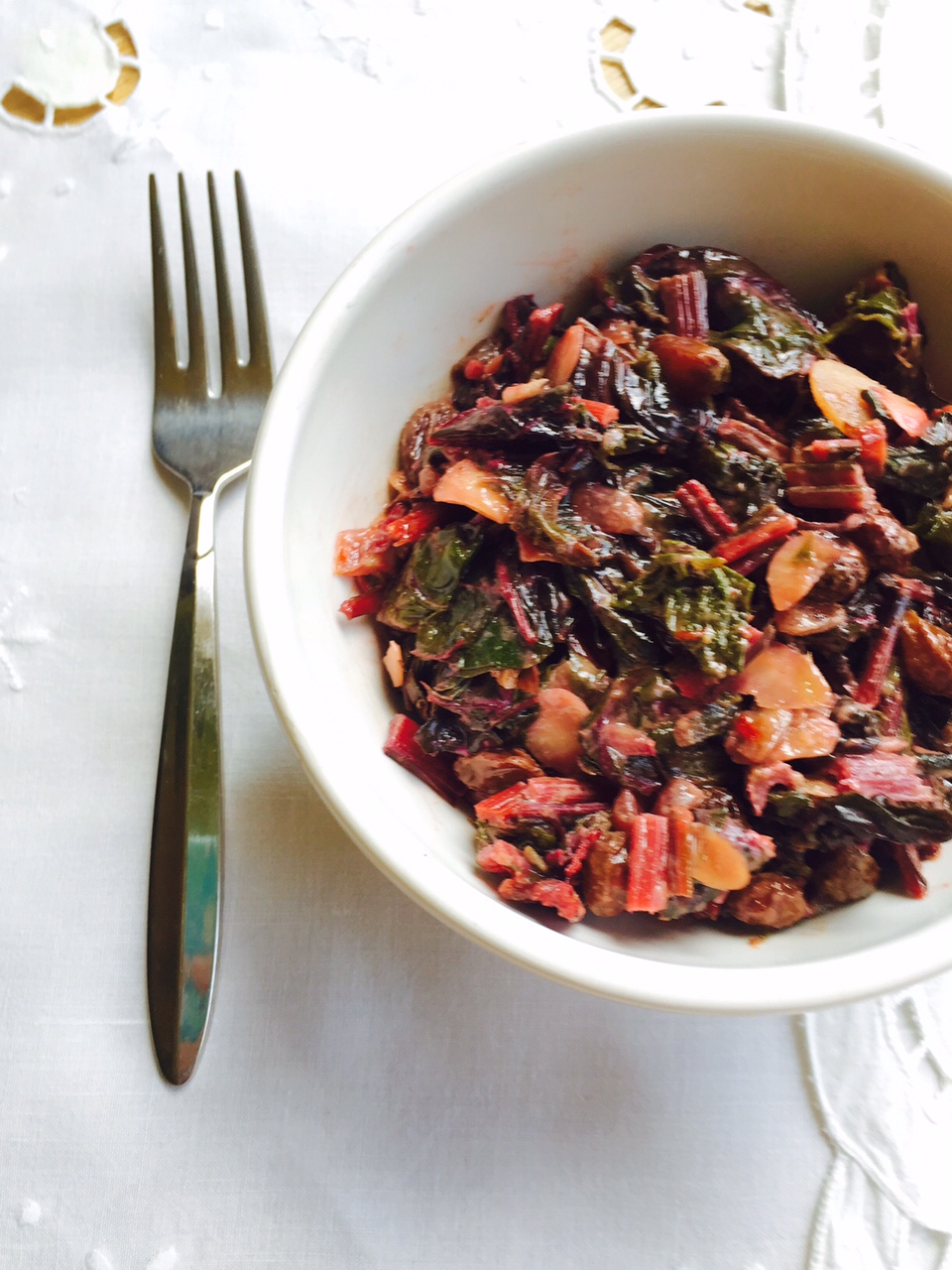
Balak: Sweet and Spicy Swiss Chard

Balak: Sweet and Spicy Swiss Chard

This was originally published on the Joy of Kosher website.

In this week’s parsha, we read the story of Balaam, who is asked by Balak to curse the Israelis.  Despite his intentions to vilify them, Balaam’s words become blessings. Balaam’s story makes clear that God gave us free will and we have the choice to give blessings or curses in the world.

Rabbi Bradley Shavit Artson, in his book, The Everyday Torah, summarizes God speaking with Balaam as “’The choice is yours, human. You are free to decide for yourself. ‘ In the words of the Talmud, ‘A person is led the way s/he wishes to go.’” (p. 263).

Continue reading