I’m a bit late in posting for the month of Av which includes the day of mourning, Tisha b’Av, and Tu b’Av, often called the Jewish Valentines Day. The dichotomous holidays take us through a range of emotions from sadness and sorrow moving towards comfort and joy, as we start to prepare for the high holidays. In fact the month is often called Menachem Av, which means comforter or consoler. Literally, as we move through the day of Tisha b’Av, we gradually move to a more hopeful emotional state and towards one of more comfort. We go from sitting on the floor, as is customary with mourners to sitting in chairs. Emotionally, despite the pain of Tisha b’Av, we also have hope. In Judaism, because of our history we always carry narrative of pain and sorrow but are never defeated by it and always look for redemption in even the darkest places. We are steadfast in our optimism.
Tag Archives: vegan
Sivan & Shavuot: Eating Dairy-Free
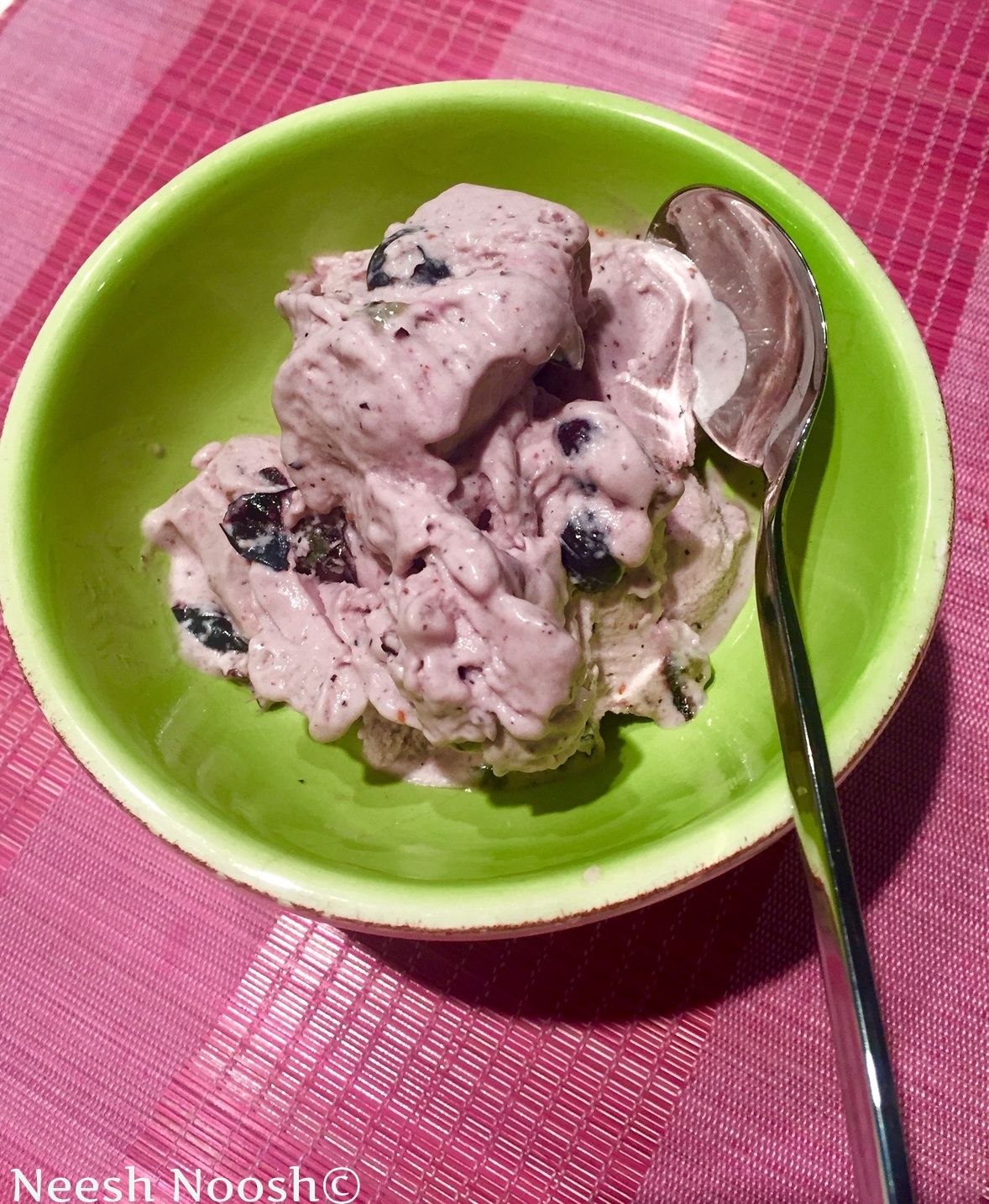
We begin the month of Sivan during which we celebrate Shavuot, when the Israelites received the Torah at Mount Sinai. If you’re not a coffee drinker or dairy eater, like me, Shavuot can be challenging. In celebrating the holiday, people’s all night Torah study is generally fueled by cheesecake, blintzes, ice cream and lasagna. There are many explanations as to why we eat dairy foods on Shavuot. One is that the Torah is like milk and “just as milk has the ability to fully sustain the body of a human being (i.e. a nursing baby), so too the Torah provides all the “spiritual nourishment” necessary for the human soul.”
However, eating dairy foods on Shavuot is a custom, not a law. But, there are lots of delicious ways to enjoy Shavuot without eating dairy.One way is with the the vegan blueberry ice cream recipe that I created for the holiday.
Iyar: Connect and Grow
Iyar-the second month in the Jewish calendar–is a connector month, between Nisan (Pesach–the exodus and establishment of the nation of Israelites) and Sivan (Shavuot–the receiving of the Torah). Rabbi Adin Steinsaltz writes that Pesach “asks us to stop walking the old, familiar paths, and to create change within ourselves and in our relationship with others and with the world.”
Such a process of introspection and healing doesn’t end at Pesach but rather begins. Iyar is a time to sow the seeds of our personal and communal transformations that were planted at Pesach through our liberation from slavery and to prepare for receiving the Torah in Sivan. It “is the month of introspection for the sake of self improvement.” Liberation does not mean one’s journey is complete. And, such a journey is not done alone. Iyar is known as a healing month. The acronym of Iyar is represented by the phrase, “I am G-d your healer” (Exodus 15:26). (The manna the Israelites received from G-d during their time in the wilderness first appeared in Iyar, solidifying their reliance on G-d to survive.) Continue reading
Nisan: Bless and Sustain
Nisan is the first month of the Jewish calendar, a celebration of the beginning of Spring (Chodesh Ha-aviv) and Pesach. Unlike Rosh Hashana, which is a new year for the creation of the world, Nisan established the nation of Israelites. G-d instructed Moses, “This month shall be for you the head of months, the first of the months of the year.” (Exodus 12-2).
One is instructed to say a blessing during Nisan for blossoming fruit trees. With the celebration of Spring in Nisan, one can visit a park or other natural setting to let one’s senses enjoy the colors, scents, sounds and beauty of this time of year. On my little balcony, I’m immersed in an array of flowers, pots overflowing with herbs and a cacophony of birds chirping (of course there is also the regular sounds of drivers honking their car horns). My neighborhood is alight with bougainvellia in vivid oranges and pinks, cascading over tree tops, walls and bushes.
Purim: Vegan Hamantaschen
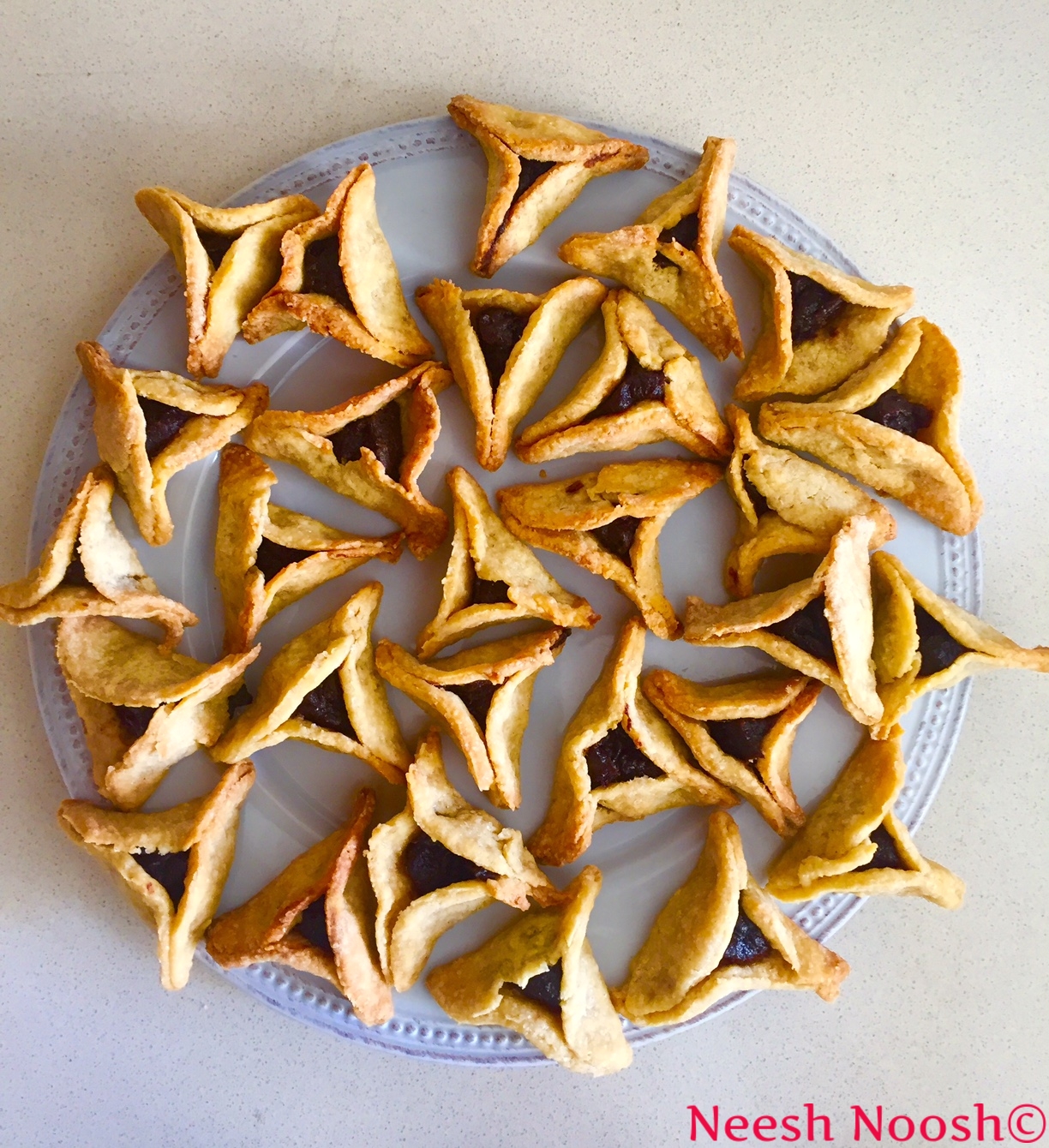
I seem to be on a desserts stretch the past few posts during Adar 1 & 2! With Purim starting in a couple of days, I assume people are busy preparing their mishloach manot. I hope you enjoy the following recipe for vegan hamantaschen, that I wrote for the Borough Market website. It is a modified version of a recipe that I found on the blog, Musical Assumptions). I filled them with my date paste and strawberry jam recipes.
Adar 2: Extra Joy
“When Adar arrives, joy increases.” We are lucky to have two Adars this year (a leap year), a month of joy. Purim is celebrated during Adar 2. There are two significant giving components to Purim. “They are to observe these as days of feasting and gladness, and for sending delicacies to one another, and giving gifts to the poor.” (Esther 9:22). As part of the Purim celebrations, people give mishloach manot (Purim gift baskets), filled with treats, to friends and family. I love returning home to a stack of mishloach manot at my front door, each one delicious and personalized, filled with homemade treats, fruits and drinks. The baskets are lovely but not extravagant.
Indeed, they should not overshadow Matanot La’evyonim, donations to poor people. Maimonides taught, “It is inappropriate to buy expensive Mishloach Manot, if this will come at the expense of larger gifts to the poor.” There are countless opportunities to support people in need this Purim through the excellent organizations listed on my resources page.
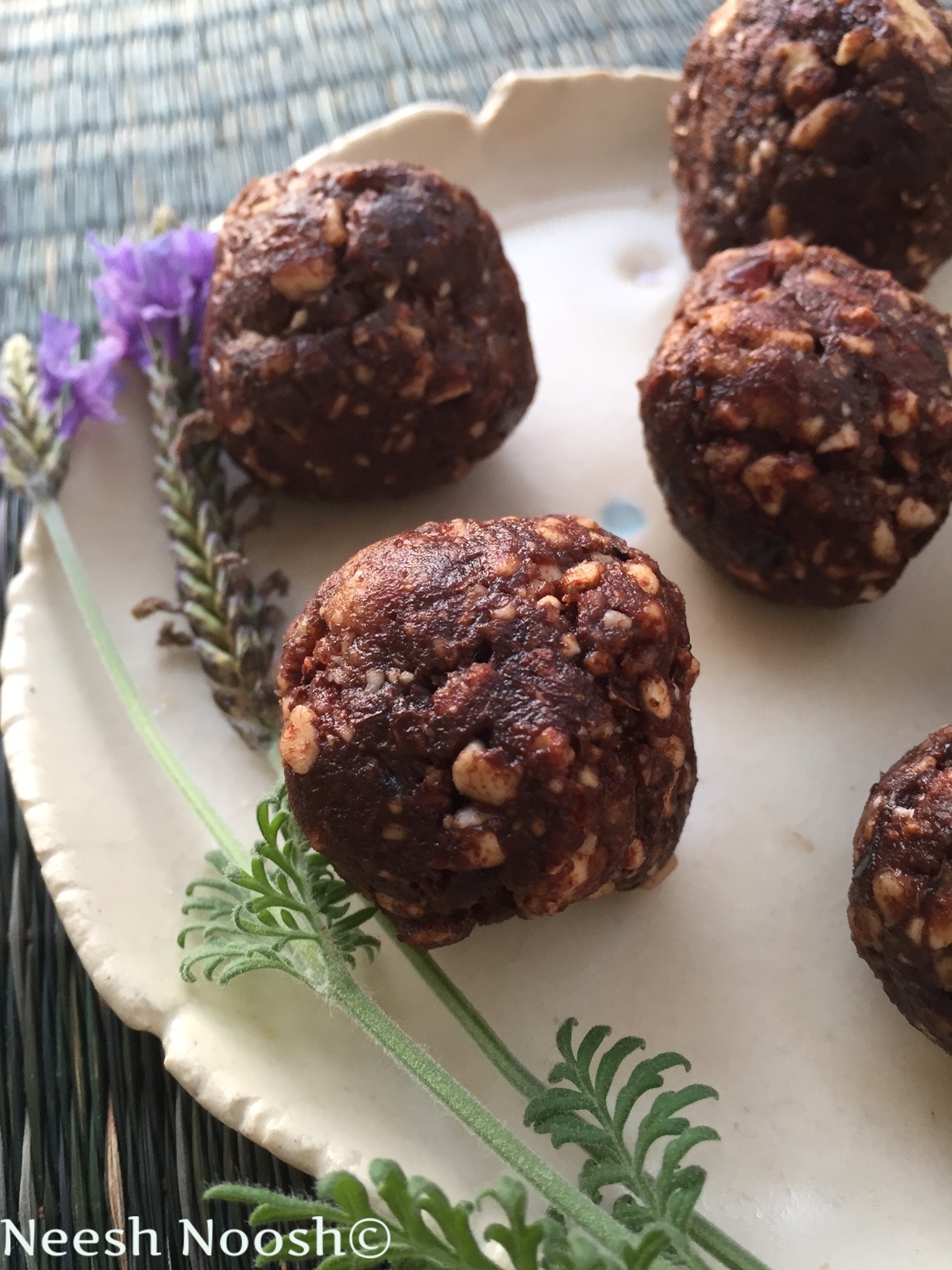
For my Adar2 recipe, I offer an incredibly delicious and sweet dessert that is completely free of any added sugars. It is possible to enjoy Adar2 and Purim without drowning in sugary desserts!
Tu B’shevat Round-Up
Happy New Year of the Trees! I hope you have a delicious, fruitful Tu B’shevat. Below is a round-up of articles and recipes I wrote for the holiday. And if you need any other fruit recipes, search in the “fruit” category on the website. B’tayavon!
Borough Market: Groats and Fruit Salad
Jewish Food Experience: Tour of Tel Aviv Port’s Farmers Market and Fruit Salad
Jewish Journal: Savor Fruits of the Earth, Consider their Journey
Shevat: Fruit Tree Jams
The month of Shevat begins in a few days. The holiday of Tu B’shevat is a New Year celebration for trees. It’s definitely the locavore and environmental holiday of the Jewish calendar that marks the age of trees for tithing. It is customary to eat a new fruits and/or one of the seven species of Israel: barley, wheat, grapes, pomegrantes, olives, figs and date (or date syrup) on the holiday. Inspired by a Kabbalistic tradition, it has become commonplace to celebrate the holiday with a seder–guests enjoy an array of tree grown nuts and fruits as well as discussions about environmental issues we face today. While enjoying fruits this month, consider planting a tree or donating to a tree fund. the US. Also, check out Fallen Fruit, which maps and harvests fruits in public urban spaces.
I prepared three jams with fruits purchased from the farmers market at the Tel Aviv port and from trees in my neighborhood. Unlike most jam recipes that call for large quantities of sugar, these recipes are fairly low in sugar. Enjoy with fresh, warm bread. Continue reading
Tevet: Eyes
The letter of Tevet is “ayin” which also means eye. “The month of Tevet is the month of the rectification and nullification of the ‘evil eye.’ The word Tevet itself comes from tov, “good,” referring to tov ayin, ‘the goodly eye.'” Indeed, celebrating the remaining days of Chanukah during the beginning of Tevet is an opportunity to see good in the world, as revealed in the burning of the holiday’s candles. “We need the power of the light of Chanukah, especially the light of the last day of Chanukah. . . to help us rectify the “Evil Eye” and to reveal the good (Tov – Tevet) in whatever exists.”
Chanukah Round Up
Chanukah Sameach! I hope you enjoy 8 nights of lighting candles, munching on latkes, spinning dreidels, and more. I want to share with you some new and old Chanukah posts:
8 Easy Tips for an Environmentally Friendly Hanukkah (Haaretz)
Latkes and Chanukah for London’s Borough Market
8 Infused Olive Oils (Jewish Journal)
8 Ways to Make Your Chanukah More Sustainable