Lag b’Omer: Fire and Spice

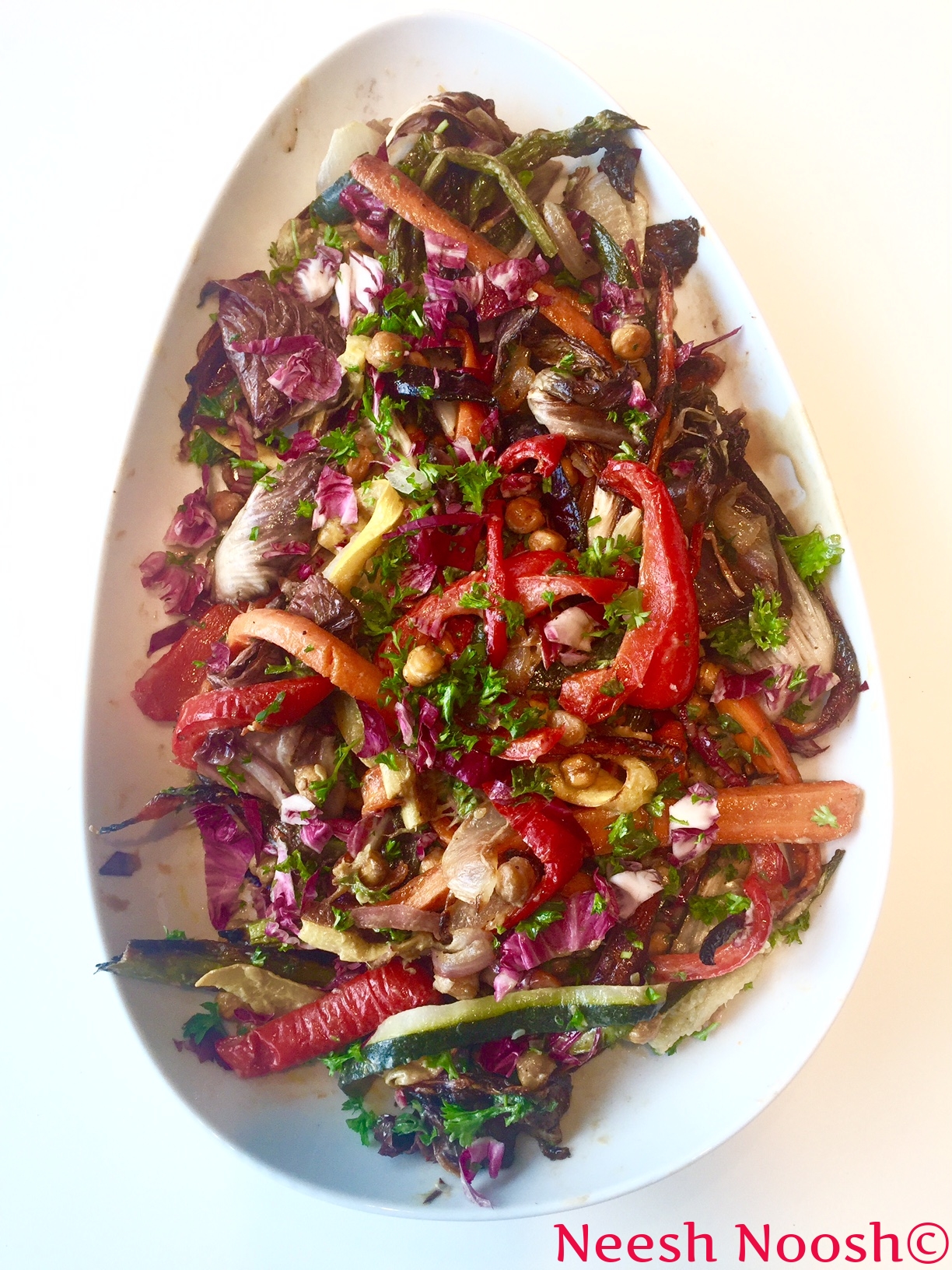
Lag b'Omer roasted spicy vegetables

Lag b’Omer roasted spicy vegetables

A version of this post and recipe originally appeared on the Borough Market website. The market was established in 1014 (yes the date is correct!).

Lag b’Omer begins tonight at sundown tonight. It is the date of the passing of Rabbi Shimon Bar Yochai, a Jewish scholar and mystic who lived from 100-160CE. His commentaries and teachings are part of important Jewish texts about law, ethics and mysticism. He wrote the Zohar, the foundational text of the Jewish mystical tradition known as Kabbalah.

He defied the Roman Emperor Hadrian who persecuted Jews, closed all Jewish schools and forbade the study of holy texts. To avoid execution by the Romans because of his disobedience, Rabbi Shimon and his son, Elazar, hid in a cave for 13 years in the village of Meron, northern Israel.
Continue reading

Iyar: Connect and Grow

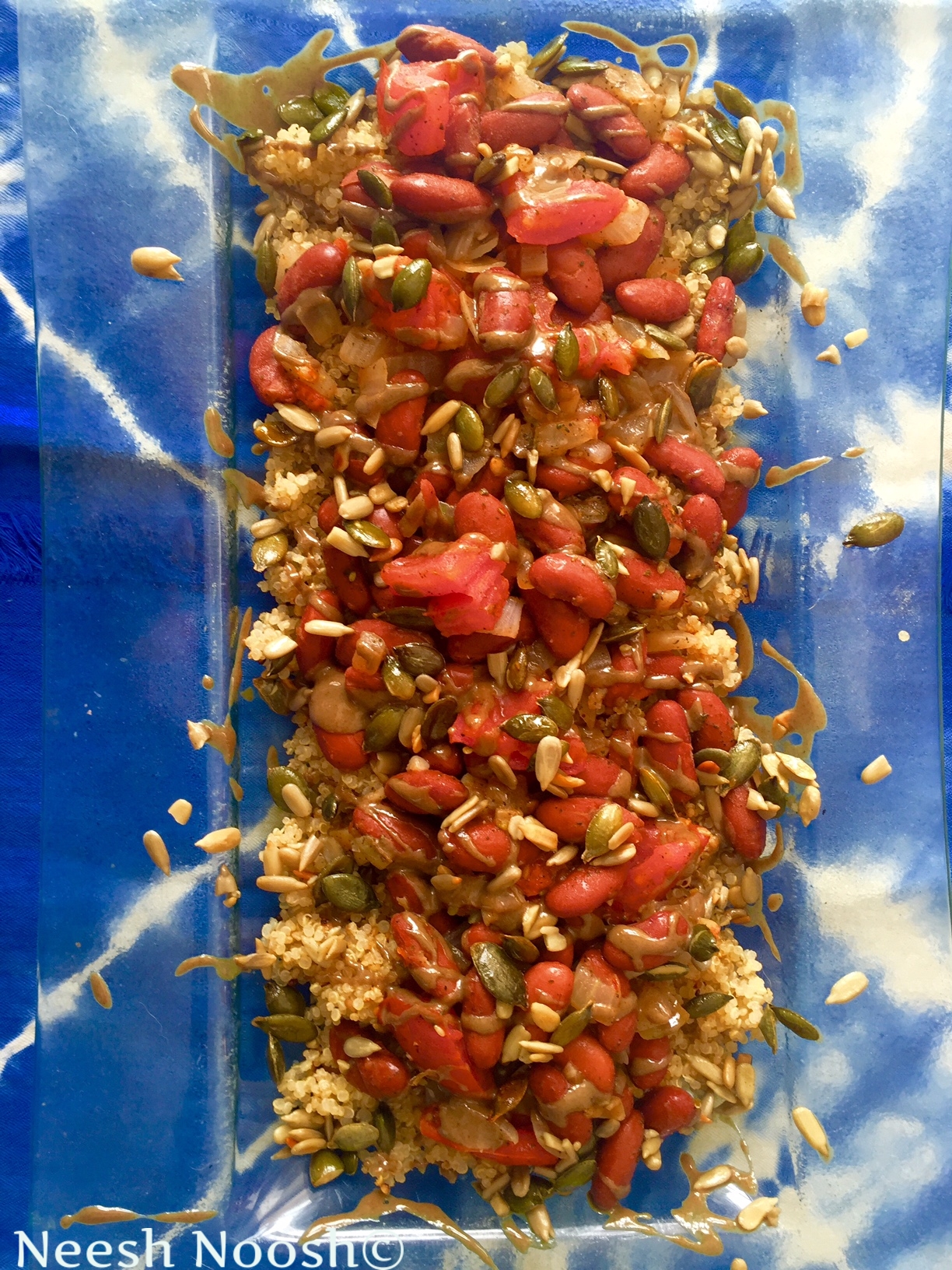
Iyar Beans and Seeds

Iyar Beans and Seeds

Iyar-the second month in the Jewish calendar–is a connector month, between Nisan (Pesach–the exodus and establishment of the nation of Israelites) and Sivan (Shavuot–the receiving of the Torah).  Rabbi Adin Steinsaltz writes that Pesach “asks us to stop walking the old, familiar paths, and to create change within ourselves and in our relationship with others and with the world.”

Such a process of introspection and healing doesn’t end at Pesach but rather begins. Iyar is a time to sow the seeds of our personal and communal transformations that were planted at Pesach through our liberation from slavery and to prepare for receiving the Torah in Sivan. It “is the month of introspection for the sake of self improvement.” Liberation does not mean one’s journey is complete. And, such a journey is not done alone.  Iyar is known as a healing month.  The acronym of Iyar is represented by the phrase, “I am G-d your healer” (Exodus 15:26). (The manna the Israelites received from G-d during their time in the wilderness first appeared in Iyar, solidifying their reliance on G-d to survive.) Continue reading

Pesach Round-Up

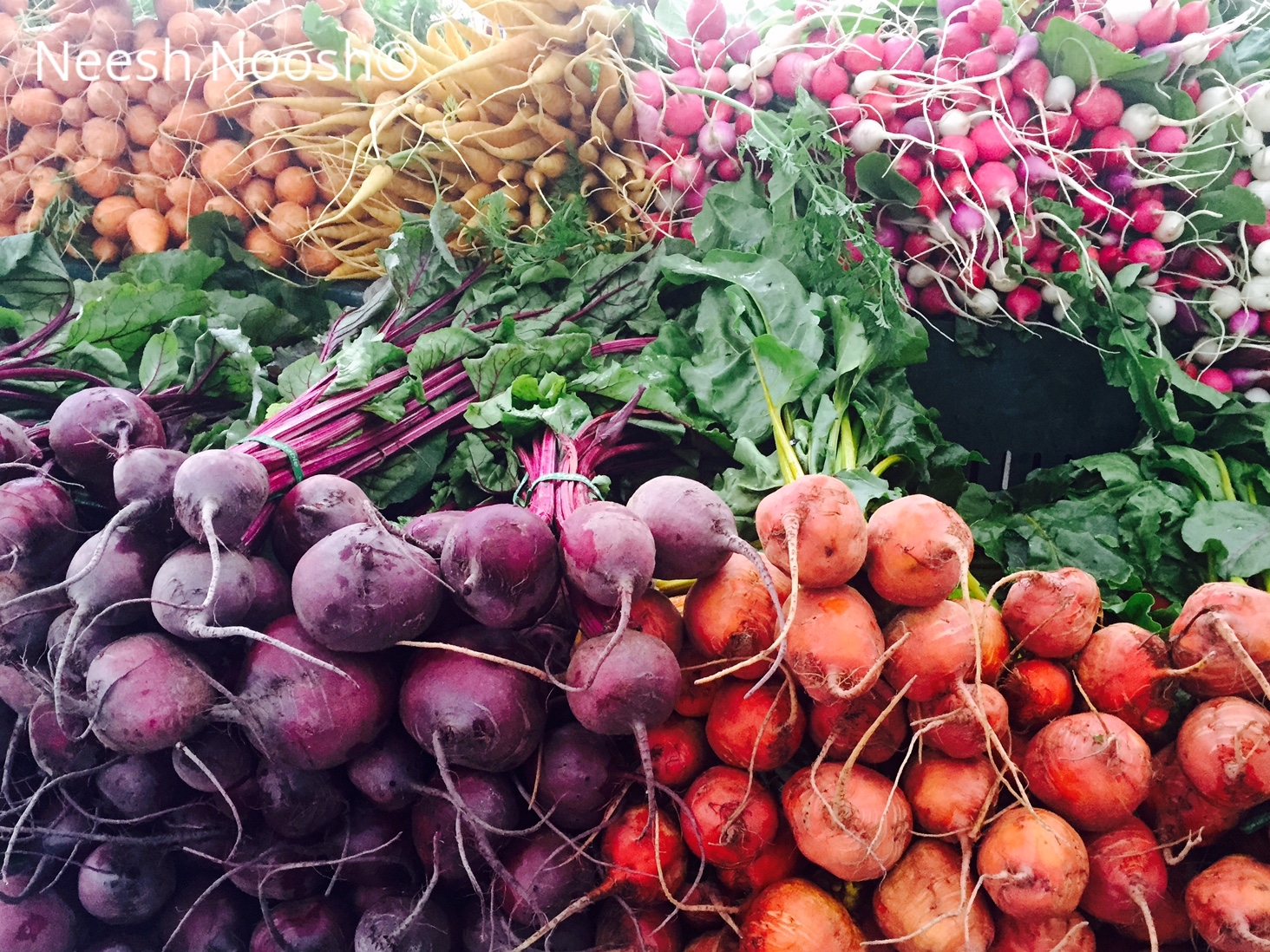
Underwood Family Farms, Culver City, CA Farmers Market

Underwood Family Farms, Culver City, CA Farmers Market

As you’re busy cleaning your house, shopping and cooking for Pesach, I thought you might want to read and reflect upon some of my posts for the holiday. Chag sameach!

Passover: Liberate Yourself From Industrial Food: A list of suggestions to make each part of your seder more sustainable.

Passover: Ending Slavery in Our Food Systems: The horrible enslavement of people in the production of food worldwide.

Nisan: Bless and Sustain: The ultimate Pesach food!-Quinoa and roasted fruit and vegetable recipe

Also, if you haven’t had a chance yet, check out the resources page on my website to find a wide range of wonderful groups working in both the secular and faith spaces to address hunger, agriculture, animal welfare and many other important issues.

Purim: Vegan Hamantaschen

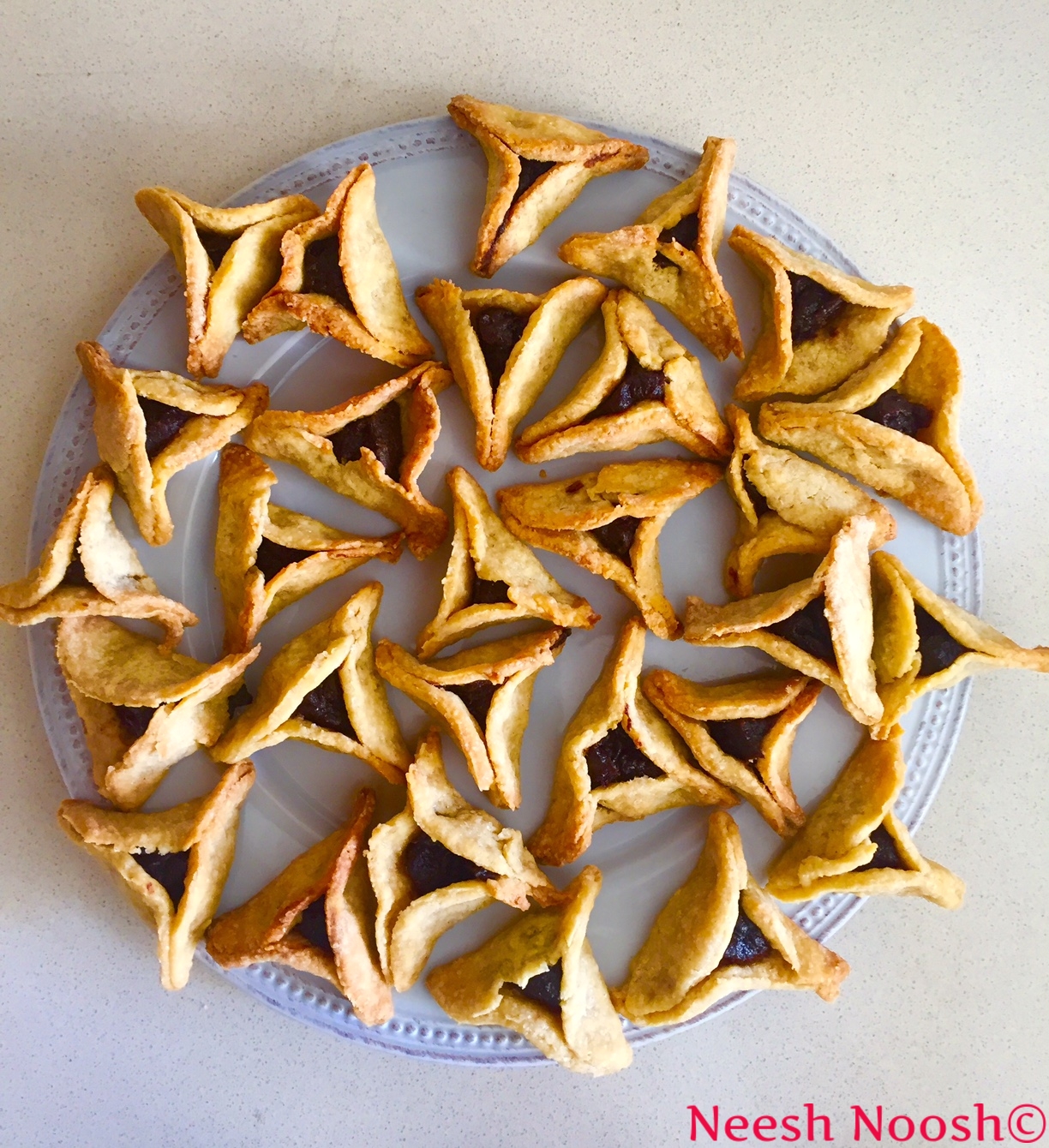
Hamantaschen3I seem to be on a desserts stretch the past few posts during Adar 1 & 2! With Purim starting in a couple of days, I assume people are busy preparing their mishloach manot. I hope you enjoy the following recipe for vegan hamantaschen, that I wrote for the Borough Market website. It is a modified version of a recipe that I found on the blog, Musical Assumptions). I filled them with my date paste and strawberry jam recipes.

Continue reading

Adar: Conflict and Joy

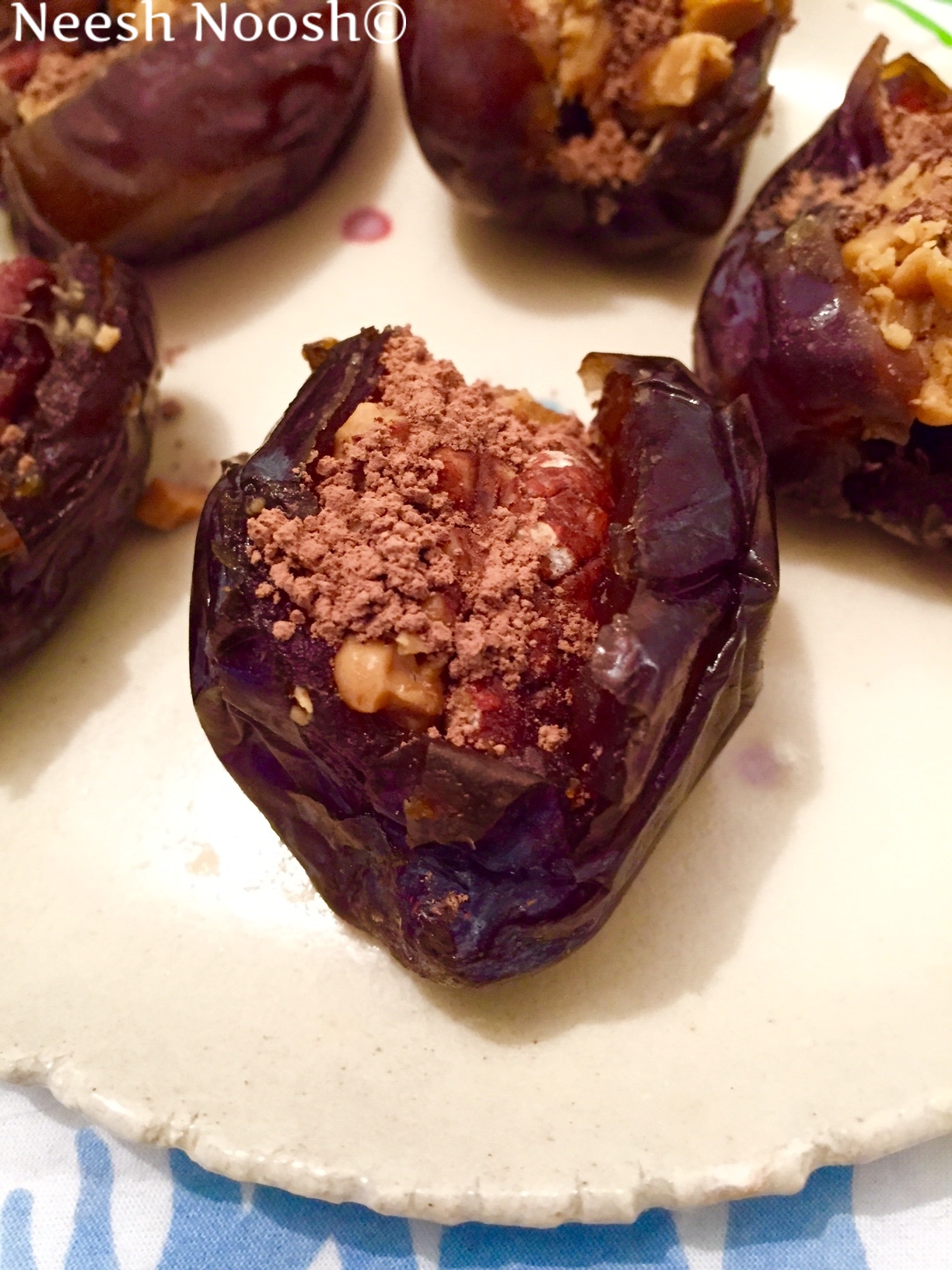
Adar stuffed dates

Adar stuffed dates

We are encouraged to celebrate and have more joy than normal during the month of Adar.
“The whole month of Adar is learning how to grow and heal through joy and laughter. . . . . the main reason we came into this world is to experience and teach joy.” writes Melinda Ribner of Kabbalah of the Heart. Moses was born on the 7th of Adar and the holiday of Purim (the miracle of the Jews survival against Haman) is celebrated during Adar. The 9th of Adar commemorates “marks the day that two thousand years ago healthy disagreements ‘for the sake of Heaven’ turned destructive.”  In honor of it, the 9Adar project is a week devoted to “strengthening a culture of constructive conflict across personal, political, religious, and other divides.”

Continue reading

Chanukah Round Up

FullSizeRender(228)(1)Chanukah Sameach! I hope you enjoy 8 nights of lighting candles, munching on latkes, spinning dreidels, and more. I want to share with you some new and old Chanukah posts:

8 Easy Tips for an Environmentally Friendly Hanukkah (Haaretz)

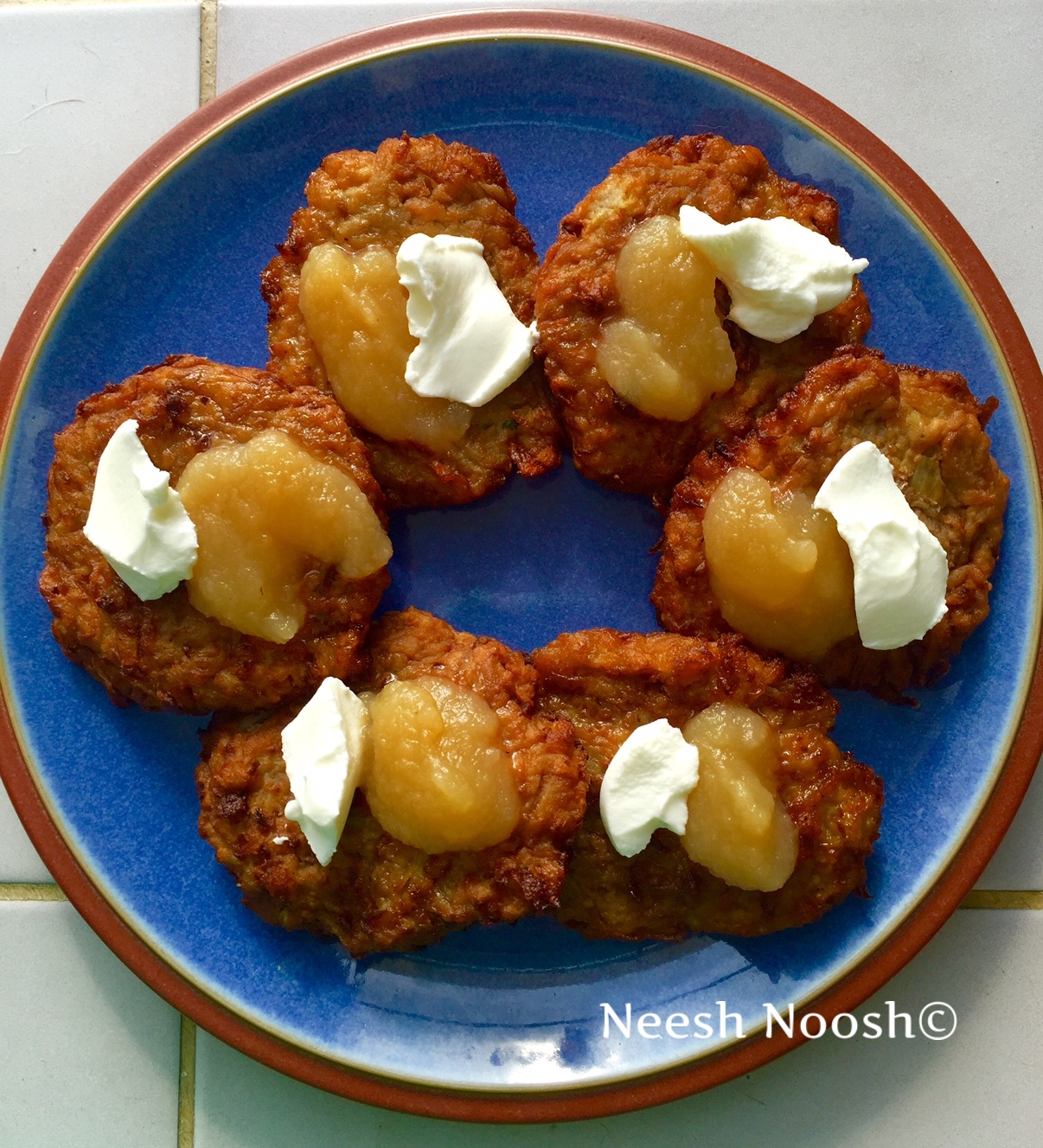
Latkes and Chanukah for London’s Borough Market

8 Infused Olive Oils (Jewish Journal)

8 Ways to Make Your Chanukah More Sustainable

Oily, Salty Salad for the Month of Kislev

Soup for Tevet

Cheshvan: Pray for Rain

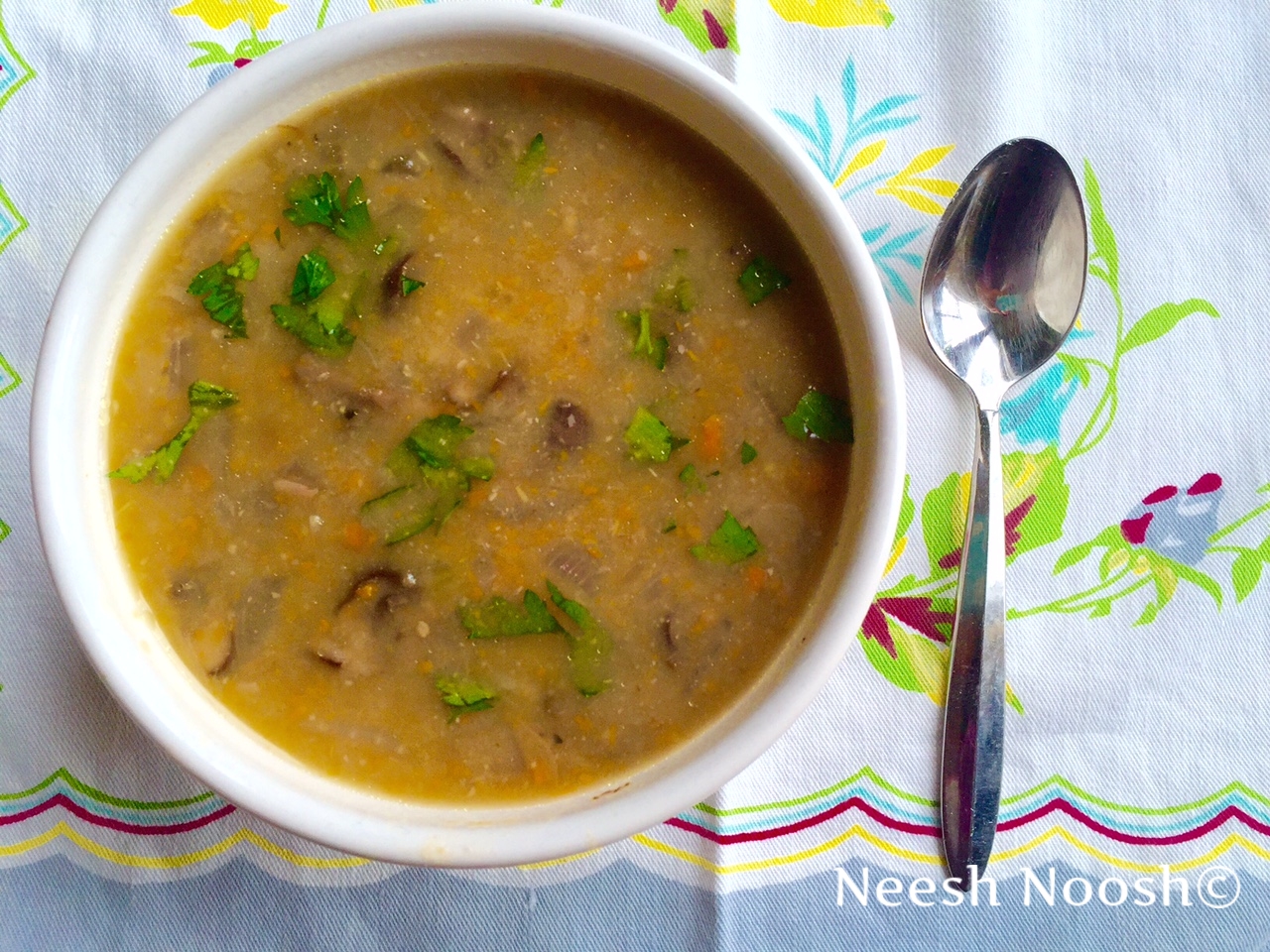
Cheshvan: Mushroom and bean soup

Cheshvan: Mushroom and Bean soup

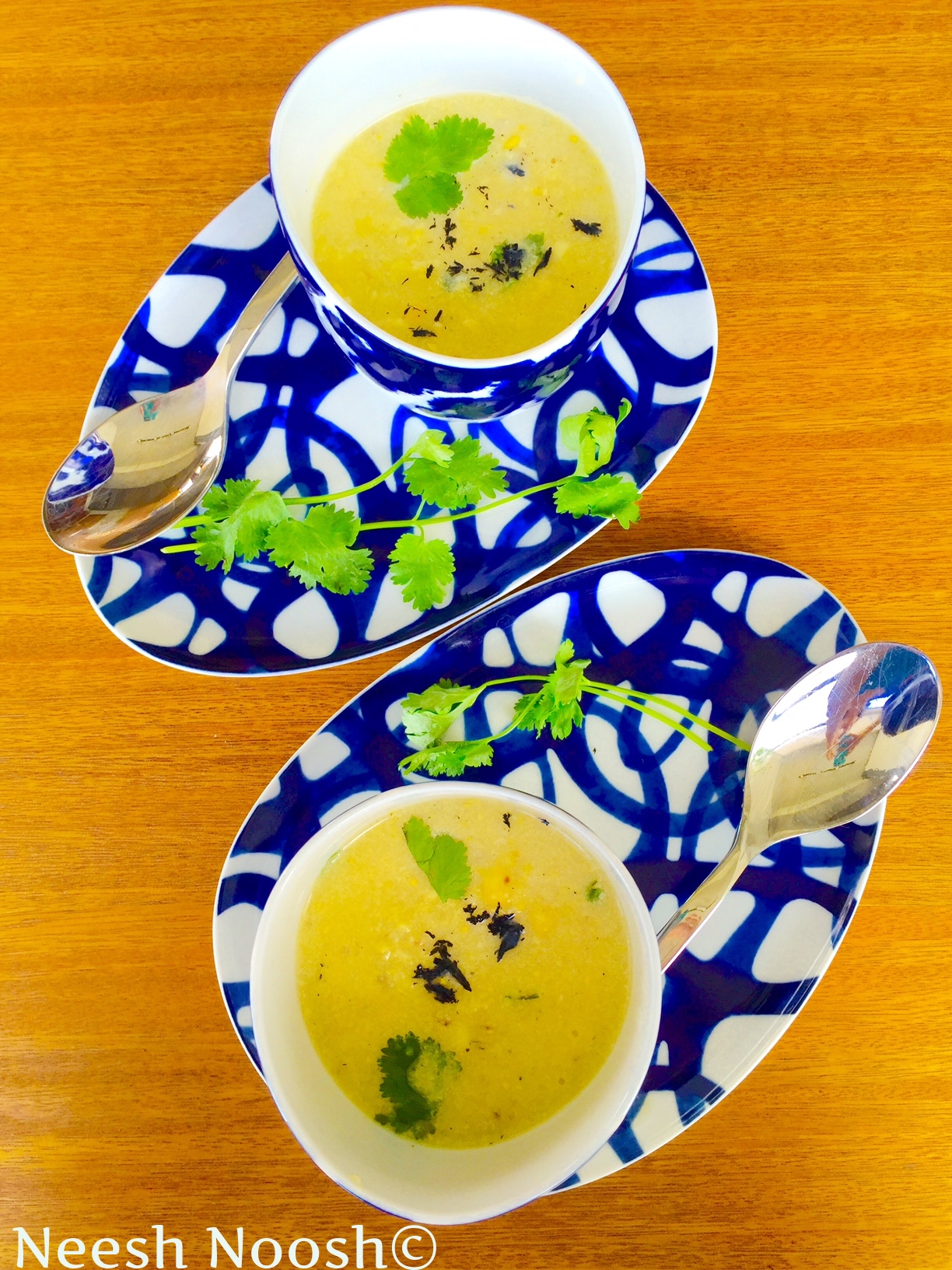
In Israel, we begin saying the prayer for rain at the start of the month of Cheshvan (saying the prayer starts later outside of Israel). Rain is desperately needed in Israel and California, which has the worst drought on record. The primary ingredients in this soup require little water to be grown. They are also sowed in the ground and dark places, reflective of the shorter days as we approach winter. With the cooling weather, we start to stay inside more and perhaps become more insular and reflective in our nature. The month–which has no holidays–is sometimes referred to as “MarCheshvan.” Mar means bitter and the parsley leaves on top are symbolic of this bitterness.

Continue reading

Fall Holidays: Feasting and Reading

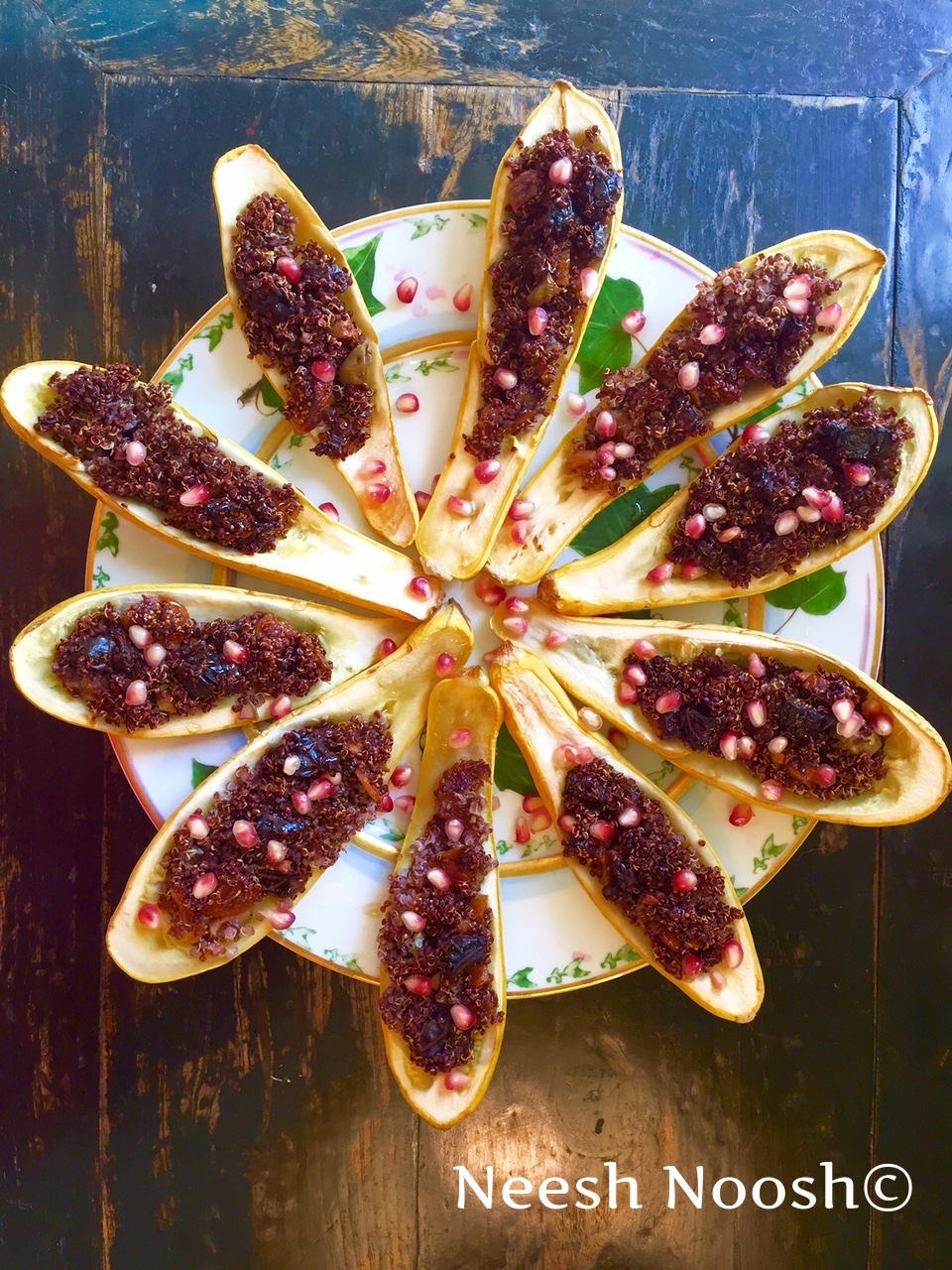
Sukkot: Stuffed Zucchinis

Sukkot: Stuffed Zucchinis

Greetings from Tel Aviv! I want to share my latest Haaretz piece about addressing the serious hunger and poverty crises in both the US and Israel.

And, I want to share with you some of my recipes for the remaining fall holidays. Sukkot is the ultimate “farm-to-table” holiday, celebrating the bounty of Fall harvest. On Shemini Atzeret we transition to saying a prayer for rain— so needed right now in Israel and the West Coast.
Sukkot:
Stuffed Zucchinis
Perennials Roast
Shemini Atzeret:
Nopales and Tomatillo Sauté
Simchat Torah:
Eggplant-Quinoa Rounds
Chag Sameach!


Shana Tova: Reflections and Moving into a New Year

Apples. Eastern Market. Washington, DC

Apples. Eastern Market. Washington, DC

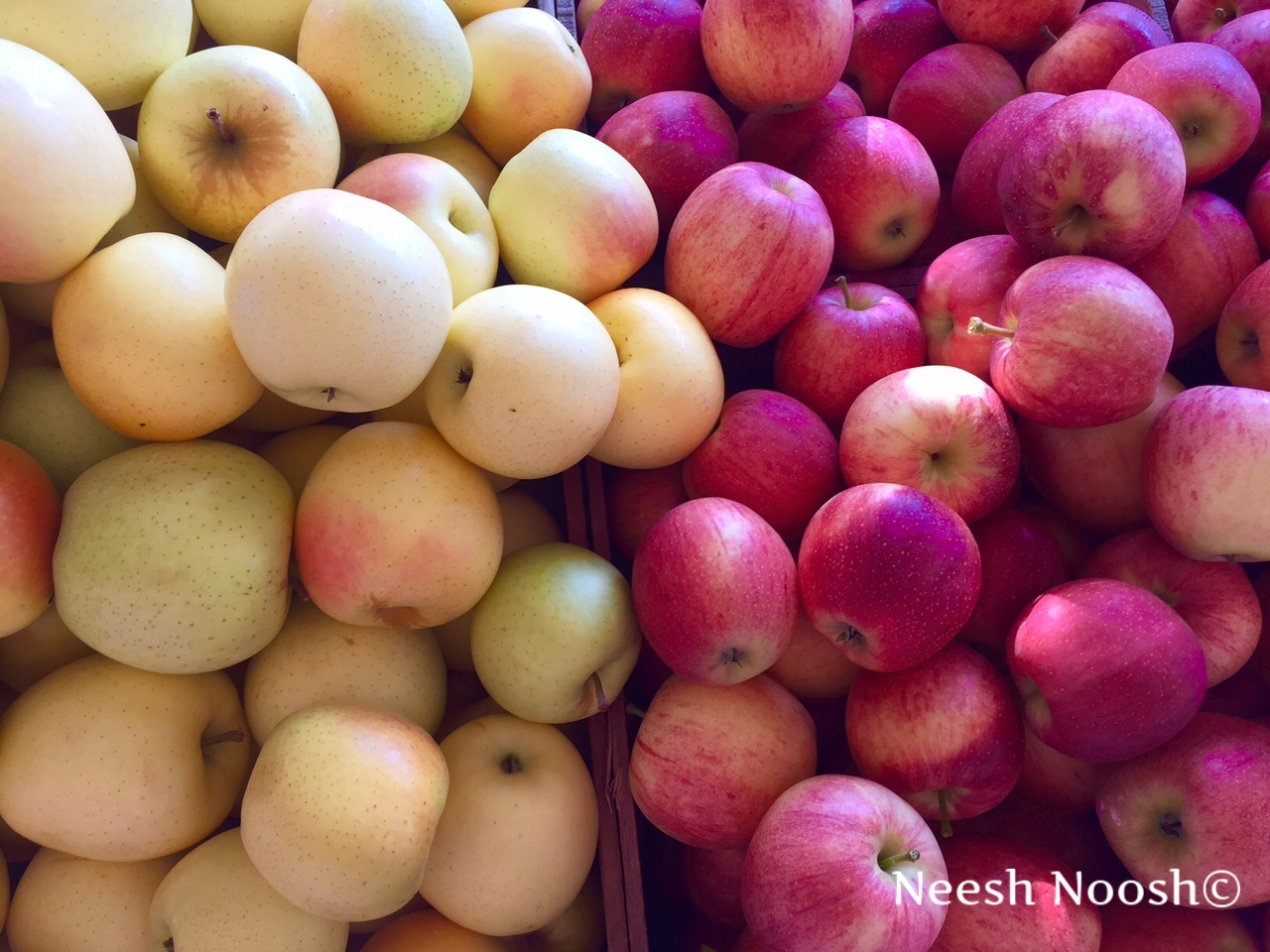
Shana Tova! Last year at Rosh Hashana, I decided to start Neesh Noosh, without having a vision or plan. Just a desire to learn, cook and write. What a whirlwind and exciting journey it has been! I want to share an article, after the break, that I wrote for last week’s Jewish Journal about my journey writing Neesh Noosh.

In the coming year, instead of creating a dish for the weekly Torah portion, I will make a recipe for each Rosh Chodesh (new month).  I am also working on turning the blog into a cookbook.

Thank you to everyone who reads Neesh Noosh. I am grateful for your support and encouragement!  I hope you will continue to enjoy reading and cooking with me in the new year.

Wishing you a sweet, healthy new year!
Sarah

PS: If you want to read more about Rosh Hashana and food ethics, please check out  an article I wrote for the Isareli paper, Haaretz: What do Jewish Morals Have to Say About Your Rosh Hashana Dinner?

Continue reading

Ki Tavo: Mitzvot and Renewal

Ki Tavo: Roasted Fruit

Ki Tavo: Roasted Fruit

This week’s Torah portion, Ki Tavo, begins with the responsibility of the Israelites to bring an offering of first fruits (bikkurim) after they’ve entered the land of Israel. “He brought us to this place, and He gave us this land, a land flowing with milk and honey. And now, behold, I have brought the first of the fruit of the ground which you, O Lord, have given to me.” (26:9-10)

Fruit offerings were later replaced with prayers but the purpose and intention are the same. As my teacher, Diane Bloomfield of “Torah from Jerusalem” explains, each day is the potential for both the physical world and humans to renew through prayer and actions. Despite the darkness that shrouds much of the world, we are commanded by God, as caretakers of the world, to illuminate dark places through mitzvot (actions). Such behaviors enable us to connect more deeply to God and renew ourselves and the world.

Continue reading