Toldot: Negotiating for Lentil Stew and More

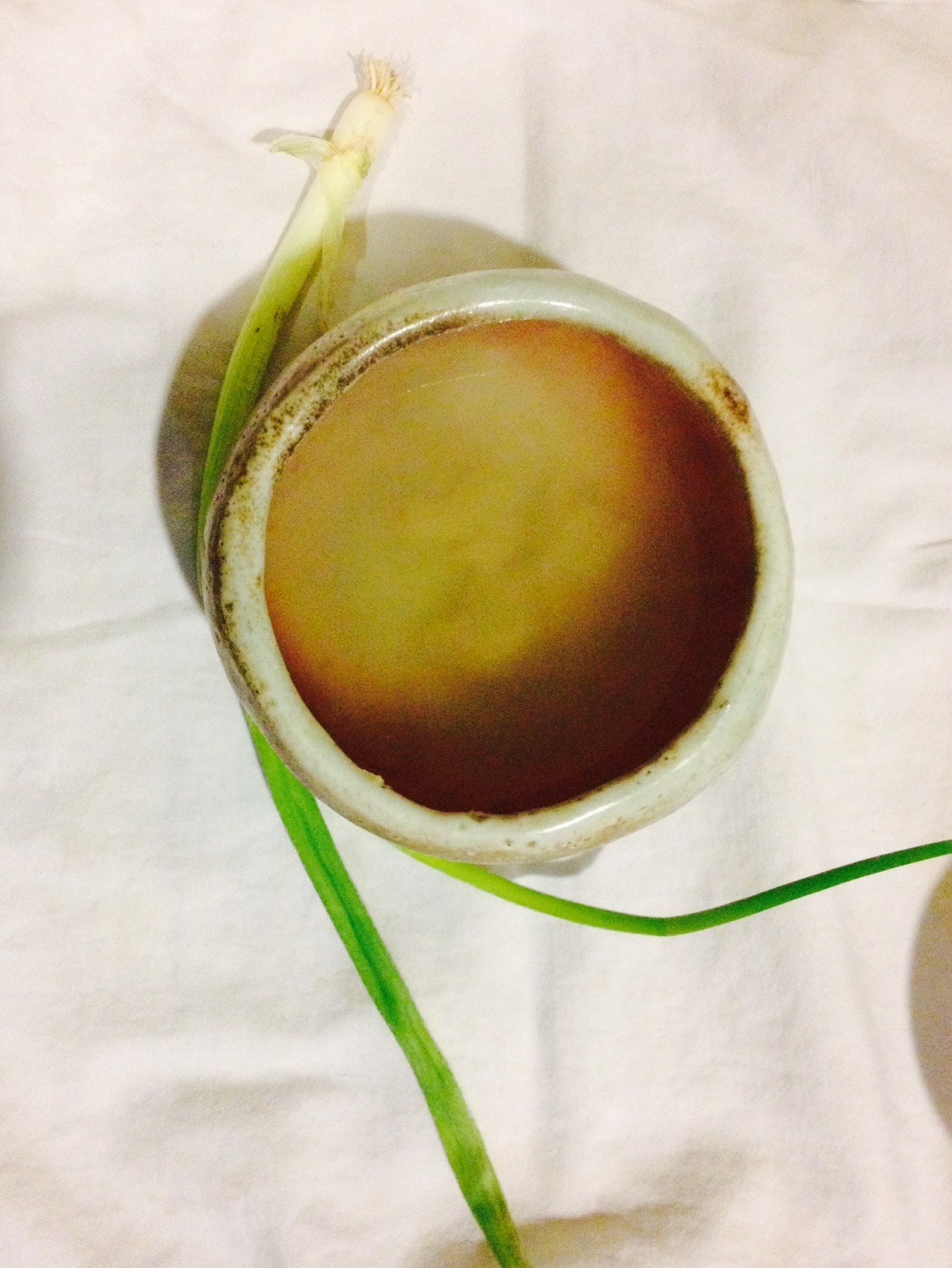
Liar's Lentil Stew

Liar’s Lentil Stew

Toldot shows us the darker dynamics that can occur between loved ones, especially when one negotiates in less-than-transparent ways. Rebecca and Jacob’s prayers for a child are answered with the birth of her non-identical twin boys, Esau and Jacob.

A famished Esau encounters his brother Jacob enjoying lentil stew. Esau pleads with him to give him some stew in exchange for his birthright, to which Jacob agrees.

We are living in an era now where a different type of deceit happens for people’s birthright–farm land–through land grabs. There’s a lot at stake. The global food economy is a $6 trillion/year system. “The world produces more than 1 1/2 times enough food to feed everyone on the planet.” 
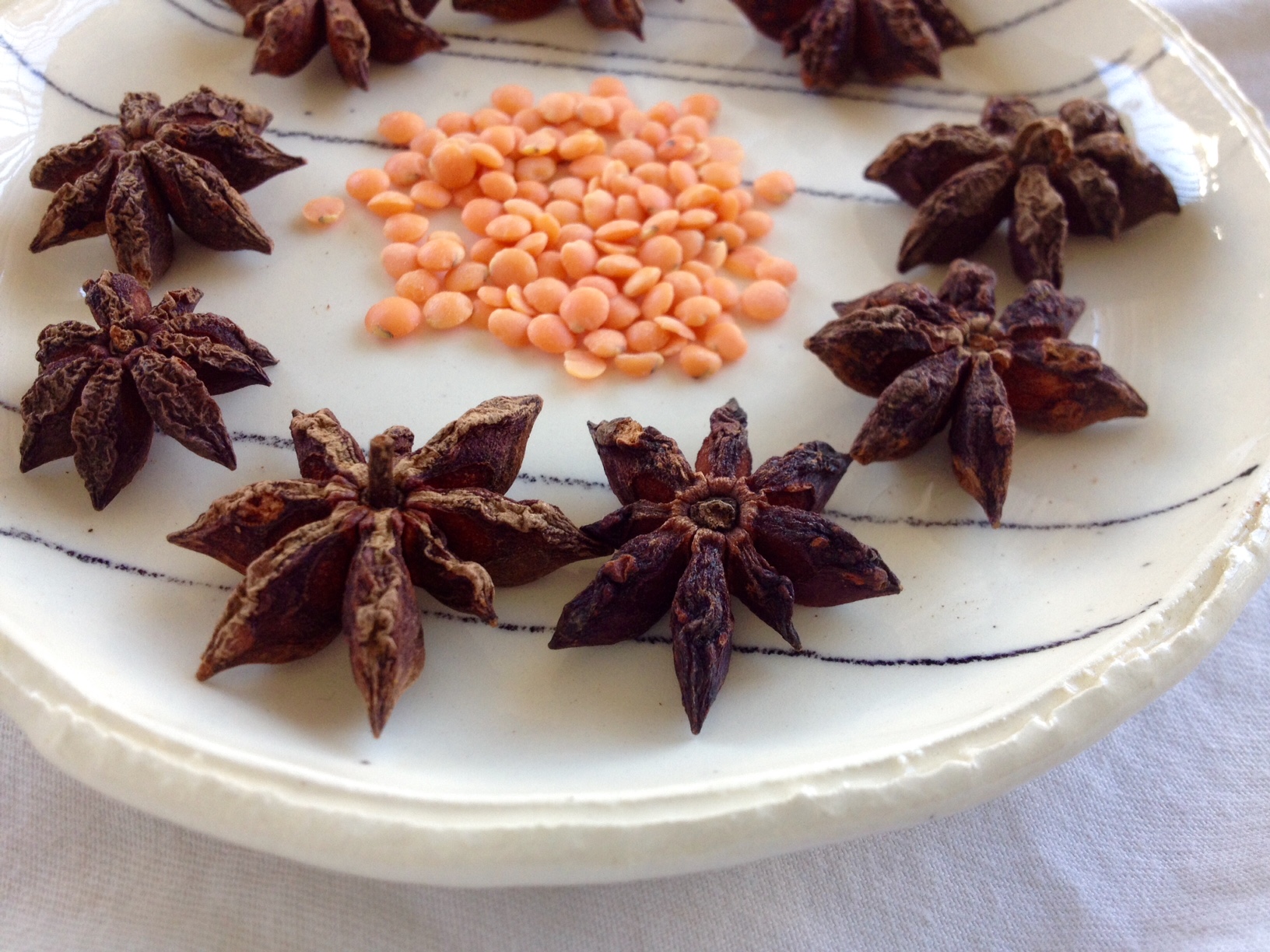
Star anise and red lentils.

Star anise and red lentils.

Seventy percent of our world’s food is grown by family farmers on 25% of the world’s farmland. Despite this being the UN declared, Year of the Family Farmer, land grabs continue to  happen around the world, including here in the United States.  When small farmers enter into negotiations with large corporations they are doubly disadvantaged. They don’t always understand what they are transacting, and they are sometimes made to believe that selling their birthright is the only option open to them. Similarly, Esau didn’t understand the value of his birthright and Jacob had leverage over his brother. When farmers today realize they lost their birthrights, they are upset like Esau. Continue reading
Chayei Sarah: Life and Death

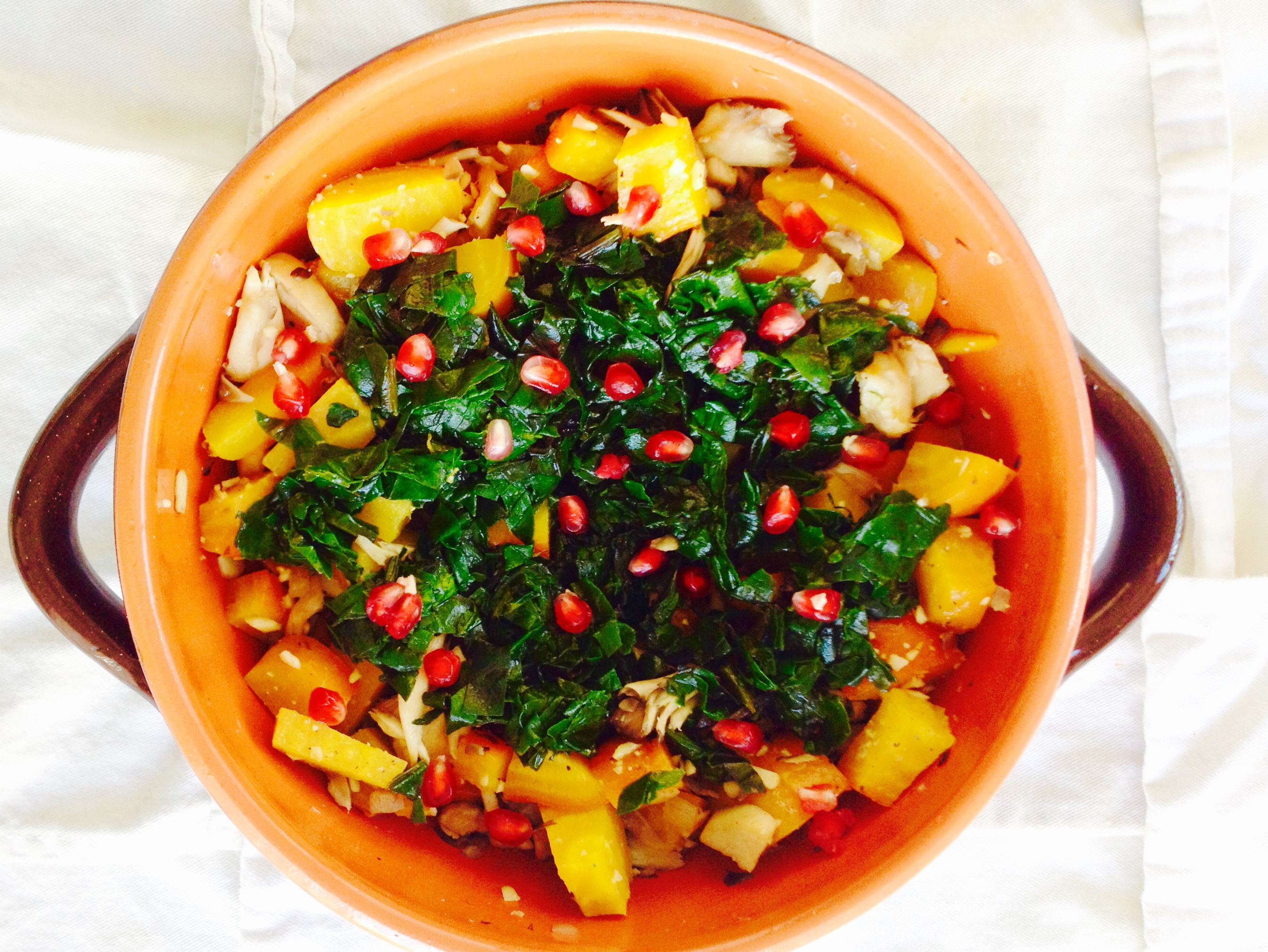
Chayei Sarah: roasted beets, mushrooms, beet greens

Chayei Sarah: roasted Golden beets, mushrooms, beet greens

The title of this week’s parsha, Chayei Sarah (the life of Sarah), is a bit misleading at it is book-ended by the deaths of Sarah and Avraham. But, it is also filled with a celebration of life. Avraham dies in old age, but only after ensuring his progeny through the marriage of his son, Isaac, to Rebecca. It is a story of the spiraling cycles of our lives and the continuation of our legacies through the generations of our families.

We continue our lives even when are family and friends pass. And, upon death, we each return to the soil that initially gave us life.  The simplest matter that we become upon death–dirt and dust–also brings us forth to the beauty, complexities and interconnectedness of life on Earth.  Deep in the ground is the source of our nourishment and life for all: water, and soil.

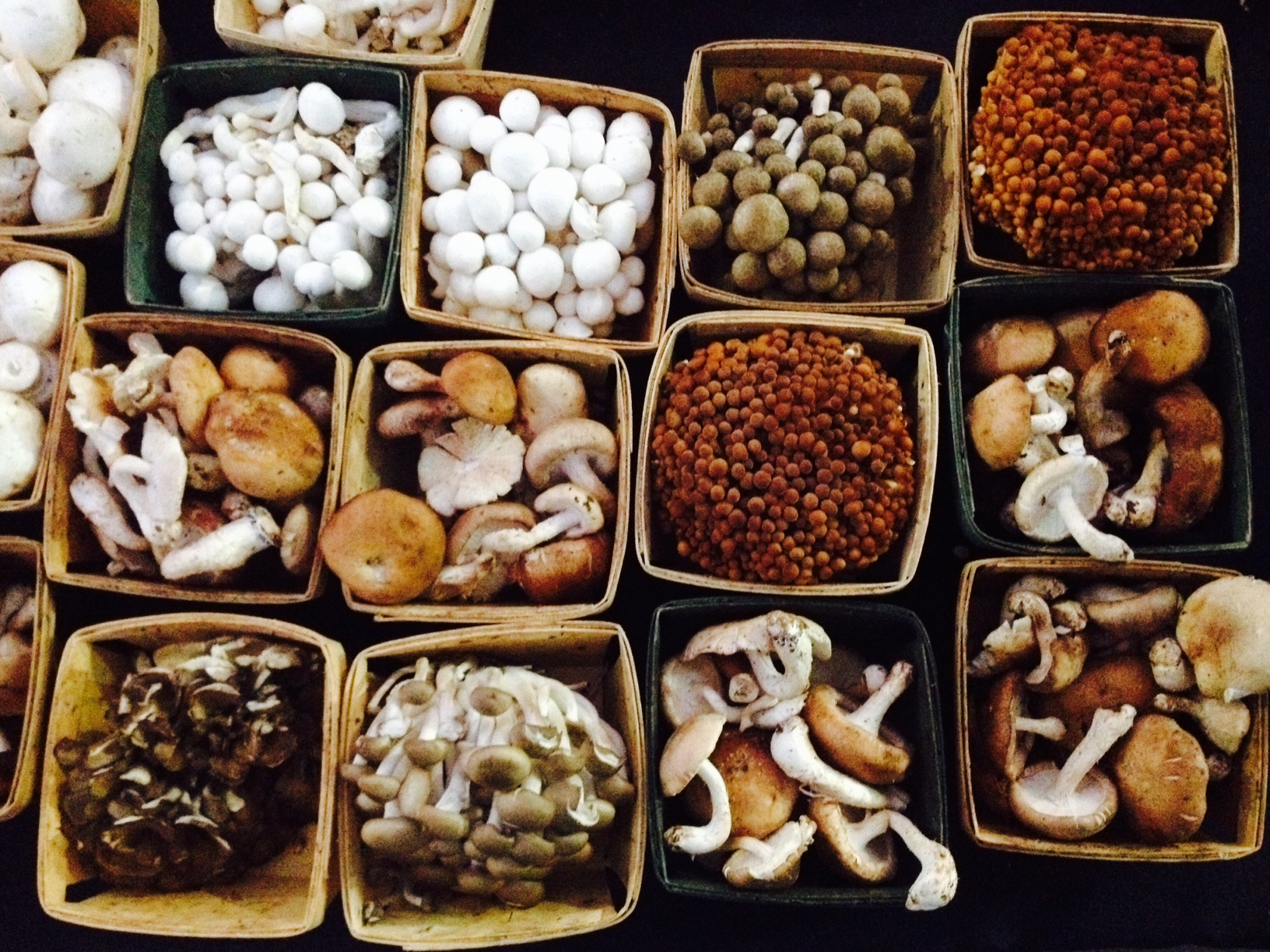
LA Funghi mushrooms, Culver City farmers market

Mushrooms. LA Funghi, Culver City farmers market

In the parsha we learn that at Avraham’s request, his servant journeyed to find a wife for Isaac, bringing ten camels with him. The camels were brought to a well where the women of the town collected water each evening. As Rabbi Shai Held notes, Rebecca offered the camels water without the servants prompting. “She is so kind that she does more than she is asked, and beyond her concern for people, she cares also for the needs of animals.”  Continue reading

Lech Lecha: From Dark to Light

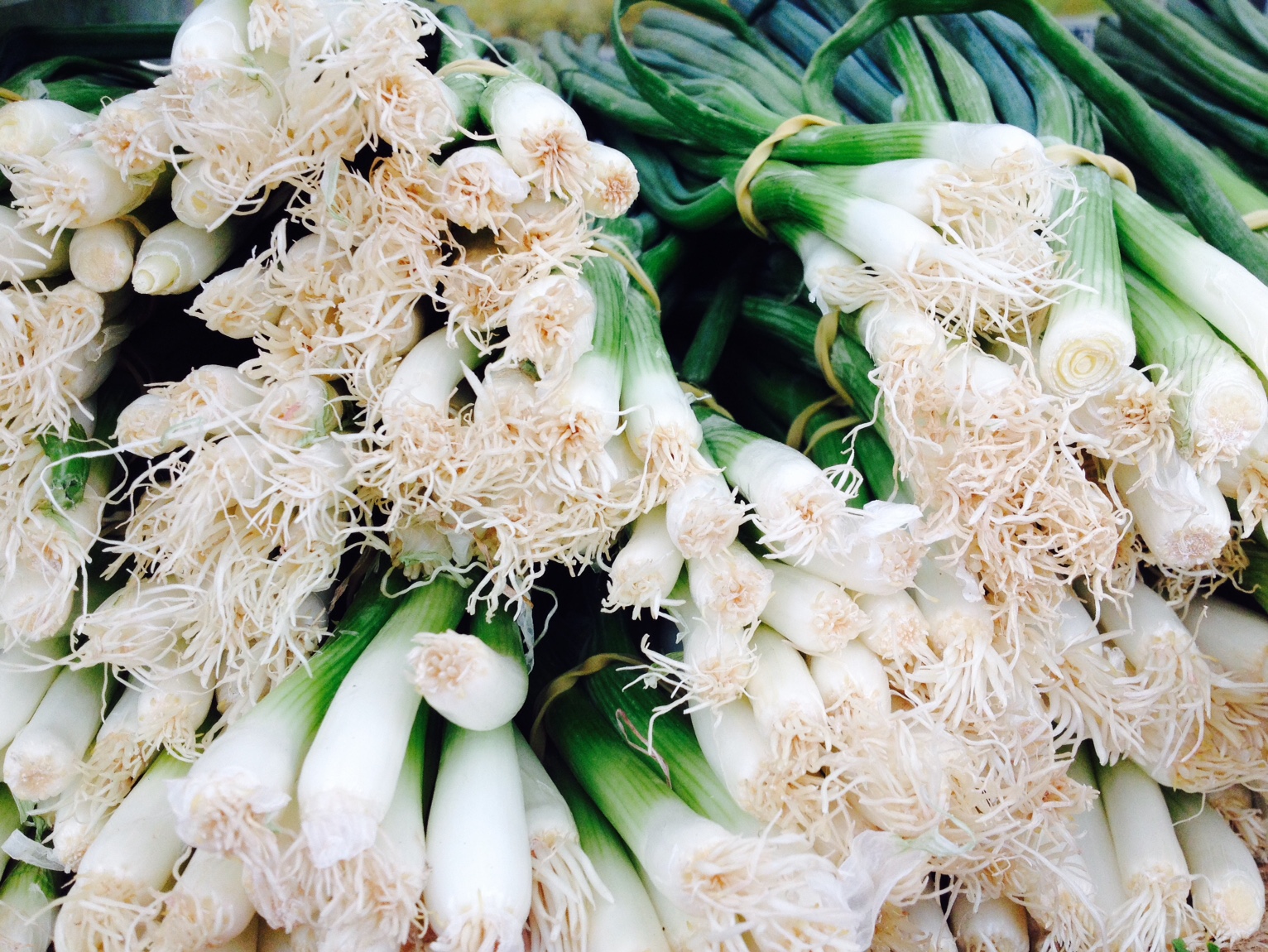
Scallions. La Cienega farmers market

Scallions. La Cienega farmers market

Lech Lecha tells the story of the birth of the Jewish people through Avraham’s prophecy.  God tells Avram, “I will bless you and make you a great nation.”  As Diane Bloomfield taught this week about Lech Lecha, “God is bringing in a radical new creation with different qualities of what it means to be a human being and the potential becoming of a Jewish nation that brings blessings into the world.”

In the parsha, Avraham is sent on a challenging journey to unknown land, despite God’s promise to protect him and Sarah. It is fraught with dangers, famine, and personal challenges. As Yael Shy wrote, the unknowingness of journeys can create unease and fear in oneself, as is true for Avraham. But, as she continued, “God is telling Abraham to stop trying to predict or figure out or gain control of what that which he is not in control.”

His journey is not about where he has been or his previous actions but where he is going and the potential for the future.  He’s a baal teshvua: someone who lives in the process of what he can become, not what he did, according to Diane Bloomfield.

Continue reading

Noah: Ark of Taste

Campo de Fiori market, Rome

Campo de Fiori market, Rome

Was Noah the first seed saver? The first protector of biodiversity? This week we read that humans’ lawlessness and corruption incensed God enough to cause him to flood and destroy all creatures on the planet. “I am about to bring the Flood — waters upon the earth — to destroy all flesh under the sky in which there is breath of life; everything on earth shall perish.”  Noah was tasked by God with saving pairs of every species on his ark and repopulating the planet once the flood waters receded.

After the flood ended, a rainbow in the sky became a covenant between God and man. It “shall be the sign of the covenant that I have established between Me and all flesh that is on earth.”  We are challenged every day to live by this covenant, especially when we look at the impacts of climate change–including rising sea levels–on our planet. Modern agriculture today is contributing to climate change, from water usage for livestock to fertilizers to land management. And, climate change is, and will continue to be, a major factor in future food production due to flooding and droughts, desertification and habitat loss.

Mercato di Campagna Amica del Circo Massimo, Rome

Mercato di Campagna Amica del Circo Massimo, Rome

The Slow Food movement’s biannual gathering begins this evening in Turin, Italy with tens of thousands of people from more than 120 countries in attendance. One part of the conference is Salone del Gusto-the largest food and wine conference in the world. The other part, Terra Madre, is a gathering to give a voice, resources and organizing to small-scale agricultural producers worldwide. Indeed, there are 500 million family farmers worldwide who are each growing food on less than two hectares of land. Terra Madre advocates that “eating is an agricultural act and producing is a gastronomic act.” This is the antithesis of Coca-Cola, McDonalds, ConAgra and Monsanto.  Continue reading

Bereshit: Creation and Stewardship

We start again this Shabbat at the beginning with Bereshit. The universe is created out of nothingness by God. “The earth being unformed and void, with darkness over the surface of the deep and a wind from God sweeping over the water.” God creates light and dark, sky and earth, water and land, humans and all of the plants, animals insects, birds and others creatures of our planet, six days and Shabbat. The preciousness and chaos of the complex universe that God makes comes forth from separations, distinctions , enumerations and accountings. In our biosystems, and particularly our humanity, there is great diversity.

FullSizeRender_1Rabbi Shai Held of Mechon Hadar writes, “among other things, then, the biblical creation story is like a hymn to biodiversity, which is seen as unambiguously good in its own right. For the Torah, then, creation is precious in its own right.”

This story is not about dominion over the earth but  our being accountable  for stewardship of all that God created. Rabbi Held continues, “the meaning of ‘but the earth He gave over to humanity’ is that the human being is God’s steward (pakid) over the earth and everything that is on it, and she must act according to God’s word.”

Continue reading

Simchat Torah: 7 Rounds

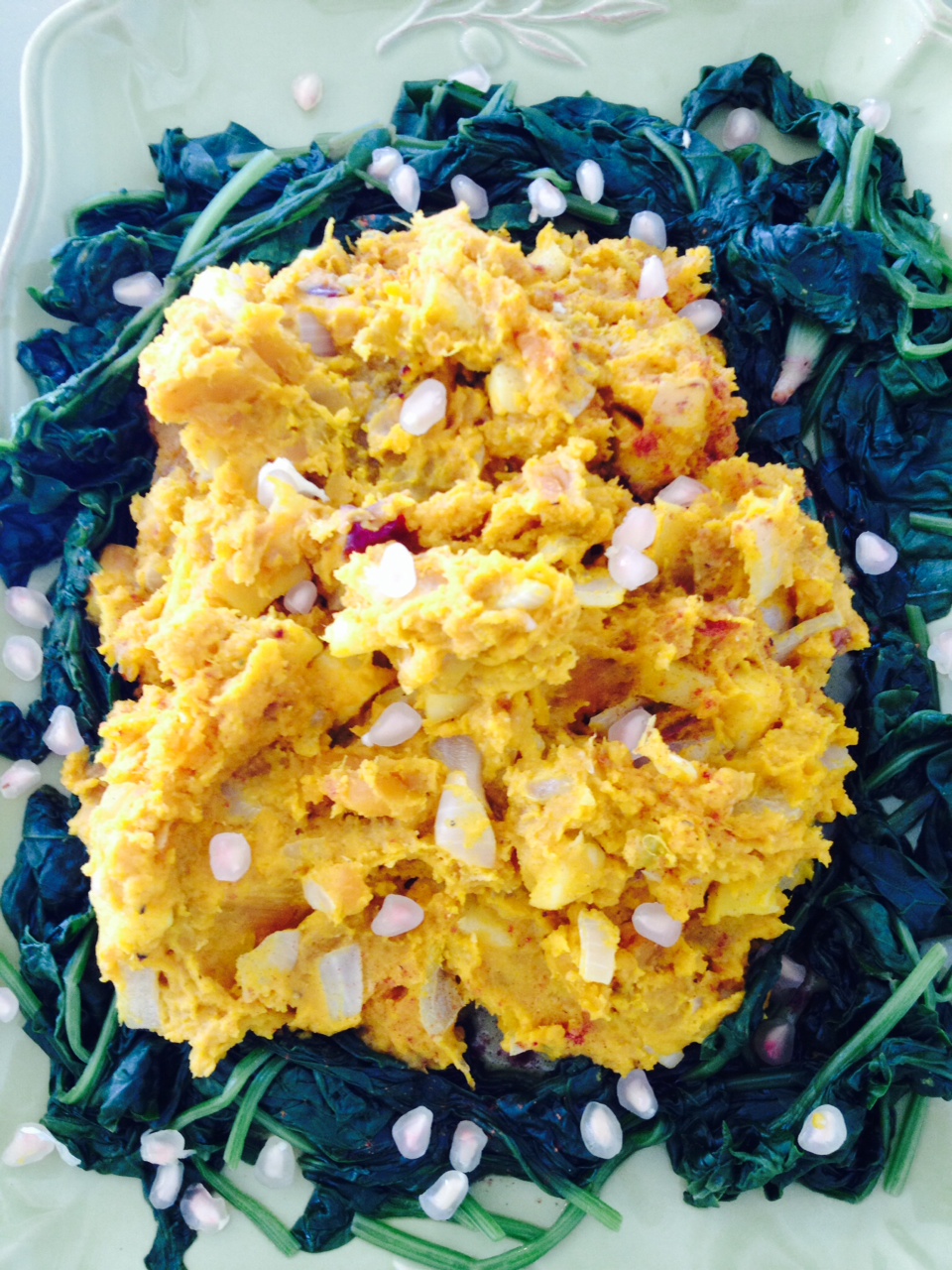
Simchat Torah eggplant rounds

Simchat Torah rounds

We end and we begin. With the ending of the holiday of Shmini Atzeret, we begin Simchat Torah (Rejoicing of the Torah) which celebrates the completion of the year-long reading of the Torah. And, then we begin anew with a celebration of life in the story of creation in Bereshit (Genesis). The holiday is an extraordinary community celebration of dancing and singing with Torah scrolls for seven Hakafot (circles).

Simchat Torah symbolizes the cycles of our lives. As the Earth rotates, our lives rotate throughout the year; Torahs scroll cycle along their wooden spines each week; our food grows in cycles; on Simchat Torah while holding the Torah, we circle as a community; and we cycle together throughout the Jewish calendar.


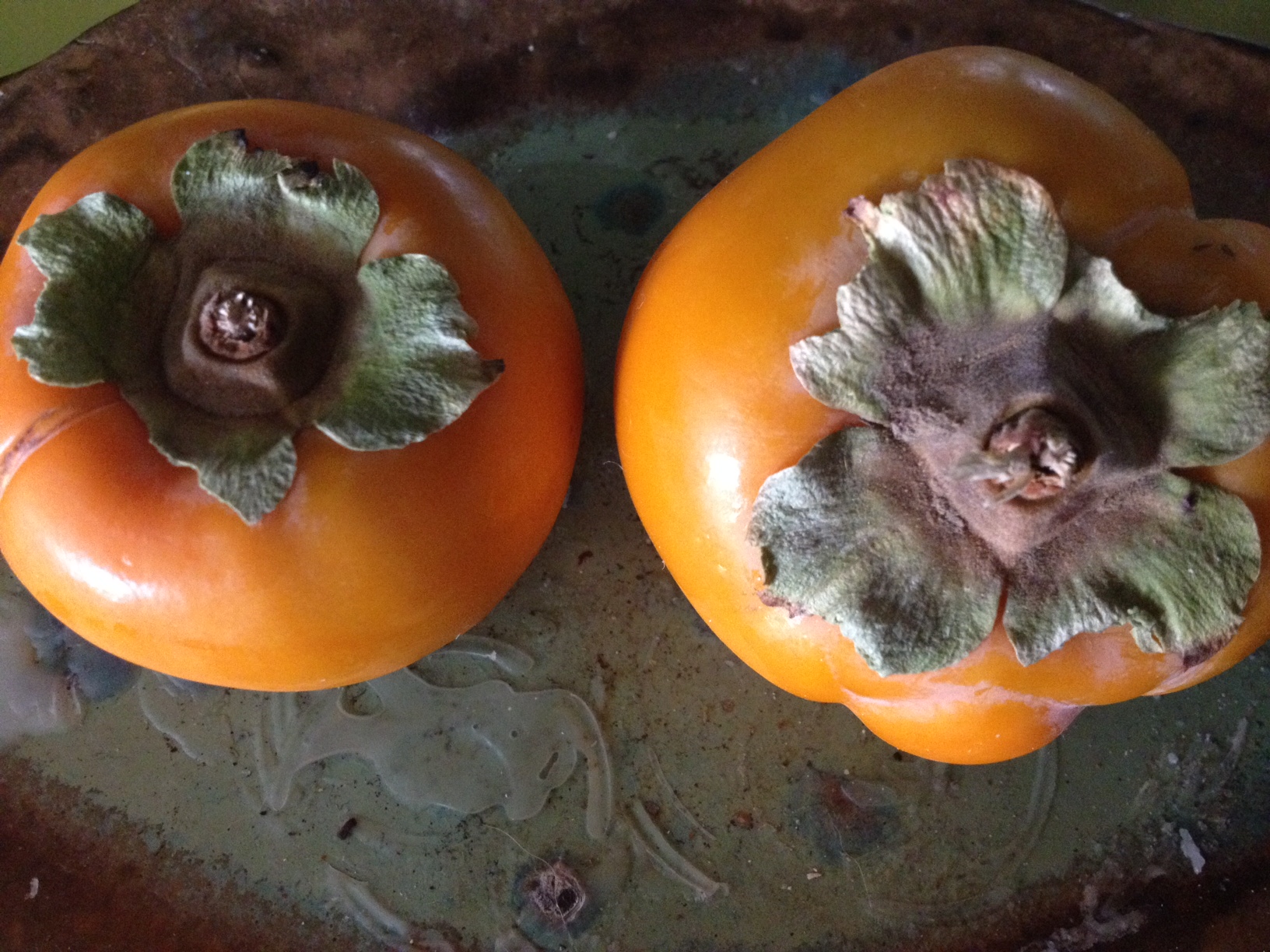
Fuyu persimmons. Plummer Park farmers market

Fuyu persimmons. Plummer Park farmers market

In the spirit of the seven Hakafot, I created a Simchat Torah recipe reflecting the cyclical nature and joy of the holiday. It’s common to eat foods that are rolled like scrolls and I would suggest that there is this option for this dish, too.  Continue reading

Yom Kippur: From Fasting to Juicing

Magical Juice

The anxieties of abstaining from food and water on Yom Kippur (and enduring an expected heat wave in Los Angeles this weekend) start to dance around my head months before the actual holiday. As I try to do the important work of teshuva, I keep thinking: How am I going to prepare for and survive the fast?! How many late summer conversations do I have with my coffee drinking friends about their preferred caffeine withdrawal techniques?

Needless to say, I probably don’t need to remind anyone of the billion plus people worldwide who experience many days like this from lack of access to or fresh water each week, month, year.  Or the 46.5 million Americans who are hungry (21 million children, 7 million seniors). Unlike the daily struggles billions of people endure, this is one day for Jews without food or water.

And even though my mind admittedly will at times be distracted by a visual loop equivalent to the Food Network, Yom Kippur is really a gift. It’s an opportunity to try to move into a deep spiritual realm that is beyond our physical dimensions. Continue reading

Rosh Hashana & the Garden of Eden

Garden of Eden

Garden of Eden

The Garden of Eden dish is inspired by many of the symbolic foods eaten on Rosh Hashana and the story of the garden. According to Talmudic rabbis, Rosh Hashana falls on the sixth day of the creation of the world when humans were made.The conflicting notions of beauty, sins and judgement were unleashed in the Garden of Eden.   Humanity was created, sinned and judged. As a result of human’s actions, the pains of the world–violence, death– were exposed.

Continue reading