Nisan: Bless and Sustain

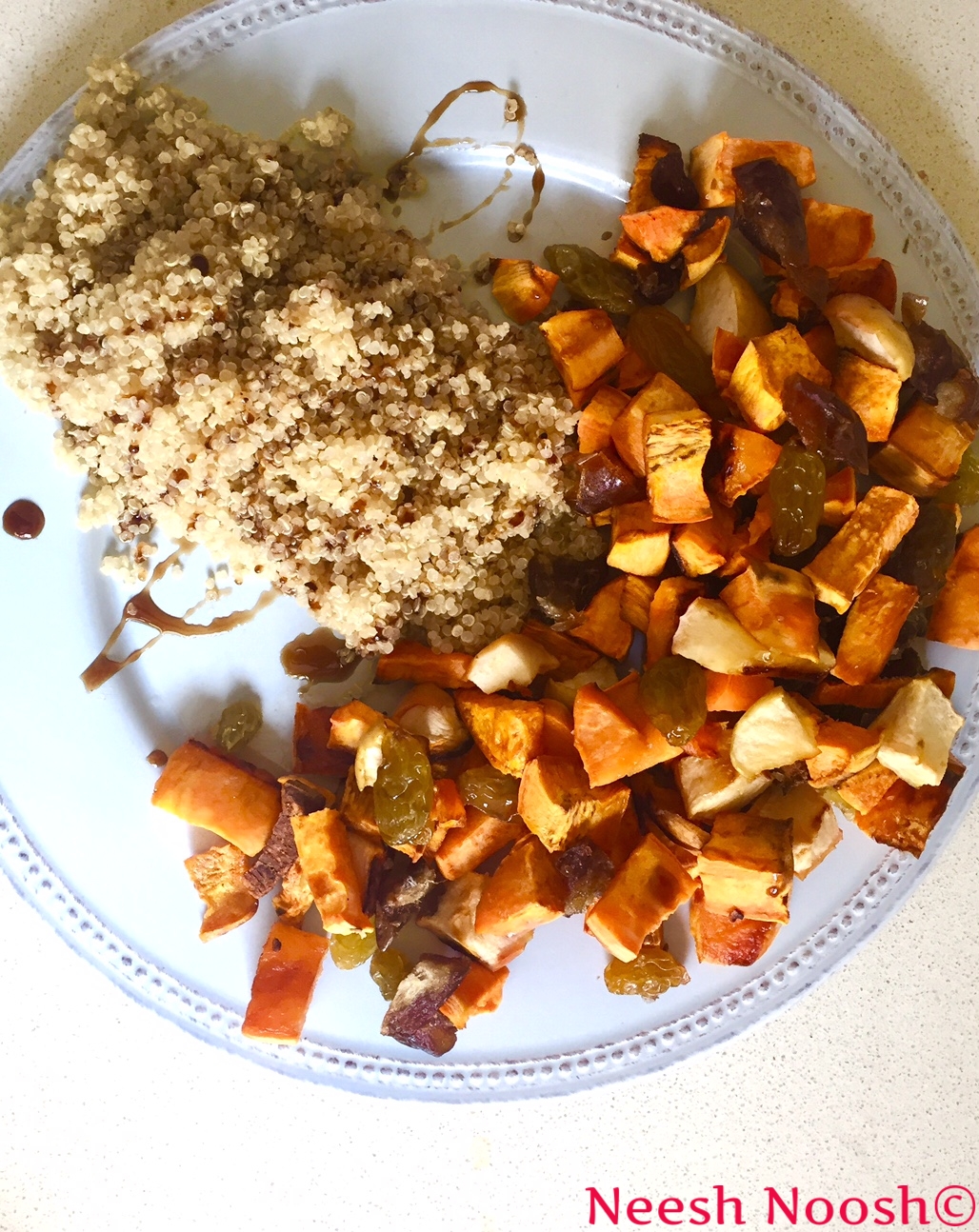
Nisan: Roasted fruits and quinoa

Nisan: Roasted fruits and quinoa

Nisan is the first month of the Jewish calendar, a celebration of the beginning of Spring (Chodesh Ha-aviv) and Pesach. Unlike Rosh Hashana, which is a new year for the creation of the world, Nisan established the nation of Israelites. G-d instructed Moses, “This month shall be for you the head of months, the first of the months of the year.” (Exodus 12-2).

One is instructed to say a blessing during Nisan for blossoming fruit trees.  With the celebration of Spring in Nisan, one can  visit a park or other natural setting to let one’s senses enjoy the colors, scents, sounds and beauty of this time of year. On my little balcony, I’m immersed in an array of flowers, pots overflowing with herbs and a cacophony of birds chirping (of course there is also the regular sounds of drivers honking their car horns). My neighborhood is alight with bougainvellia in vivid oranges and pinks, cascading over tree tops, walls and bushes.

Continue reading

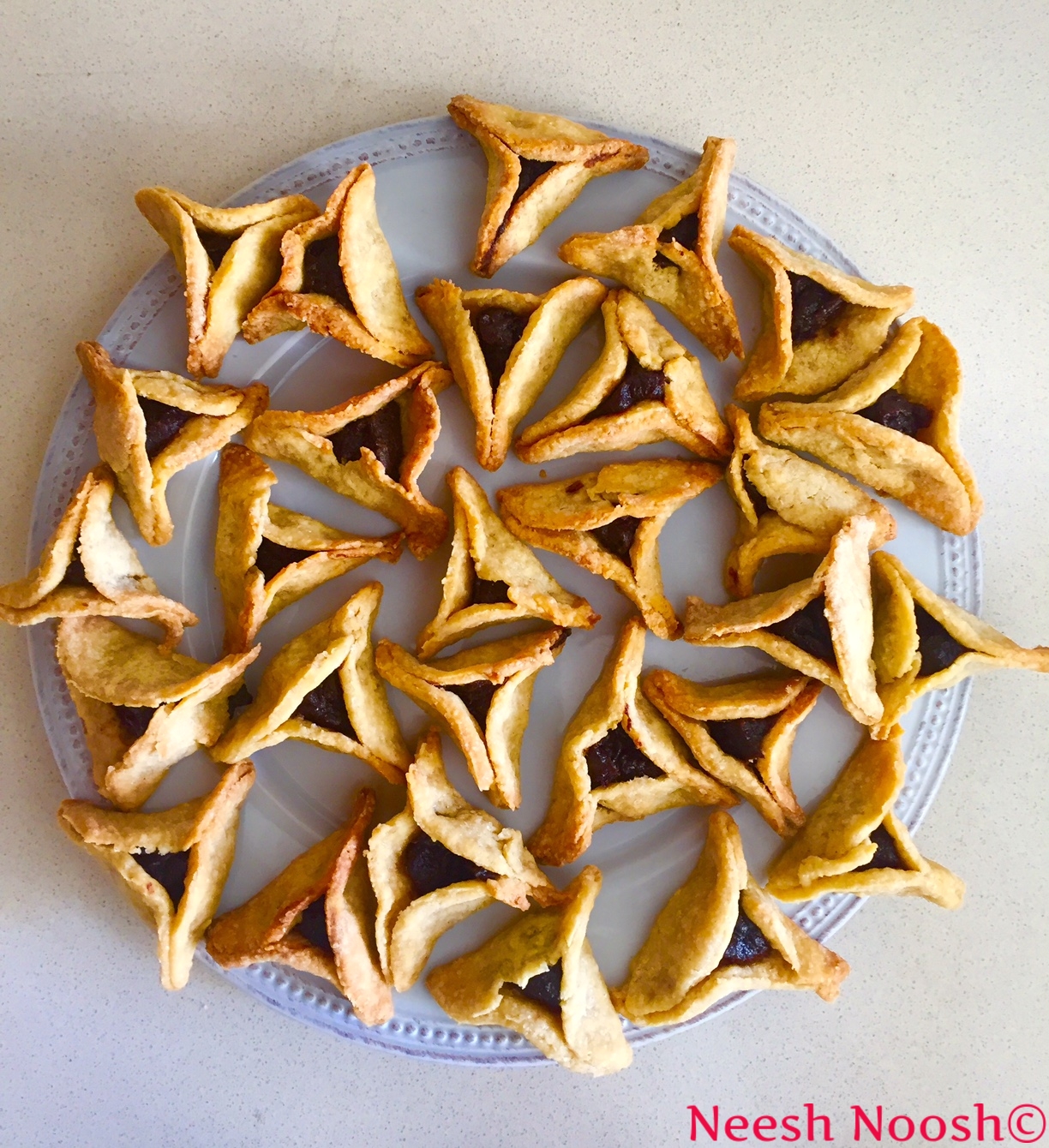
Purim: Vegan Hamantaschen

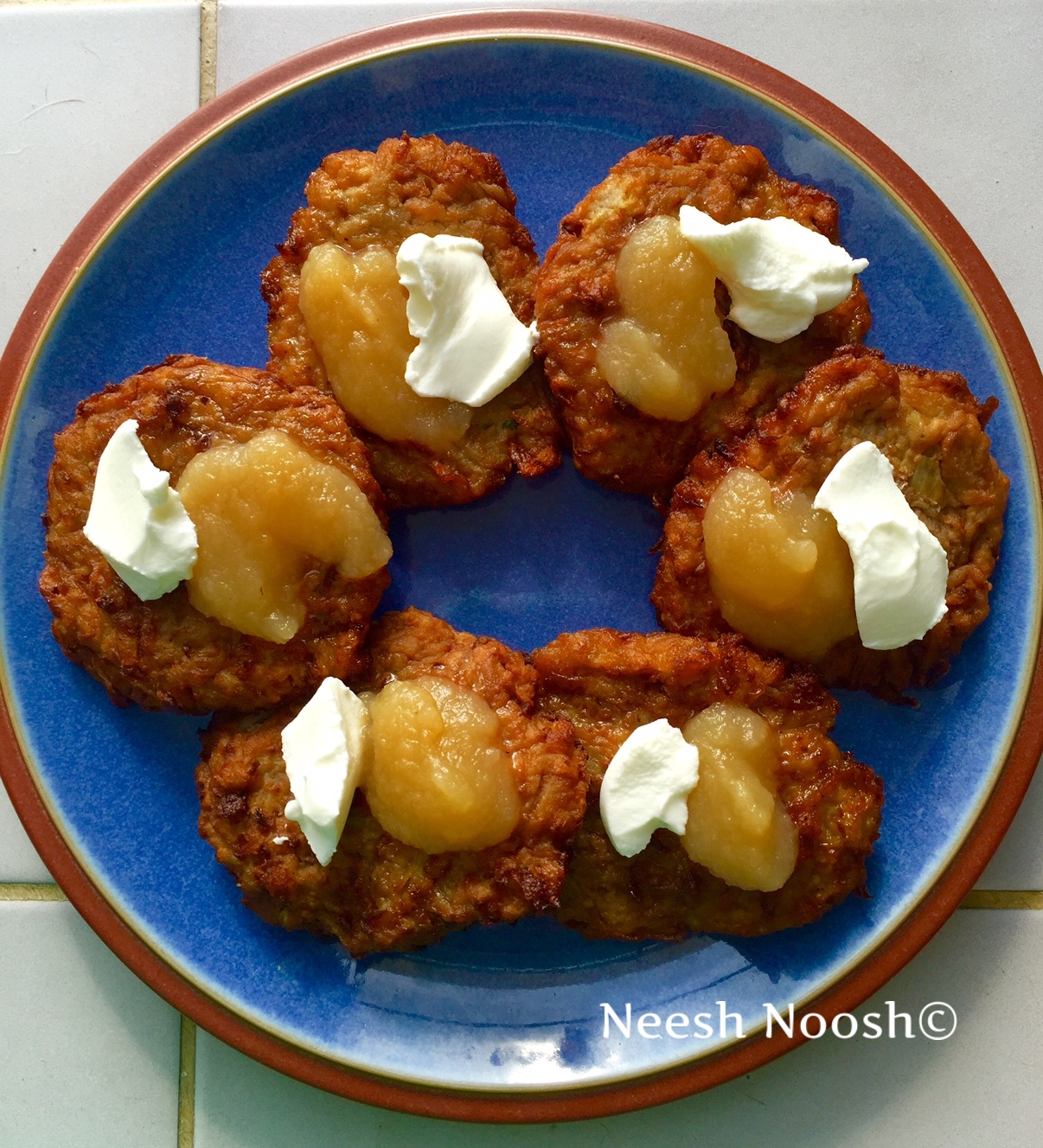
Hamantaschen3I seem to be on a desserts stretch the past few posts during Adar 1 & 2! With Purim starting in a couple of days, I assume people are busy preparing their mishloach manot. I hope you enjoy the following recipe for vegan hamantaschen, that I wrote for the Borough Market website. It is a modified version of a recipe that I found on the blog, Musical Assumptions). I filled them with my date paste and strawberry jam recipes.

Continue reading

Tu B’shevat Round-Up

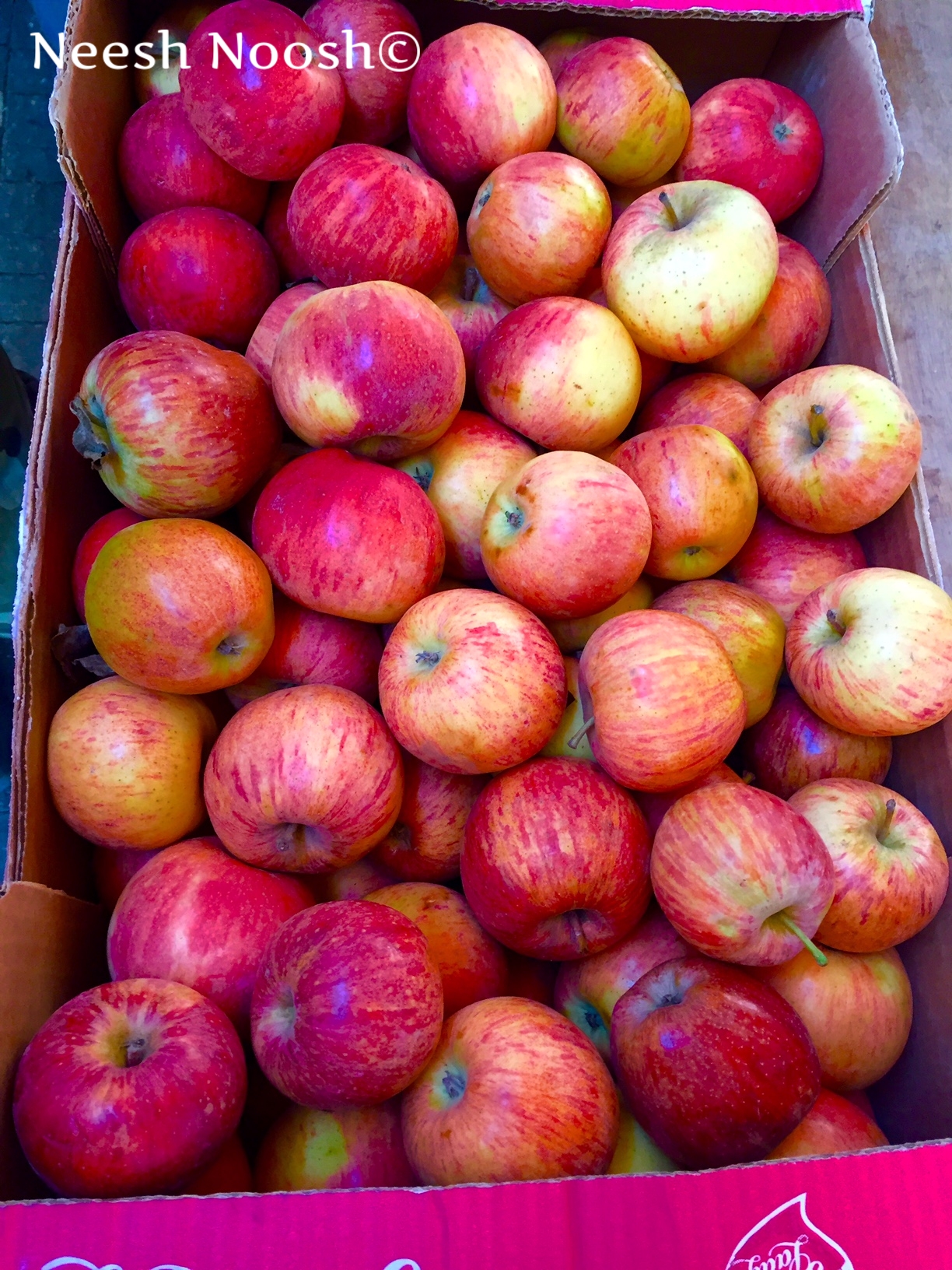
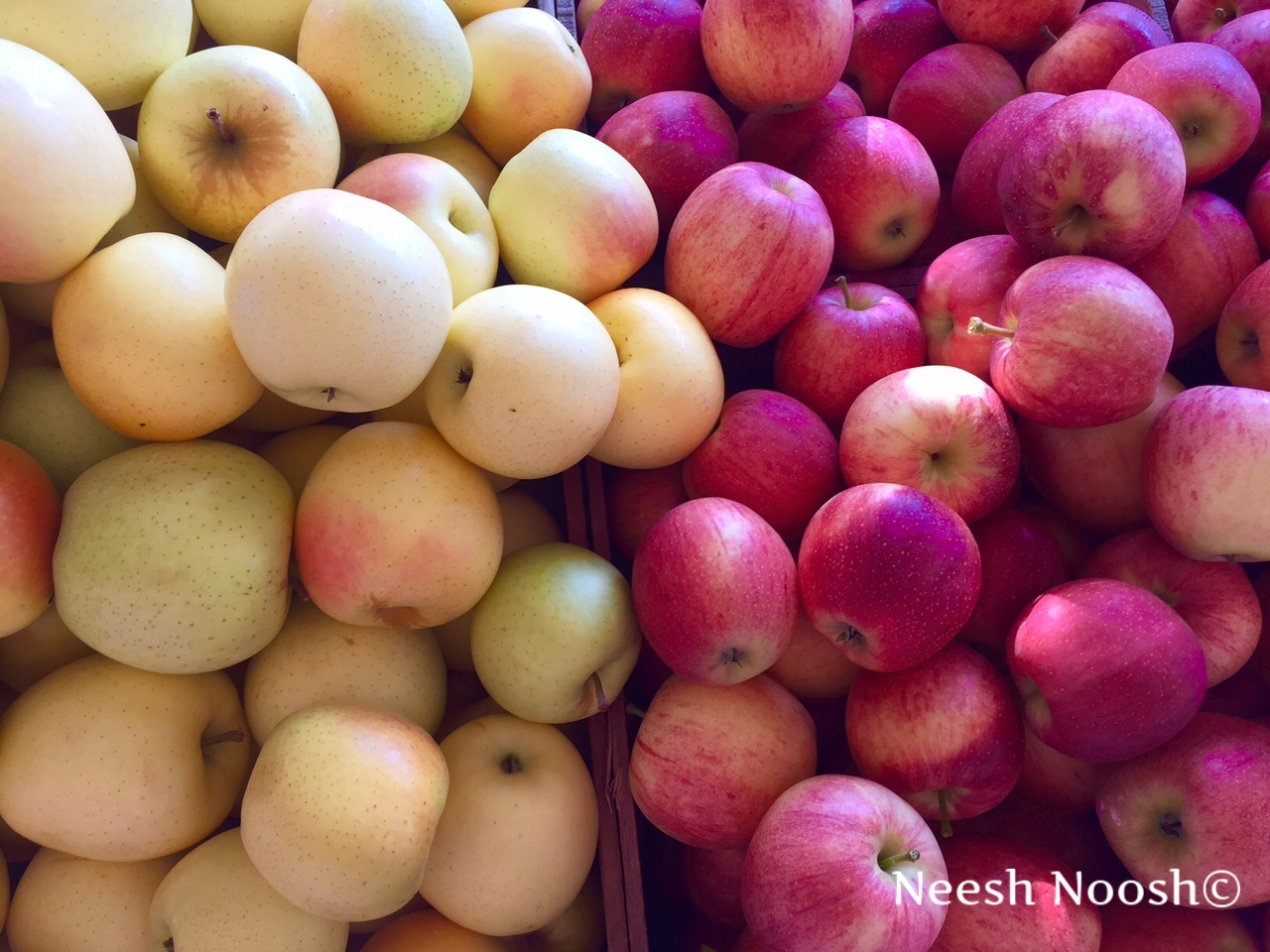
Apples. Shuk HaNamal. Tel Aviv

Apples. Shuk HaNamal. Tel Aviv

Happy New Year of the Trees! I hope you have a delicious, fruitful Tu B’shevat. Below is a round-up of articles and recipes I wrote for the holiday. And if you need any other fruit recipes, search in the “fruit” category on the website. B’tayavon!

Borough Market: Groats and Fruit Salad

Jewish Food Experience: Tour of Tel Aviv Port’s Farmers Market and Fruit Salad

Fruit Jams

Jewish Journal: Savor Fruits of the Earth, Consider their Journey

Shevat: Fruit Tree Jams

Shevat Jams: bottom-apple, left-kumquat orange, right-fig

Shevat Jams: bottom-apple, left-kumquat orange, right-fig

The month of Shevat begins in a few days. The holiday of Tu B’shevat is a New Year celebration for trees. It’s definitely the locavore and environmental holiday of the Jewish calendar that marks the age of trees for tithing. It is customary to eat a new fruits and/or one of the seven species of Israel: barley, wheat, grapes, pomegrantes, olives, figs and date (or date syrup) on the holiday. Inspired by a Kabbalistic tradition, it has become commonplace to celebrate the holiday with a seder–guests enjoy an array of tree grown nuts and fruits as well as discussions about environmental issues we face today. While enjoying fruits this month, consider planting a tree or donating to a tree fund.  the US. Also, check out Fallen Fruit, which maps and harvests fruits in public urban spaces.

I prepared three jams with fruits purchased from the farmers market at the Tel Aviv port and from trees in my neighborhood. Unlike most jam recipes that call for large quantities of sugar, these recipes are fairly low in sugar. Enjoy with fresh, warm bread. Continue reading

Tevet: Eyes

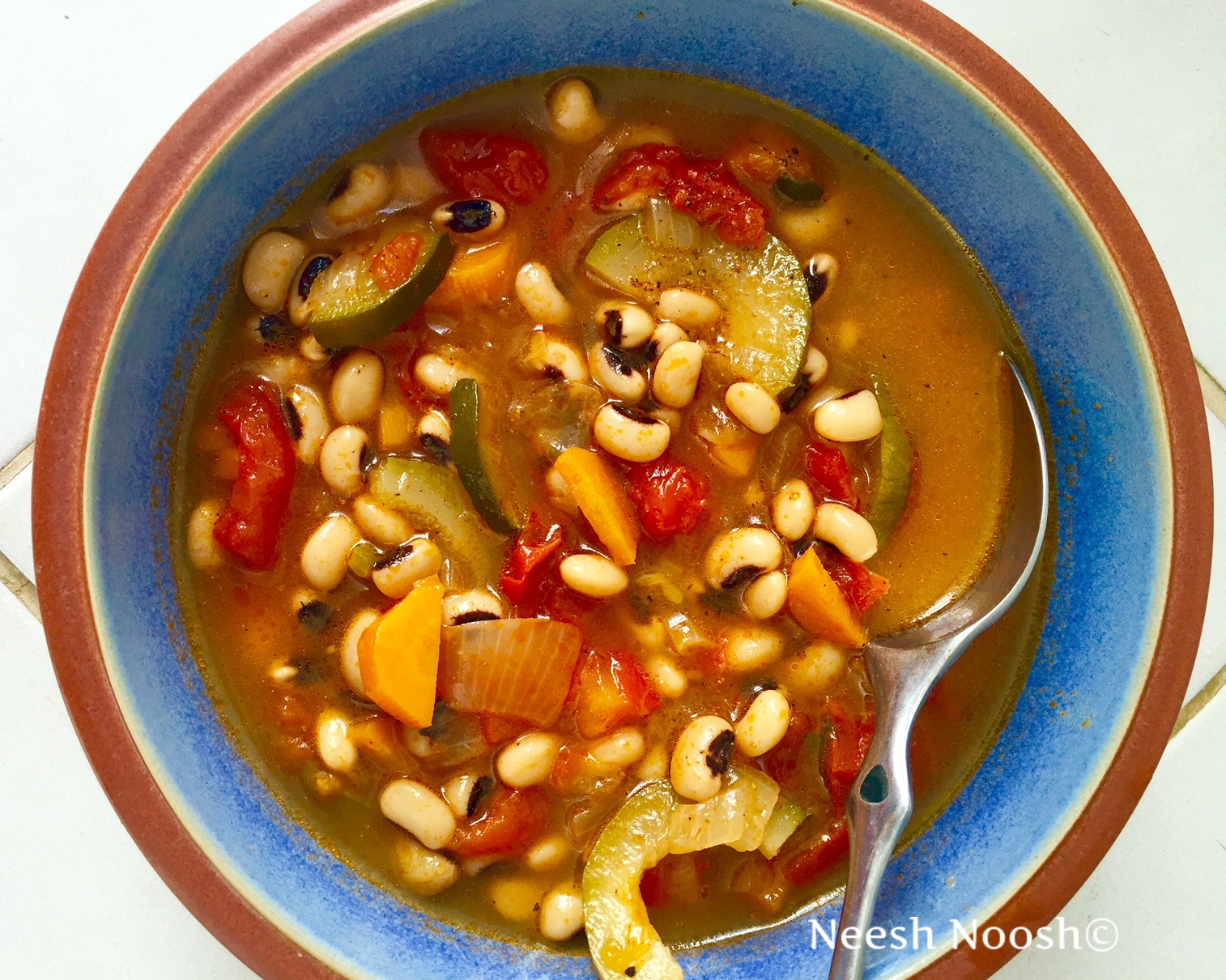
Tevet: Black Eyed Pea Soup

Tevet: Black Eyed Pea Soup

The letter of Tevet is “ayin” which also means eye. “The month of Tevet is the month of the rectification and nullification of the ‘evil eye.’ The word Tevet itself comes from tov, “good,” referring to tov ayin, ‘the goodly eye.'” Indeed, celebrating the remaining days of Chanukah during the beginning of Tevet is an opportunity to see good in the world, as revealed in the burning of the holiday’s candles. “We need the power of the light of Chanukah, especially the light of the last day of Chanukah. . . to help us rectify the “Evil Eye” and to reveal the good (Tov – Tevet) in whatever exists.”

Continue reading

Chanukah Round Up

FullSizeRender(228)(1)Chanukah Sameach! I hope you enjoy 8 nights of lighting candles, munching on latkes, spinning dreidels, and more. I want to share with you some new and old Chanukah posts:

8 Easy Tips for an Environmentally Friendly Hanukkah (Haaretz)

Latkes and Chanukah for London’s Borough Market

8 Infused Olive Oils (Jewish Journal)

8 Ways to Make Your Chanukah More Sustainable

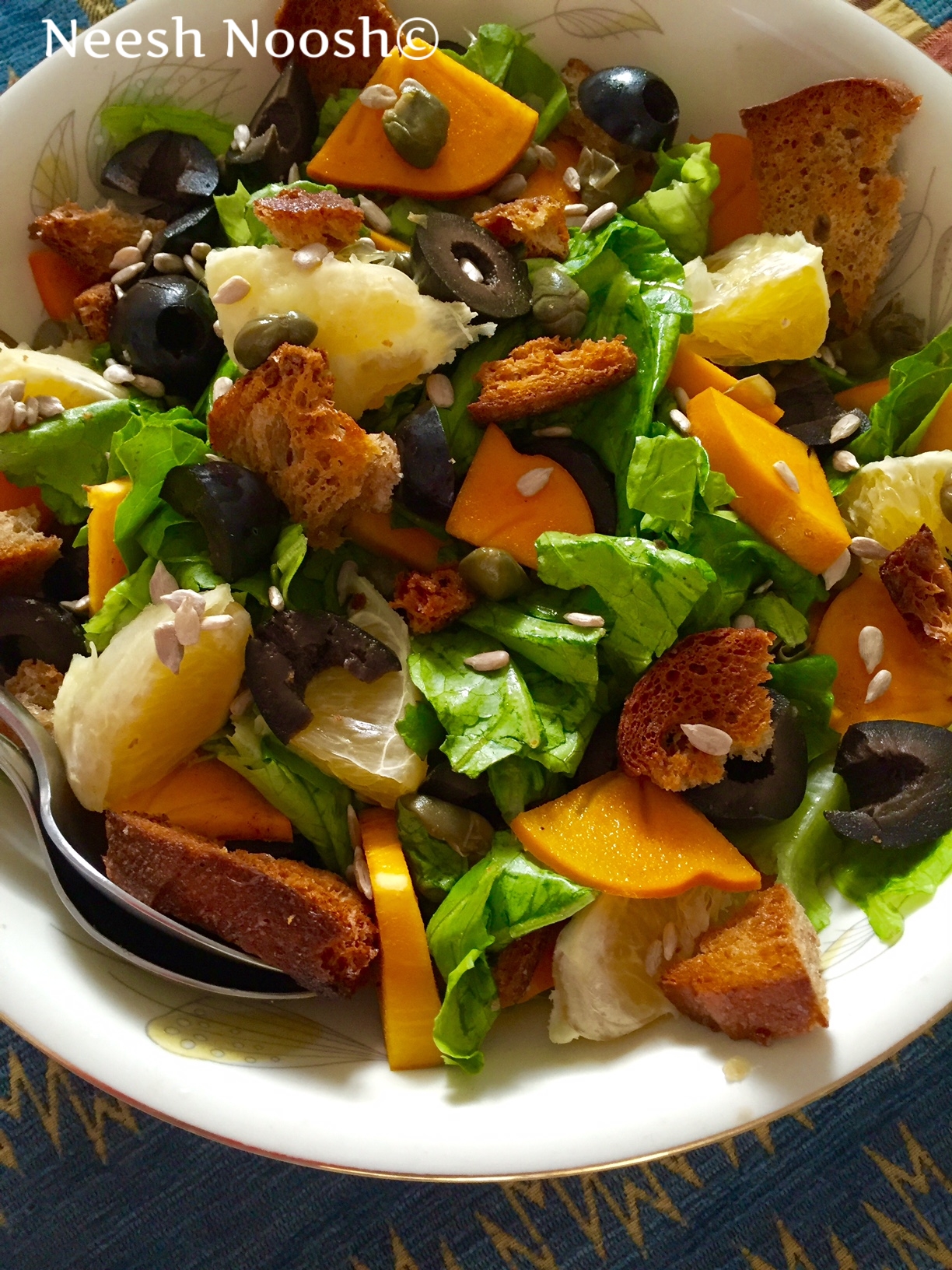
Oily, Salty Salad for the Month of Kislev

Soup for Tevet

Kislev: Rainbows, Oil and Salt

Kislev: Oil and Salt Rainbow Salad

Kislev: Oil and Salt Rainbow Salad

During the month of Kislev, which begins later this week, we celebrate Chanukah. The most obvious food of this holiday and month is oil, the miracle ingredient.  During Chanukah, some women recite the story of Judith, a heroine who used salt as a weapon. “Legend has it that Judith fed the enemy general Holofernes salty foods to make him thirsty for wine. As he lay in a drunken stupor she was able to slay him, thus saving Jerusalem from siege.”

A symbol of Kislev is keshet (rainbow). During Kislev, when the flood waters receded, a rainbow appeared in the sky and God told Noah, “I will keep my covenant with you and your descendants…and never again will a flood destroy all life. . . . I have put my rainbow in the clouds, and it will be the sign of the covenant between Myself and the world. “

Continue reading

Fall Holidays: Feasting and Reading

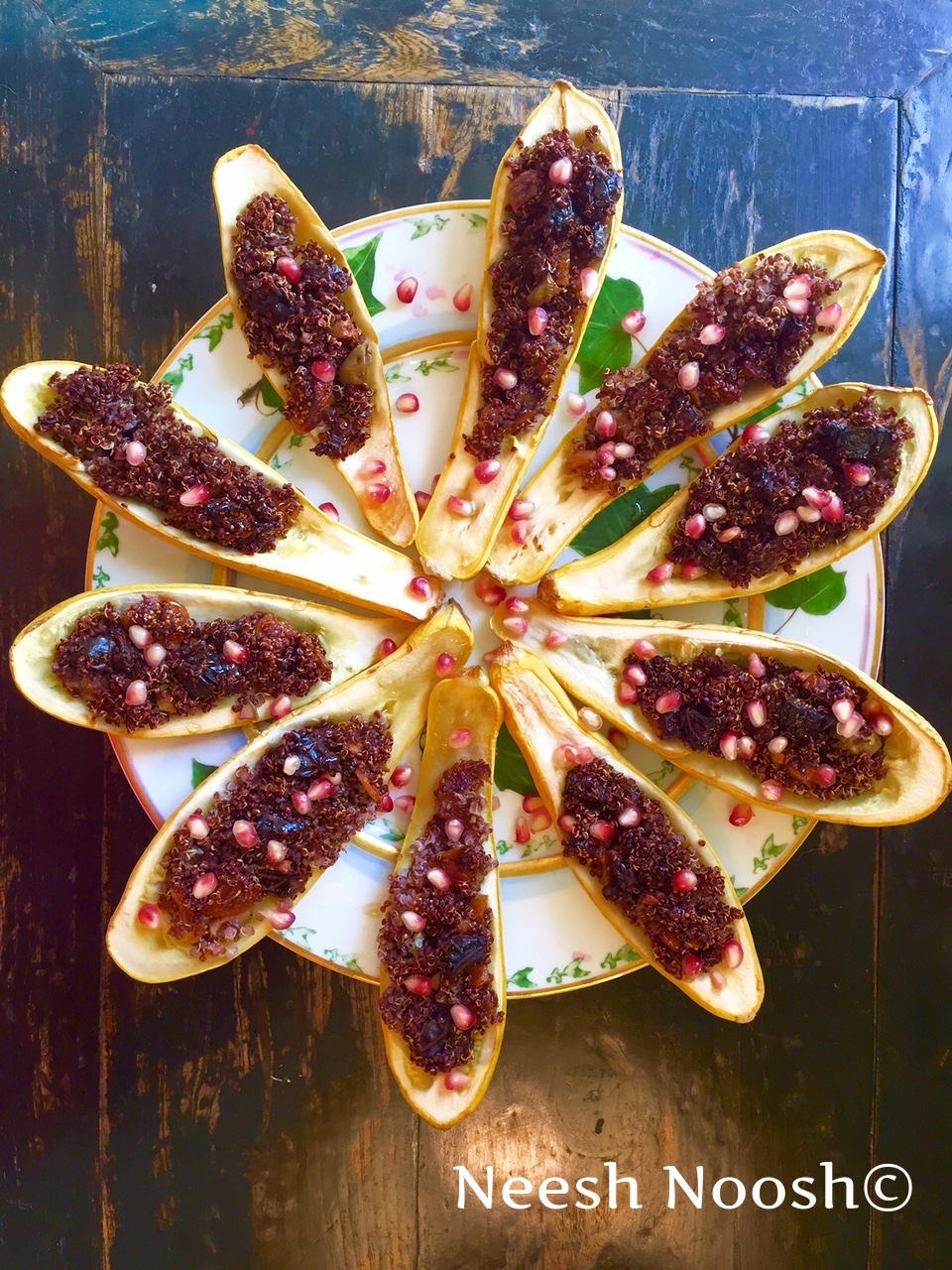
Sukkot: Stuffed Zucchinis

Sukkot: Stuffed Zucchinis

Greetings from Tel Aviv! I want to share my latest Haaretz piece about addressing the serious hunger and poverty crises in both the US and Israel.

And, I want to share with you some of my recipes for the remaining fall holidays. Sukkot is the ultimate “farm-to-table” holiday, celebrating the bounty of Fall harvest. On Shemini Atzeret we transition to saying a prayer for rain— so needed right now in Israel and the West Coast.
Sukkot:
Stuffed Zucchinis
Perennials Roast
Shemini Atzeret:
Nopales and Tomatillo Sauté
Simchat Torah:
Eggplant-Quinoa Rounds
Chag Sameach!


Shana Tova: Reflections and Moving into a New Year

Apples. Eastern Market. Washington, DC

Apples. Eastern Market. Washington, DC

Shana Tova! Last year at Rosh Hashana, I decided to start Neesh Noosh, without having a vision or plan. Just a desire to learn, cook and write. What a whirlwind and exciting journey it has been! I want to share an article, after the break, that I wrote for last week’s Jewish Journal about my journey writing Neesh Noosh.

In the coming year, instead of creating a dish for the weekly Torah portion, I will make a recipe for each Rosh Chodesh (new month).  I am also working on turning the blog into a cookbook.

Thank you to everyone who reads Neesh Noosh. I am grateful for your support and encouragement!  I hope you will continue to enjoy reading and cooking with me in the new year.

Wishing you a sweet, healthy new year!
Sarah

PS: If you want to read more about Rosh Hashana and food ethics, please check out  an article I wrote for the Isareli paper, Haaretz: What do Jewish Morals Have to Say About Your Rosh Hashana Dinner?

Continue reading

Ki Tavo: Mitzvot and Renewal

Ki Tavo: Roasted Fruit

Ki Tavo: Roasted Fruit

This week’s Torah portion, Ki Tavo, begins with the responsibility of the Israelites to bring an offering of first fruits (bikkurim) after they’ve entered the land of Israel. “He brought us to this place, and He gave us this land, a land flowing with milk and honey. And now, behold, I have brought the first of the fruit of the ground which you, O Lord, have given to me.” (26:9-10)

Fruit offerings were later replaced with prayers but the purpose and intention are the same. As my teacher, Diane Bloomfield of “Torah from Jerusalem” explains, each day is the potential for both the physical world and humans to renew through prayer and actions. Despite the darkness that shrouds much of the world, we are commanded by God, as caretakers of the world, to illuminate dark places through mitzvot (actions). Such behaviors enable us to connect more deeply to God and renew ourselves and the world.

Continue reading